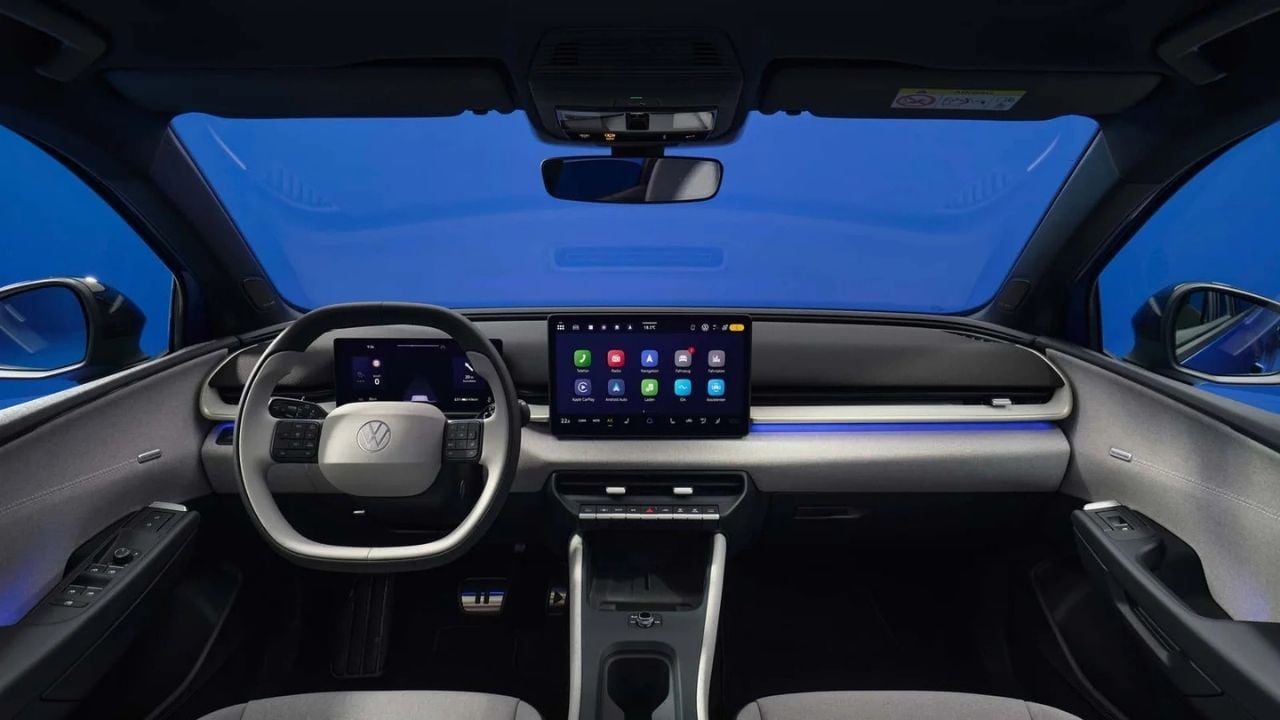
One of the biggest trends in recent years has been the replacement of knobs and buttons with touchscreen controls. However, it is something that has frustrated many consumers, and manufacturers like Mercedes and Audi have been reverting to knobs and buttons. Now it looks like Volkswagen is joining them.
These changes have been nearly instantly visible in recent VW products, such as the ID.3 Neo, ID. Polo and the ID. Cross. These are the first steps that the manufacturer is taking to reverse a trend that had begun to annoy customers.
Touch screen controls have become incredibly fashionable in recent years. With more complex infotainment systems, they were seen as modern, futuristic, and almost necessary. But trying to change the car’s cabin temperature with a touch-sensitive button, or other functions, was potentially becoming a safety risk to drivers, as it could be distracting and annoying.
Tactile buttons and knobs are easier to use, provide better control, and make the lives of car occupants much better. There was nothing wrong with the old way of doing things, and as the adage goes, if it isn’t broken, then don’t fix it.
Why Is Volkswagen Going Back to Knobs and Buttons?
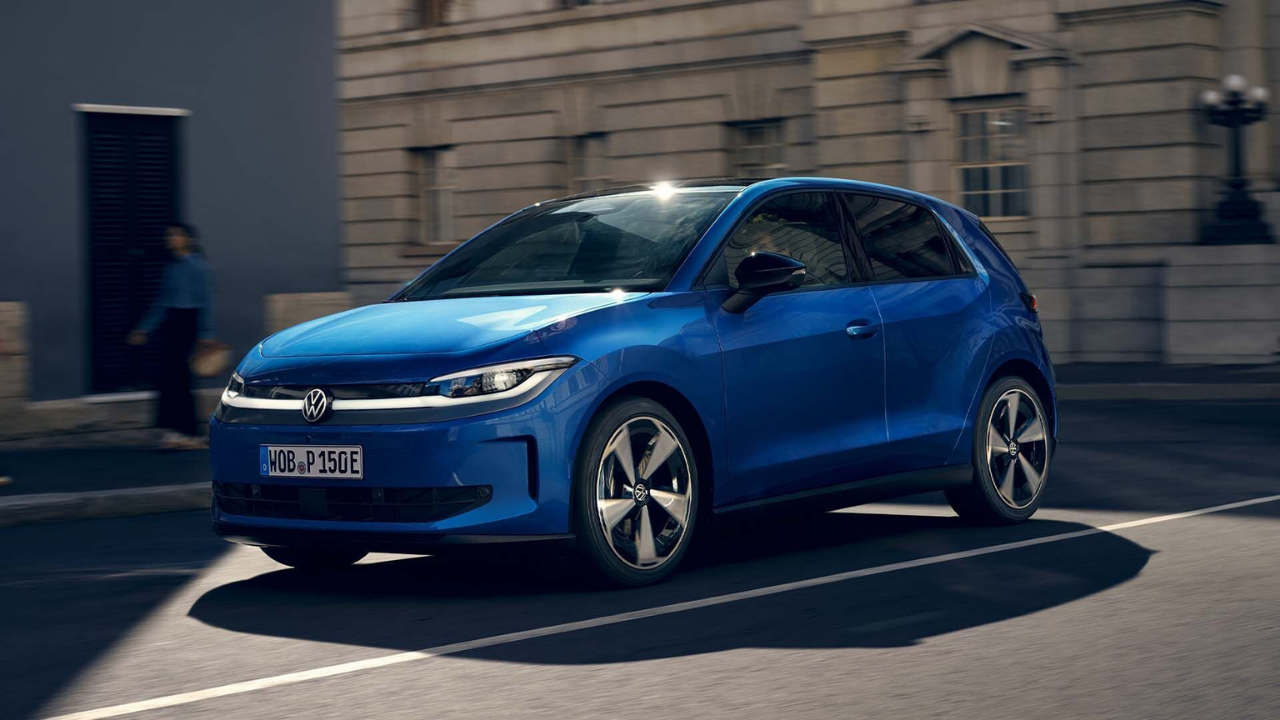
Volkswagen offered its own explanation as to why it has started to rein in the use of touch-sensitive controls in an interview with Automobilewoche. It also discussed why it had initially moved away from physical controls. Head of Quality Assurance Andreas Krepp said: “What seems obvious to you or me today may well be viewed quite differently at a certain point in time.” The VW man also said that, as there was no data on whether customers liked buttons or touch-sensitive controls, VW simply decided to try it out.
Eventually, it found out that what it thought customers wanted was incorrect. Volkswagen soon saw that customers did not want their cars turned into spaceships just because they had electric powertrains. Buyers were happy to convert to electric cars, but they didn’t want to relearn basic functions. Things such as adjusting the climate control or changing the volume of the radio or music.
“With electric vehicles—including here at our company—there was this idea: Something new is beginning [electric vehicles], so the controls must also change significantly and be particularly modern,” said Krepp. “For example, we said, “Let’s install sliders instead of traditional rotary knobs. That’s the future,” he added. Over time, it soon became clear to the German manufacturer that this was not what its customers wanted. Thus, it has begun to reverse that change.
EV Buyers Still Wanted Traditional Controls
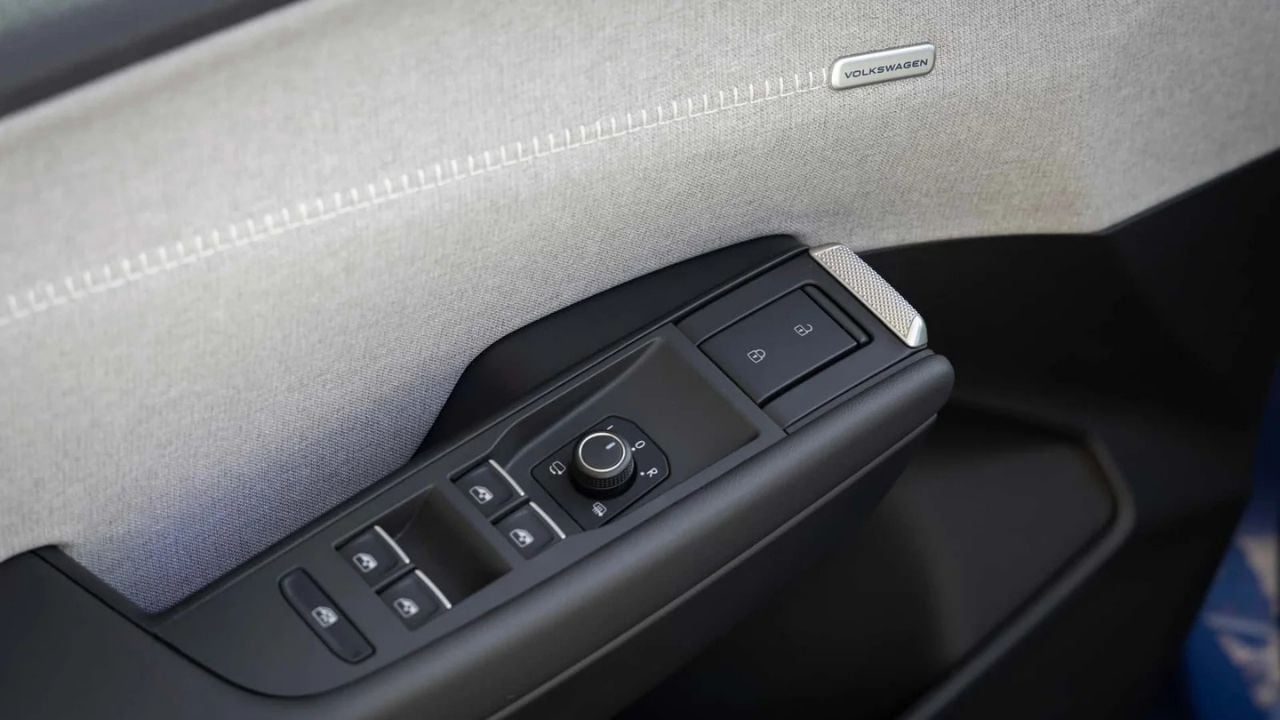
VW basically realized that even if it seemed futuristic, it wasn’t what the customer wanted. Nobody had actually been crying out for touch-sensitive interfaces, and everyone was happy with how car controls were before. There was also the safety element, as some have argued that tactile controls are easier to operate without taking your eyes off the road.
Touch-sensitive controls can be fiddly, and if you don’t press them correctly, they might not work. With a traditional knob or button, you can feel it in your hand and know that you have pressed it or turned it. And you can do that without taking your eyes off the road ahead. Audi and Mercedes have already begun to reintroduce tactile controls. VW is now the latest German manufacturer to do the same thing.