
There is a certain kind of trip people start craving when airfare gets ridiculous or vacation time feels too short. You want old-world charm, a walkable center, a bakery that smells like butter at nine in the morning, and streets that make you slow down without being told to. The good news is that you do not always need a passport to get that mood. Across the United States, a handful of towns have held tight to Danish, Swiss, Dutch, Bavarian, and Spanish influence so convincingly that a weekend there can scratch the overseas itch surprisingly well.
To keep the idea honest, this list leans on official tourism and local history sources rather than vague “feels like Europe” hype. None of these places is a perfect stand-in for the real thing, and that is part of the appeal. They still feel American in their own way, just with stronger architectural personality, deeper immigrant roots, and the kind of atmosphere that makes a long lunch or a lazy walk feel like the whole point of the day. For travelers chasing a trip that looks and feels farther away than it actually is, these five do the job.
1. Leavenworth, Washington
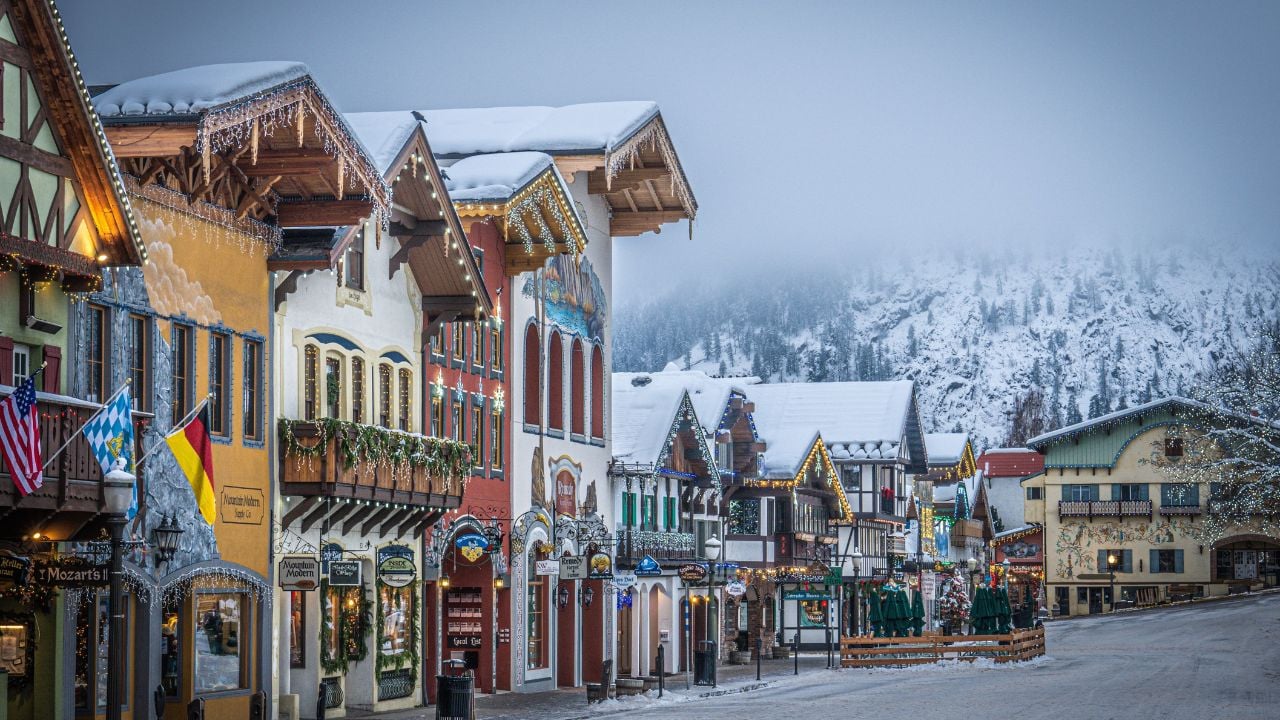
Leavenworth is the kind of place that makes people laugh the first time they pull in, then immediately reach for their phone. The town’s own tourism site calls it a Bavarian village nestled in the Cascade Mountains, and its official visitor pages lean hard into the full package: mountain scenery, festivals, food, beer, shopping, and a downtown that commits completely to the look. Snow, peaks, timbered facades, flower boxes, and a village center that fully buys into the fantasy make the whole thing work better than it has any right to.
What sells Leavenworth is not one landmark but the way the whole place commits to the mood. You can spend the day drifting between pastries, schnitzel, local wine or beer, mountain views, and seasonal events, and the trip works because the town never asks you to do much more than wander well. It does not feel overseas in a polished, museum-piece way. It feels lively, cozy, and just self-aware enough to be fun. That balance is why Leavenworth works so well for a weekend. It gives you the old-world costume, but it also gives you enough real atmosphere to keep the joke from wearing thin.
2. Solvang, California
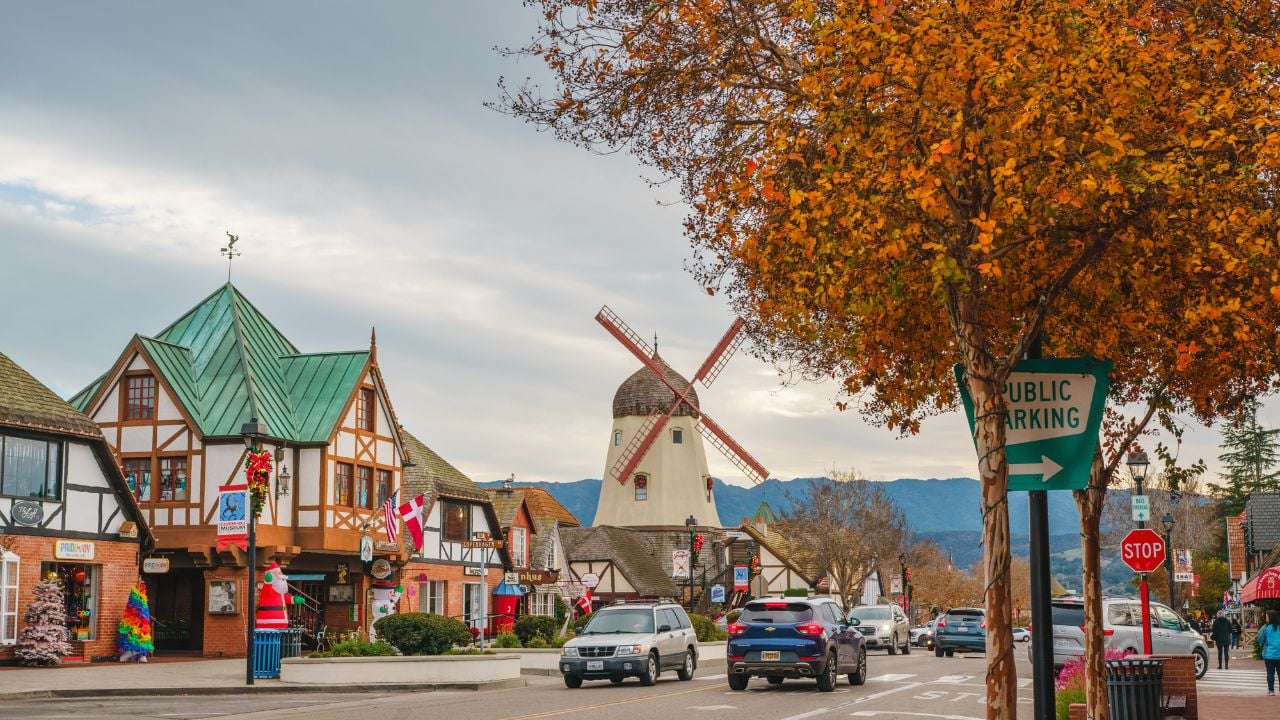
Solvang takes a different route to the same fantasy. Its official tourism site describes the town as a sun-soaked slice of Danish culture in the Santa Ynez Valley, where California wine cellars mix with European bakeries, windmills, boutique shops, and Copenhagen Drive strolls. That contrast is a big reason the town sticks in people’s minds. You get the half-timbered facades and the aebleskiver, but you also get warm California light and a pace that feels relaxed rather than overworked.
A weekend here works best when you lean into the slower pleasures. Walk the center, stop for Danish pastries, linger near the windmills, and let yourself enjoy how unabashedly charming the place is. Solvang also feels stronger than a town that only borrowed a visual theme and moved on. Its official Danish Days page says the festival returns in 2026 for its 89th edition, which tells you the heritage is still being actively performed rather than passively remembered. That continuity helps the place feel more convincing. The village may be theatrical, but the cultural memory behind it is real enough to give the whole weekend more depth.
3. New Glarus, Wisconsin
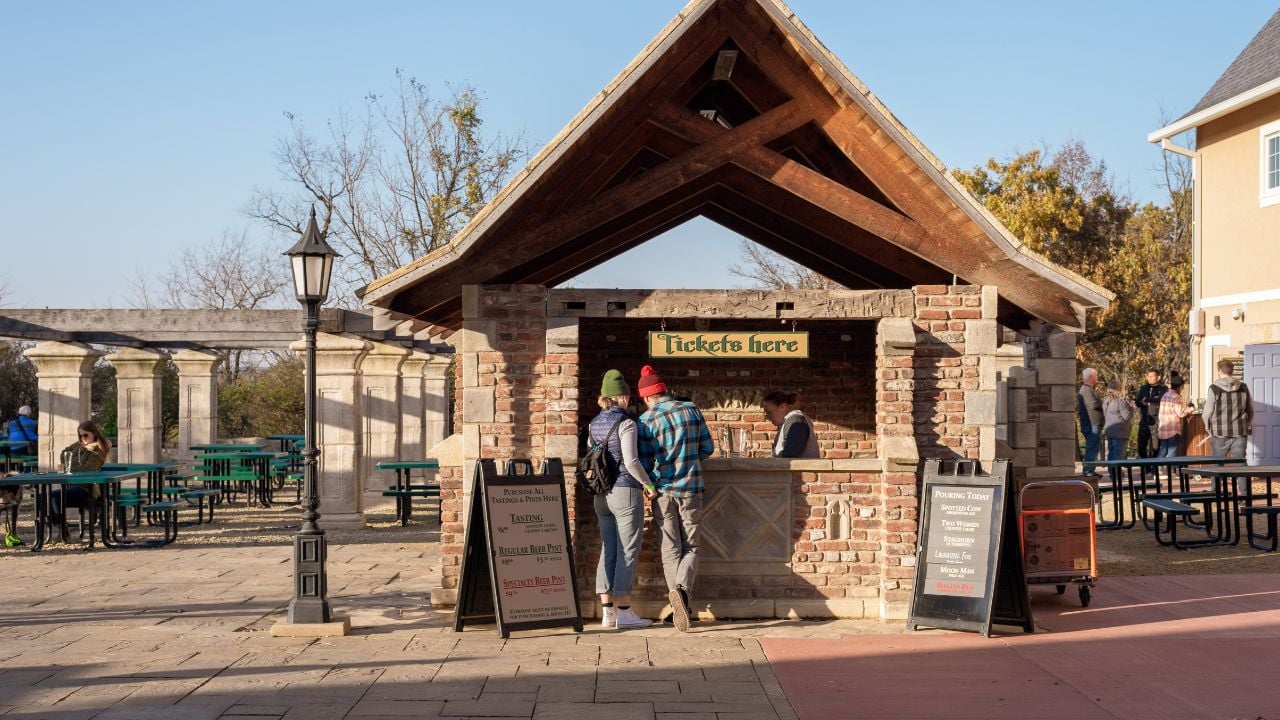
New Glarus may be the quietest town on this list, but it is also one of the most convincing. The local chamber and tourism office calls it America’s Little Switzerland and traces the town back to 108 Swiss pioneers who settled there in 1845. That continuity matters. A place feels more transporting when the identity comes from actual settlement history instead of a later branding exercise. Here, the architecture, the traditions, and the broader mood all feel tied to something older and more deeply rooted than a tourism slogan.
The reward here is softer and less theatrical than in Leavenworth or Solvang, which is part of why it works. Travel Wisconsin openly sells New Glarus as a place that can transport visitors to America’s Little Switzerland, with museums, chalet-style buildings, and more than 150 years of Swiss heritage still visible around town. The calendar helps keep that identity alive too. The town’s official Swiss Volksfest page still promotes Swiss Independence Day traditions such as yodeling, alphorns, flag throwing, and folklore music. So the experience is not just decorative trim on storefronts. It is a small Midwestern town that still knows how to turn heritage into atmosphere.
4. Pella, Iowa
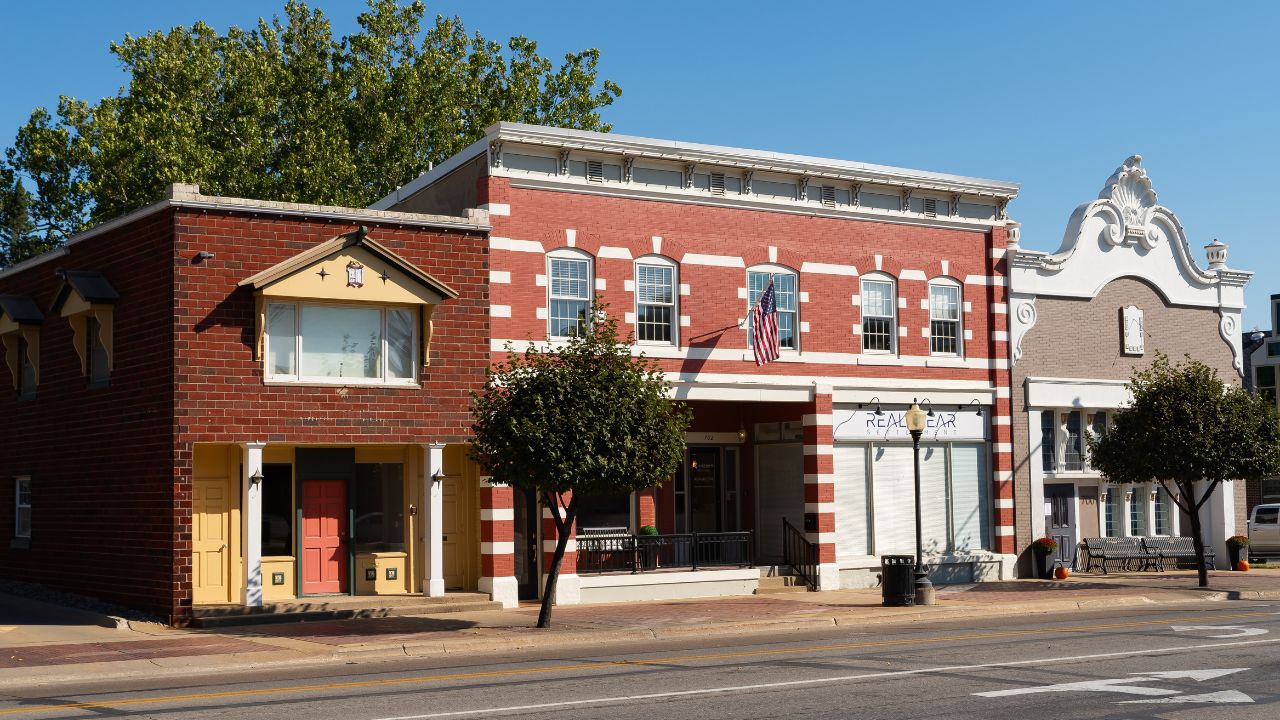
Pella is one of those towns that surprises people who think the Midwest cannot possibly deliver a Dutch daydream. Visit Pella, which calls itself America’s Dutch Treasure, and its Dutch culture pages go even further, inviting visitors to “visit the Netherlands here in the Midwest.” That confidence works because the town has enough substance behind the look that it never feels like a one-photo stop. The center is walkable, the storefronts are distinctive, and the Dutch references show up in architecture, bakeries, museums, and the broader tone of the place.
What makes Pella especially likable is how naturally that identity folds into a normal town visit. Jaarsma Bakery is still selling made-from-scratch Dutch pastries and specialties, while Pella Historical Museums and Tulip Time present the town as a living touch of Dutch culture in the Midwest. The strongest anchor, though, may be the Vermeer Windmill, one of the tallest working windmills in North America. That gives the town something more durable than just charm. You can browse, snack, walk, and absorb enough history to understand why Pella still feels distinct. Then you leave feeling as if you found a very specific little pocket of Europe hiding in plain sight.
5. St. Augustine, Florida
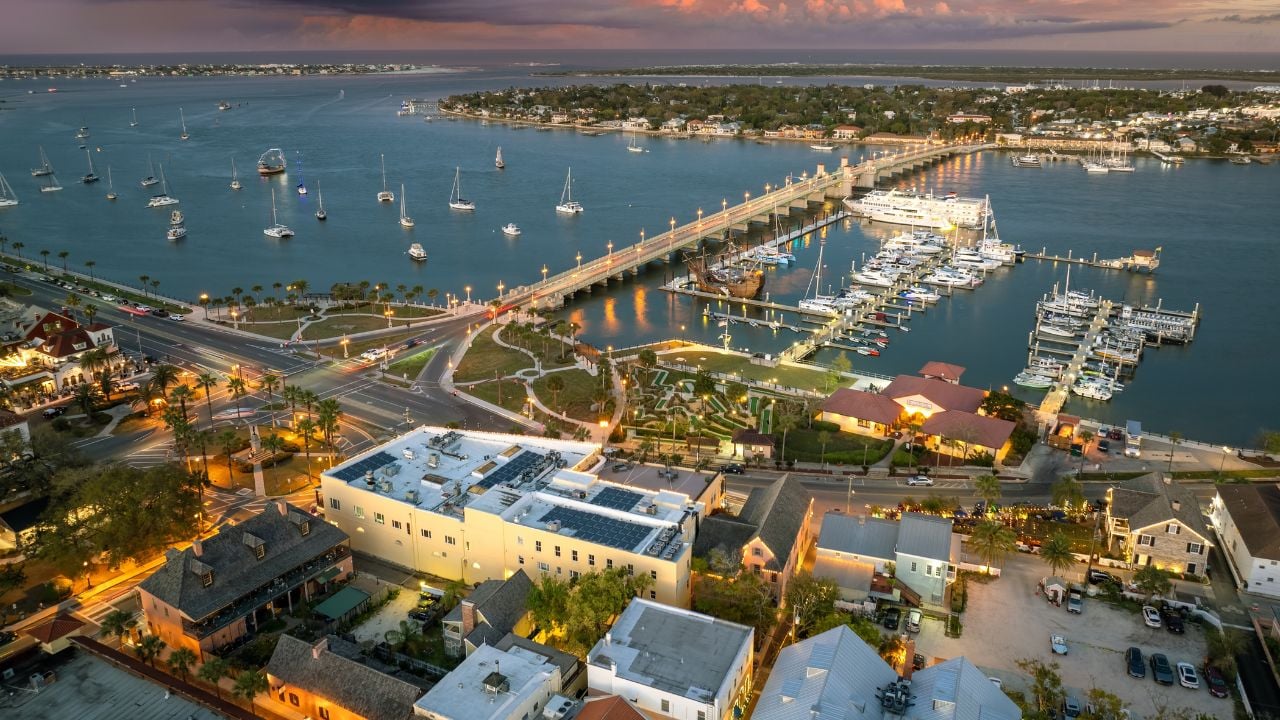
St. Augustine rounds out the list because not every European-feeling escape has to lean on Alpine or northern-village charm. Sometimes the overseas mood comes from age, stone, courtyards, and a street plan that feels older than the country around it. The official visitor site talks openly about the city’s European flavor, centuries-old buildings, horse-drawn carriages, brick-lined streets, and hidden courtyards. The city itself says St. Augustine was founded in 1565 and remains the oldest continuously occupied settlement of European and African-American origin in the United States. That gives it a very different kind of transportive power from the themed towns above.
The layout is what really gives the place force. The National Park Service says the St. Augustine Town Plan Historic District is the earliest extant example of a European planned community with the distinctive form of a 16th-century Spanish colonial town. That is why wandering here feels different from wandering almost anywhere else in America. Narrow streets, old plazas, stone buildings, balconies, and shaded corners give the city a mood that lands somewhere between a Florida getaway and a small Iberian daydream. For travelers after the version of “Europe without the flight” that feels sunlit, historic, and a little romantic, this is the one to book.