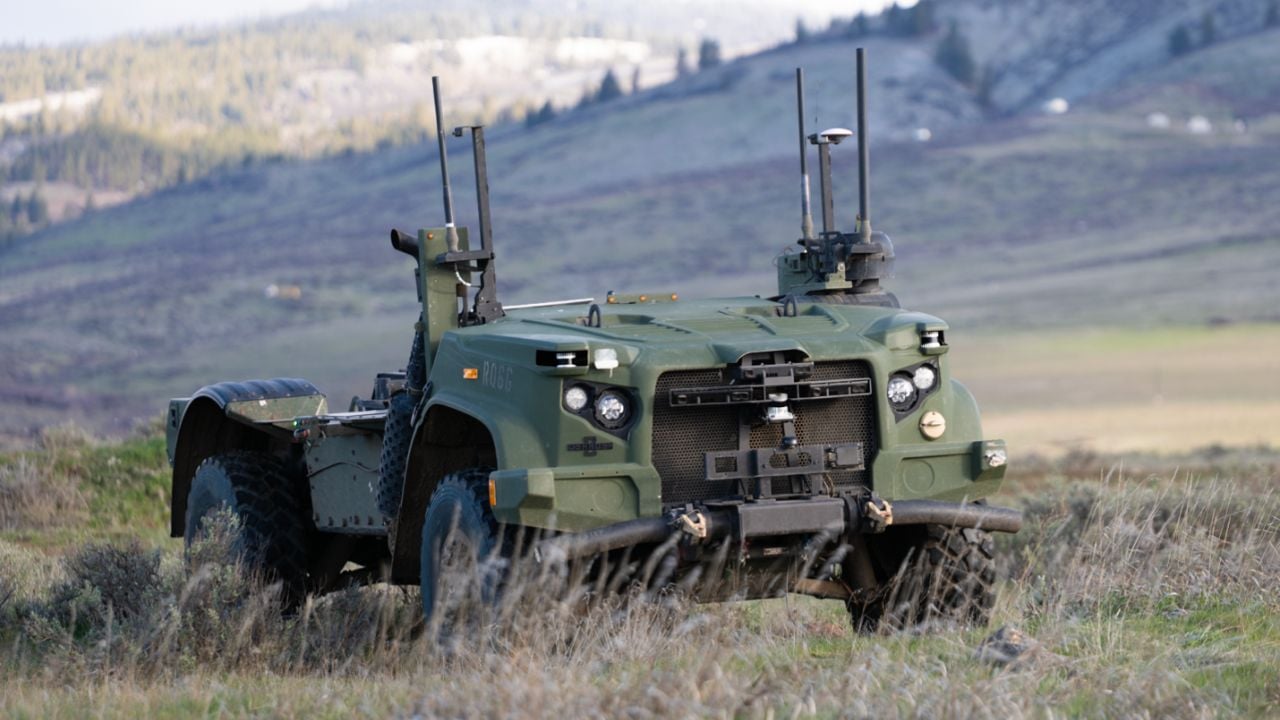

In April 2026, the U.S. Marine Corps tested something that looked like science fiction but is quickly becoming reality: a self-driving artillery vehicle.
Built on the ROGUE Fires platform, this machine can move, aim, and fire without human input, and the best part is that it can do all these even when GPS signals are jammed or communications are cut off.
The breakthrough came from Overland AI, whose engineers fused their OverDrive autonomy software with the SPARK sensor suite to create a robotic launcher designed to survive in the toughest combat conditions.
Traditionally, artillery crews must position and operate launchers close to the battlefield, inadvertently exposing themselves to danger. The ROGUE Fires system changes that equation.
By operating independently for hours and coordinating with human-driven vehicles, it reduces troop exposure at the point of engagement. In other words, machines take on the riskiest tasks while humans remain at safer distances. This could redefine how artillery units maneuver in contested environments.
Built for Denied Environments
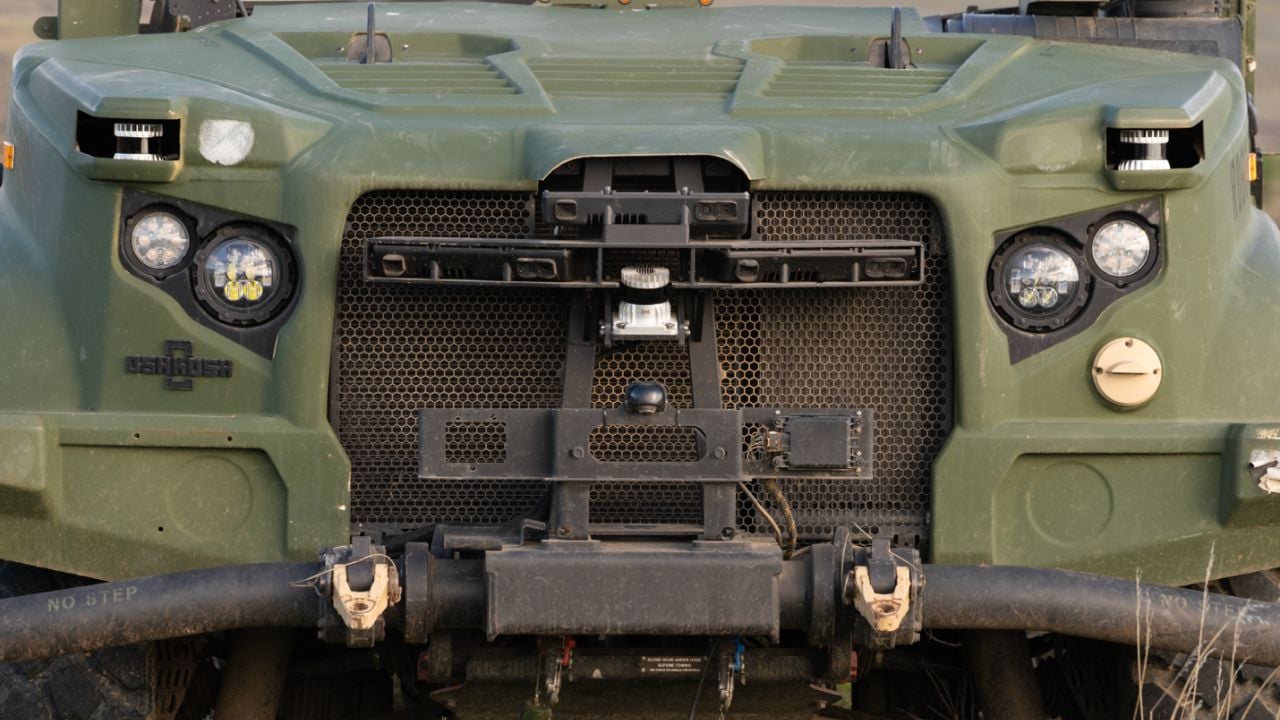
One of the most impressive aspects of the system is its ability to function when electronic warfare disrupts signals. Modern adversaries often jam GPS or radio links to cripple conventional systems.
Overland AI’s autonomy stack was designed specifically to overcome that challenge. The vehicle can navigate complex terrain without relying on external signals, giving it resilience in environments where traditional systems would fail.
The Marine Corps has long emphasized mobility and distributed operations, especially for island and littoral (coastal) warfare where logistics are stretched thin.
Adapting ROGUE Fires into a remotely operated ground unit capable of launching missiles or rockets let planners transform artillery from a static role into a flexible, unmanned strike capability.
This fits neatly into the Corps’ broader modernization push, which includes drones, autonomous vehicles, and AI-driven battlefield tools.
Teaming Humans and Machines
Importantly, the test wasn’t about replacing humans altogether.
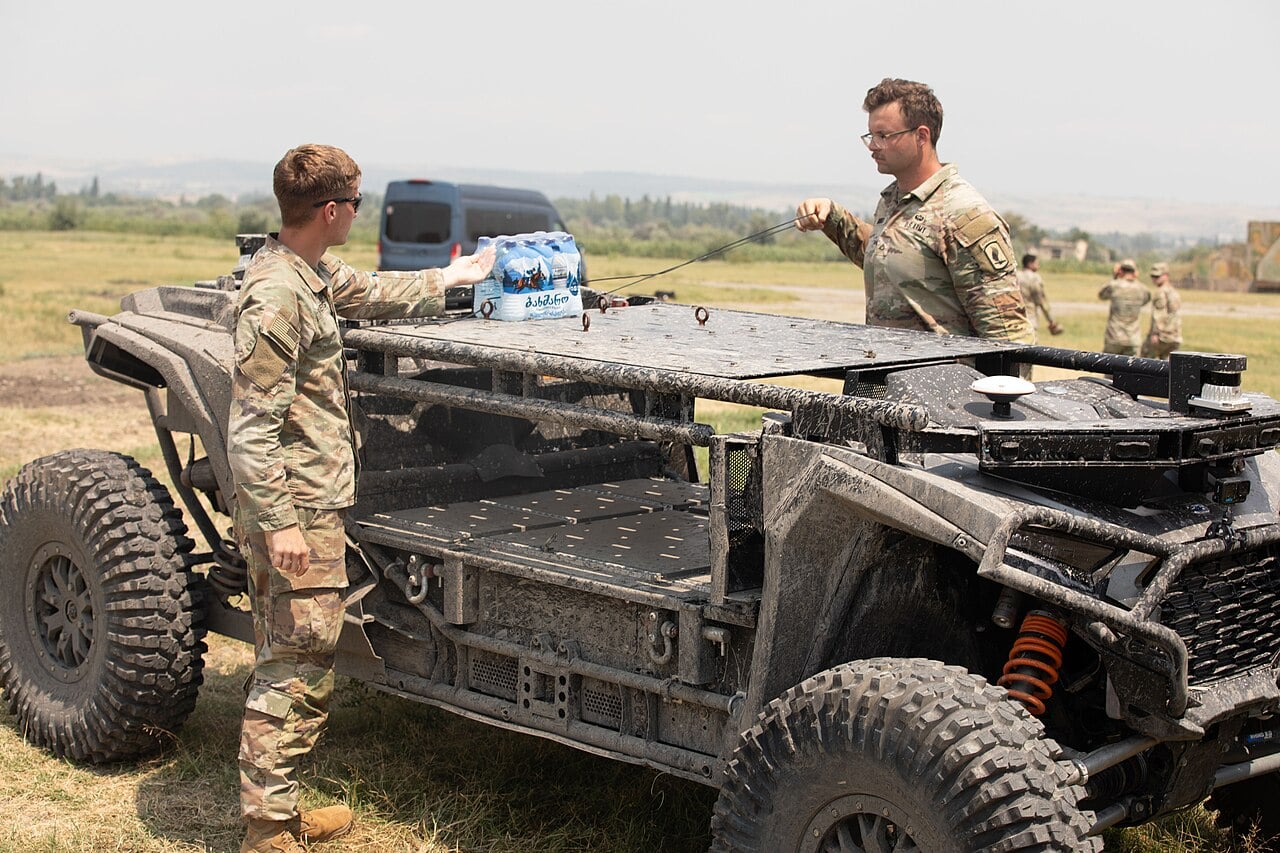
Operators validated “manned-unmanned teaming” concepts, where robotic systems extend the reach and awareness of human units.
During the demonstration, the autonomous launcher coordinated movements with other vehicles, showing how machines can complement rather than supplant human decision-making.
This dynamic raise new questions about command authority and trust: how much responsibility can safely be delegated to machines in high-pressure combat scenarios?
The system proved it could function deep inside weapons engagement zones, where human crews would be most vulnerable. By absorbing high-risk tasks, autonomous platforms add a new layer of survivability.
Defense analysts noted that the test showed sustained performance over several hours in mixed terrain. That proves autonomy is no longer confined to controlled environments but edging into real operational readiness.
Lessons from Civilian Tech
Interestingly, Overland AI’s approach mirrors developments in the civilian automotive world.
Just as self-driving cars must perceive, navigate, and make decisions in unpredictable conditions, the ROGUE Fires platform faces similar challenges—only with higher stakes.
Industry observers may see this crossover as proof that lessons from commercial mobility technology are directly shaping next-generation military systems.
Of course, scaling up won’t be simple.

Integrating autonomy across larger fleets requires robust software updates, cybersecurity protections, and interoperability with existing military systems.
Procurement officials are already considering new acquisition models, since platforms like ROGUE Fires demonstrate modular integration potential. Payloads, sensors, and mission roles could evolve without redesigning the entire vehicle—a shift that mirrors trends in software-defined cars.
A Glimpse of the Future
For battlefield planners, the demonstration offered a preview of “distributed lethality,” the ability to disperse firepower without concentrating personnel. This could reshape how forces operate across wide areas while maintaining striking capability.
It also signals a future where autonomous systems probe, strike, and survive in environments too dangerous or unpredictable for humans.
The April 2026 test can be correctly described as a doctrinal milestone. It showed that autonomy in combat vehicles is moving from experimental labs into real-world readiness.
Machines are beginning to take on frontline roles, absorbing risk while expanding human reach. For the Marine Corps, this aligns with a broader vision of distributed, resilient, and unmanned operations across air, land, and sea.
Sources: Defence Blog