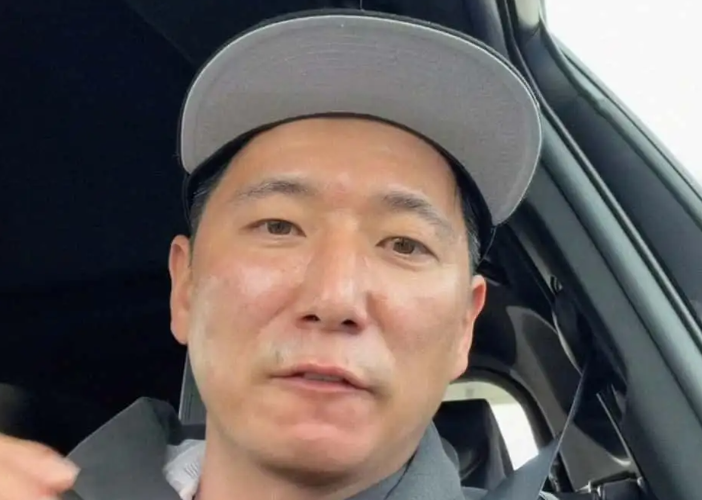
A Toyota owner walked into a routine service appointment and walked out suspicious. Then he pulled out his phone, drove to a second dealership, and let the internet watch the whole thing unfold.
A TikTok creator who goes by @letsgodotcom (who recently took down their account) posted a two-part series in early April that has since racked up tens of thousands of views, documenting what he believes was a coordinated attempt by a Toyota service advisor to sell him maintenance he either did not need or had already paid for at a previous appointment. His approach was simple: ask questions, take pictures when they say no, then go get a second opinion. What he found when he did that is worth paying attention to.
The story centers on two specific service recommendations he received at the first dealership: a brake fluid flush and an EFI throttle body service. Both were pitched as necessary based on his mileage. Both, he suspected, had either already been done or were not actually required at all. Rather than just paying and moving on, he decided to investigate.
What started as a short video about a confusing service appointment turned into something a lot of car owners clearly recognized. The comment section filled up with people who said they had been through the exact same thing, including at least one commenter who identified themselves as a dealership insider and called out the service advisor’s behavior directly. The whole episode became an unintentional tutorial on how dealership upsells work, and how to push back on them.
What the Dealership Told Him and Why It Did Not Add Up
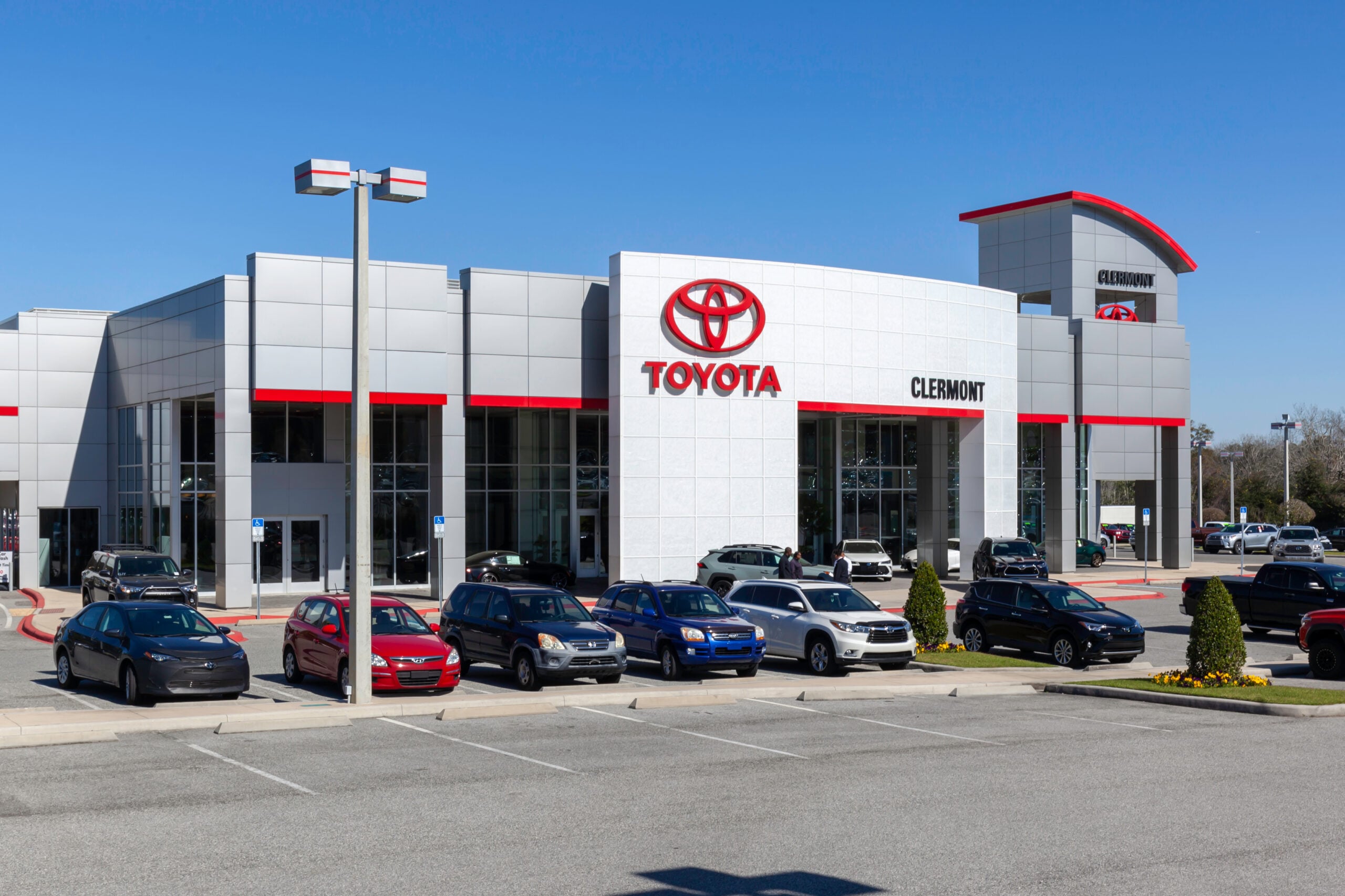
The service advisor at the first Toyota dealership recommended both services based on mileage, specifically because his car had crossed the 32,000-mile mark. The pitch was that these services typically happen around the 30,000-mile interval.
The problem: he had already had his 30,000-mile service done at a different Toyota dealership. So if those services were part of the standard 30k package, they should have already been completed. When he pointed this out, the advisor told him the technician had observed something during the inspection that prompted the recommendation. That explanation fell apart pretty quickly, because both brake fluid condition and throttle body carbon buildup cannot actually be confirmed visually during a standard multipoint inspection. You would need to remove parts to check either one properly.
When he asked for a written copy of the inspection findings so he could get a second opinion, the advisor refused to hand it over. He took a photo of it himself instead. She reportedly laughed. A commenter who claimed to work in the industry called that decision “wild” and said the advisor was completely in the wrong.
He Drove to a Second Toyota Dealer the Next Day
Rather than letting it go, @letsgodotcom showed up at a different Toyota dealership the following day. This location offered a complimentary video inspection, meaning their findings would be documented and verifiable. He recorded audio of the whole conversation.
The result was a clean sweep in his favor. The second dealer told him he did not need an oil change. He did not need a brake fluid flush. And on the EFI throttle body service? He did not need that either, and yes, it would have been something they checked during a standard multipoint inspection. Two Toyota dealerships, same brand, same car, same mileage, two completely different recommendations.
One commenter who identified as a technician was particularly blunt about the throttle body service, calling it something that cannot actually be visually confirmed without removing the intake. No technician doing a free multipoint inspection is going to do that kind of disassembly.
Is This Actually a Scam or Just How Service Departments Work?
The honest answer is that the truth sits somewhere in the middle, which is actually more important to understand than a clean villain narrative.
The brake fluid flush is a real service. Brake fluid absorbs moisture over time, which degrades its performance. It is a legitimate item on Toyota’s 30,000-mile maintenance schedule. If the first dealer did not have access to his previous service records, they might have recommended it in good faith, not knowing it had already been done. Or they recommended it knowing full well he had probably already paid for it somewhere else. Without documentation from their end, it is impossible to know which.
The EFI throttle body service is a different matter. It is not a factory-required maintenance item on Toyota’s official schedule. It is the kind of add-on that shops recommend at certain mileage intervals because customers often say yes without asking too many questions. It generates revenue. Critics in the comments and automotive circles more broadly have noted that this type of service falls into a gray zone where it might occasionally help a vehicle but is rarely actually necessary.
The Federal Trade Commission has long advised car owners to get written documentation before approving any unexpected service, compare it against their own maintenance history, and seek a second opinion on anything unfamiliar or expensive. @letsgodotcom essentially followed all three steps, even if he did not know he was following an FTC checklist.
What Every Car Owner Can Learn From This
The most important takeaway from this whole situation is not that dealerships are dishonest, though some certainly are. It is that the structure of how service advisors are paid creates a built-in conflict of interest. At most dealerships, service advisors earn commission based on the services they sell. That means every upsell recommendation they make also benefits them financially. That is not illegal. But it is a reason to ask more questions.
A few habits can go a long way at any service appointment. Keep a log of every service you have had done, including which shop did it and when. When a dealership recommends something, ask specifically whether it is on the manufacturer’s maintenance schedule or whether it is a shop-recommended interval. Ask to see the inspection documentation before you approve anything. And if a service you have already paid for gets recommended again, say so directly and ask them to look at your records.
The fact that @letsgodotcom simply took a photo when the advisor would not hand over the form, and then confirmed his suspicion at a second location, is a practical model for anyone who walks out of a service appointment feeling unsure. You do not have to be a mechanic to ask good questions. You just have to be willing to ask them.