
If you have ever felt a little uneasy buying a car online, congratulations, your instincts were onto something. A recent case out of North Carolina is making waves in the automotive world for all the wrong reasons. According to a report from AutoBlog, a buyer wired $77,300 for a Lexus GX 550, only to discover that the dealership he thought he was working with had absolutely no idea he existed. The lot was real. The car was real. The sale, however, was completely fabricated by a scammer who had cloned the dealer’s entire online presence.
This is not the kind of scam where someone sends a suspicious email with three typos and a link to “click here to claim your prize.” This was a sophisticated, week-long digital con. The fraudster maintained ongoing contact with the victim, provided documentation, sent photos, and kept the whole charade going long enough to collect a six-figure wire transfer. When the money cleared, the communication stopped instantly, because of course it did.
What makes this story particularly jarring is not just the dollar amount. It is how ordinary the whole experience felt to the victim. The website looked legitimate. The staff profiles were there. The inventory listings were detailed and convincing. AI tools now make it genuinely possible for a criminal with enough patience to build a replica dealership online that looks more polished than the real one. That is a deeply uncomfortable reality for anyone shopping for a vehicle remotely.
And here is the twist that makes this even harder to swallow: at a time when many buyers already feel nervous about whether they are getting a fair deal from a real dealership, scammers are weaponizing that anxiety. The pressure of finding a good deal in a high-price market pushes buyers to act quickly. Scammers know this. They build urgency into the process, and a rushed buyer is a vulnerable one.
How AI Is Raising the Bar for Car Buying Scams
There is a meaningful difference between the phishing scams of ten years ago and what is happening now. Old-school fraud relied on volume. Send enough fake emails and someone will bite. Modern AI-assisted scams are about quality. Instead of casting a wide net, fraudsters now build targeted, believable replicas of specific businesses.
In this case, experts say these kinds of dealership cloning scams are showing up multiple times per week across the country. The playbook typically involves copying a real dealer’s branding, building a fake but professional-looking website, populating it with inventory, and even generating fake reviews to pad out credibility. The result is something that can fool even skeptical, cautious buyers who think they are doing their homework.
What Lessons Can We Take From This Incident
The North Carolina case is essentially a masterclass in what not to do, and more importantly, it reveals where our assumptions about online safety are failing us.
First, a slick website is no longer proof of legitimacy. That used to be a decent filter. If the website looked professional, it was probably real. That shortcut is gone. AI can generate convincing web copy, realistic staff photos, and polished design in hours.
Second, smooth communication can actually be a warning sign now. If every response comes quickly, professionally, and without any friction, that is worth pausing on. Real dealerships have busy humans working in them. A scammer running an AI chatbot has all the time in the world to be perfectly responsive.
Third, wire transfers should set off every alarm bell you have. Legitimate dealers accept traceable, reversible payment methods. Anyone pushing hard for a wire transfer is someone you should walk away from immediately.
The broader lesson here is that skepticism has become a necessary part of the car buying process, not rudeness. Slowing down when a deal feels too easy is not paranoia. It is just smart shopping in 2025.
Real Dealerships Are Collateral Damage Too
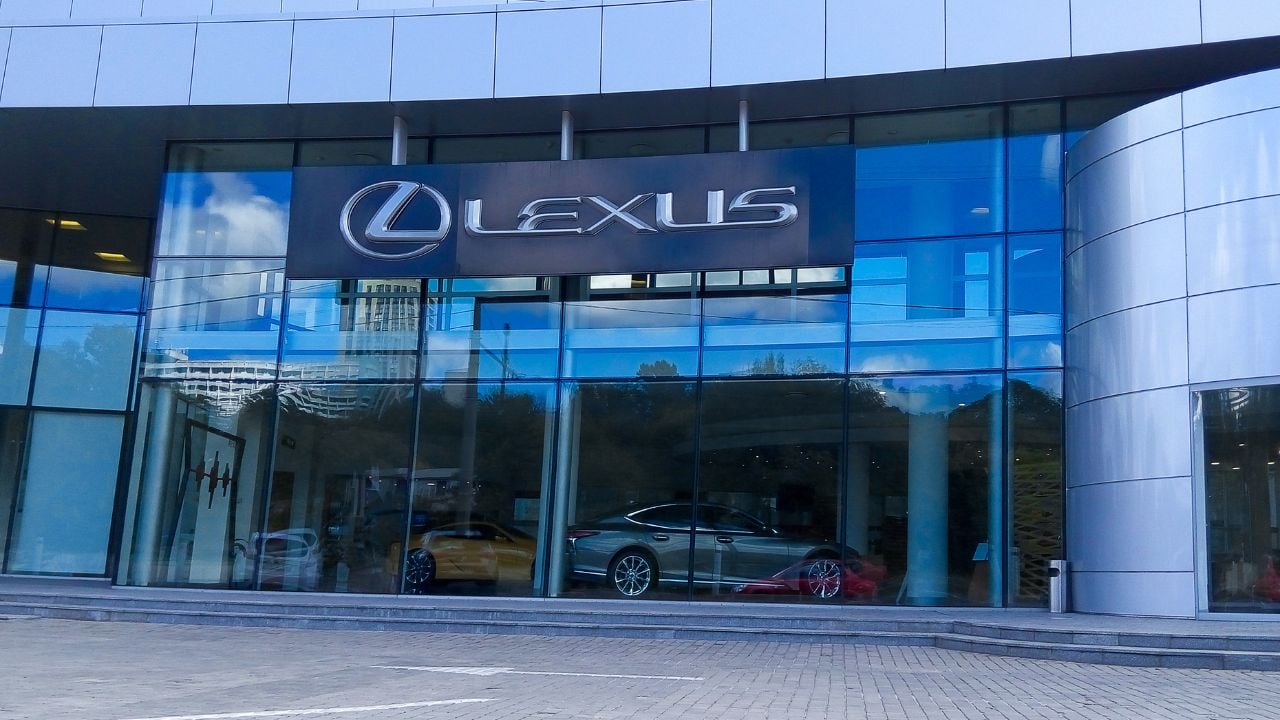
Lost in the headlines about victimized buyers is a quieter story about the real dealerships being impersonated. These businesses wake up to find negative reviews for transactions they never processed, angry customers demanding refunds for deals they had no part in, and a cloud of suspicion hanging over their reputation.
Most dealerships simply do not have the legal or financial resources to compensate victims of crimes they did not commit. In rare cases, a dealer will step up to help a defrauded buyer out of goodwill, and those stories get shared widely because they are genuinely touching. But they are the exception. The average business hit by one of these cloning scams is left to do damage control while the actual criminal is long gone.
Why In-Person Car Buying Still Has a Real Advantage
There is something almost refreshing about the fact that recent surveys continue to show many buyers still prefer purchasing a vehicle in person. After a story like this, that preference makes complete sense.
Walking into a physical dealership means you can verify that it exists, that the car is sitting on the lot, and that the person you are talking to has a face and a name badge. None of those things can be faked in person. Digital channels, for all their convenience, now come with a layer of risk that a handshake and a test drive simply do not.
If you are in the market for a vehicle and leaning toward an online or remote purchase, the safest move is to independently verify everything. Look up the dealership’s phone number from a trusted source like Google Maps or the manufacturer’s official dealer locator, not from the website you are already on. If something feels frictionless, professional, and almost too good to be true, it might be worth making one more phone call before you wire a single dollar.