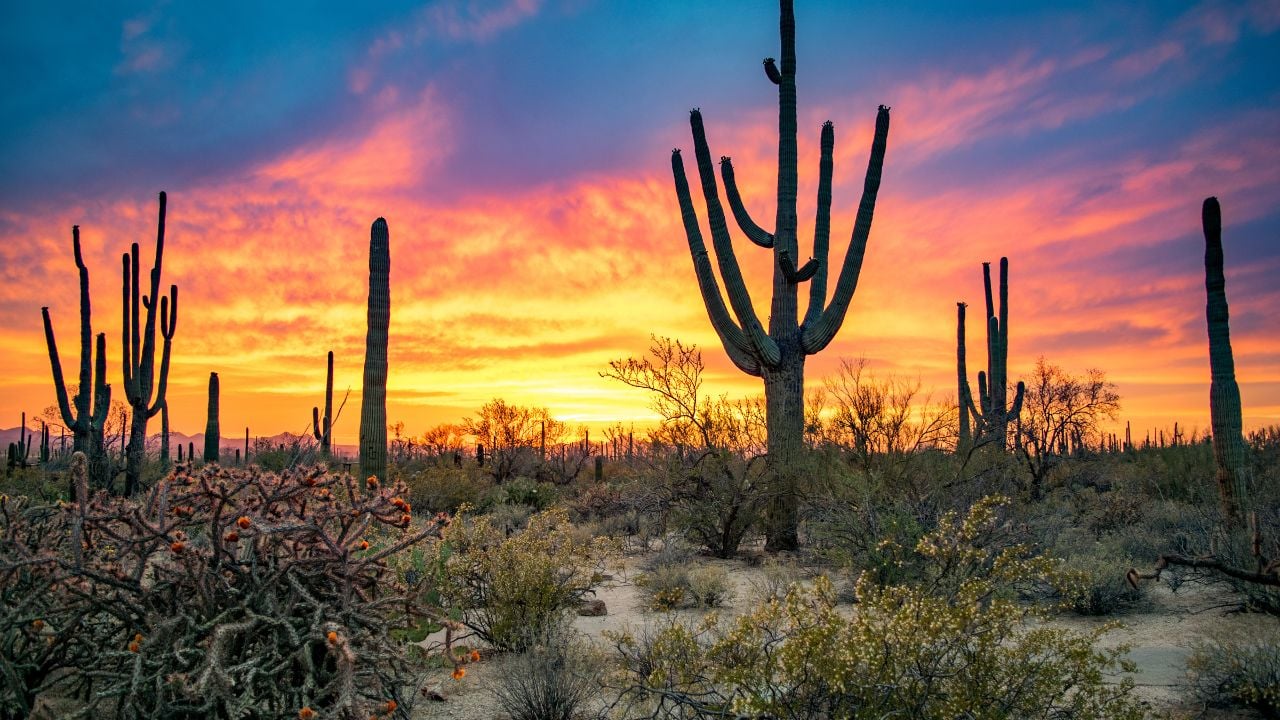
Tucson has a way of changing people’s minds about desert country. At first glance, the setting can seem spare, sunbaked, and severe. Stay a little longer, though, and subtler pleasures start to surface: towering saguaros catching the late light, mountain roads rising toward pine forest, old mission walls glowing against open land, and meals shaped by ingredients with deep regional roots.
Tucson’s official visitor material leans into that exact blend of nature, culture, and food, which helps explain why the city lands so well with travelers who want something vivid without feeling overbuilt.
The magic is not tied to one blockbuster stop. It comes from moving between strikingly different environments in a short span of time, sometimes in a single day.
You can begin among giant cacti, head uphill into cooler air and higher elevation, wander past one of the Southwest’s most memorable historic churches, then finish with a meal that reminds you Tucson was the first U.S. city designated a UNESCO Creative City of Gastronomy.
That range gives the region emotional depth, and it is a big reason so many visitors leave more attached than they expected.
1. Saguaro National Park Shows Why the Sonoran Desert Feels Almost Cinematic
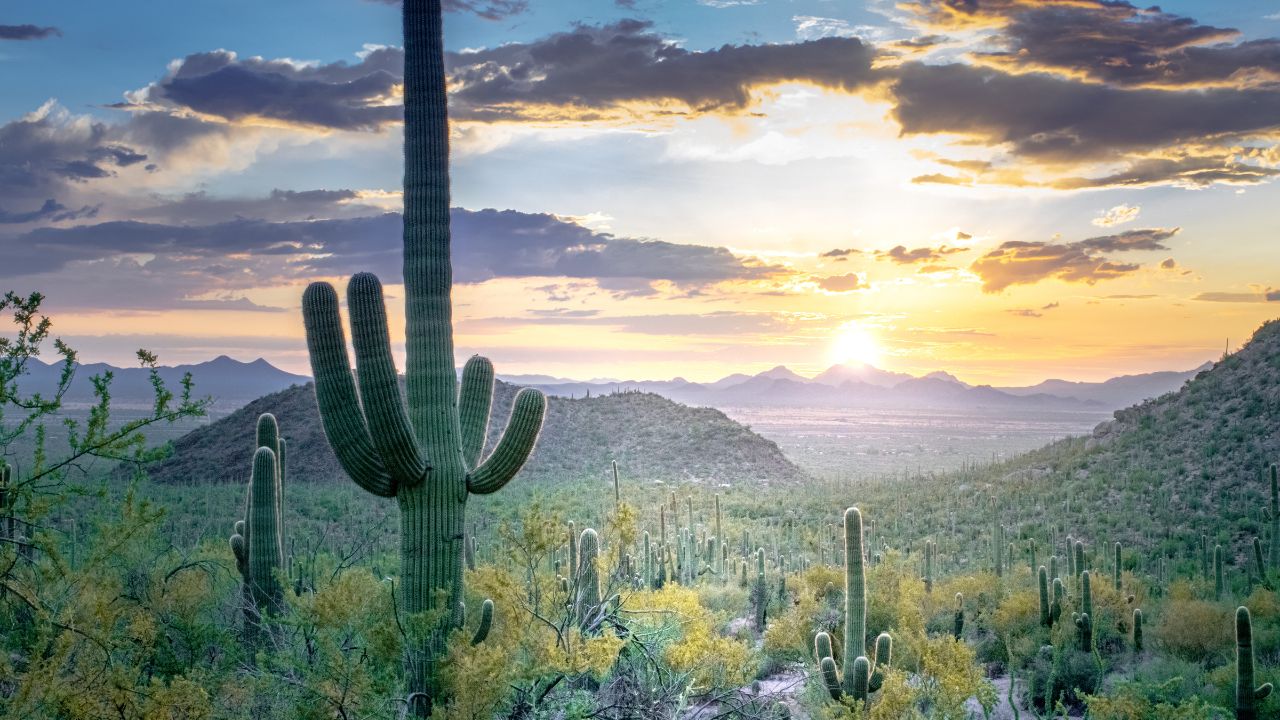
The fastest way to understand Tucson is to stand near a mature saguaro and realize how much presence one plant can have. Saguaro National Park protects the cactus that defines this part of Arizona, and the National Park Service notes that these Sonoran Desert giants can live well over 150 years, with some believed to top 200. That kind of lifespan changes the mood of the terrain.
Instead of reading as empty, the landscape starts to seem ancient, patient, and quietly monumental. The park is also wonderfully easy for visitors to appreciate, with scenic drives, short trails, and broad views that do not turn the outing into a punishing test of endurance.
Morning light softens the terrain, while evening gives the cactus forest a warm amber glow that makes even a casual stop linger in memory. Once that visual rhythm clicks, it becomes much easier to see why people form such a strong attachment to Tucson’s surroundings.
2. The Arizona-Sonora Desert Museum Makes the Region Feel Alive, Not Distant
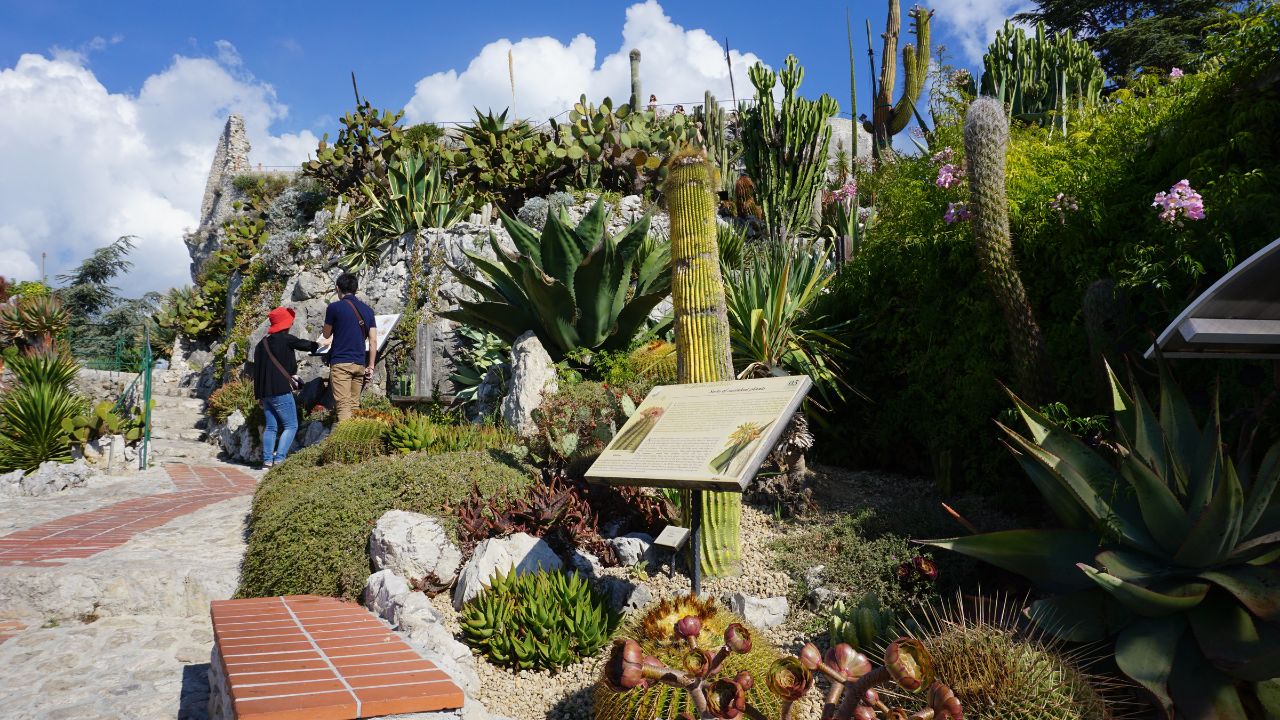
Many first-time visitors arrive with a flat idea of desert country, and the Arizona-Sonora Desert Museum is one of the best places to undo that. The museum describes itself as a fusion experience combining a zoo, botanical garden, art gallery, natural history museum, and aquarium. That unusual setup matters because it presents the Sonoran Desert as a connected ecosystem rather than a harsh backdrop with a few cacti scattered across it.
Suddenly the region looks layered, animated, and full of detail. The museum also pairs especially well with the scenic western side of town, so the day keeps a strong sense of place from start to finish.
For many visitors, this is the stop that turns admiration into curiosity. Once that happens, Tucson often stops feeling like a desert city and starts feeling like a desert region with real depth.
3. Sabino Canyon Adds Water, Elevation, and a Softer Side of the Region
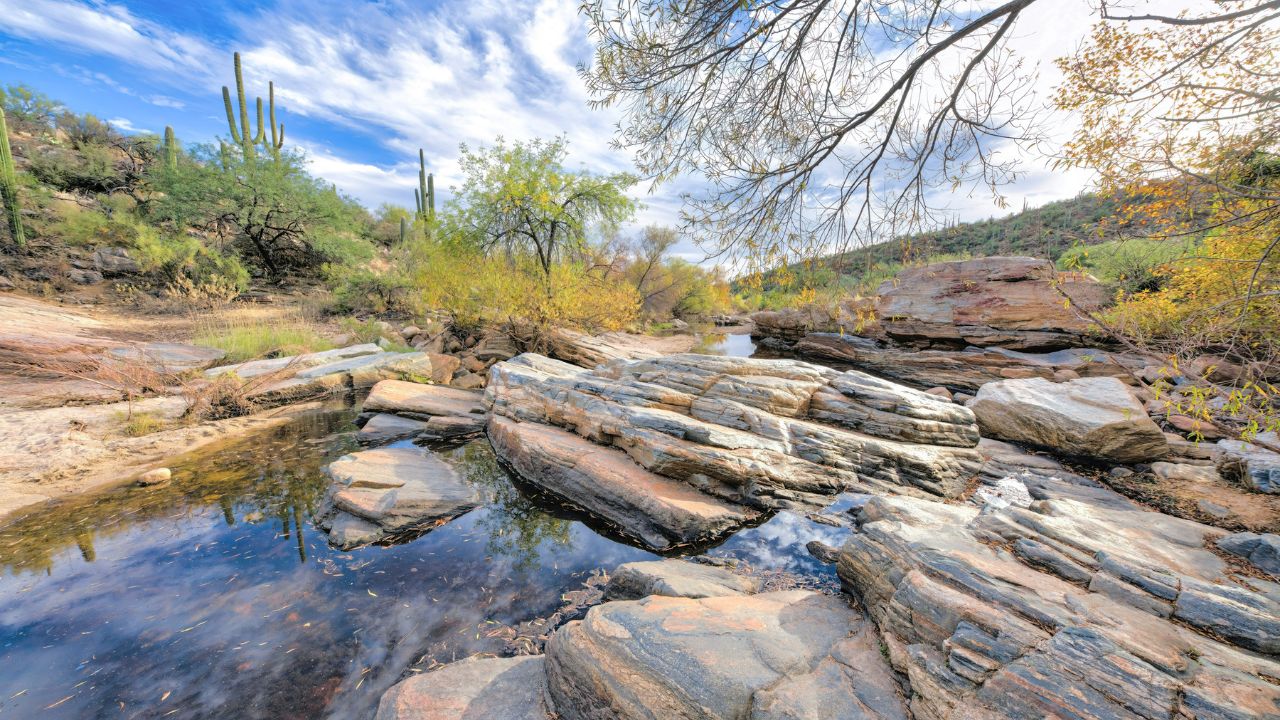
Tucson’s desert identity can make first-time visitors forget that the area also has canyons, mountain access, and pockets of greener scenery. Visit Arizona describes Sabino Canyon as a popular gateway to outdoor adventures in the Santa Catalina Mountains, and the Coronado National Forest calls it one of the premier natural areas in southern Arizona. That shift in texture helps Tucson seem more dynamic than the usual desert stereotypes suggest.
The appeal here is not only visual. Sabino Canyon gives travelers room to choose their own pace, whether that means a light outing with photographs and short walks or something more active beneath steep mountain walls.
In a destination already rich with big skies and cactus-studded views, this setting introduces shade, seasonal water, and a cooler edge. That variety keeps the broader Tucson experience from becoming one-note and often leaves people with a deeper appreciation for how diverse the Sonoran landscape really is.
4. Mount Lemmon Makes the Desert-To-Forest Transition Feel Almost Unreal
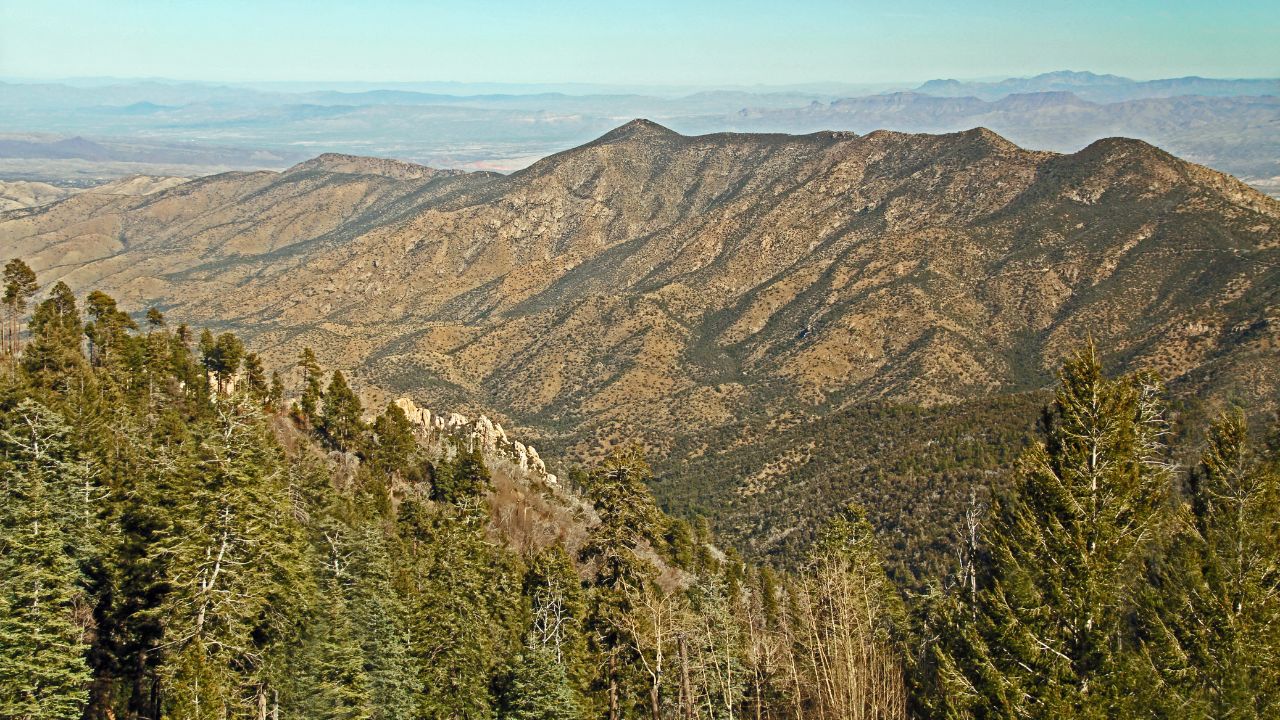
One of Tucson’s great surprises is how quickly it can change character. Visit Arizona says Mount Lemmon rises to more than 9,000 feet, and the 26-mile Sky Island Scenic Byway takes travelers from the city’s desert setting into a much cooler mountain retreat. Few outings make the region feel as surprising as a drive that begins among saguaros and ends near pines and high-elevation views.
That elevation swing is a huge part of the magic. Tucson stops looking like a single environment and starts reading as several landscapes stacked into one destination.
The experience grows even stronger after sunset for anyone drawn to the night sky. Visit Tucson describes the Mt. Lemmon SkyCenter as Tucson’s top stargazing destination, while the SkyCenter’s own visitor page says its Schulman 32-inch telescope is the largest dedicated public telescope in the Southwest.
5. Tucson’s Food Scene Proves the Desert Has a Deep Flavor Memory

Desert love stories do not always begin outdoors. Sometimes they start at the table. Visit Tucson’s City of Gastronomy page says UNESCO recognized Tucson in 2015 for its agricultural roots, cultural diversity, and unusually deep food traditions. That means a meal here can feel anchored in place rather than designed only for visitors.
You can sense that local character in relaxed, lively settings, including places like Mercado San Agustín, where an open-air courtyard is lined with locally owned shops and eateries. The result is a dining culture that adds warmth and personality to the city without sanding off its regional identity.
After a few days of desert views, mountain drives, and neighborhood meals, Tucson begins to feel less like a stop on a map and more like a place with its own pulse. That is usually when people realize they have fallen for it.