Electric vehicles were once seen as futuristic status symbols aimed at tech enthusiasts and early adopters. Early EV culture revolved around Silicon Valley startups, rapid acceleration figures, massive touchscreen displays, and the idea that owning an electric car meant embracing the future before everyone else.
That image has changed dramatically. According to new market research from Grand View Research, today’s EV buyers are increasingly gravitating toward practical, conventional vehicles rather than flashy performance machines or experimental designs.
The global EV market is now being driven primarily by mainstream passenger cars and compact crossovers with modest performance, reasonable range, and everyday usability. In other words, the same kinds of vehicles that dominate the broader automotive market are now dominating the EV space as well.
For enthusiasts, that shift may sound disappointing. For automakers and investors, however, it is probably the strongest possible sign that electric vehicles are becoming fully mainstream products instead of niche technology experiments.
Practical EVs Are Winning The Market
Grand View Research analyzed global EV sales across North America, Europe, Latin America, the Middle East, and Asia-Pacific markets throughout 2025. The findings showed that buyers overwhelmingly favored mid-range, practical EVs instead of ultra-high-performance models.
According to the study, most electric vehicles sold globally had top speeds between 100 and 125 mph. The most common driving range fell between 150 and 300 kilometers, or roughly 93 to 186 miles.
Passenger vehicles represented nearly 58% of the global EV market overall, while personal-use vehicles accounted for more than three-quarters of the industry’s estimated $1.1 trillion value. Most vehicles sold also used battery packs between 50 and 100 kWh.
In simple terms, buyers appear far more interested in affordability, usability, and efficiency than outright speed or exotic engineering.
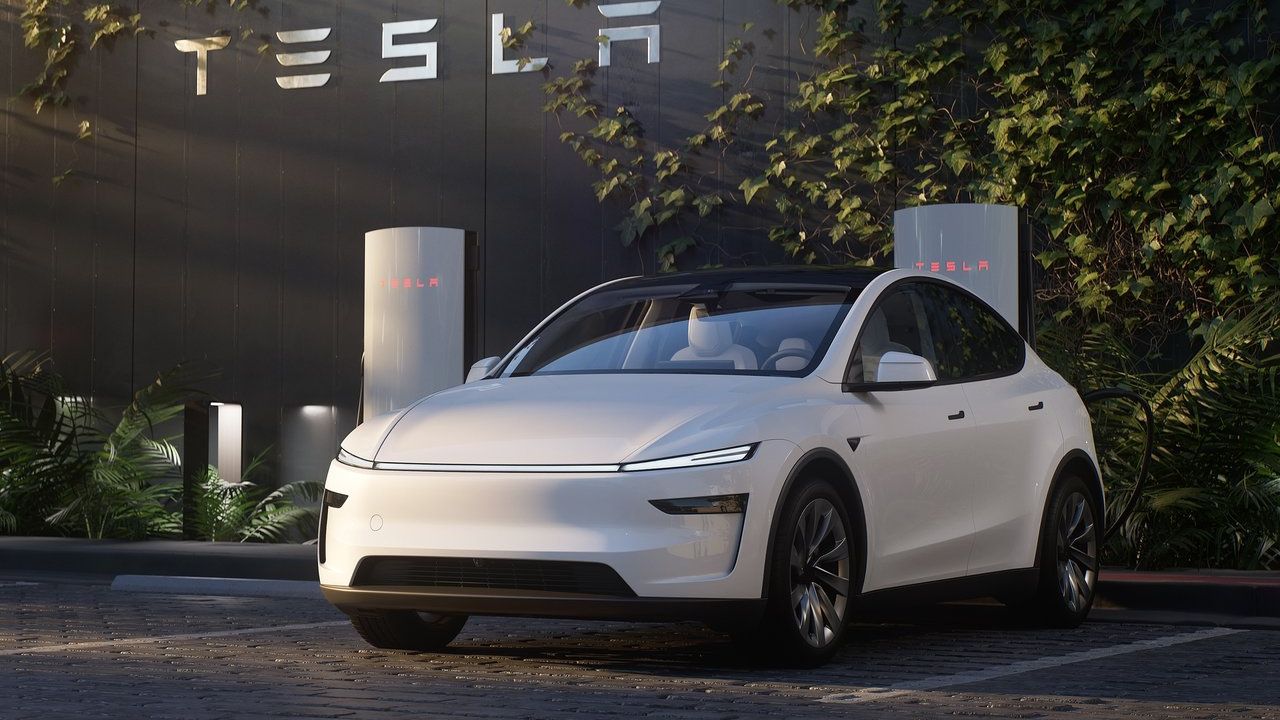
The trend becomes even more obvious when looking at the best-selling EVs in the United States. Models such as the Tesla Model Y, Chevrolet Equinox EV, Ford Mustang Mach-E, Hyundai Ioniq 5, and Honda Prologue dominate sales charts, with compact crossovers proving especially popular.
The EV Market Looks Increasingly Normal
One of the more interesting takeaways from the research is how ordinary the EV market now appears compared to just a few years ago. Earlier EV adoption was fueled heavily by luxury vehicles and high-tech halo products that attracted attention through innovation and performance.
Back in 2021, top-selling EVs included vehicles such as the Porsche Taycan, Audi e-tron, and Tesla Model S. Those models helped establish EVs as desirable premium products and technological showcases.
Fast-forward to 2025, and the market looks much closer to the traditional automotive landscape. Crossovers dominate sales, sedans still perform well, and practical family transportation has become the primary focus.
Even the Tesla Model Y’s continued dominance reflects this trend. Despite its advanced technology and strong acceleration, buyers increasingly treat it as a practical everyday crossover rather than a futuristic novelty.
The Chevrolet Equinox EV provides another clear example. While it lacks the drama of vehicles like the Tesla Cybertruck or Dodge Charger Daytona EV, it massively outsold some of those more attention-grabbing models during recent sales periods.
Mainstream Buyers Prioritize Different Things

For enthusiasts, conversations about cars often revolve around horsepower, acceleration times, Nürburgring lap records, or top speed figures. Most mainstream consumers simply do not prioritize those things when shopping for transportation.
Busy families, commuters, and first-time buyers care far more about affordability, reliability, charging convenience, cargo space, and operating costs. As EVs move deeper into the mainstream, those practical concerns naturally begin outweighing excitement or novelty.
The study also highlights how regional differences influence expectations. In the United States, buyers generally prefer EVs with significantly longer range because of sprawling highway systems and longer travel distances.
Meanwhile, buyers in parts of Europe and Asia may find shorter-range EVs perfectly acceptable for urban commuting and daily use. That helps explain why global average range figures appear lower than many American consumers might expect.
Boring May Actually Mean EVs Have Succeeded
Ironically, the fact that EVs are becoming “boring” could be the biggest sign the technology has matured successfully. Nearly every major consumer technology follows a similar pattern.
Early adopters initially embrace exciting, expensive, or experimental products before manufacturers gradually refine them into simpler, more affordable mainstream tools. Smartphones, gaming consoles, and even home appliances all followed similar trajectories.
Electric vehicles now appear to be entering that stage. Buyers no longer need EVs to feel revolutionary or futuristic. They simply want them to work well in everyday life.
That transition may frustrate some enthusiasts who miss the era when EVs felt more experimental and unpredictable. Yet from an industry perspective, mainstream acceptance is exactly what automakers have been chasing all along.
The average consumer does not necessarily want the fastest or most exciting electric vehicle. Most people simply want a dependable crossover that quietly gets them to work, school, or the grocery store without drama. Increasingly, that is exactly what the EV market is delivering.