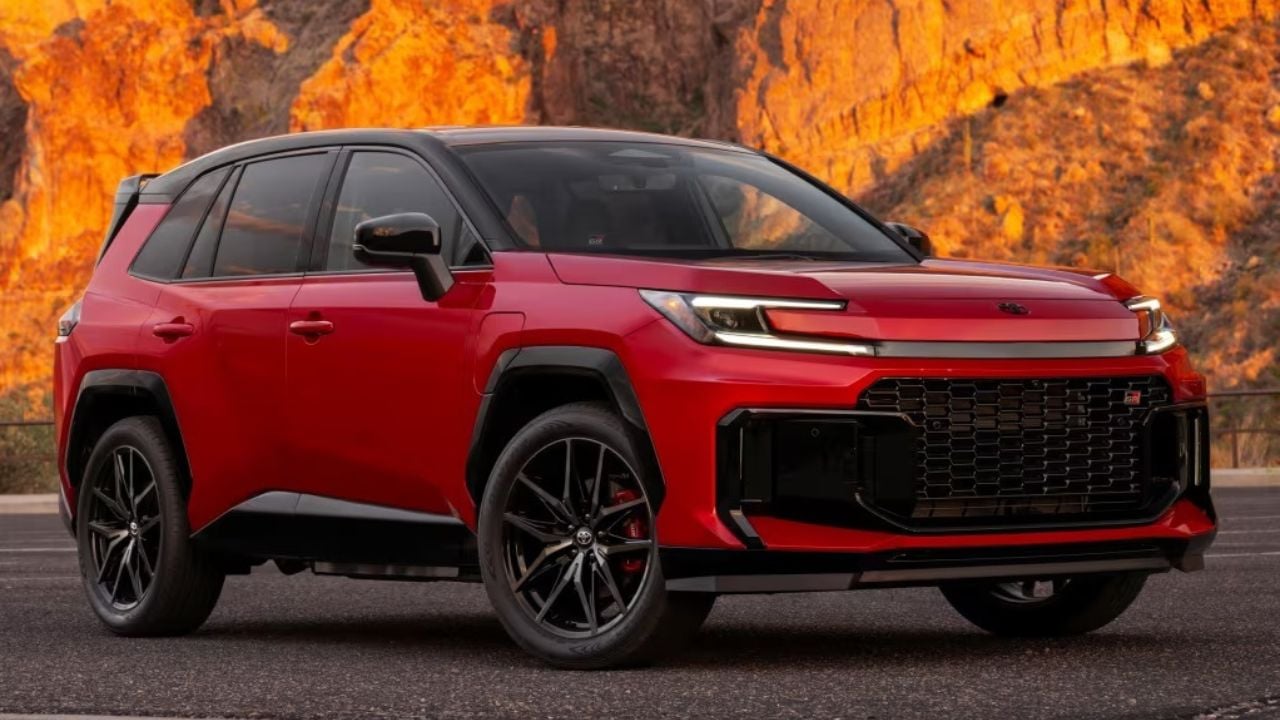
Toyota’s new chief executive is taking a close look at how the world’s largest automaker operates, and one area already drawing attention is the company’s massive product lineup. According to CEO Kenta Kon, the growing complexity of Toyota’s vehicles and their countless variations may be creating unnecessary costs across the business.
The comments come at a critical time for Toyota. While the company remains highly profitable, earnings have been trending downward, and management is searching for ways to improve efficiency without sacrificing the quality and reputation that helped Toyota become a global powerhouse.
Kon officially joined Toyota’s board during the company’s annual shareholder meeting and has spent his first months in the role visiting facilities and reviewing operations. He says those visits have revealed processes and activities that may no longer add meaningful value to the company.
That has led to a broader examination of Toyota’s product strategy. While no specific cuts have been announced, Kon’s remarks suggest that simplifying the lineup could become an important part of Toyota’s long-term plan.
Falling Profits Spark a Search for Efficiency
Toyota reported that its profits fell by roughly $5.9 billion between 2024 and 2025. The decline marked the second consecutive year of lower earnings, and forecasts suggest profits could fall by another 20 percent during the current fiscal year.
As a result, executives are looking for areas where costs can be reduced without weakening the company’s competitive position. Kon said his review of Toyota’s operations uncovered examples of inefficiency and work that may no longer contribute directly to creating value.
The new CEO believes the company needs to examine those areas carefully. While Toyota remains financially strong compared with many rivals, management appears determined to prevent declining profitability from becoming a longer-term issue.
The Challenge of Managing a Massive Lineup
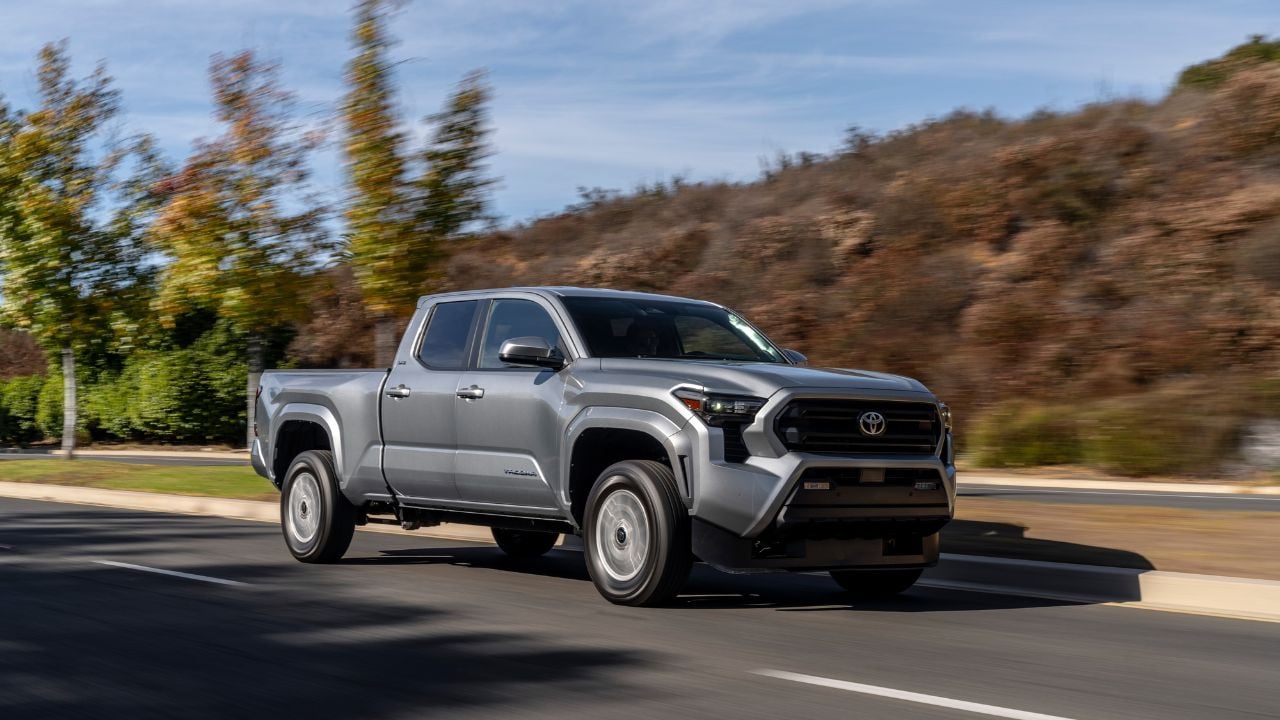
Toyota’s scale makes the challenge particularly complex. The automaker sells vehicles across nearly every major segment, ranging from compact hatchbacks and family sedans to pickup trucks, luxury SUVs, sports cars, and commercial vehicles.
In the United States alone, Toyota offers more than 30 models when hybrid and gasoline variants are counted separately. Adding the Lexus lineup increases that figure even further, while Toyota’s global portfolio stretches well beyond 100 vehicles when brands such as Daihatsu and Hino are included.
Kon, however, appears less concerned about the number of nameplates themselves and more focused on the growing number of specifications, configurations, and trim variations attached to each vehicle. According to the CEO, that complexity can drive development and production costs significantly higher.
Variants May Be the Real Target
At this stage, Toyota has not indicated which products could be affected. The company has not suggested that entire vehicle lines are facing elimination, nor has it outlined a timetable for potential changes.
Instead, the most likely scenario may involve reducing the number of engines, drivetrains, or trim levels available on certain models. Many Toyota vehicles are offered with multiple powertrains, appearance packages, and equipment combinations depending on the market.
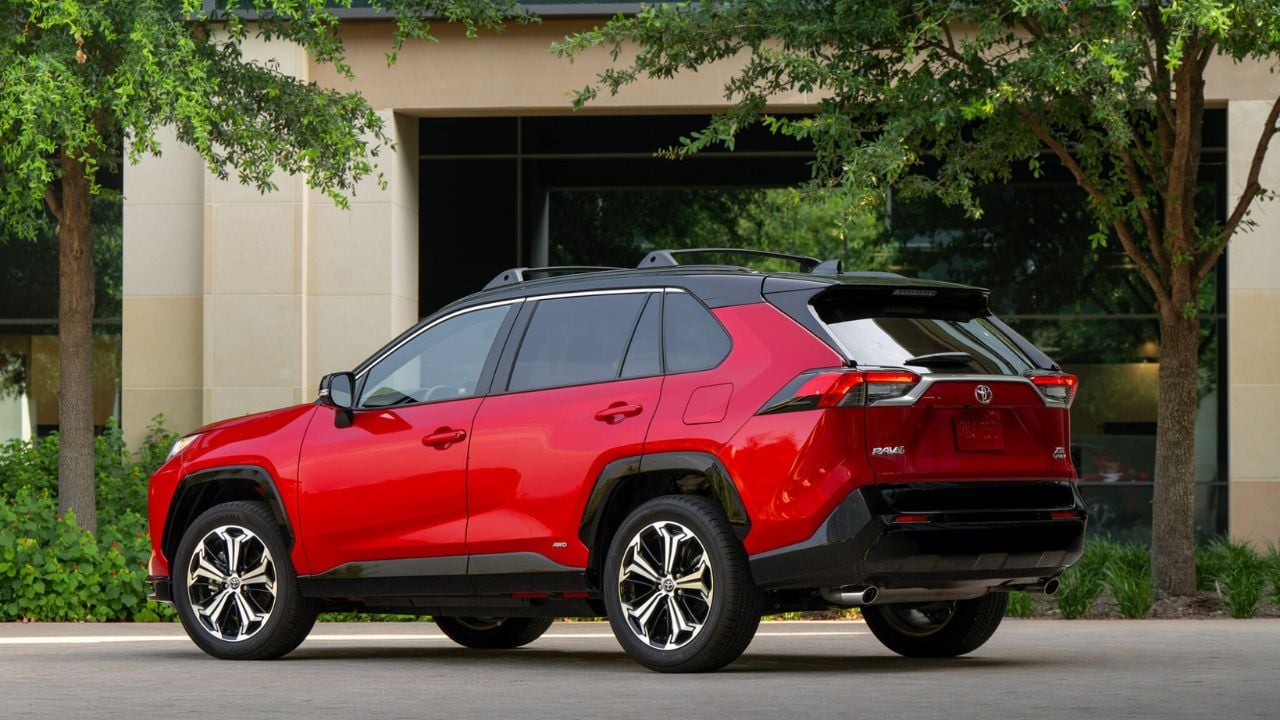
The RAV4 provides a good example of how the company has already started moving in this direction. Previous generations were available with a wide range of engines and drivetrain combinations globally, while newer versions have already consolidated some of those options.
A similar approach could eventually be applied across other parts of the lineup. Fewer configurations would simplify manufacturing and development while potentially lowering costs throughout the supply chain.
Balancing Efficiency With Toyota’s Identity
The prospect of reducing model complexity creates an interesting challenge for Toyota. Earlier this year, Kon emphasized the importance of building “ever-better cars” and expanding the number of people capable of developing great vehicles within the company.
Toyota is also planning to spend approximately $10 billion on research and development this year, setting a new record for the automaker. That commitment highlights the company’s intention to continue investing heavily in future products and technologies.
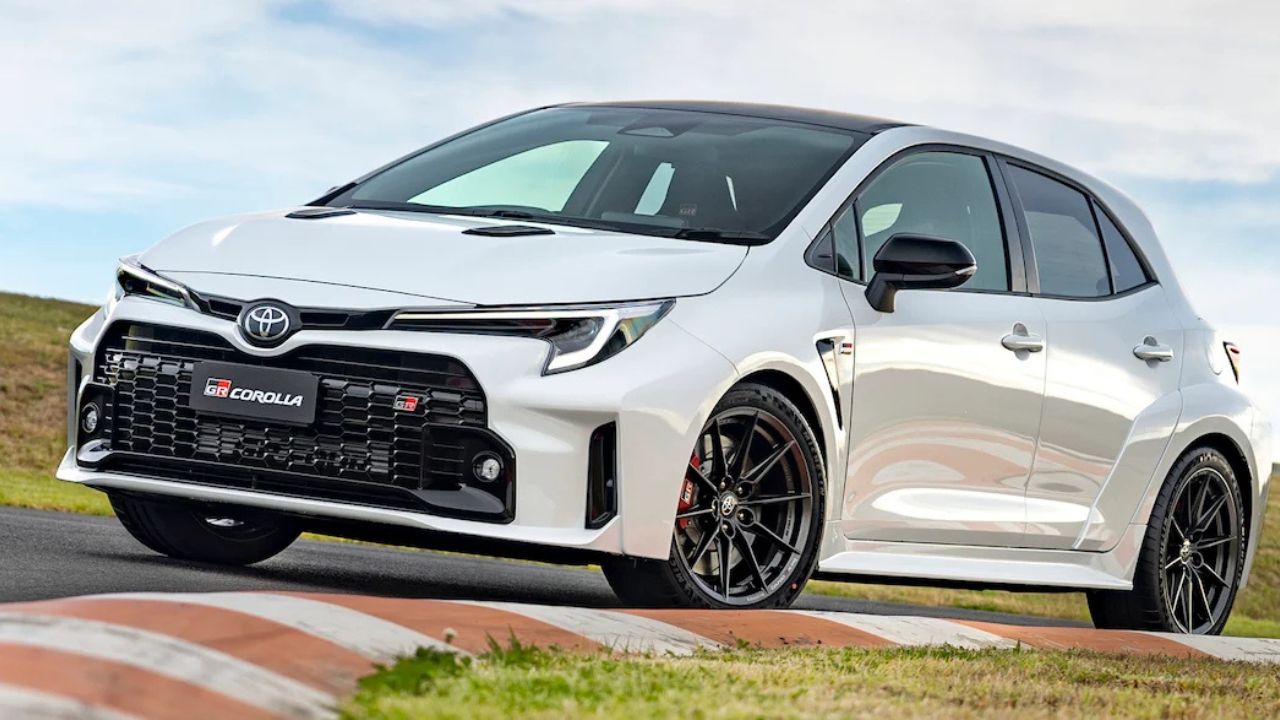
Enthusiasts may worry that cost-cutting efforts could threaten niche performance models such as the GR Corolla, GR Supra, or GR86. However, Toyota chairman Akio Toyoda remains a strong supporter of enthusiast-focused vehicles, making major cuts to the Gazoo Racing lineup appear unlikely.
For now, Kon’s comments seem aimed at reducing unnecessary complexity rather than shrinking Toyota’s overall presence in the market. Any changes would likely take years to reach showrooms, but they could help Toyota streamline operations while preserving the broad product range that has become one of its greatest strengths.