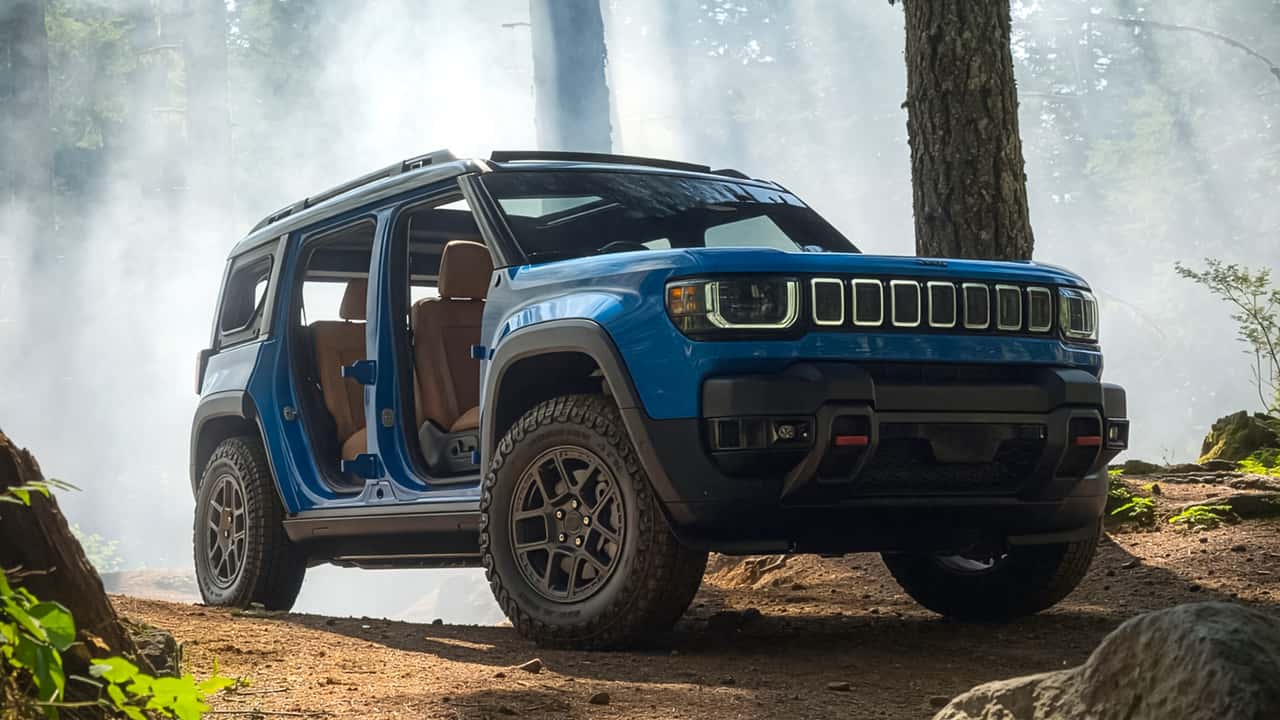
The Jeep Recon has been one of the most anticipated electric SUVs since it was first revealed several years ago. Positioned as an all-electric alternative to the Wrangler, it promises to bring Jeep’s off-road heritage into a rapidly changing automotive landscape.
On the surface, the formula appears to be exactly what enthusiasts have been asking for. The Recon combines rugged styling, removable doors, serious trail hardware, and enough horsepower to rival many modern performance vehicles.
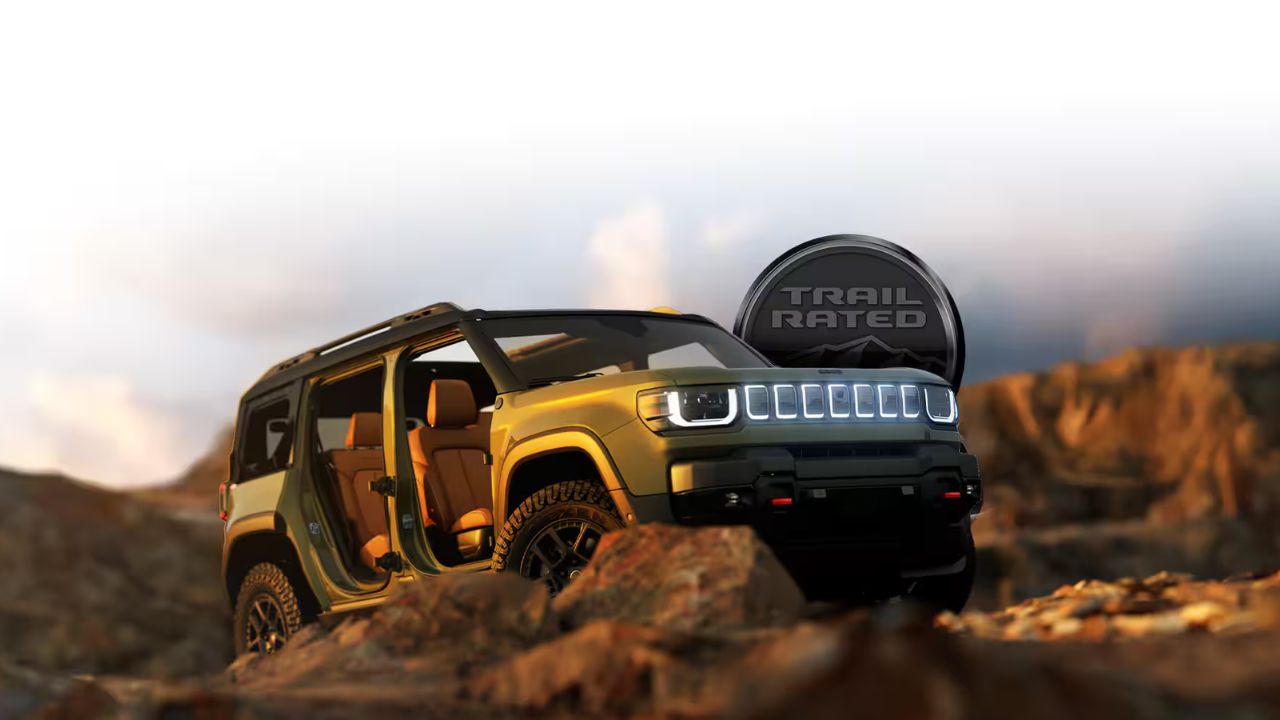
Jeep has also worked hard to ensure the Recon feels like a genuine member of the family rather than just another electric crossover. Features such as a locking rear differential, disconnecting front axle, and open-air driving options help preserve the brand’s identity.
Yet as the first official EPA figures arrive, attention has shifted away from the SUV’s impressive capabilities. The Recon has the looks, the power, and the hardware, but one critical number could become its biggest challenge.
A Proper Jeep In An Electric World
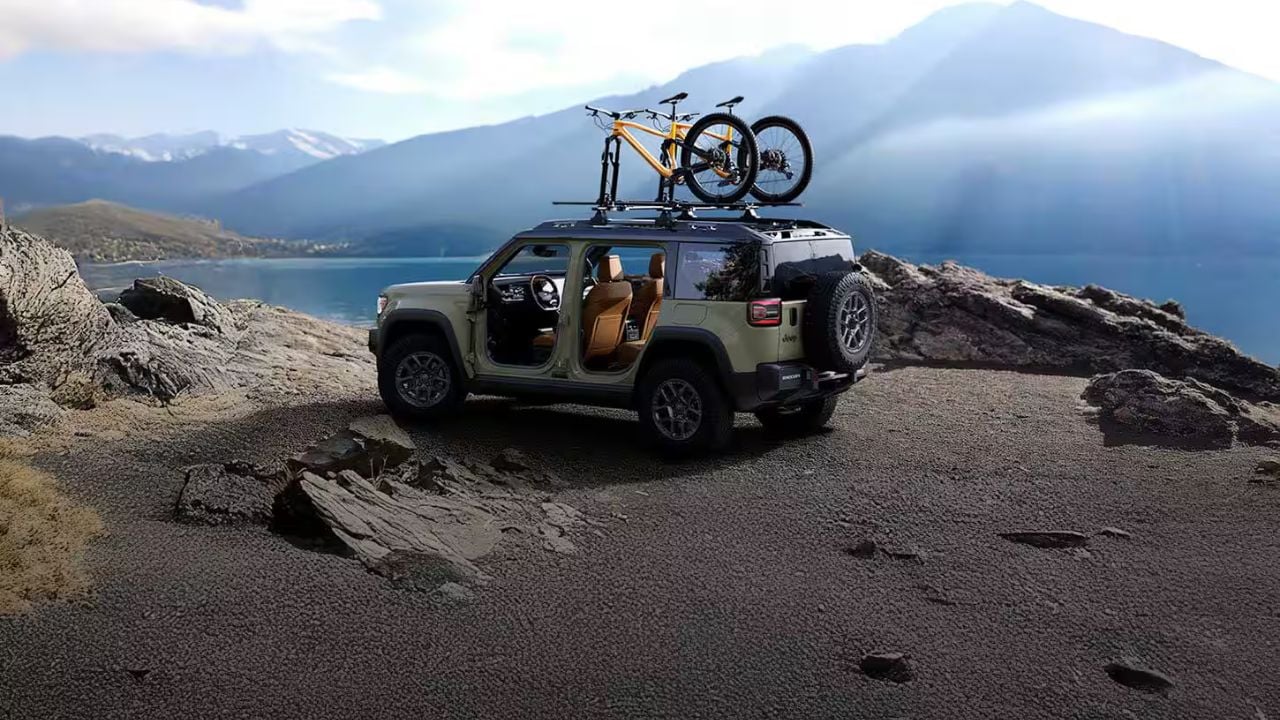
Unlike many electric SUVs that simply borrow rugged styling cues, the Recon was engineered with off-road performance as a priority. Jeep wanted the vehicle to deliver genuine trail capability rather than just the appearance of adventure.
The launch-spec Moab model comes equipped with a dual-motor all-wheel-drive system, an electronic rear locking differential, and a disconnecting front axle. Those features give the Recon credentials that few electric competitors can match.
Ground clearance measures 9.1 inches, while the approach and departure angles were designed with difficult terrain in mind. Jeep also retained removable doors and offers the available One-Touch Power Top, preserving the open-air experience that has become synonymous with the brand.
These details help the Recon stand apart in a crowded EV market. It may run on batteries, but its priorities remain firmly rooted in off-road exploration.
Performance Won’t Be A Problem
If buyers are looking for power, the Recon delivers plenty of it. The dual-motor setup generates up to 670 horsepower and 620 lb-ft of torque, making it one of the most powerful Jeeps ever produced.
Acceleration is equally impressive. Jeep says the Recon can sprint from 0 to 60 mph in just 3.6 seconds, an extraordinary figure for a vehicle wearing 33-inch all-terrain tires.
The SUV draws its power from a 100.5-kWh nickel-manganese-cobalt battery pack mounted within Stellantis’ STLA Large platform. Fast-charging capability allows approximately 100 miles of range to be added in around 10 minutes under ideal conditions.
A charge from 5 to 80 percent takes roughly 28 minutes using a DC fast charger. Those numbers place the Recon in line with many modern EVs when it comes to charging convenience.
The Range Figure Nobody Wanted To See
The headline number, however, is the EPA range estimate. After initially targeting approximately 230 miles, Jeep’s official rating for the Recon Moab landed at 222 miles.
That figure is not disastrous in isolation, but in a context where many rivals comfortably exceed 300 miles, 222 miles feels underwhelming.
The disappointment becomes more noticeable when considering the battery’s size. With more than 100 kWh of capacity onboard, many buyers expected a stronger range figure than what the EPA ultimately certified.
For weekend trail adventures, the number may be perfectly acceptable. For buyers planning longer journeys or frequent highway travel, it creates a significant disadvantage.
Why Efficiency Became The Recon’s Weak Spot
The reasons behind the range shortfall are not particularly surprising. Jeep prioritized capability and durability, two characteristics that often work against efficiency.
The Recon weighs approximately 6,112 pounds, making it substantially heavier than many competing electric SUVs. Carrying that much mass requires significant energy, especially during acceleration and highway driving.
Its upright, boxy shape also contributes to the problem. While the design reinforces the vehicle’s rugged character, it creates more aerodynamic drag than sleeker EVs built primarily for efficiency.
EPA testing shows the Recon consumes roughly 48 kWh per 100 miles. That makes it one of the least efficient electric SUVs currently entering the market.
Rivian’s R2 Highlights The Challenge
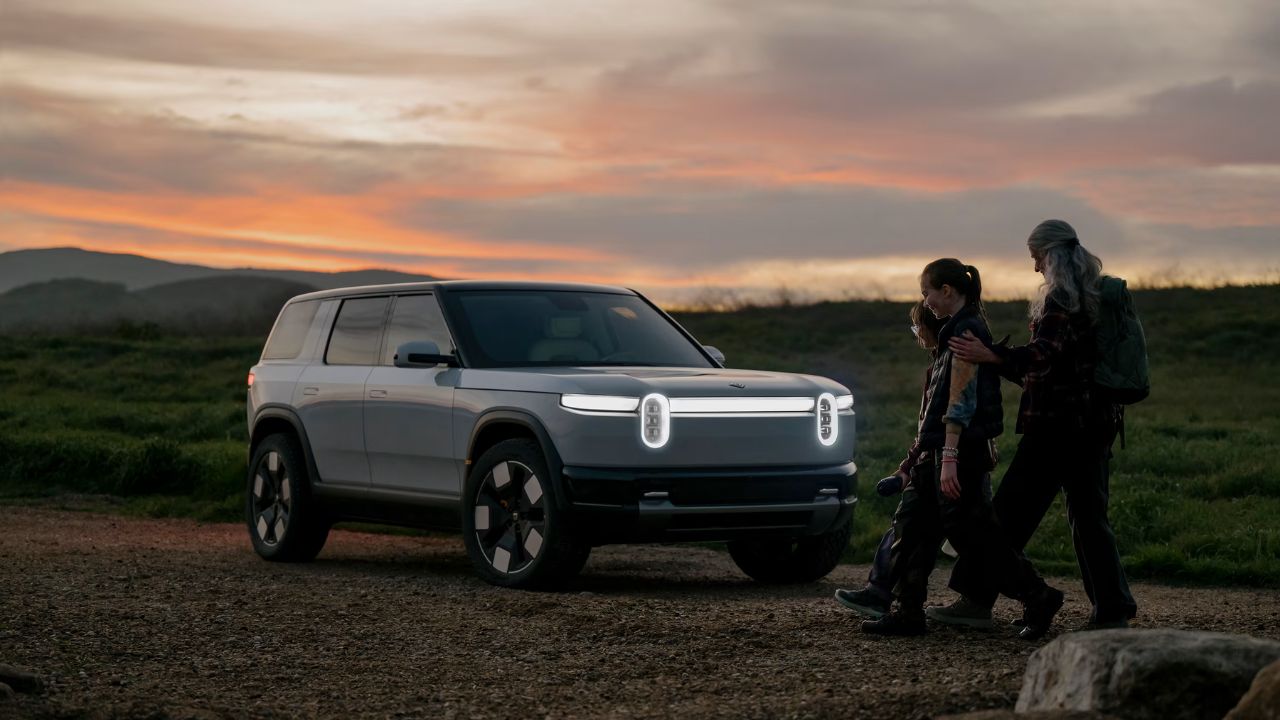
The comparison many shoppers will inevitably make is with the Rivian R2. While the vehicles target slightly different audiences, they occupy similar territory in the growing adventure-focused EV segment.
The R2 offers more than 300 miles of EPA-rated range while utilizing a smaller battery pack. It also starts at a lower price point and includes a native NACS charging port.
Where the Jeep responds is with capability. Features such as the electronic locking differential, disconnecting axle, removable doors, and Jeep’s long-established off-road expertise give the Recon advantages that the Rivian cannot fully replicate.
The challenge is that many buyers spend most of their time on pavement. For those customers, range and efficiency often carry more weight than extreme trail capability.
A Niche EV With A Mission
The Recon feels less like a mainstream electric SUV and more like a specialized product aimed directly at Jeep loyalists. Buyers who regularly venture off-road may be willing to accept the compromises that come with the vehicle’s rugged design.
Others may struggle to overlook the range figure, especially with a starting price around $65,000 before destination charges. In a competitive EV market, every mile matters, and the Recon gives up a substantial advantage to several rivals.
Jeep appears aware of that reality. The company has already suggested that additional powertrain options, including gasoline-powered and hybrid variants, will eventually join the lineup.
The electric Recon succeeds in delivering authentic Jeep character, impressive performance, and serious off-road credentials. What it lacks is the driving range many buyers now expect from a modern EV, and that missing piece could define its future success more than any horsepower figure ever will.