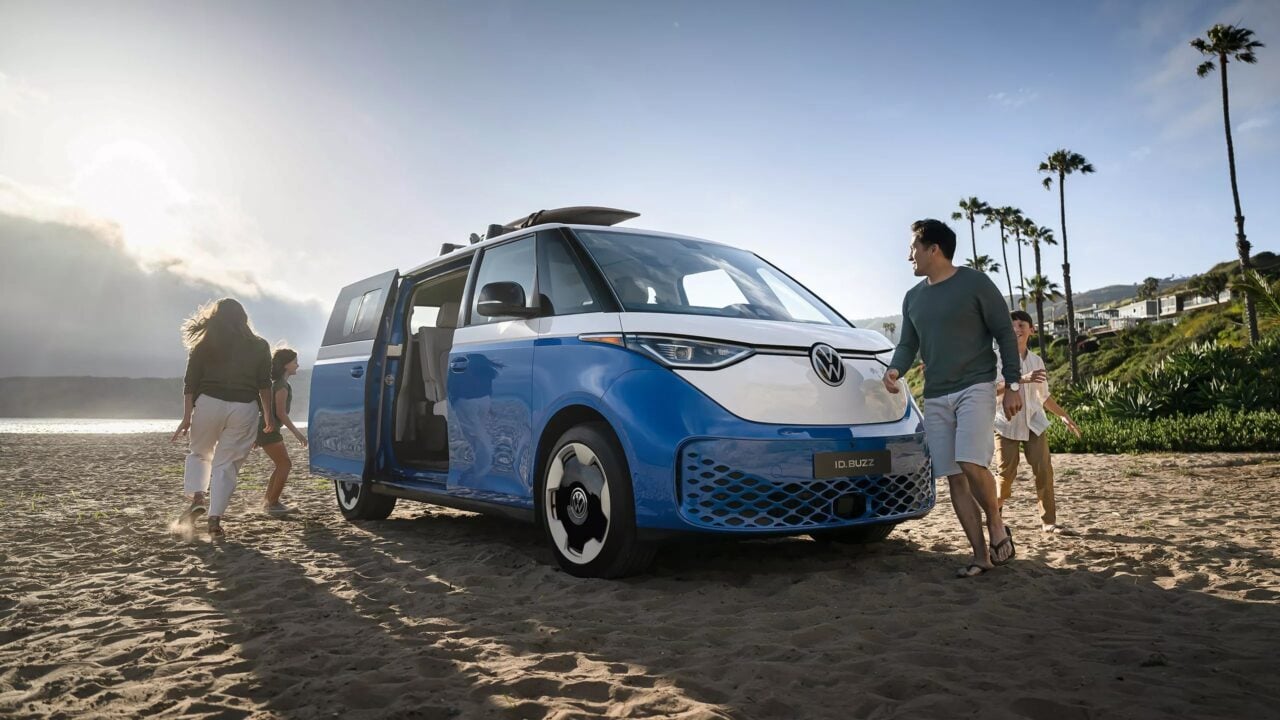
Volkswagen Group is preparing one of the largest product offensives in its history, even as it carries out sweeping cost-cutting measures across its global operations. The automaker says it will launch around 20 new vehicles in 2026 as it works to improve profitability and strengthen its position in key markets.
The aggressive rollout comes during a challenging period for the company. Volkswagen is restructuring several parts of its business while dealing with weaker vehicle demand, rising costs, trade barriers, and increasing competition from both established rivals and emerging brands.
Speaking during the company’s annual meeting, Volkswagen Group CEO Oliver Blume acknowledged that the business faces significant pressure despite remaining profitable. He argued that the company’s traditional approach to building vehicles in Europe and selling them globally no longer fits today’s rapidly changing automotive landscape.
At the same time, Volkswagen believes a strong pipeline of new products will help drive its recovery. From affordable electric cars in Europe to new SUVs and luxury models, the group is betting that fresh vehicles will help restore momentum across its many brands.
Volkswagen Continues Massive Restructuring Effort
While Volkswagen Group reported a net profit of roughly $7.5 billion in 2025, executives say that figure does not tell the whole story. The company continues to face shrinking margins, changing market conditions, and increasing pressure from global competitors.
To address those challenges, Volkswagen is reducing costs across multiple divisions. Plans announced earlier this year include cutting approximately 50,000 jobs in Germany by 2030, with the Volkswagen, Audi, Porsche, and CARIAD software divisions all contributing to the reductions.
The company has already secured agreements covering tens of thousands of departures and says factory operating costs have been reduced significantly. Volkswagen expects the restructuring program to generate billions in savings over the coming years.
Sales Challenges Continue Across Key Markets
Volkswagen’s product push arrives as several of its major brands struggle with declining deliveries. During the first quarter of 2026, global deliveries fell by 4 percent to roughly two million vehicles.
North America and China were among the weakest-performing regions. Deliveries dropped by more than 13 percent in North America and nearly 15 percent in China, two markets that remain critical to the group’s long-term strategy.
Several premium brands also experienced setbacks. Sales declined at Volkswagen, Audi, Porsche, Bentley, and Lamborghini, while electric vehicle deliveries across the group fell nearly 8 percent compared with the same period a year earlier.
Blume described the situation as demanding, noting that Volkswagen’s products remain competitive but are not generating the level of profit the company wants. Rising regulatory costs, geopolitical tensions, and supply chain disruptions continue to weigh on the business.
Twenty New Models Lead The Recovery Plan
Despite those challenges, Volkswagen believes new products will help reverse the trend. The company plans to introduce around 20 new models this year across its various brands.
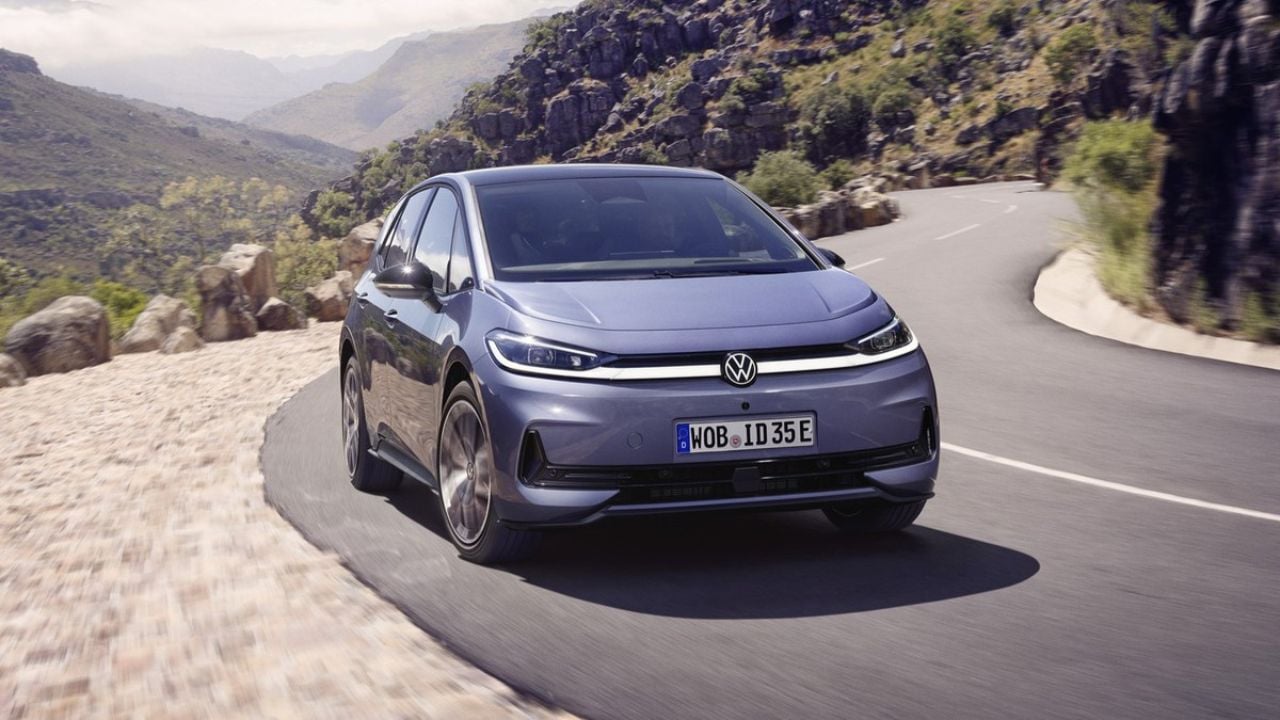
The Volkswagen brand alone is preparing several new electric vehicles for Europe, including the ID. Polo, ID. Polo GTI, ID. Cross, and ID.3 Neo. These smaller EVs are designed to strengthen the company’s position in its home market as affordable electric transportation becomes increasingly important.
Audi also has a busy year ahead. New versions of the Q7 and Q9 SUVs are expected to arrive, alongside a plug-in hybrid RS5 and the compact A2 E-Tron electric vehicle for European buyers.
The strategy reflects Volkswagen’s belief that product remains the most effective tool for overcoming economic uncertainty. The company hopes its broad portfolio of mainstream, luxury, and performance vehicles will help it navigate an increasingly fragmented market.
North America Remains A Key Growth Target
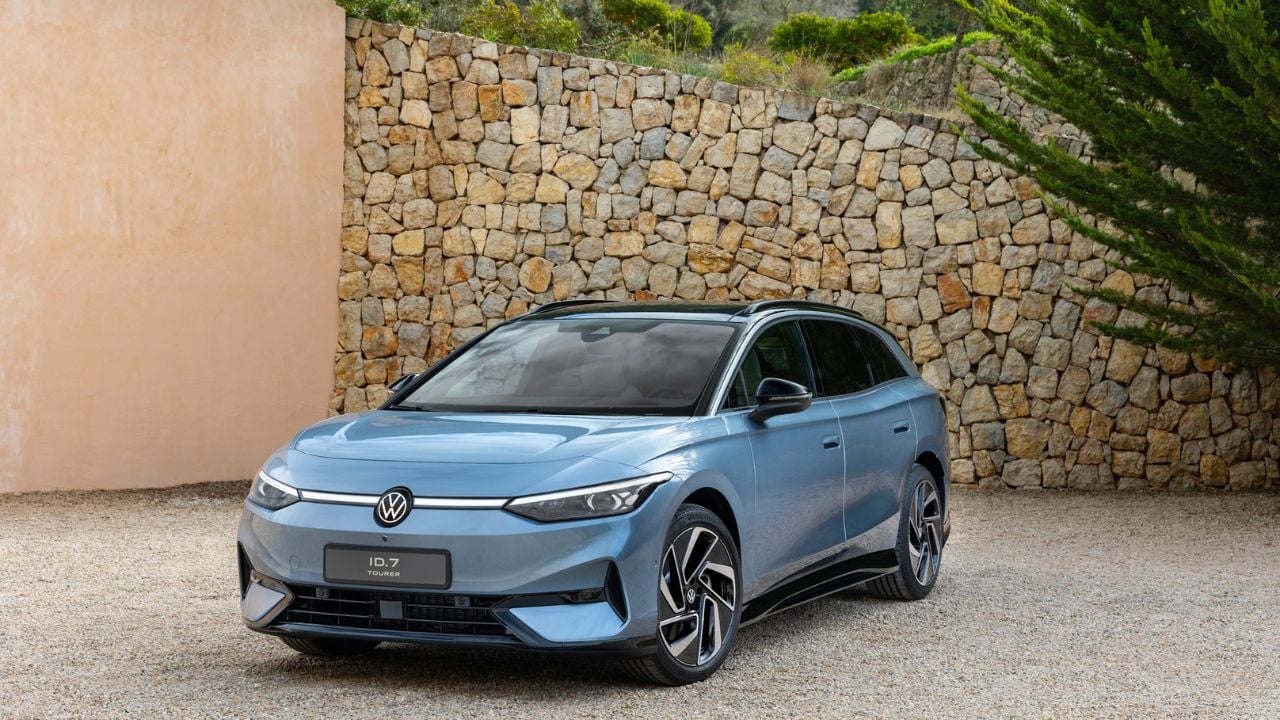
Although sales in North America have softened, Volkswagen continues to view the region as one of its biggest opportunities. The company says the United States offers significant long-term growth potential for both the Volkswagen brand and its premium divisions.
One of the most important launches for the region will be the next-generation Atlas SUV, which will continue to be built in Chattanooga, Tennessee. The model will initially use internal-combustion power, with hybrid versions expected to follow.
Volkswagen is also investing heavily in its revived Scout brand. Construction continues on the company’s new South Carolina manufacturing facility, where Scout plans to build electric and extended-range SUVs and pickup trucks.
The combination of restructuring and new products represents a critical moment for Volkswagen Group. With 20 vehicle launches planned and billions in cost reductions underway, the company is attempting to balance short-term financial discipline with a long-term push for growth in an increasingly competitive automotive market.