Some travel headlines flatten whole nations into a warning label, and that is usually lazy. This one only works with a clear definition: these are countries that currently carry U.S. State Department Level 2 or Level 3 advisories, or explicit warnings tied to crime, terrorism, kidnapping, unrest, or health while still pulling in huge visitor numbers. In other words, they are not default “avoid at all costs” places. They are destinations where risk is part of the planning conversation, yet demand stays strong anyway.
That tension is what makes the list interesting. People are still booking beach weeks, city breaks, safaris, resort stays, and history-heavy itineraries in places where official guidance says to stay sharper than usual. Sometimes the draw is price, sometimes it is weather, sometimes it is sheer bucket-list force. Usually, it is a mix of all three, plus the stubborn traveler belief that smart planning can still produce a fantastic trip.
1. Mexico
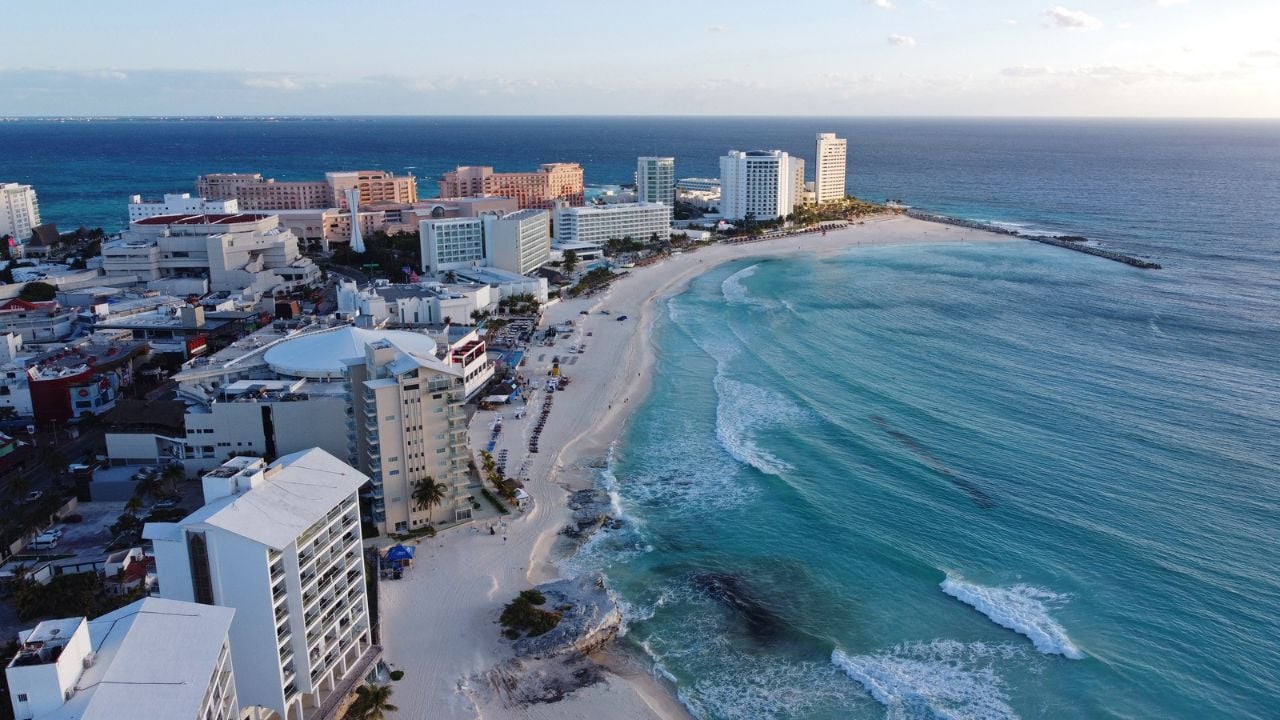
Mexico sits near the center of this conversation because the contrast is so stark. The U.S. State Department keeps Mexico at Level 2 overall, even while several states carry tougher warnings. At the same time, Mexican government-backed reporting said the country welcomed 45.04 million international tourists in 2024, a 7.4% jump from the year before. Those are not niche numbers. They belong to a destination that keeps winning even while safety headlines never really disappear.
The reason is easy to understand once you think like a traveler instead of a risk map. Mexico still offers one of the broadest tourism menus in the hemisphere, from Cancun and the Riviera Maya to food-heavy cities, colonial towns, and cultural icons that can carry an entire itinerary on their own. Visitors are not so much ignoring the warnings as trying to route around them. They stay in better-known zones, use private transfers, keep a closer eye on state-by-state advisory language, and treat local advice like part of the packing list rather than a footnote.
2. Egypt
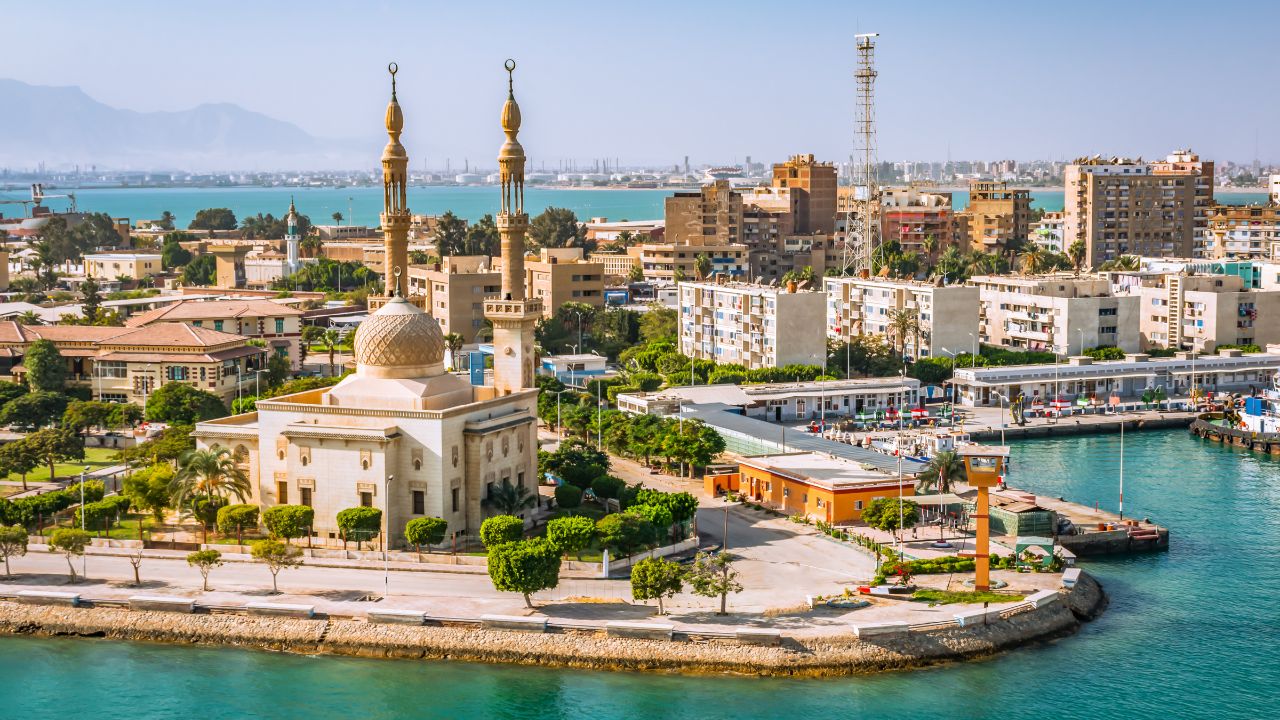
Egypt is one of those places where the warning and the fantasy have been traveling together for years. The State Department currently places Egypt at Level 2, citing terrorism, crime, and health concerns, while certain areas remain under much stronger warnings. Yet official Egyptian government reporting says the country welcomed nearly 19 million tourists in 2025 after already hitting a record 15.7 million in 2024. That is a huge vote of confidence from travelers who still want the pyramids, the Nile, and the Red Sea on their lifetime list.
A place like Egypt keeps pulling people because few destinations offer this much visual and historical payoff in one trip. Egypt’s official tourism platform still sells the country on exactly that scale, from ancient sites to beach escapes and river journeys. Even cautious travelers know the difference between a tightly managed Cairo-Luxor itinerary and wandering casually into areas the advisory tells you to avoid. Egypt works best when people treat it as a guided, planned, logistics-heavy experience rather than a carefree freestyle adventure. That has not slowed demand. It has simply changed how people approach the country.
3. Türkiye
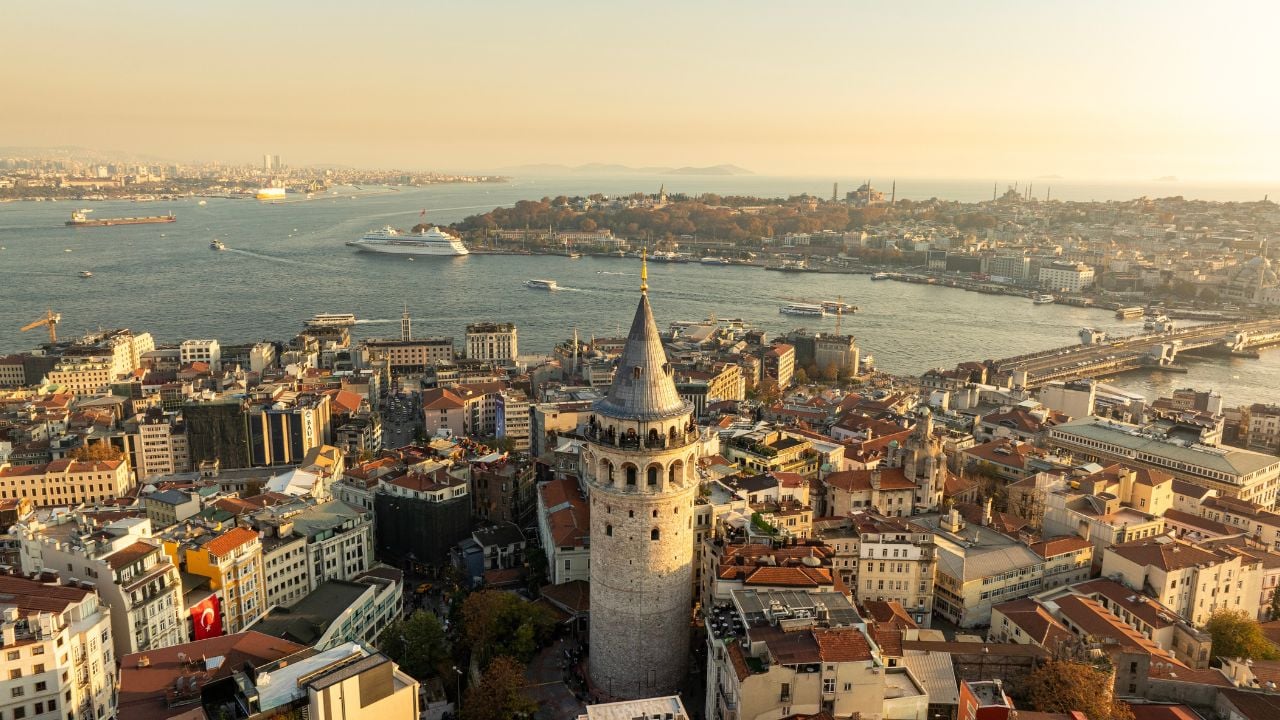
Türkiye stays busy because it solves several travel cravings at once. The State Department lists the country at Level 2 due to terrorism, armed conflict, and arbitrary detentions, with southeastern areas flagged at higher risk. Even so, official Turkish government communication said visitor numbers reached 62.2 million in 2024. That is a staggering total, and it tells you the Bosphorus, the coast, Cappadocia, and the wider cultural pull are still overpowering a lot of hesitation.
Travelers also tend to think about Türkiye as a country of zones rather than one single experience. GoTürkiye’s official travel guide does exactly that, dividing the country into very different experiences, from Istanbul to the Turkish Riviera and Cappadocia. The result is a destination that keeps attracting city-break lovers, beachgoers, and history obsessives who are willing to stay informed, choose their region carefully, and move with a bit more awareness than they might in Spain or Portugal.
4. Morocco

Morocco has become one of the clearest examples of a place where caution does not kill momentum. The U.S. advisory is Level 2 because of terrorism, with a warning that attacks could target tourist locations, transportation hubs, and markets. Yet official Moroccan diplomatic material says the country welcomed 17.4 million visitors in 2024. That was a record year and enough to underline just how strong Morocco’s tourism pull has become.
What keeps people returning is the richness of the trip itself. Morocco’s official tourism portal still sells a destination of medinas, riads, Atlantic surf towns, mountain roads, and desert circuits that can fit into relatively short itineraries. Most visitors read the advisory, stay alert in crowded places, and keep going anyway, because the sensory payoff is enormous and the tourism infrastructure is already built to handle large international demand. Morocco is not successful because people think the risks do not exist. It is successful because many travelers decide the rewards are still worth a more careful style of travel.
5. Colombia
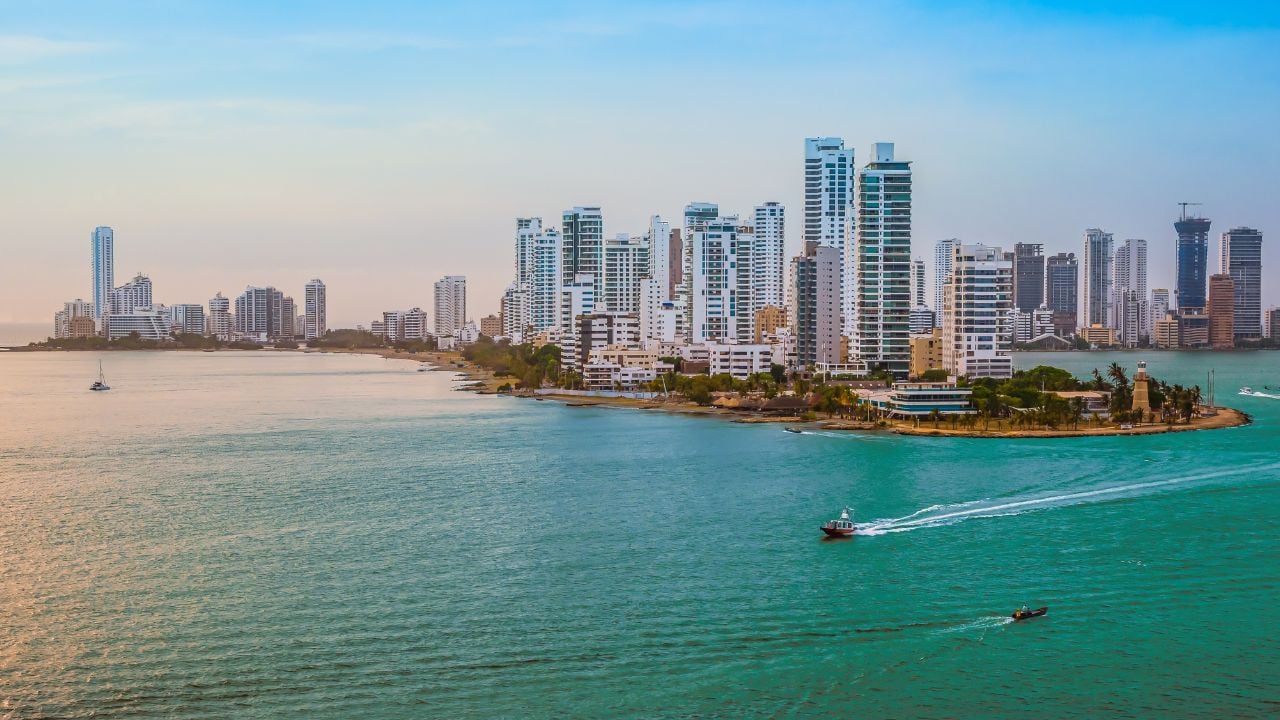
Colombia may be the purest “yes, but people still go” case on the list. The State Department places it at Level 3, recommending travelers reconsider due to crime, terrorism, civil unrest, kidnapping, and natural disasters, with some departments under even tougher warnings. Yet ProColombia says the country received nearly 7 million non-resident visitors in 2024. For a place that once frightened huge numbers of outsiders away, that is a major shift.
That growth makes sense when you look at the appeal. Colombia’s official tourism guide keeps widening the country’s case, from Cartagena and Medellín to Bogotá and beyond. The draw is not just one city or one beach corridor. It is the feeling that the country has become much more travelable without ever becoming completely carefree. People who enjoy it most tend to be the ones who understand neighborhoods, arrival times, transport choices, and local context before they land. Colombia is rarely a destination for lazy planning, but it is very obviously still a destination people want.
6. Jamaica

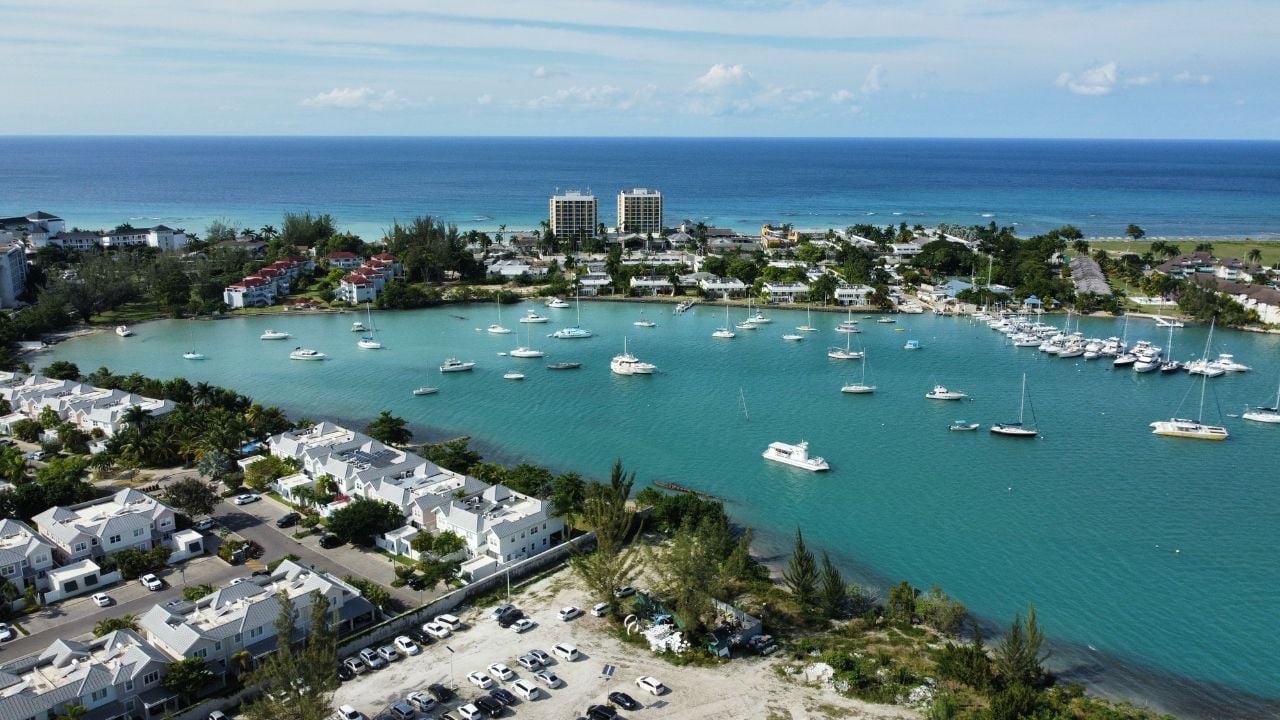
Jamaica shows how powerful a well-loved island brand can be. The State Department lists Jamaica at Level 2 because of crime, health, and natural-disaster risks, with some areas carrying increased risk. Yet Jamaica’s Ministry of Tourism says the island welcomed 4.15 million visitors in 2024 and generated US$4.3 billion in earnings. Those numbers make clear that the advisory is part of Jamaica’s image, but it is not stopping demand in any broad sense.
Part of that resilience comes from how people actually vacation there. Jamaica’s official tourism site still sells a highly structured leisure product built around resort areas, beaches, excursions, drivers, and familiar vacation zones. A huge share of travelers are not improvising through unfamiliar neighborhoods at midnight. They are using resorts, guided outings, and well-trodden logistics, then measuring the island by beach time, music, scenery, and service rather than by the risks in places they never planned to enter. That does not make the advisory meaningless. It shows how strongly many tourists believe structure can reduce exposure.
7. South Africa

South Africa has always sold a bigger kind of trip, and that is part of why people keep saying yes. The State Department rates it Level 2 due to crime, terrorism, unrest, and kidnapping, warning that violent crime is common and more frequent in some downtown areas after dark. Yet South African Tourism said the country welcomed a record 10.48 million international arrivals in 2025, while South Africa’s government portal says 2024 had already reached 8.92 million arrivals. Even with the risks, the appetite is plainly still there.
Safari is a huge part of that pull, but not the whole story. South African Tourism continues to market a destination where wildlife, coastline, cities, and wine-country all sit inside the same wider trip. That range matters. A traveler can come for Cape Town, the Winelands, or a game reserve and still feel as though they are getting something bigger than one headline attraction. South Africa is not a destination for drifting casually through the wrong area after dark. It is a destination people tend to approach with drivers, hotel advice, route planning, and a sharper sense of when and where to move.