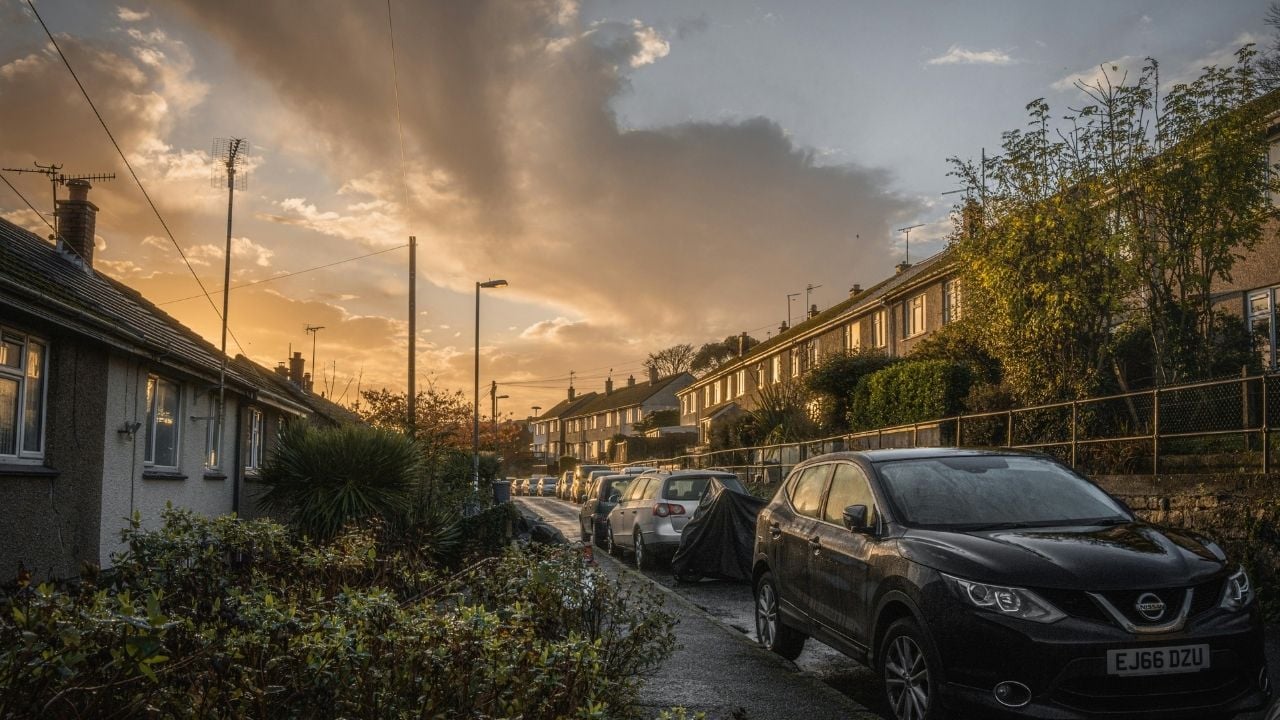
The UK has some unusual driving laws, some of which drivers have either forgotten about or perhaps never even heard of. One of those is UK Highway Code Rule 248, a parking rule that, if it is breached, could lead to a fine of up to £1,000 or $1,363.
The rule is particularly pertinent at the moment as the nights in the UK slowly start to draw in. With that come a few additional rules, and Rule 248 of the Highway Code relates to how cars park in the evening.
According to automotive experts in the country, this is an easy rule to overlook. It is especially easy on residential streets, as it is here, where, when parking, drivers will likely just pull into the nearest space that is available to them. Many of us would probably do the same.
Incredibly, according to this rule, if your car is facing the wrong way, then you may be subject to that £1,000 fine, which is over $1,300. There is, though, one simple check that you can do before walking away from your car. That could potentially save you up to £1,000.
What Does Rule 248 of the Highway Code State?
Bruno Martins/Unsplash
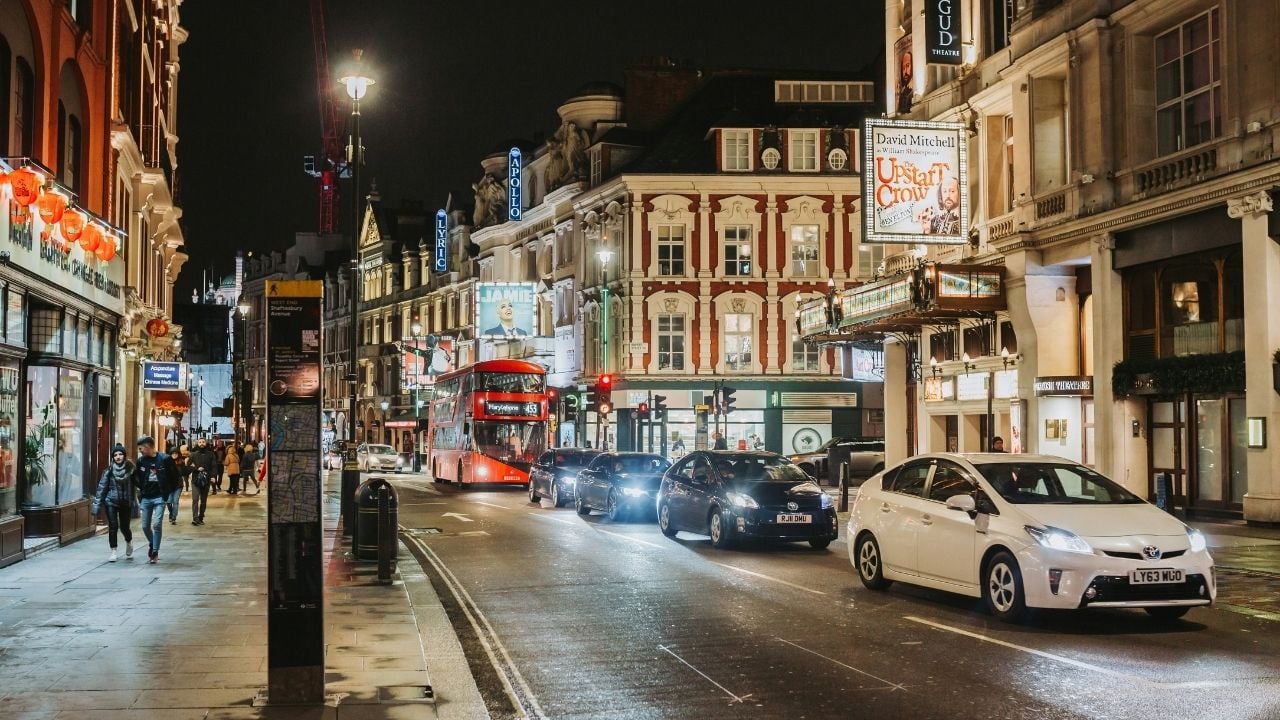
Rule 248 of the Highway Code states that drivers must not park on a road at night facing the direction of traffic flow unless they are in a recognized parking space. This is an easy rule to overlook, as Lee Caroline, a motoring expert at Surrey car scrap company LJC Auto Spares, told the British publication Yorkshire Live.
“It’s not something most people think about when they’re parking. If there’s a space outside your house, you tend to pull into it without considering which direction the car is facing,” he said. “But once it gets dark, that direction matters. If you’re facing the wrong way, the car isn’t being presented to approaching traffic in the way the rules require,” he added. The rule isn’t about convenience; it is about making sure your car is visible to others at night.
Rear reflectors bounce the light of a car that is coming up from behind. That allows the headlights to pick out those cars and make a parked vehicle more obvious to the driver. If the car is facing the other way, while you will be able to see it, it won’t be as clear as if you had parked facing the direction of traffic flow. On a dark or poorly lit road, that could make all the difference for those driving past your car.
A Simple Check Can Prevent a Fine
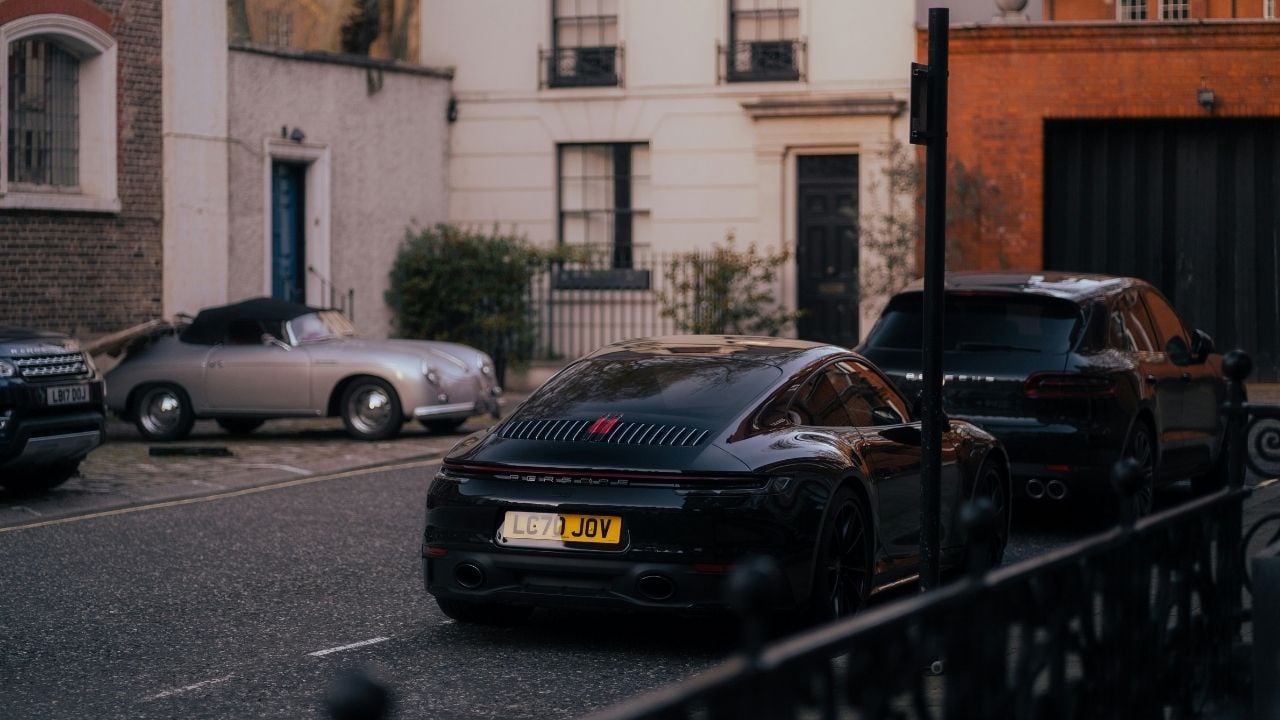
Image Credit: Marc Kleen/Unsplash
If you are a UK motorist, you may be fined up to £1,000 if you are breaking the rule. That is roughly $1,363 over the Atlantic. However, that could rise to £2,500 if you are in a good vehicle, or a passenger vehicle that can carry more than eight people. That is roughly $3,400. But do not despair. Because luckily for British drivers, there is one simple check you can do to avoid being caught and fined.
Lee Caroline said all you need to do is check the direction your car is facing when you have parked up at night. If you are parked on the road and not in a marked space, then you should face the same way as the traffic. If you are in a marked space, however, then that is different, and it does not matter which way your car is facing. It is often forgotten that rules like this can really impact a driver because so few people know about them.