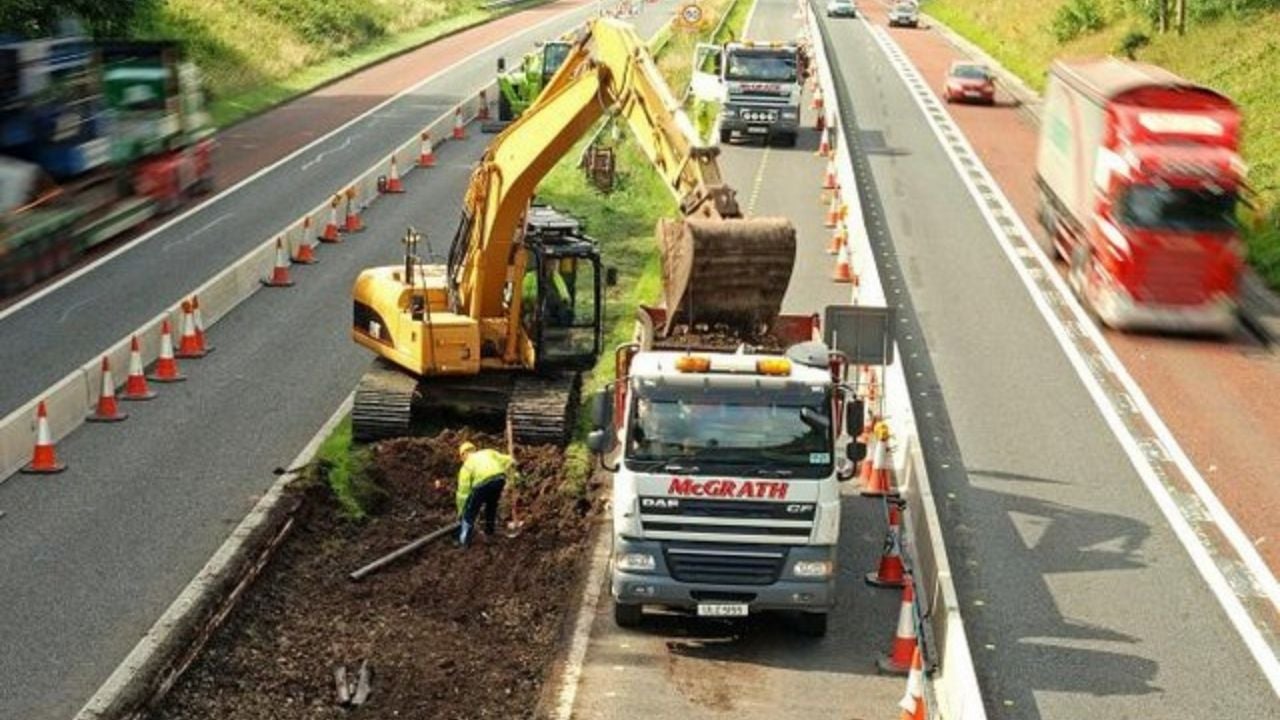
It is only natural that there are different driving rules and laws in different countries; that is to be expected. The UK is one of them, and it’s certainly got its fair share of interesting driving regulations. We’ve lost count of the times that roundabouts have popped up, but one that might not have got your attention is zip-merging.
A recent BBC News article brought up the practice that many Americans likely will never have heard of before. Zip-merging is one of the strangest-sounding road rules, yet it might be one of the most important in the country.
This is a method of driving that Britain’s National Highways actually considers a ‘best practice.’ It is a practice you might see more of in the likes of France, and it’s being used on certain roads in the UK, such as the A417 in the Cotswolds.
So what is zip-merging? Well, we will explain below in more detail, but essentially it is a way to keep traffic going and flowing, most often during roadworks. It is something that can leave motorists seething as they see others whizz past while they sit patiently in a lane. However, it isn’t something to be angry about. Far from it.
What Exactly Is Zip-Merging?
Incredibly, the origins of zip-merging are actually in North America, says the RAC. It originated as a traffic flow measure that drivers should follow and adopt when a motorway/highway lane, or dual lane, closes and leaves just one lane available. It is intended to let drivers merge at the point of the lane closure, and not as early as possible, as with other situations.
Think of it as the teeth of a zipper coming together, hence the phrase zip-merging. All the cars merge one at a time where the lane closure is. In theory, traffic flows smoothly in all lanes and then continues to do so once the cars have merged. Drivers keep driving until they reach the point where the lane is closed; all merge at one time, and it allows the open lanes to be used fully until the merge point.
This should prevent one lane from being empty and the others congested as everyone tries to merge earlier or at totally random intervals. The A417 in the Cotswolds is a perfect example of this, as it currently has a heavily congested single carriageway that is about to be replaced by a three-mile dual carriageway between Gloucester and Cirencester.
Why Zip-Merging Works So Well
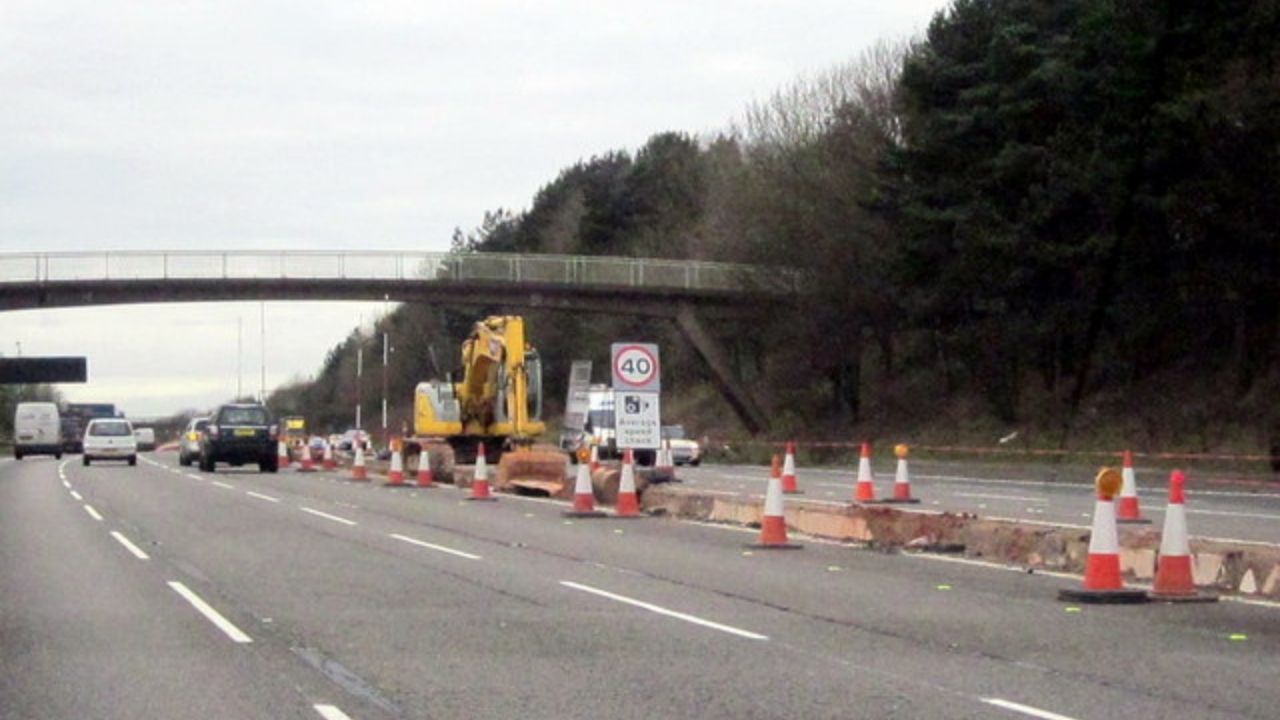
National Highways encourages zip-merging, even if motorists think that merging as early as possible is the best way of going about it. This is the more usual etiquette, but it can create a long, slow line of traffic and leave a lane completely empty with nobody utilizing it. “By keeping both lanes in use until the merge point, congestion is minimised, and journey reliability is improved,” said National Highways.
Avon and Somerset Police also commented on zip-merging. “Problems tend to arise when drivers are unwilling to allow others to safely merge, or when motorists change lanes aggressively, without adequate observation, signalling or consideration for other road users,” a spokesperson said. If done correctly, zip-merging works brilliantly.
Don’t Get Angry at Those Who Are Zip-Merging
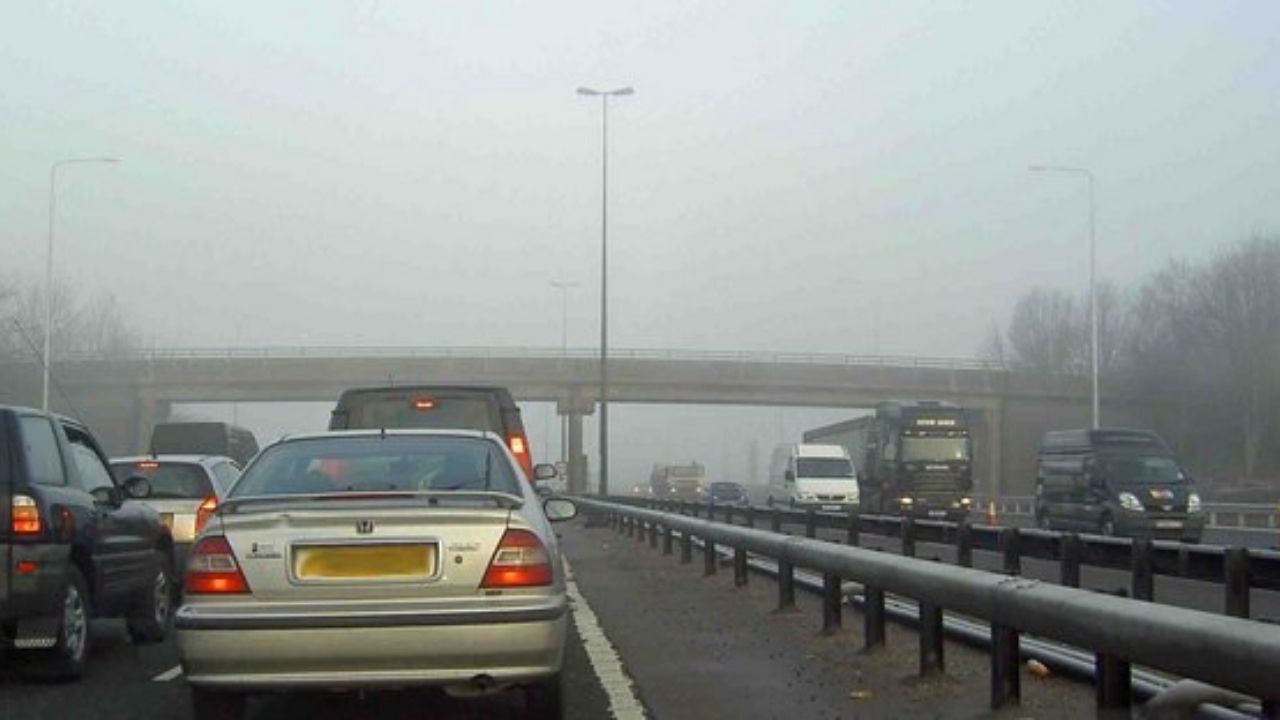
Some road users get angry at those who are zip-merging. They see other motorists whizzing past them, thinking they are breaking the usual merging-early etiquette. But that isn’t the case. Zip-merging is a legal practice actively encouraged by road authorities in the United Kingdom, and it can really help to keep you and others moving. So if you didn’t know what zip-merging was, now you know what it is and why it is so important.