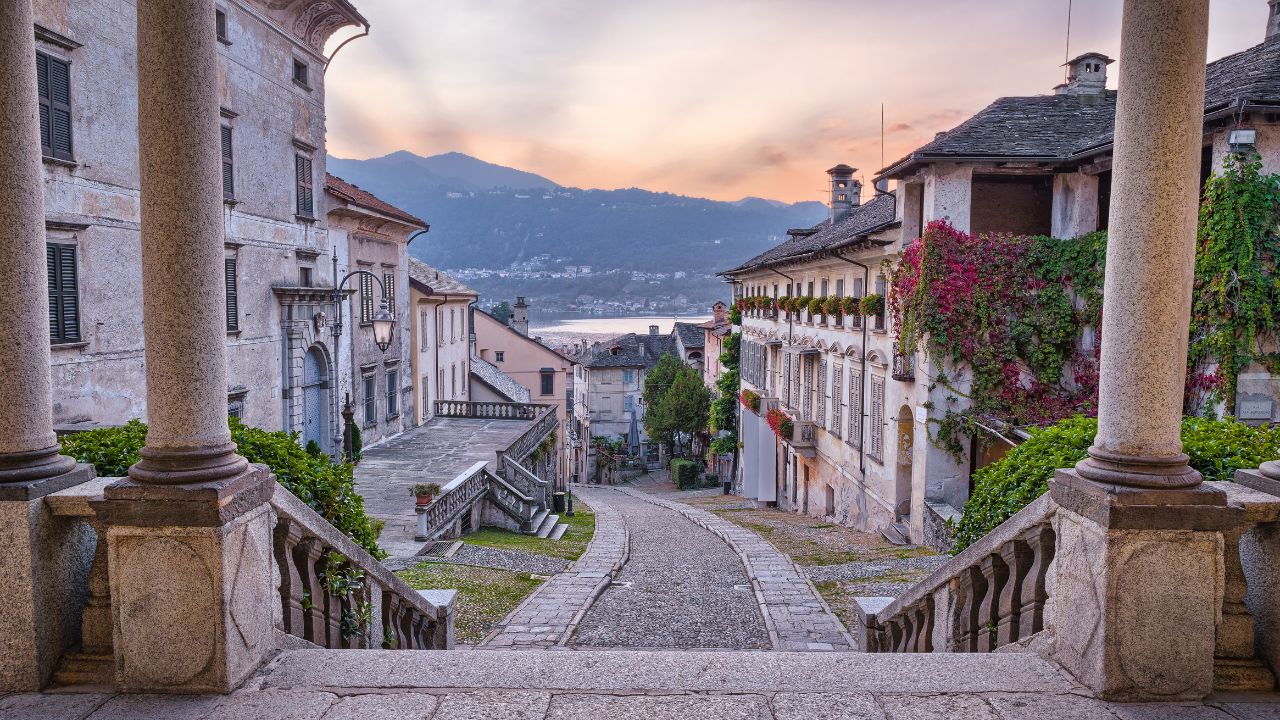
Italy has no shortage of glamorous waterside addresses, which is exactly why Lake Orta feels so appealing right now. Piedmont’s current tourism messaging is leaning hard into a mix of open-air experiences, slower travel, and year-round appeal, with regional promotion highlighting sustainability, accessibility, and a lower-impact style of discovery. That language fits Orta unusually well. It is polished, scenic, and calm without feeling staged, which is a rarer combination than glossy travel photography tends to admit.
There is also a broader regional tailwind behind the mood. Visit Piemonte’s market material for the U.S. notes that Turin and the lakes together accounted for about a third of American overnight stays in the region in 2023, which helps explain why quieter corners of Piedmont are drawing more international attention. Lake Orta looks especially well placed to benefit because it offers beauty without the full performance of a busier lake scene.
1. Orta San Giulio Still Feels Composed, Not Overrun
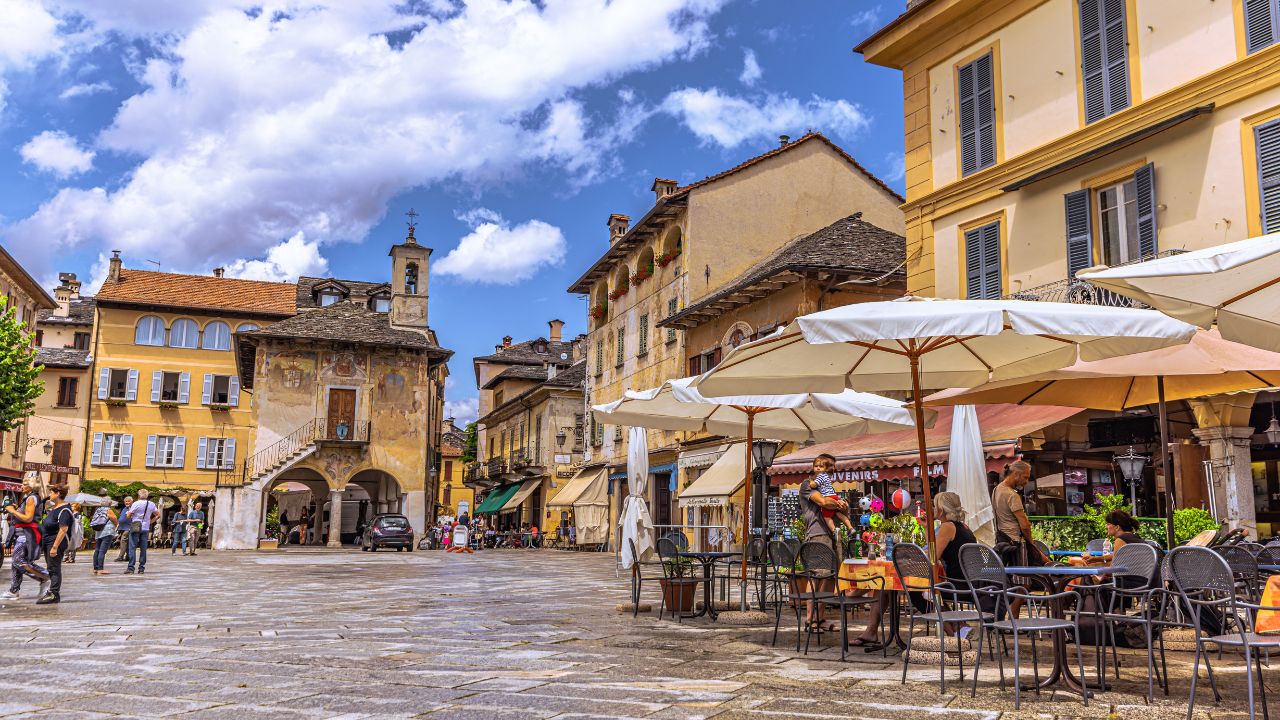
The main reason this destination is gaining admirers is simple: its signature town still feels intimate. Italia.it describes Orta San Giulio through narrow alleys, old shops, wrought-iron balconies, and a setting suspended between the mountains and the lake, with San Giulio Island sitting just offshore like a small open-air museum. That gives the place a romantic silhouette without forcing it into loud resort-town behavior. Even the arrival feels softer than the usual grand-lake entrance.
That restraint is a big part of the appeal. Travelers who want waterfront scenery often end up paying for crowds, queueing, and a general atmosphere of polished commotion. Orta offers a neater trade. The visual charm is still there, but the emotional temperature is lower. For anyone drawn to slow travel, that matters more than people usually admit.
2. The Pace Is Built Into the Place Itself
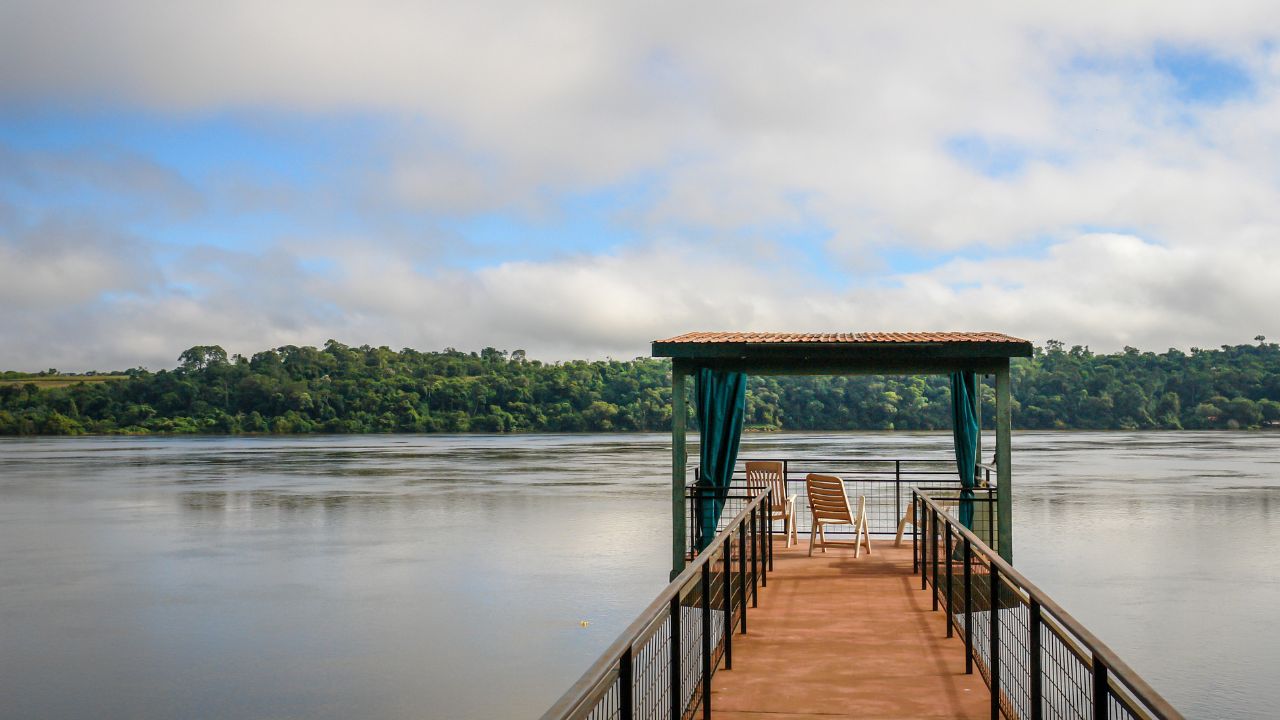
Some destinations talk about slowing down while quietly pushing you into an overpacked itinerary. Orta has better mechanics than that. The official public navigation service says regular boats run daily from March to October, making it easy to cross the water and visit San Giulio Island without turning the outing into a logistical opera. That kind of simple town-to-island rhythm suits the place perfectly.
The spiritual side deepens that slower cadence. The Sacro Monte di Orta sits on a promontory above the lake, with twenty chapels distributed along a route through the hilltop landscape and broad views toward San Giulio Island. This is not the kind of destination that begs for hurried sightseeing. It rewards wandering, pausing, and occasionally doing the radical modern thing of not checking your phone.
3. Culture Here Arrives With Scenery Attached
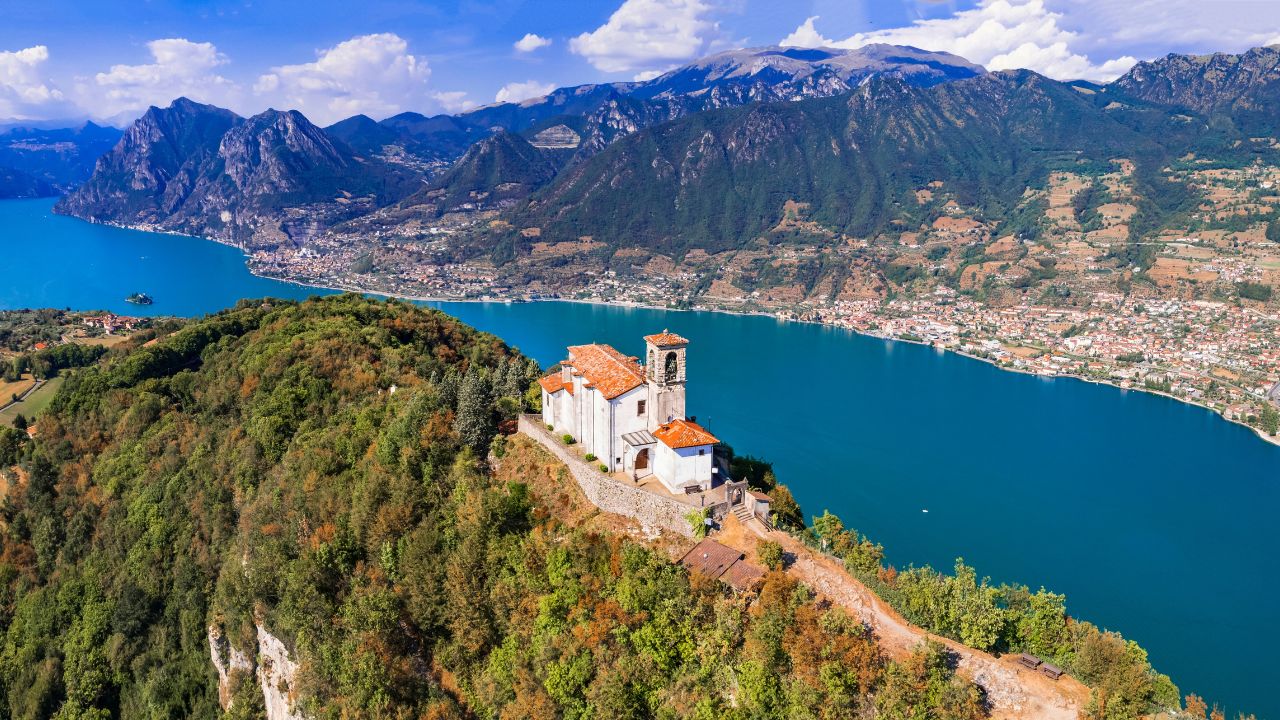
Lake Orta’s elegance is not just about reflections and handsome façades. The Sacro Monte is part of the UNESCO-listed Sacri Monti system, and its chapels combine sculpture, painting, architecture, and landscape in one continuous walk above the town. That means the cultural experience is not trapped indoors. You absorb it while moving through trees and viewpoints instead of shuffling room to room under museum lighting.
The same blend continues on the water. Italia.it describes San Giulio Island as a place of artistic and environmental beauty, while the official Lake Orta tourism gateway also highlights a circular lake route of about 35 kilometres that threads through villages and scenic points around the shore. In practical terms, that gives visitors art, history, and atmosphere in a very compact area, without requiring heroic transfers between them.
4. The Luxury Angle Is Real, but Refreshingly Understated
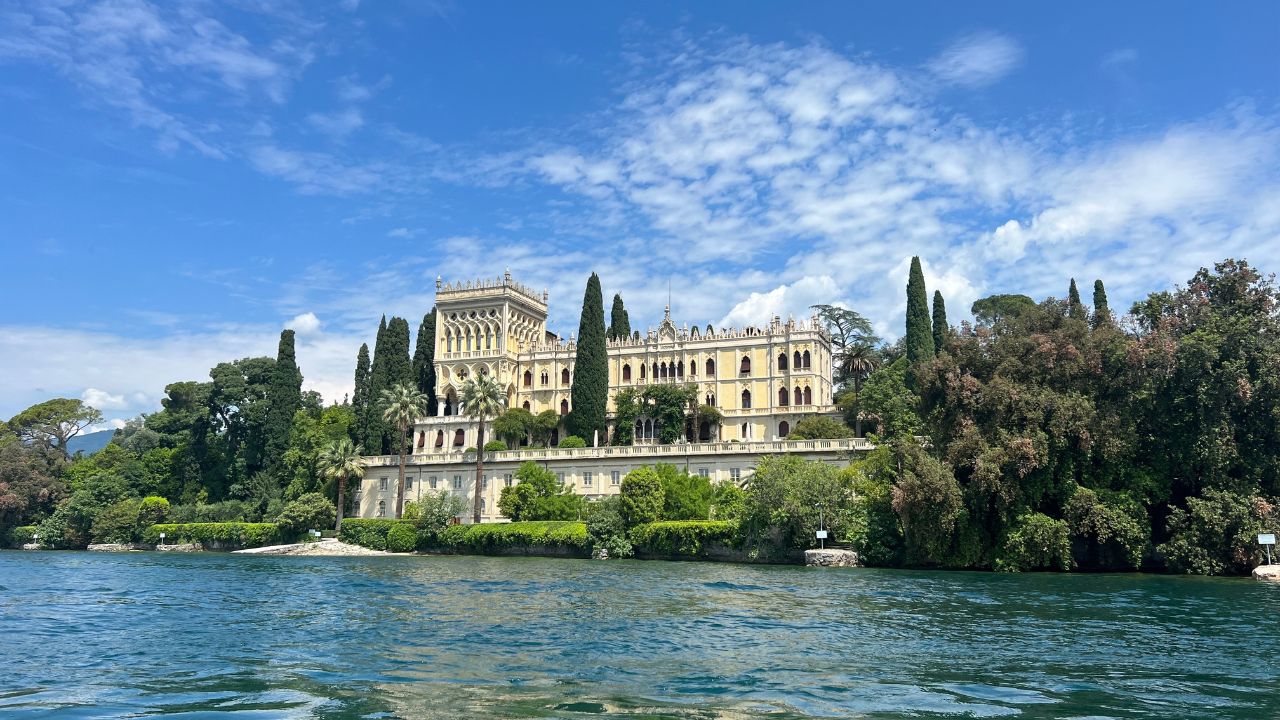
This is where the elegant-travel part of the headline stops being decorative and starts being factual. Villa Crespi says it has fourteen suites and a three-Michelin-star restaurant led by Antonino Cannavacciuolo. The Moorish architecture makes it visually distinctive, but the bigger point is what its presence signals. Lake Orta can do refinement without turning into a full-blown social-performance arena.
That balance is especially attractive right now. Plenty of travelers still want comfort, but not necessarily the frenzy or visibility that often comes with more famous lake addresses. Orta’s hospitality scene supports a quieter version of luxury, pairing serious dining and high-end stays with a setting that remains hushed rather than showy. The result feels less like conspicuous consumption and more like good taste finally getting some air.
5. It Is Easier To Reach, and Easier To Live In, Than It Looks
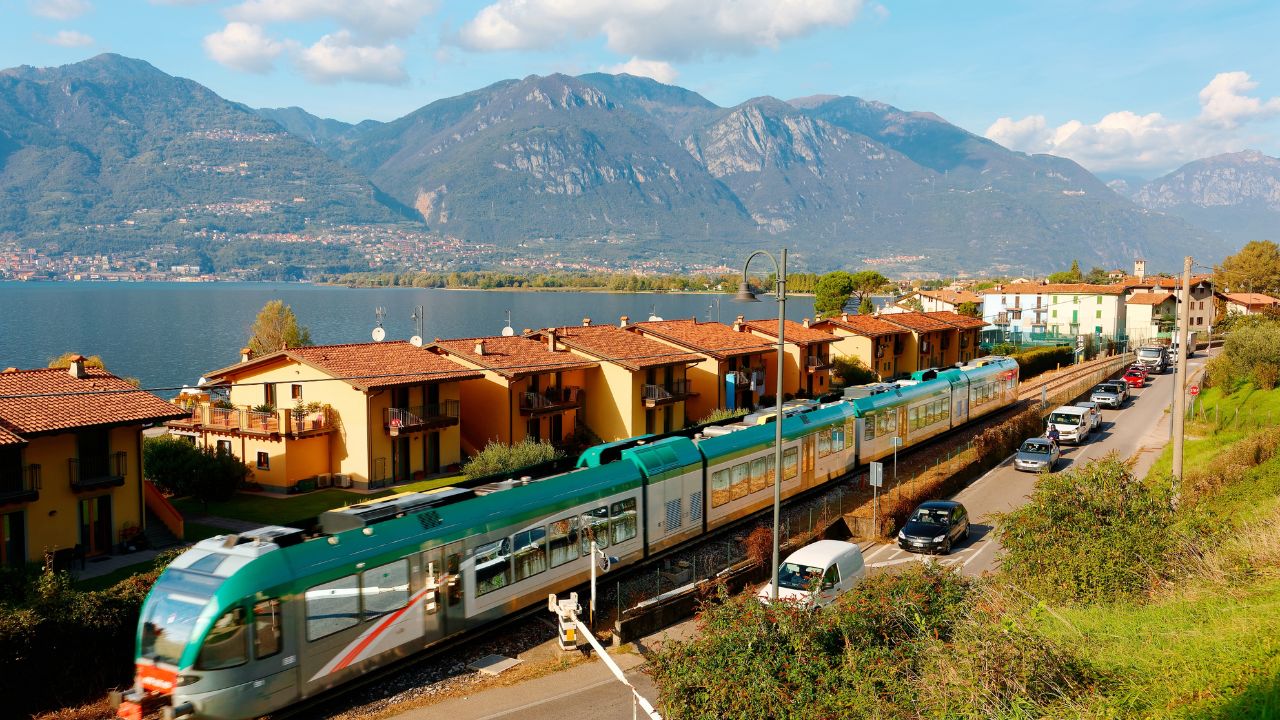
One reason places like this gain momentum is that they feel tucked away while staying realistically connected. The official Sacro Monte page lists Milan Malpensa as the relevant airport and says Orta-Miasino station, on the Novara–Domodossola line, is about a twenty-minute walk from the site. That does not make the journey frictionless, but it does keep the destination firmly in the realm of practical planning. Seclusion is charming. Inaccessible is a different genre entirely.
Once you are there, the area is built for measured exploration rather than frantic box-ticking. The official Lake Orta tourism site frames the lake circuit as a relaxed day ride through villages, beaches, and scenic stops, which matches the wider regional push toward open-air and slower tourism. So the headline largely holds up. Lake Orta is not exploding into mass-market mania, but it is becoming increasingly attractive to travelers who want grace, calm, and a trip that unfolds at human speed.