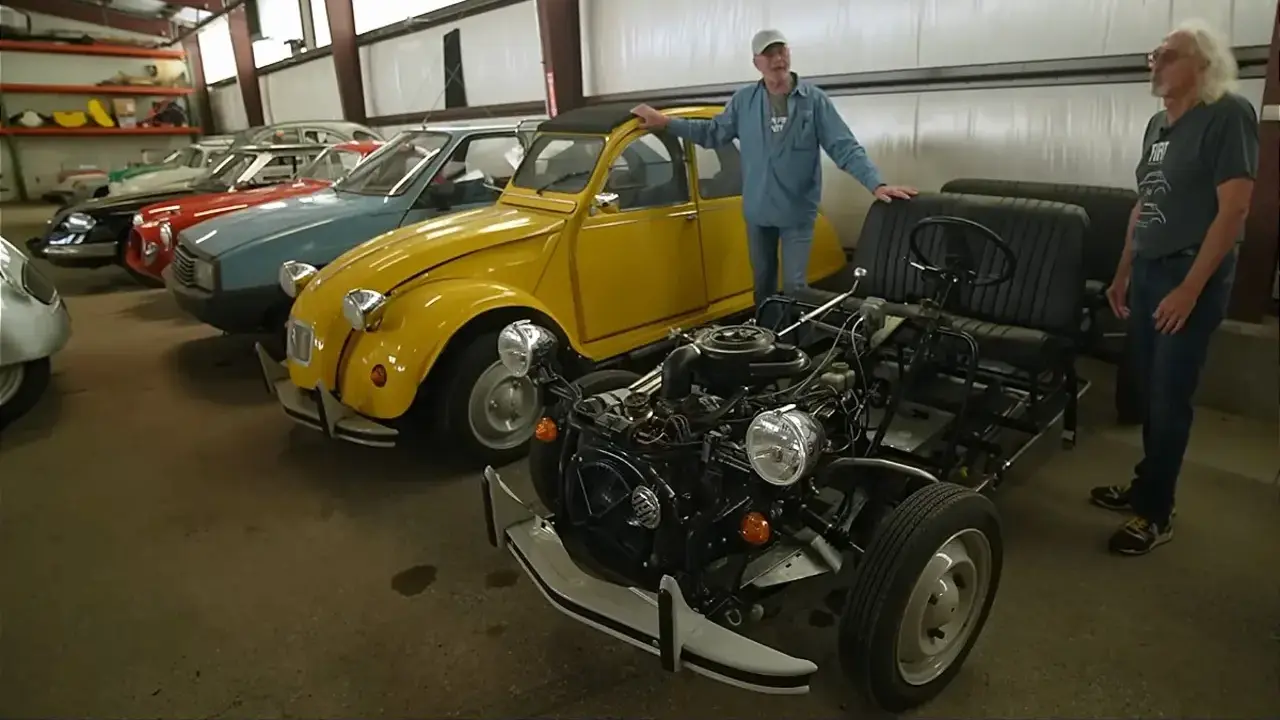
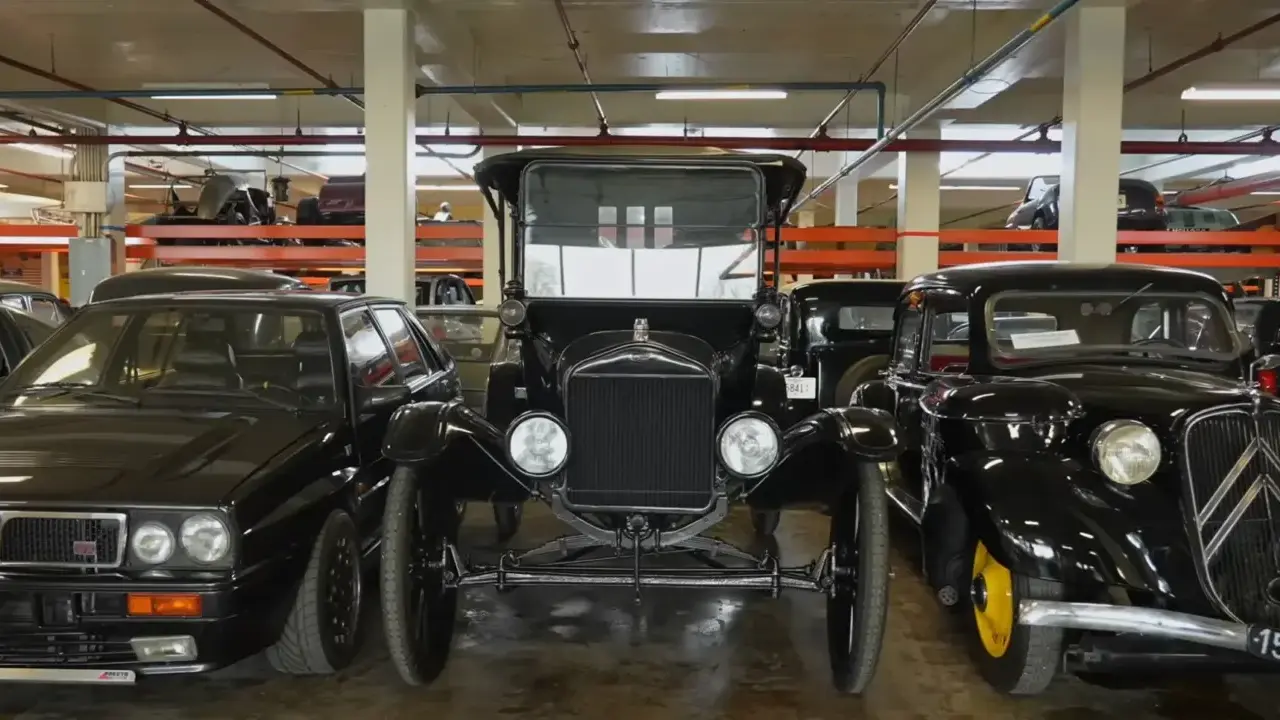
Most car museums follow a familiar formula. You get the usual icons, a few blue-chip classics, maybe a Model T, a Thunderbird, and a handful of muscle cars everyone already recognizes.
This place is the complete opposite.
The Lane Motor Museum in Nashville has built its reputation on the strange, the overlooked, and the gloriously obscure. Instead of chasing the most famous cars in history, it hunts down the ones most people never even knew were built.
And that is exactly what makes it one of the most fascinating automotive collections anywhere.
A Museum Built Around the Weird and Wonderful
During a tour of the museum’s lower-level storage collection, founder Jeff Lane explained that the museum owns around 550 vehicles, though only about 125 can be displayed at one time.
That means dozens of cars rotate in and out every year, many of them one-offs, prototypes, forgotten oddities, or deeply unusual production vehicles from around the world.
Lane openly embraces the label “King of Weird,” and honestly, it fits.
This is a museum for people who want to be surprised, not a place you visit to view all the greatest hits.
One-Off Cars You’ve Probably Never Seen Before
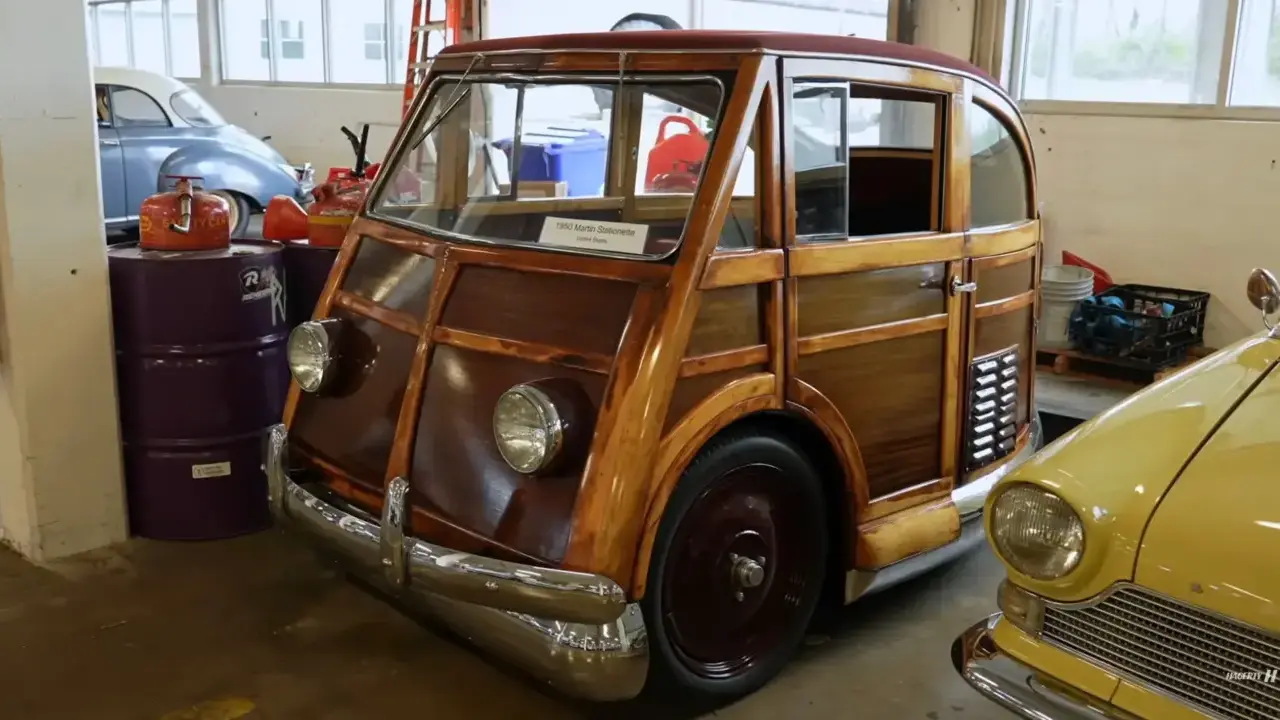
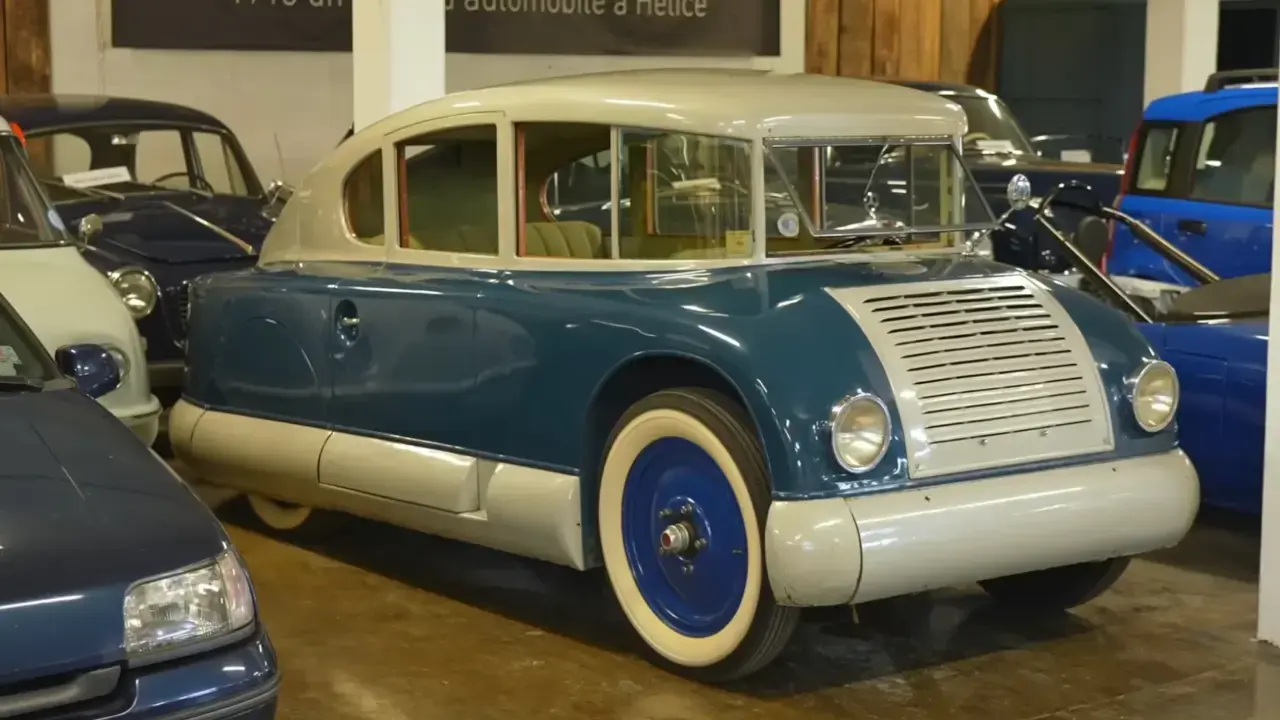
Among the standout cars in the tour was the Martin Aerodynamic, one of three vehicles built by Long Island patent attorney James Martin, who dreamed of designing cars and licensing the ideas to manufacturers.
The museum actually owns all three of his known creations.
One was an aluminum-bodied streamliner with a wood frame and rear-mounted Continental flat-four engine. Another, called the Stationette, used a bizarre Harley-Davidson gearbox and was designed around the idea that airport mechanics across America could assemble it from kits.
Tiny Cars, Bubble Cars, and Total Oddballs
The collection also includes a bizarre two-thirds-scale Mini, a shortened “Plum Mini,” a one-off aluminum bubble car called the Ericsson, and a strange French scooter-car hybrid called the Skootavia Tripousse.
Then there is the Hoffmann, another homemade one-off with rear steering and terrifying proportions, plus street-legal King Midget microcars powered by lawnmower-like engines.
Each one feels like it came from a parallel automotive timeline where engineers, hobbyists, and dreamers had fewer rules and much more imagination.
That freedom is what gives the museum so much personality.
Rare Engineering Solutions From Another Era
Some of the most interesting vehicles in the museum are not beautiful or fast. They are clever.
One example is a Citroën Traction Avant Gazogène, converted during World War II to run on coal-derived gas because gasoline was unavailable to civilians. Another is a double-ended Citroën 2CV replica inspired by a French fire-service solution for narrow rural roads, complete with two engines so it could be driven in either direction.
These rare cars are answers to problems most modern drivers never think about, and that makes them more than curiosities.
The Collection Even Includes a 200,000-Pound Monster

As if the basement full of one-offs was not enough, the museum also owns a LARC-LX, an enormous amphibious military cargo vehicle from the Vietnam era.
Jeff Lane says it is the largest vehicle in the museum’s collection, measuring 62 feet long, 14 feet wide, and weighing around 200,000 pounds empty.
It has four Detroit diesel engines, one for each wheel, and it floats.
Most museums would build an entire marketing campaign around a machine like that. Here, it is just one more part of the collection.
Why This Place Stands Out
The Lane Motor Museum works because it does not try to impress people in the usual way.
It does not rely on predictable Ferraris, six-figure muscle cars, or celebrity-owned classics to get attention.
Instead, it celebrates the forgotten edges of car culture: the one-offs, the failed ideas, the improvised solutions, and the brilliant weirdos who built machines just because they could.
That makes it less like a traditional museum and more like an archive of automotive imagination.