Supercars represent the pinnacle of automotive performance, but that incredible power comes with a serious catch. For drivers without track experience or advanced skills, some of these machines were downright treacherous, turning dream drives into nightmare scenarios.
Let’s look at the supercars that demanded respect and serious driving chops.
Porsche 911 Turbo (930)

The original widowmaker earned its nickname the hard way. That rear-engine layout combined with sudden turbo boost made lift-off oversteer a real threat, meaning if you panicked and lifted off the throttle mid-corner, the back end would swing around faster than most drivers could react.
Porsche eventually tamed this beast, but the early turbos sent plenty of inexperienced drivers spinning into hedges.
Dodge Viper GTS

The Viper’s V10 is often called a truck engine, but the production unit was an aluminum Chrysler-designed V10 based loosely on the Chrysler LA V8 architecture, with Lamborghini involvement in the aluminum block castings. With 450 horsepower going to the rear wheels and a manual transmission, it would punish any ham-fisted throttle application with instant sideways action.
This was a car that required smooth inputs and constant respect, especially in the rain.
Lamborghini Countach
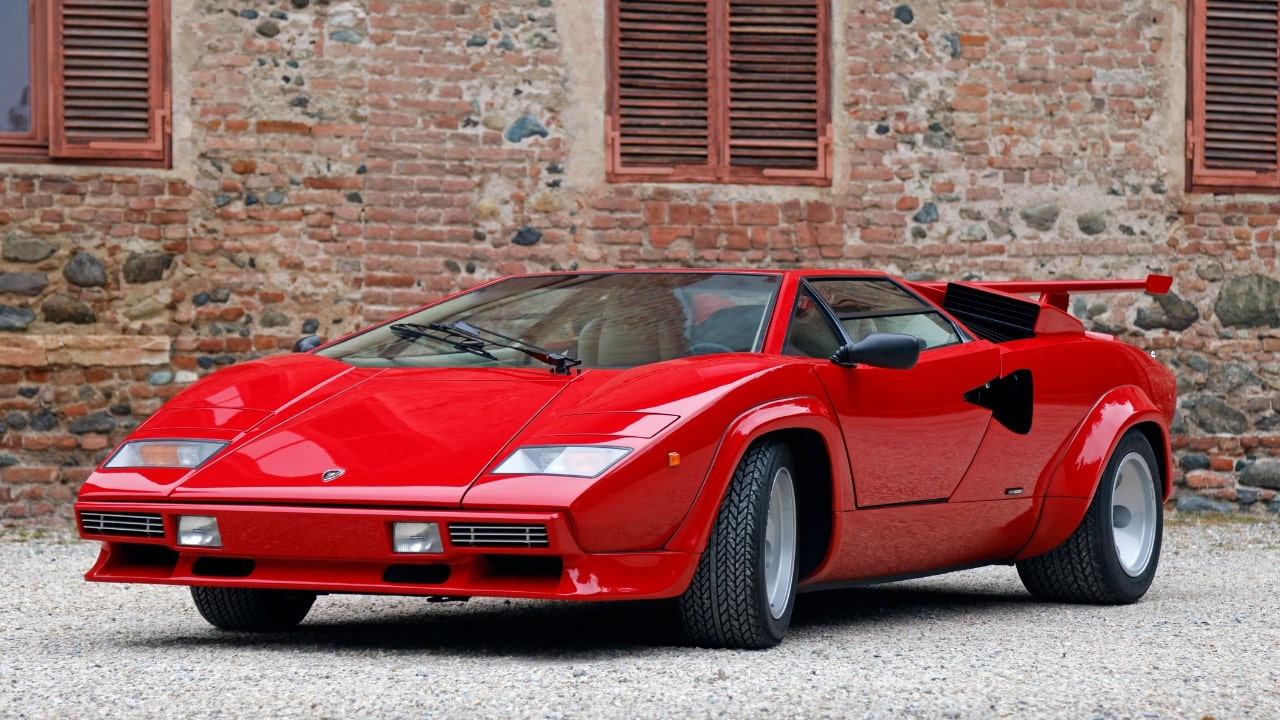
Sure, it looked like it belonged on a bedroom poster, but the Countach was a handful even at parking lot speeds. The visibility was terrible, the clutch was brutally heavy, and once you got it moving, the handling was unpredictable at the limit.
This was a car that looked much easier to drive than it actually was.
Ferrari F40

Ferrari’s last personally approved supercar was a race car with license plates. The turbocharged V8 delivered power in a violent rush, the suspension was rock-hard, and there were no electronic aids to save you from your mistakes.
Many wealthy buyers discovered they’d purchased something far more demanding than they’d bargained for.
TVR Sagaris
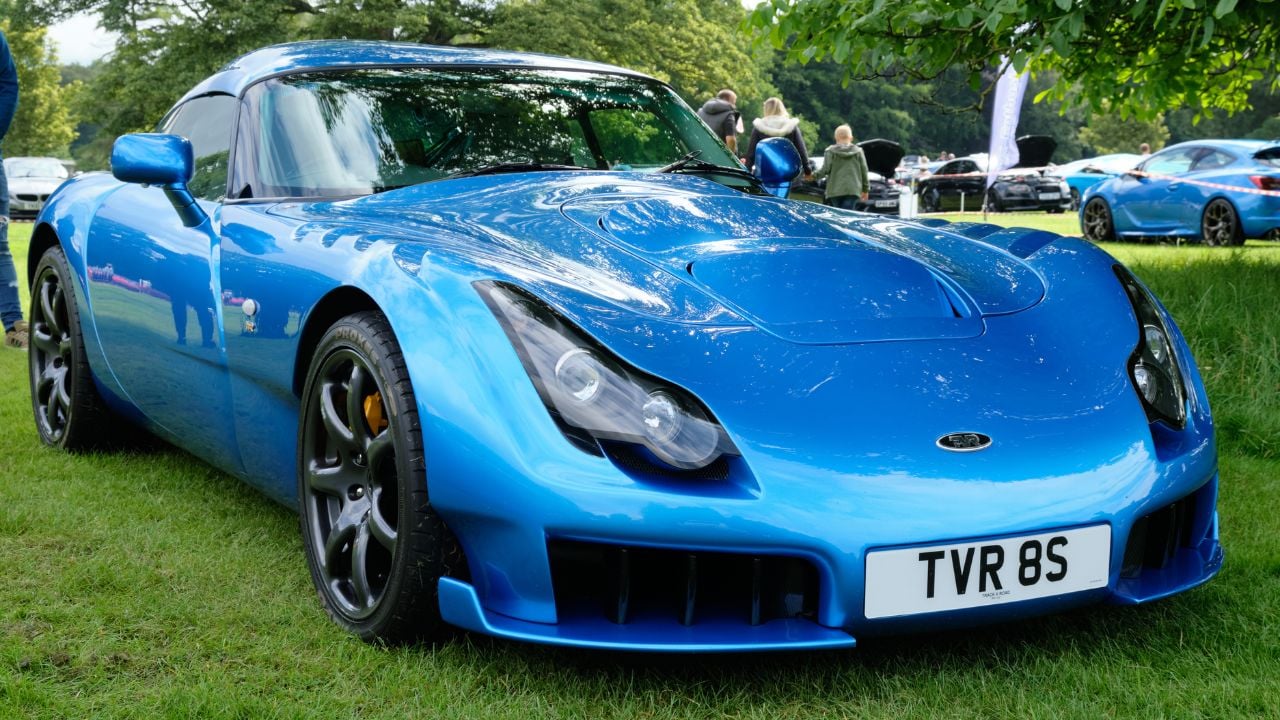
British manufacturer TVR took pride in building cars without any driver aids, and the Sagaris was their masterpiece of analog terror. The lightweight body and powerful engine meant lightning-fast acceleration, but the twitchy handling and complete lack of electronic assistance made it easy to get into trouble.
TVR’s philosophy was that real drivers don’t need help, but insurance companies strongly disagreed.
Shelby Cobra 427

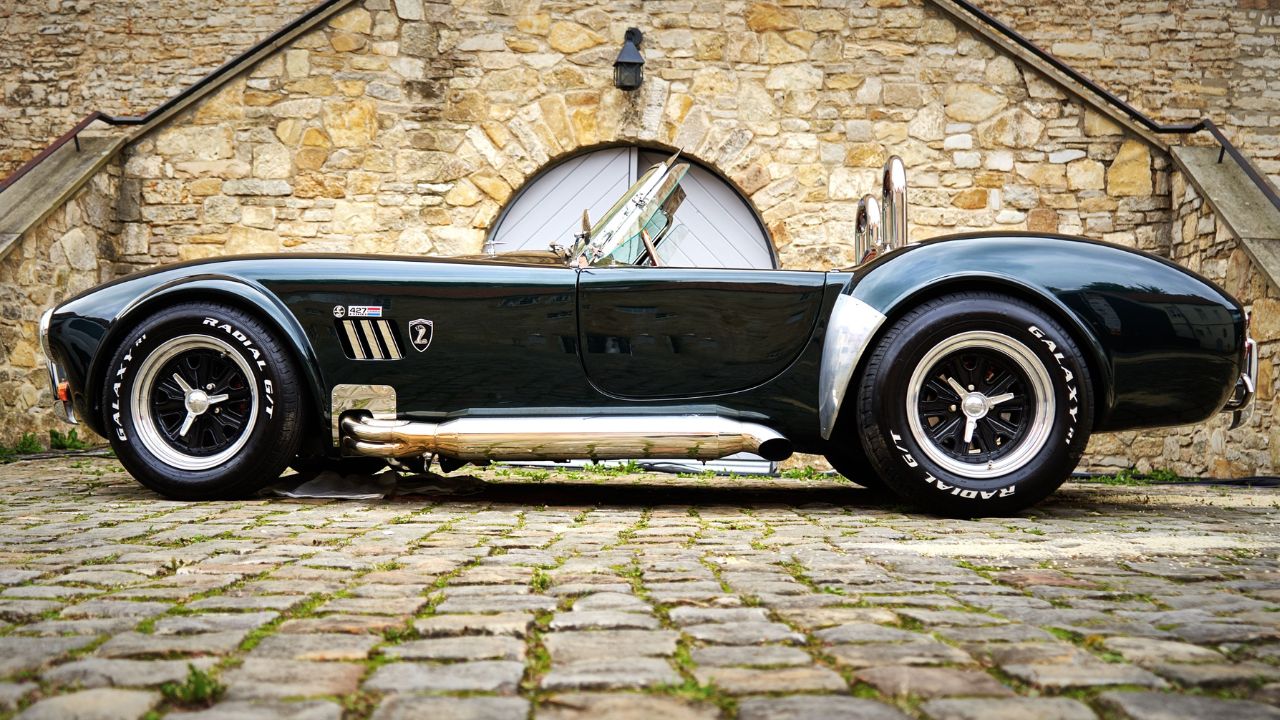
Carroll Shelby’s formula was simple: take a lightweight British roadster and stuff in the biggest American V8 possible. The result was a car with massive torque, primitive suspension, and skinny tires that had no business trying to contain that much power.
Modern reproductions are easier to manage, but original 427s were genuinely intimidating.
Vector W8
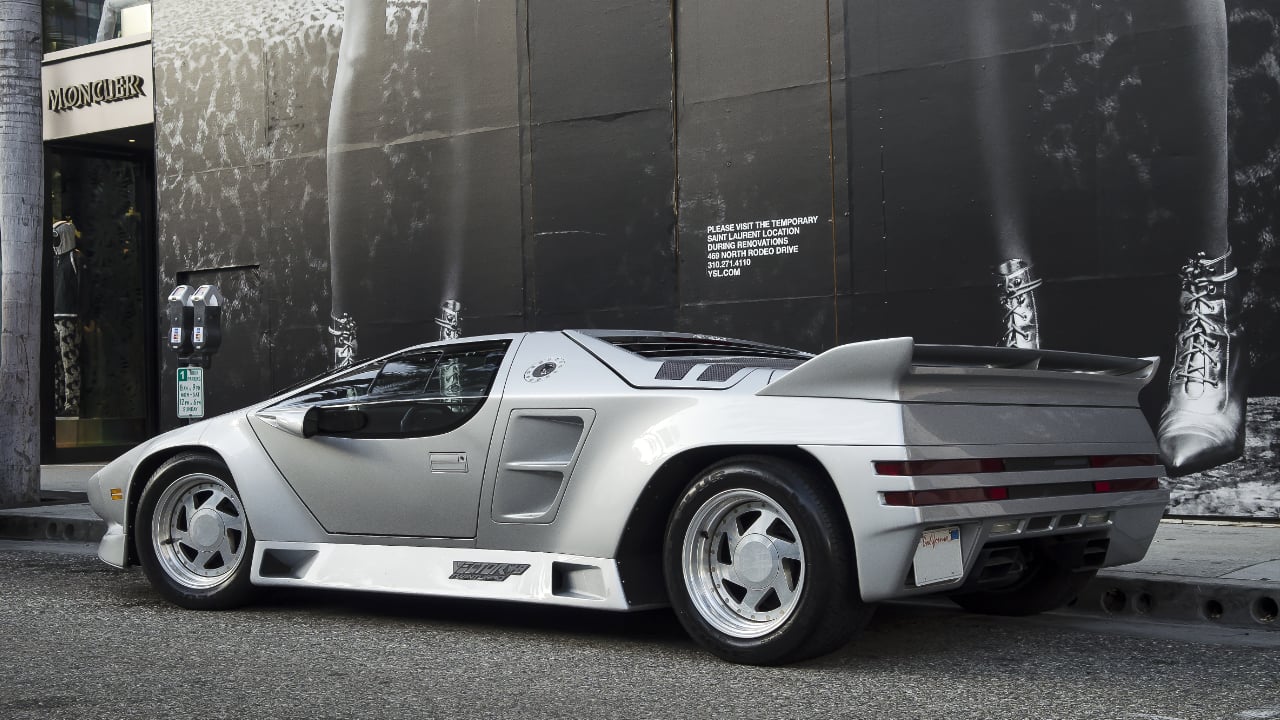
This American supercar looked like it belonged in a sci-fi movie, and driving it felt equally alien. The twin-turbo 6.0-liter Rodeck V8 was advertised at over 600 horsepower, which was enormous for the late 1980s, but the chassis development couldn’t quite match the engine ambition.
The result was a car that could overwhelm its tires and suspension before the driver knew what was happening.
Lotus Esprit Turbo

The Esprit was light, turbocharged, and loved to rotate, sometimes when you didn’t want it to. That mid-engine layout meant the handling was sharp but unforgiving, and the turbo lag followed by sudden boost could catch inexperienced drivers off guard.
Bond made it look easy, but real-world driving required serious finesse.
Noble M400
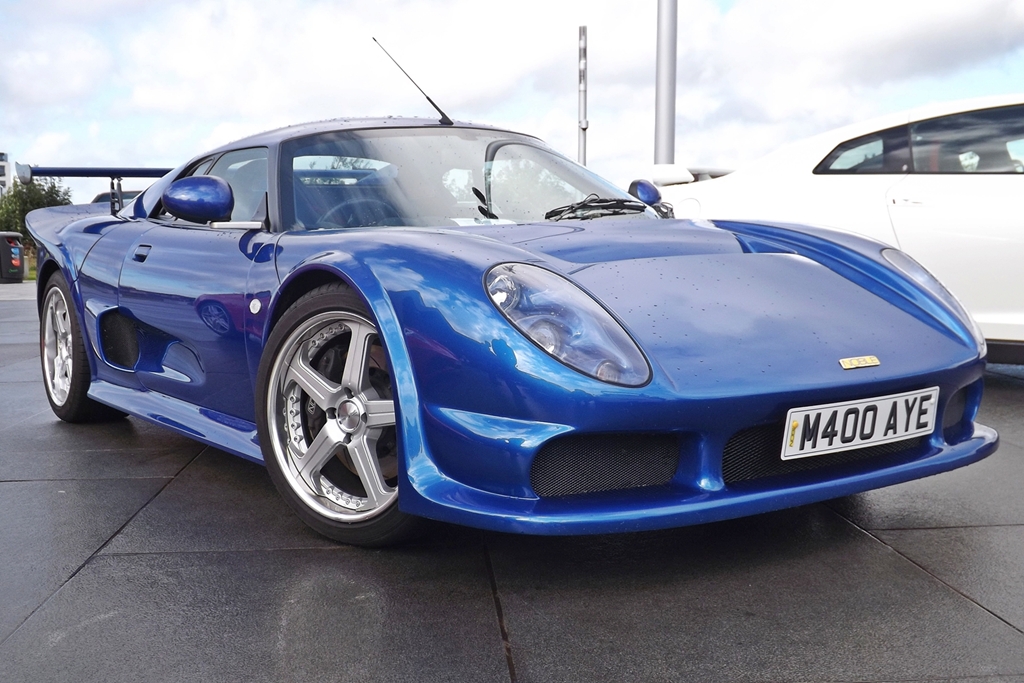
This British boutique supercar packed twin turbos and around 425 horsepower into a chassis weighing about 2,337 lb (1,060 kg). The power-to-weight ratio was phenomenal, but Noble skipped the electronic nannies to keep costs down and weight low.
That meant drivers had to rely on skill alone, and the M400 would happily expose any deficiencies.
Mosler MT900
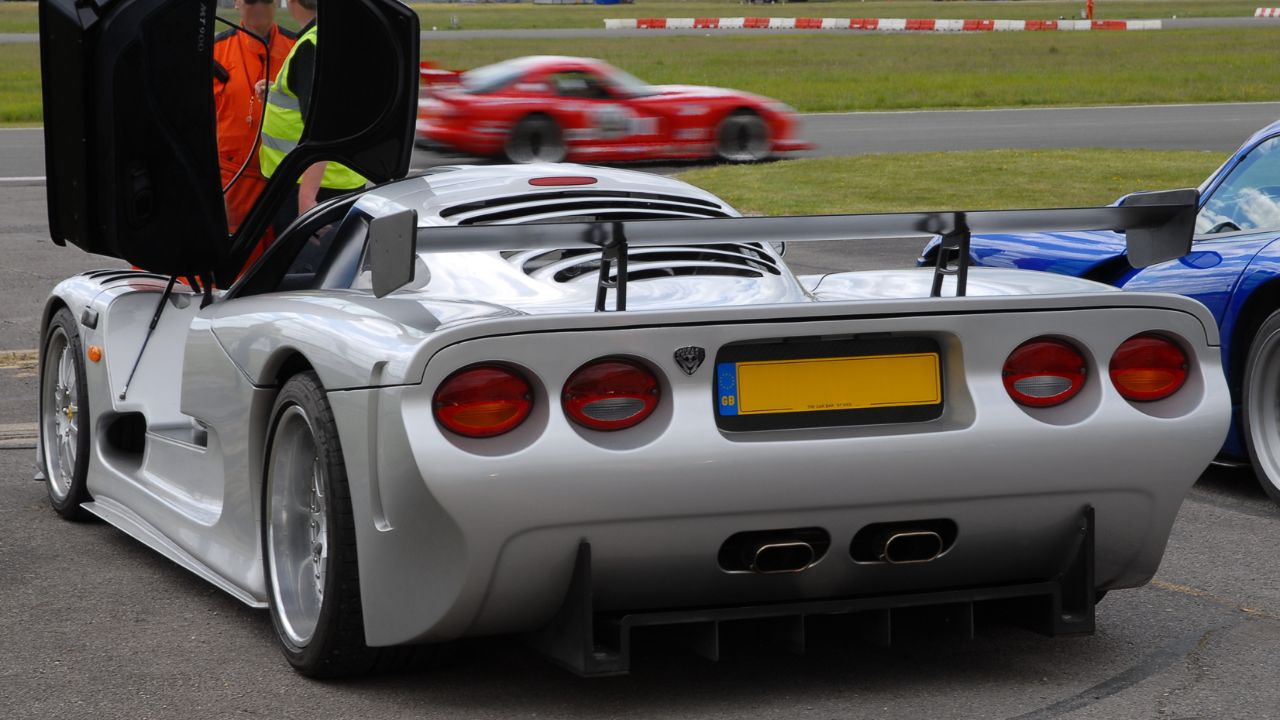
The MT900 was essentially a race car that somehow got road legal certification. With a mid-mounted Chevrolet LS-series V8 (varied by version) and construction so light you could practically lift the rear end yourself, it had performance that embarrassed cars costing twice as much.
But that performance came with zero forgiveness for mistakes, and the stripped-down interior meant you were very aware of every mph.
Cizeta-Moroder V16T

This obscure Italian supercar featured a transverse V16 engine: a transverse V16 based on the Lamborghini Urraco DOHC V8 architecture, sharing a number of parts. The engineering was ambitious, but the execution left drivers with a wide, heavy car that had tricky handling characteristics.
Limited production meant few mechanics knew how to properly set one up, so many examples drove even worse than they should have.
Ford GT (2005-2006)
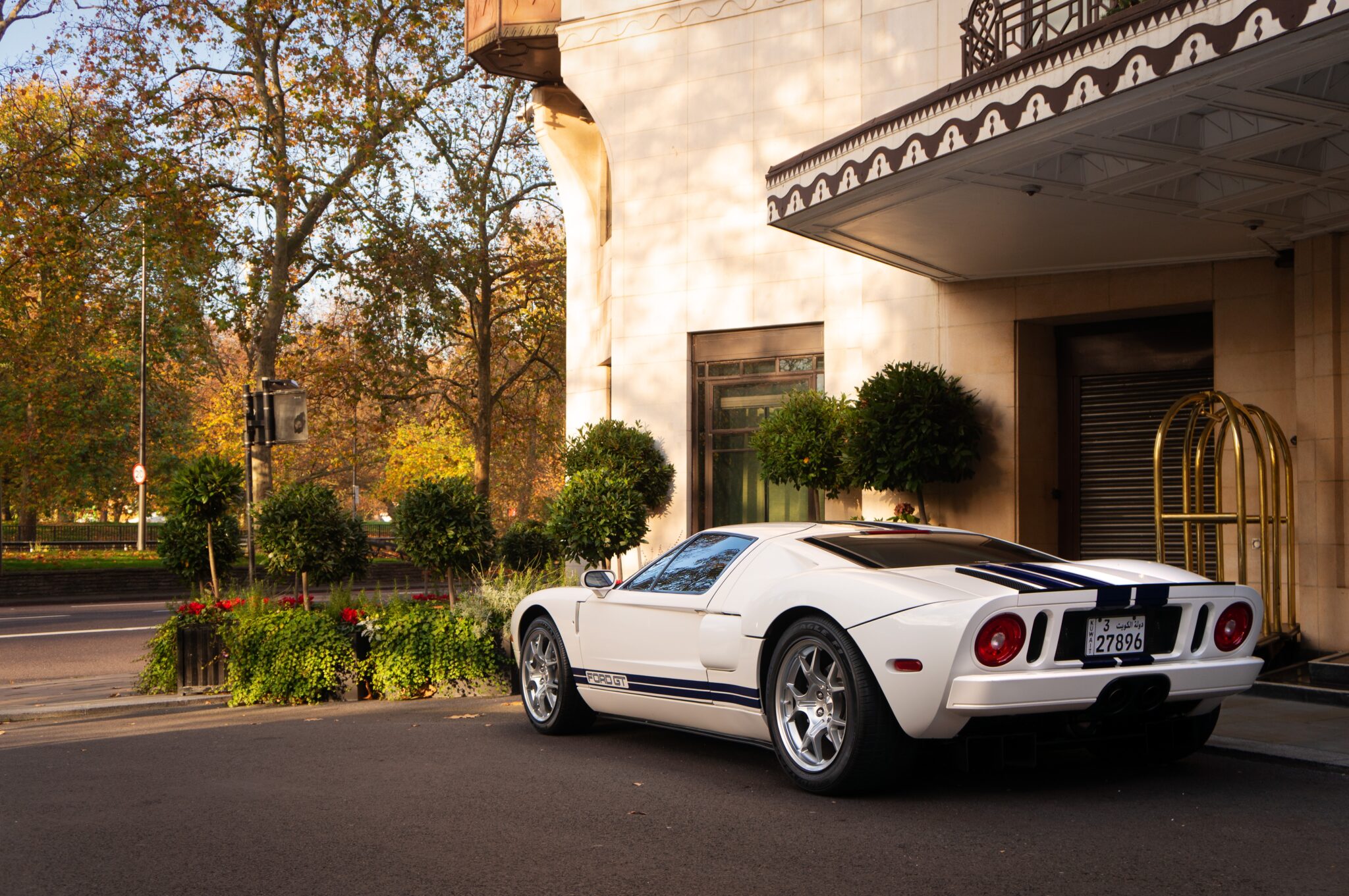
The modern Ford GT paid homage to the Le Mans-winning GT40, but early examples had a reputation for snap oversteer. That supercharged V8 delivered massive torque, and the suspension setup could transition from stable to sideways without much warning.
Ford issued recalls on early cars, including a control arm casting defect that could fracture and affect handling, increasing crash risk, but early cars kept even experienced drivers alert.
Conclusion
Modern supercars are remarkably safe thanks to advanced traction control, stability systems, and sophisticated suspension technology. But these older machines required genuine skill and constant attention, separating the truly talented drivers from those who just had the money to buy something fast.
They’re reminders that raw performance means nothing without the ability to control it and that sometimes the most dangerous thing about a supercar isn’t the car itself, but the driver behind the wheel.