Safety technology has come a long way since the days when seatbelts and airbags were considered cutting-edge. Today’s SUVs are equipped with sophisticated crash structures, advanced driver-assistance systems, and innovative materials that work together to protect occupants in ways previous generations could barely imagine.
The Insurance Institute for Highway Safety (IIHS) and the National Highway Traffic Safety Administration (NHTSA) have also raised their testing standards, making it harder than ever for vehicles to earn top ratings. For 2025 and 2026, several standout SUVs have not only met these rigorous requirements but have exceeded them with flying colors. Whether you’re hauling your family across town or embarking on a cross-country road trip, these vehicles offer peace of mind without sacrificing style, performance, or practicality.
Here are some of the safest SUVs you can buy right now, backed by science and built for real-world protection.
Mazda CX-50

The Mazda CX-50 proves that driving enjoyment and safety aren’t mutually exclusive.
This compact SUV earned the IIHS Top Safety Pick+ designation for both 2025 and 2026, achieving top “Good” ratings across all crash tests including the updated moderate overlap front test. With a starting price around $29,900, it comes standard with all-wheel drive and Mazda’s i-Activsense safety suite, which includes smart brake support, blind spot monitoring, and lane-keep assist. NHTSA publishes crash test results by specific configuration, so shoppers should confirm the exact CX-50 rating for the trim they are considering using NHTSA’s database.
But here’s what really sets it apart: unlike many SUVs that prioritize comfort over engagement, the CX-50 delivers sharp steering and composed handling that make every drive feel intentional. The cabin feels genuinely upscale with quality materials that rival luxury brands, though cargo space is slightly below average compared to competitors.
For drivers who want an SUV that protects their family while still putting a smile on their face, the CX-50 hits that sweet spot perfectly.
Hyundai Santa Fe
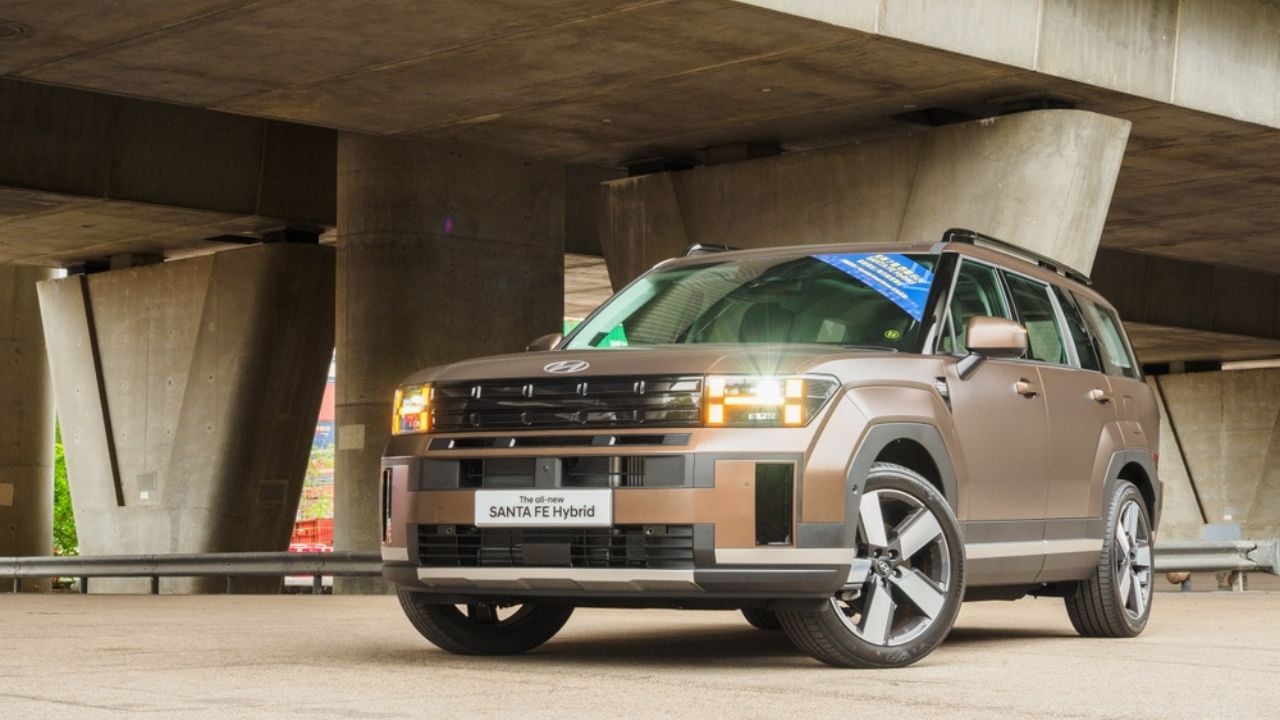
Before you dismiss this boxy three-row SUV as just another family hauler, consider that the 2026 Santa Fe earned IIHS Top Safety Pick+ status while starting at just $34,800, thousands less than most competitors.
Hyundai didn’t just phone in the safety features here; they made forward collision warning with automatic emergency braking, full-speed adaptive cruise control, blind-spot monitoring, and lane-keeping assistance standard on every trim. The Santa Fe received top “Good” ratings in all three crash tests conducted by IIHS.
What makes this particularly impressive is that Hyundai swapped out the old dual-clutch transmission for a more reliable torque-converter automatic for 2026, addressing one of the few complaints about the previous model. The turbocharged 2.5-liter four-cylinder delivers 277 horsepower, giving it more punch than most rivals, and the boxy design actually maximizes interior space rather than just being a styling gimmick.
Critics who claim modern SUVs all look the same clearly haven’t seen the Santa Fe’s bold, upright stance that actually serves a functional purpose.
Honda Passport
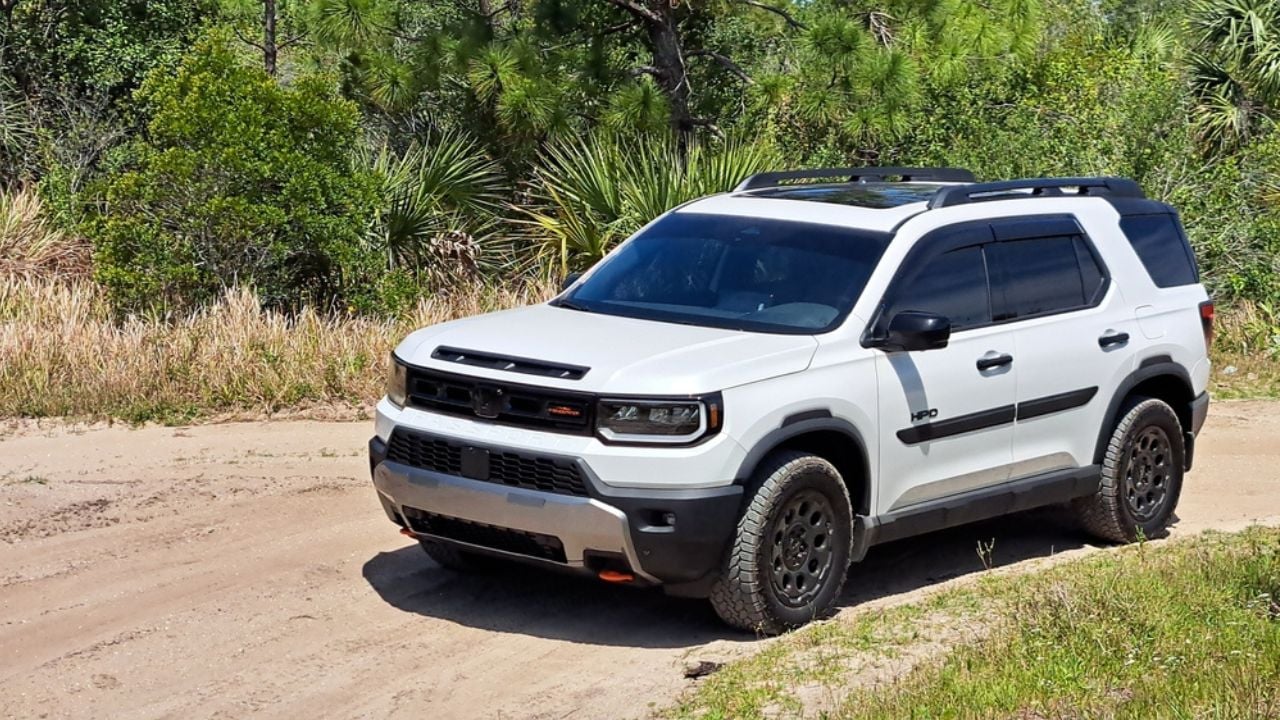
The redesigned 2026 Honda Passport earned an IIHS Top Safety Pick+ award, with Good ratings in the small overlap front, updated moderate overlap front, and updated side crash tests.
Pricing for the 2026 Passport starts at $46,200 including destination, and every trim includes Honda Sensing driver assist features such as automatic emergency braking, adaptive cruise control, and lane keeping assist.
Power comes from a 3.5 liter V6 rated at 285 horsepower paired with a 10 speed automatic, and Honda lists 8.3 inches of ground clearance and a 5,000 lb tow rating across the lineup.
Subaru Forester

The 2025 Subaru Forester has earned the IIHS Top Safety Pick award an astounding 18 times since 2007, more than any other small SUV.
For 2025, it earned an IIHS Top Safety Pick award (excluding the Wilderness trim), with Good ratings in the small overlap front and updated side tests and an Acceptable rating in the updated moderate overlap front test. Starting at $29,995, the Forester comes standard with Subaru’s award-winning EyeSight driver assist technology, advanced adaptive cruise control with lane centering, and steering-responsive LED headlights that actually turn with the road. The redesigned model features a quieter, more refined interior and a sleeker exterior design, though it maintains the practical, upright proportions that make it so versatile.
Every Forester includes Symmetrical All-Wheel Drive as standard, not an add-on, giving it genuine all-weather capability that many crossovers simply can’t match. Critics who say it’s underpowered compared to turbocharged rivals are overlooking the fact that the Forester prioritizes efficiency, capability, and long-term reliability over sprint times.
This is an SUV built for people who actually use their vehicles rather than just pose in them, and the safety accolades speak to Subaru’s unwavering commitment to protection.
Hyundai Tucson
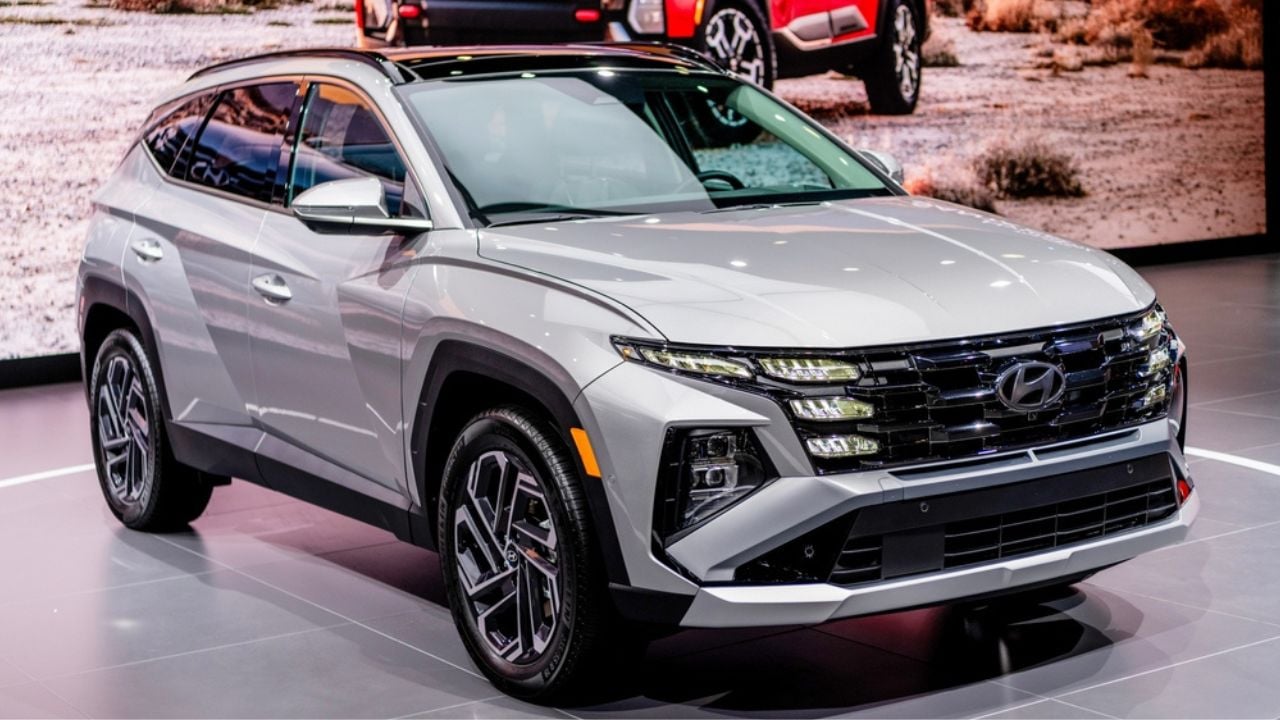
The 2025 Hyundai Tucson might be a compact SUV, but it packs major safety credentials.
It earned the IIHS Top Safety Pick+ designation, with strong crash test performance and crash prevention scores under IIHS criteria. Hyundai made the smart decision to make these technologies accessible to everyone, not just buyers willing to pay for premium packages. Starting around $28,000, the Tucson offers remarkable value while delivering protection that rivals SUVs costing significantly more.
The available hybrid and plug-in hybrid models add impressive efficiency to the safety equation, achieving up to 38 mpg combined without sacrificing the features that earned those top ratings. Inside, the cabin feels more premium than the price suggests, with available two-tone upholstery and a dual-screen setup that combines the digital instrument cluster and infotainment display.
Skeptics who think “affordable” means “compromised” haven’t spent time in a modern Tucson, this is proof that democratizing safety technology benefits everyone on the road, not just those who can afford luxury badges.
Genesis GV70
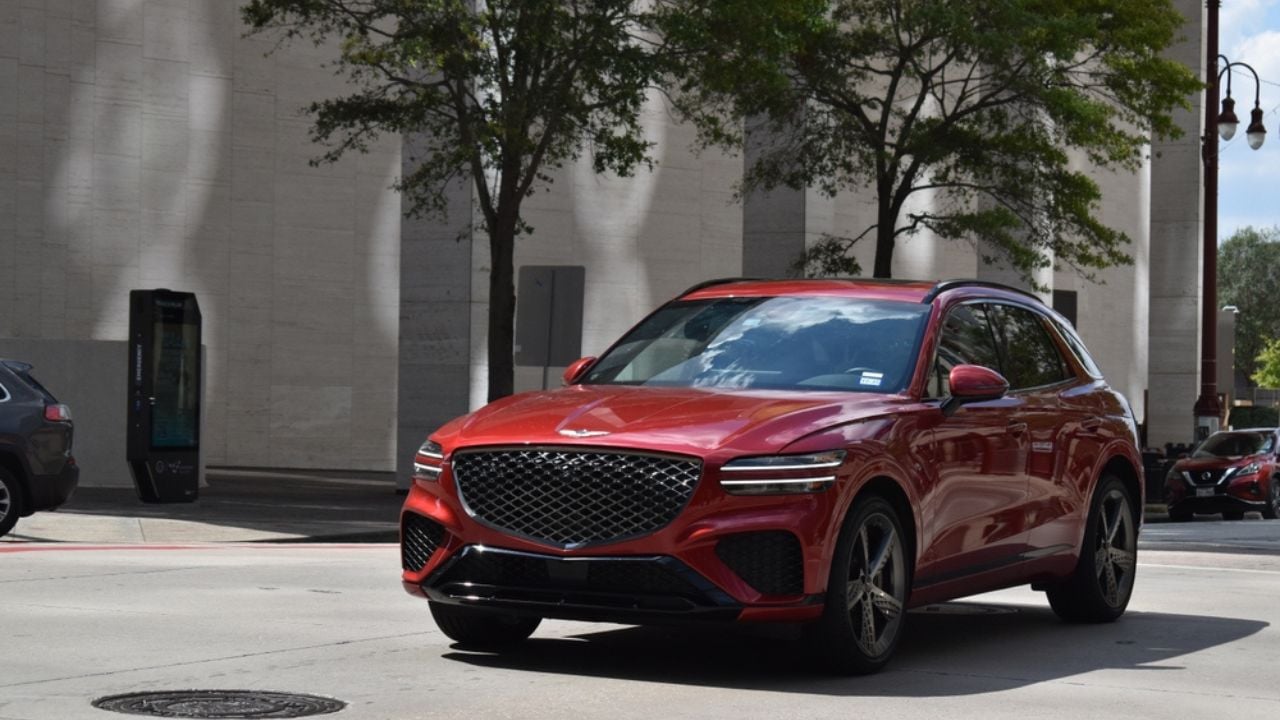
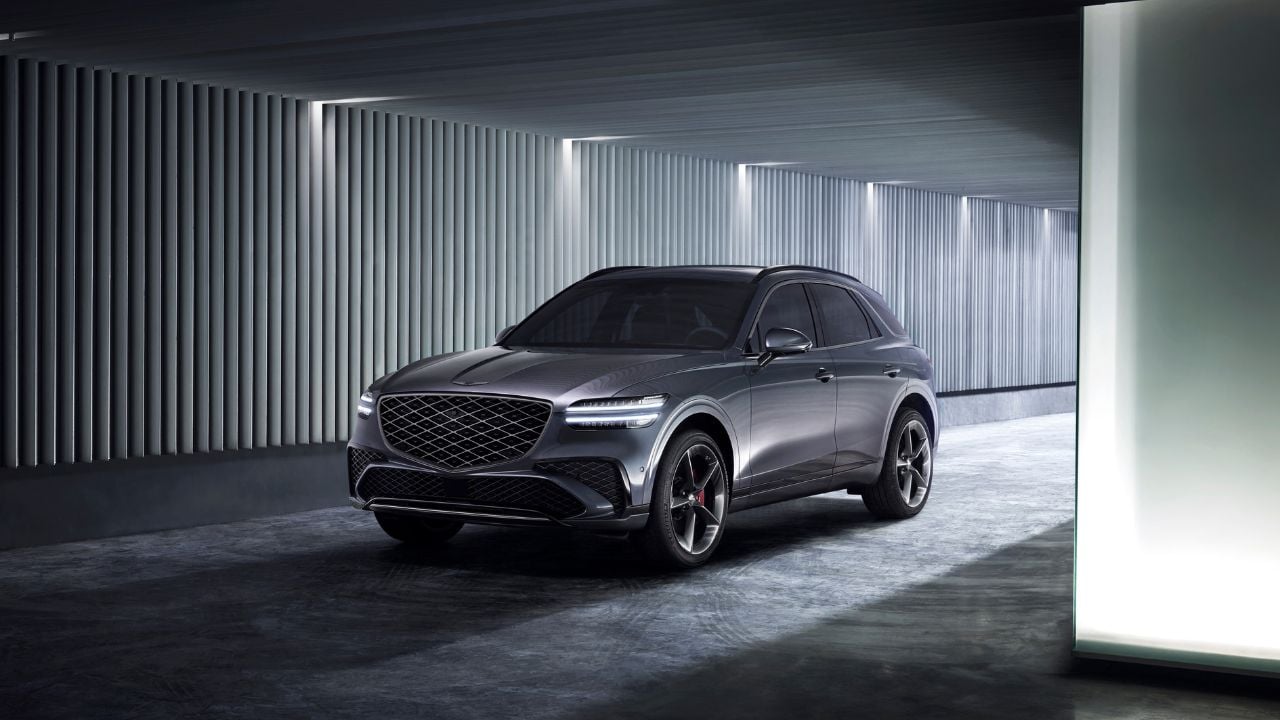
The Genesis GV70 represents the sweet spot between luxury refinement and hardcore safety engineering.
Fresh off a refresh for 2026, this compact luxury SUV maintains its IIHS Top Safety Pick+ status while adding slightly revised styling and more standard technology. Genesis doesn’t mess around when it comes to protection: the GV70 earned top crash test ratings required for an IIHS Top Safety Pick+ award. What sets it apart is the standard equipment list that would cost thousands extra on German competitors, forward collision avoidance, blind-spot monitoring, lane-keeping assist, and adaptive cruise control come on every model.
The turbocharged four-cylinder delivers 300 horsepower while a twin-turbo V6 option cranks that up to 375, giving it performance credentials that match its safety bonafides. Starting around $45,000 (for 2025), the GV70 undercuts rivals like the BMW X3 while offering comparable or superior safety equipment.
Some people may claim Genesis lacks the prestige of established luxury brands, but they’re stuck in the past: the GV70’s combination of style, safety, and value proves that new players can compete at the highest level when they prioritize what actually matters to drivers.
Lincoln Nautilus
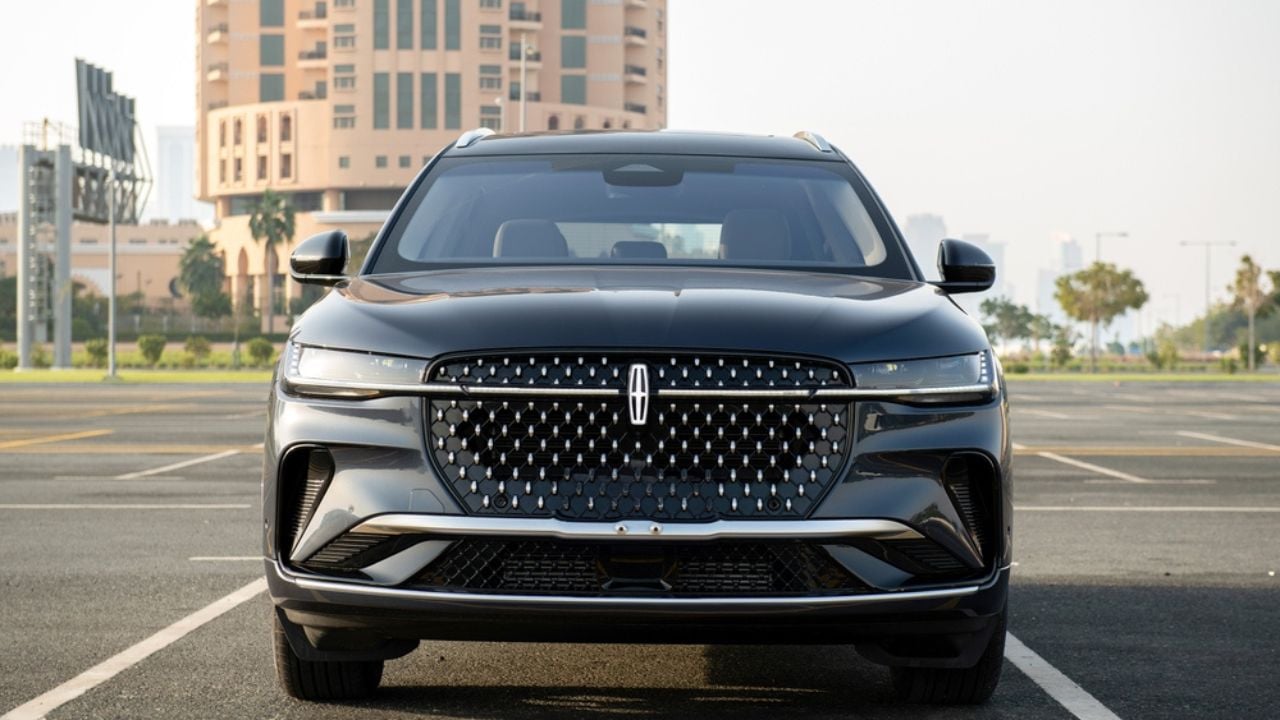
The 2026 Lincoln Nautilus takes the “luxury SUV” concept seriously, wrapping impressive safety credentials in an elegantly appointed package.
This midsize two-row SUV earned IIHS Top Safety Pick+ status with perfect crashworthiness and collision prevention scores, proving that Lincoln’s commitment to protection matches its focus on comfort. What’s particularly noteworthy is that Lincoln includes the full suite of active safety features as standard equipment, forward collision warning with brake assist, lane-departure warning, lane-keeping assist, pedestrian detection, and even BlueCruise hands-free highway driving assistance come on every Nautilus.
The base price hovers around $50,000, but you’re getting technology that often costs extra on competitors, plus the kind of serene, whisper-quiet cabin that makes long drives feel effortless. The turbocharged engine options deliver smooth, confident acceleration without the harshness some German rivals exhibit.
Critics who dismiss American luxury brands as outdated haven’t driven a modern Nautilus, this is an SUV that prioritizes actual comfort and safety over badge snobbery, and for many buyers, that represents genuine luxury.
Mazda CX-90
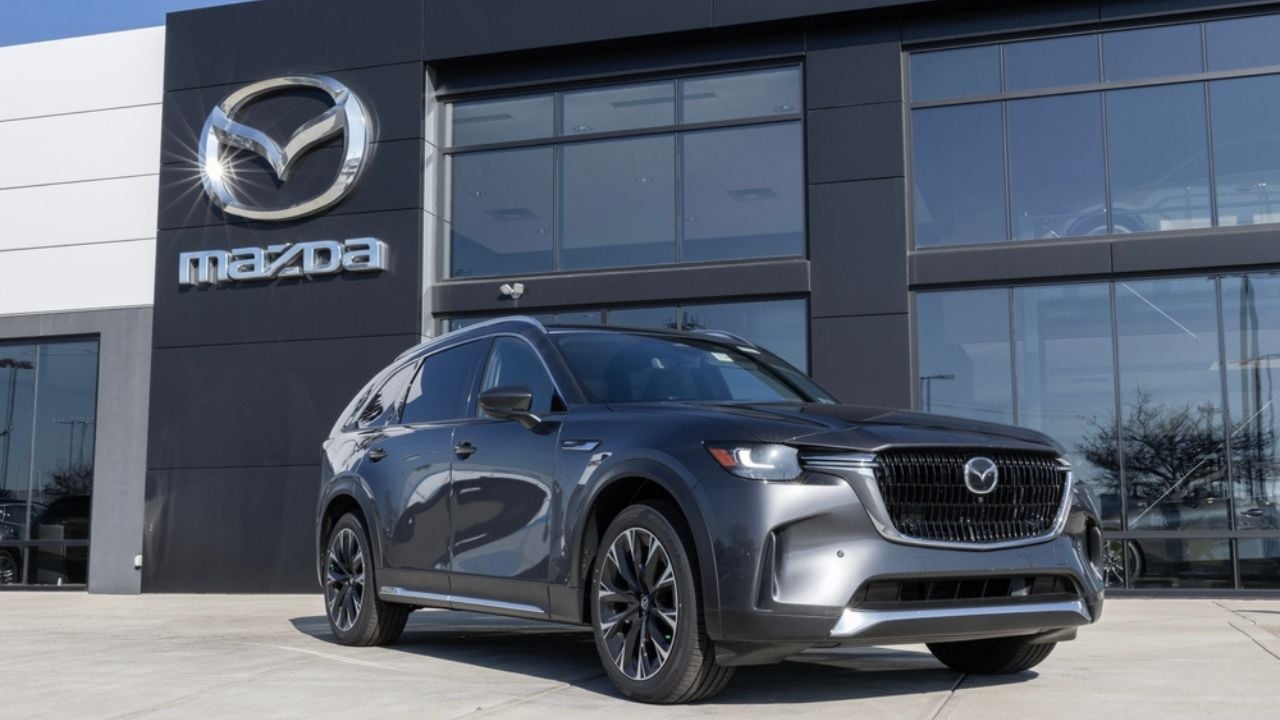
The Mazda CX-90 brings three-row practicality to the safety conversation without sacrificing the driving dynamics Mazda is known for.
The 2025 model earned an IIHS Top Safety Pick+ designation despite its substantial size, proving that big SUVs don’t have to compromise protection for space. Starting around $40,000, the CX-90 comes standard with Mazda’s i-Activsense suite including smart brake support, blind spot monitoring, and rear cross-traffic alert, while higher trims add features like a 360-degree view monitor. The available plug-in hybrid powertrain combines efficiency with capability, though even the turbocharged inline-six gas model delivers impressive power.
The interior feels genuinely upscale with available Nappa leather and real wood trim that puts some luxury brands to shame. Those who whine about the third-row being tight for adults are missing the point: the CX-90 prioritizes overall balance rather than maximizing one dimension at the expense of others.
For families who want a three-row SUV that doesn’t drive like a school bus and actually protects everyone inside, the CX-90 delivers on both fronts admirably.
Volvo XC90
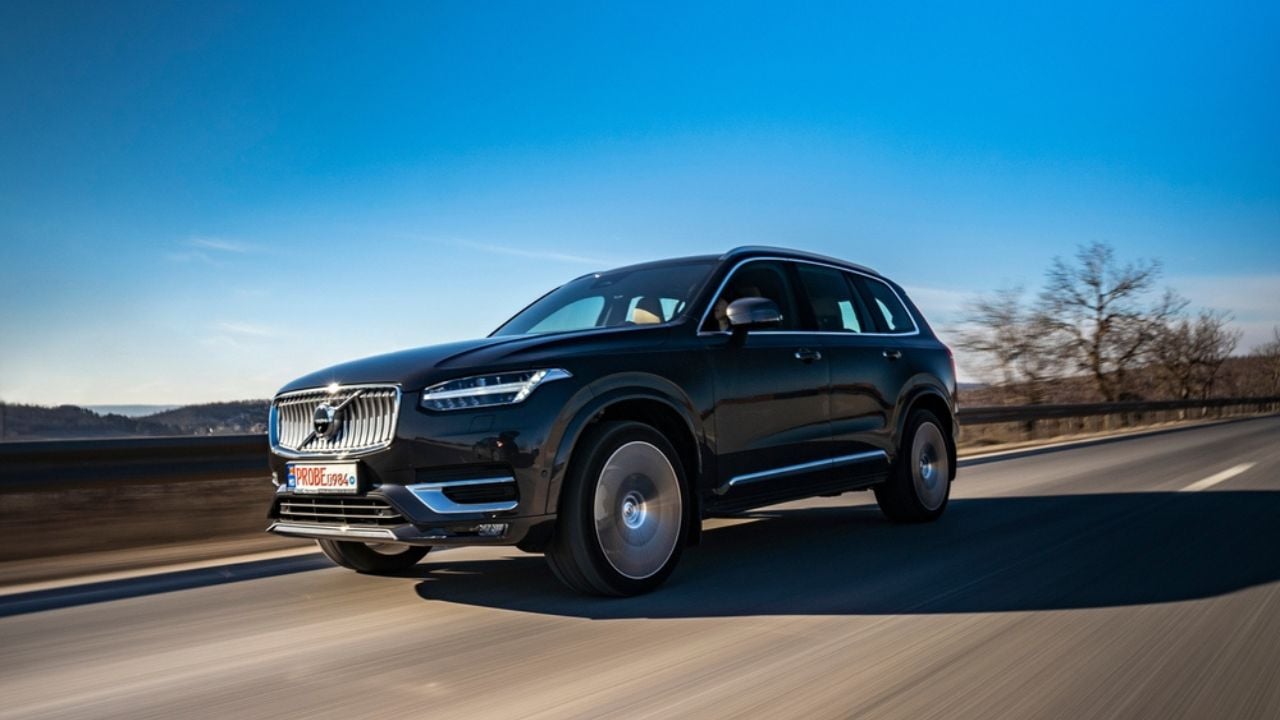
The Volvo XC90 has long been synonymous with safety, and the 2025 and 2026 models (including the plug-in hybrid variant) maintain that reputation with IIHS Top Safety Pick+ ratings.
Volvo pioneered many safety technologies that are now industry standard, and the XC90 continues that tradition with features like City Safety with steering support, run-off road mitigation, and oncoming lane mitigation all included. The three-row SUV received top “Good” ratings across all crash tests, living up to Volvo’s stated goal that nobody should be killed or seriously injured in a new Volvo by 2020 (a goal they’re still pursuing).
Starting around $56,000, the XC90 isn’t cheap, but the Scandinavian design philosophy prioritizes function and human-centric engineering over unnecessary complexity. The available plug-in hybrid delivers impressive efficiency for such a large vehicle, while the cabin materials and minimalist design create a serene environment that reduces driver distraction.
Those who think the XC90 looks dated compared to newer competitors are confusing timelessness with obsolescence — this is an SUV designed to age gracefully while protecting families for years to come, not to chase fleeting styling trends.
Nissan Armada
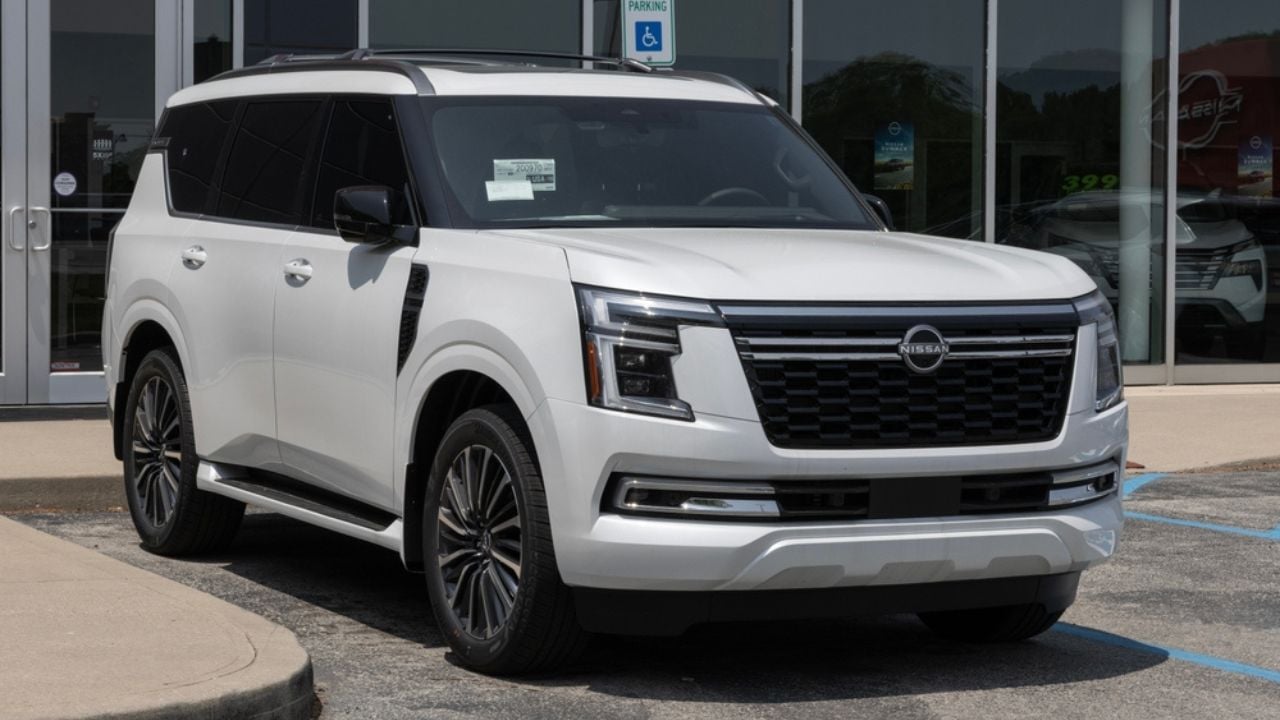
The redesigned 2025 Nissan Armada proves that full-size SUVs can be safe without feeling like tanks.
This three-row behemoth earned IIHS Top Safety Pick+ status, a remarkable achievement given its size and body-on-frame construction. Nissan equipped every Armada with Safety Shield 360, which includes automatic emergency braking with pedestrian detection, blind spot warning, rear cross-traffic alert, lane departure warning, and high beam assist, all standard, not optional. With seating for up to eight and serious towing capability (up to 8,500 pounds), the Armada serves families who actually need the space and capability of a full-size SUV.
The 3.5L twin-turbo V6 rated at 425 hp, giving it the power to confidently move all that mass and whatever you’re towing behind it. Pricing for the 2025 Armada starts in the low $60,000 range, and it’s positioned as a more affordable alternative to the Chevrolet Tahoe and Ford Expedition while delivering comparable safety credentials.
Haters who claim full-size SUVs are unnecessary for most buyers are probably right, but for those who genuinely need the capability, whether for large families, serious towing, or genuine off-road use, the Armada delivers safety and function in equal measure.
Rivian R1S

The Rivian R1S (for vehicles built after August 2024) represents the future of automotive safety, earning IIHS Top Safety Pick+ status while reimagining what an electric SUV can be.
This three-row electric adventure vehicle combines cutting-edge crash protection with advanced driver assistance systems and the instant torque electric motors provide. Rivian includes features like adaptive cruise control, lane keeping assist, blind spot monitoring, and a comprehensive airbag system as standard equipment, while the rigid battery-pack-integrated structure provides exceptional crash protection.
Starting around $75,000, it’s not cheap, but you’re getting over 300 miles of range (depending on configuration), genuine off-road capability with adjustable air suspension, and seating for seven in a package that doesn’t look like anything else on the road. The skateboard platform architecture places the battery low in the chassis, giving the R1S a low center of gravity that improves both handling and rollover resistance.
Those who dismiss electric SUVs as compromised compared to traditional options haven’t experienced the R1S’s combination of capability, safety, and innovation — this is an SUV that points toward a safer future while delivering on its promises today.
Tesla Model Y
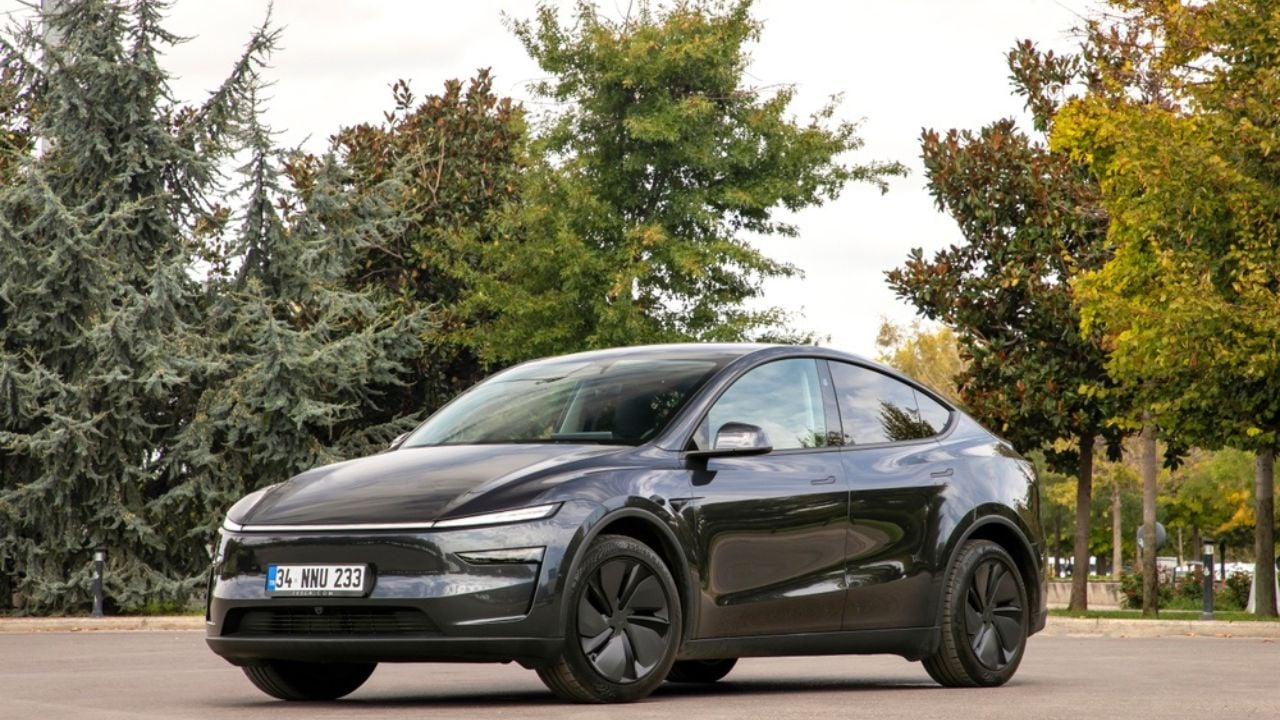
The 2025 Tesla Model Y earned IIHS Top Safety Pick+ designation, cementing its position as one of the safest SUVs regardless of powertrain.
Tesla’s approach to safety differs from traditional automakers: the rigid battery pack serves as a structural element that helps dissipate crash energy, while the lack of a traditional engine in front creates a large crumple zone. The Model Y comes standard with automatic emergency braking, lane departure warning, blind spot monitoring, and the hardware for Tesla’s Autopilot system (though full self-driving capability costs extra). With EPA-estimated range up to 330 miles on certain configurations, the Model Y combines safety with efficiency and performance that traditional SUVs simply can’t match.
Starting around $44,000, it undercuts many gas-powered competitors while offering superior acceleration and lower operating costs. The minimalist interior won’t appeal to everyone, the giant center screen controls nearly everything, but the focus on essential functions reduces driver distraction.
Critics who claim Tesla’s build quality can’t match traditional manufacturers are fighting yesterday’s battle; the safety ratings prove that where it counts most, protecting occupants in a crash, the Model Y delivers uncompromising performance that speaks louder than panel gap complaints.
Conclusion

The SUVs highlighted here represent the pinnacle of automotive safety engineering in 2025 and 2026, each earning top ratings through rigorous testing that simulates real-world crash scenarios.
What’s particularly encouraging is the democratization of safety technology: features that were once exclusive to luxury vehicles are now standard on models across various price points, from the affordable Hyundai Tucson to the premium Volvo XC90. These vehicles prove that manufacturers can design SUVs that protect families without sacrificing the performance, efficiency, or style that buyers demand. The advancement of crash structures, the proliferation of advanced driver-assistance systems, and the introduction of new materials and design philosophies all contribute to making modern SUVs safer than ever before.
While no vehicle can guarantee absolute safety in every scenario, these 12 SUVs represent the best efforts of automotive engineers to minimize injury and save lives. When shopping for your next SUV, these safety ratings should factor prominently in your decision, because protecting the people you care about most is worth every bit of consideration.