Used EV shopping spent a long time in an awkward place. The prices could look tempting, but too many models still asked buyers to accept a second layer of compromise after they had already chosen to buy used.
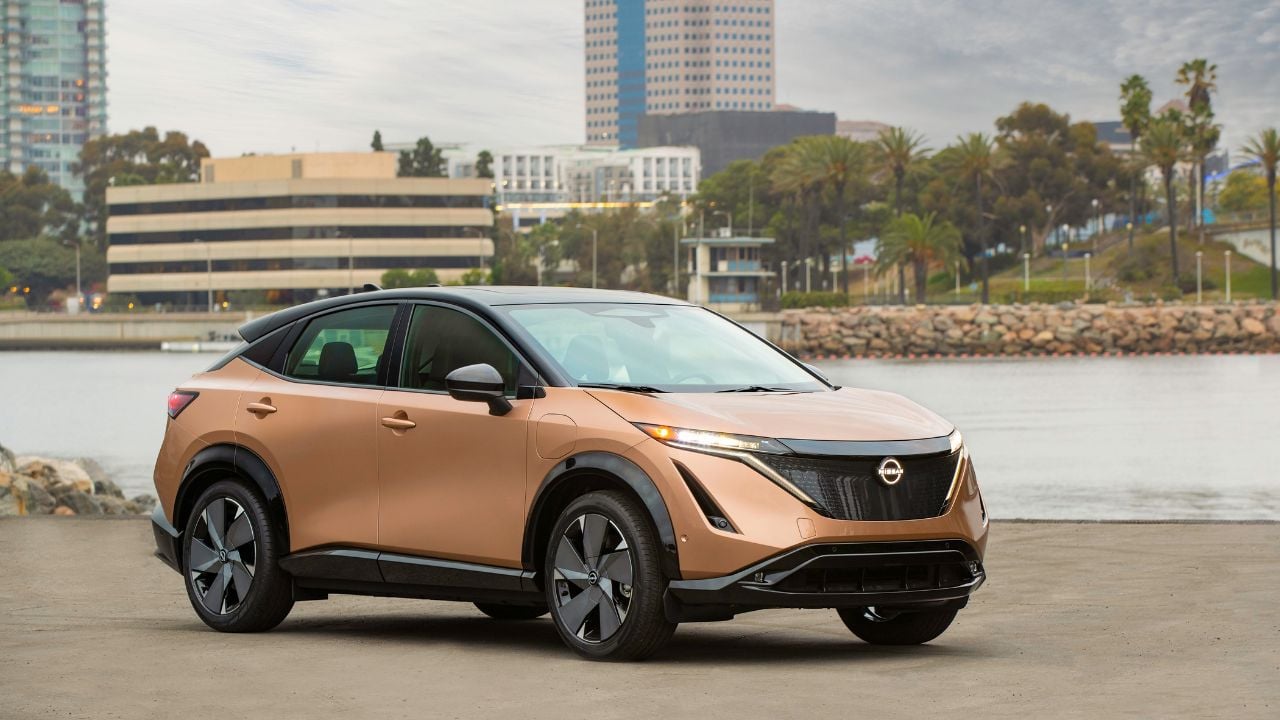
That is finally changing. In April 2026, the conversation starts with real affordability instead of early-adopter optimism. A used Chevrolet Bolt EUV now sits in the high-$18,000 range, a 2023 Nissan Ariya is in the low-$22,000s, and a 2021 Tesla Model 3 is right around $22,000.
More importantly, several used EVs now feel mature enough to recommend without a long apology. Real range, credible fast charging, and much lower used prices have finally started showing up in the same vehicles at the same time.
That is why this market feels different now. These eight are the used EVs that make the strongest case in 2026 because they no longer feel like interesting experiments. They feel like actual answers.
When A Used EV Stops Feeling Like A Gamble

This list focuses on EVs sold in the U.S. that now make sense as mainstream used recommendations, not just cheap entries into electric ownership. Price mattered, but only after a model cleared a basic daily-life threshold for range, charging convenience, and overall usability.
Official range and charging claims mattered too, since a used EV still has to work beyond a short commute to deserve a real recommendation. At the same time, not every winner here plays the same role. Some are now credible all-around EVs, while others are strongest as low-stress commuter buys.
The final eight are the used EVs that best combine sensible money, everyday livability, and enough credibility to recommend to someone with a straight face.
Chevrolet Bolt EUV

The Bolt EUV is the clearest proof that used EV value has become real. Used examples now sit in the high-$18,000 range nationally, and Chevrolet’s own specs put the EUV at 247 miles of EPA-estimated range.
That is already enough to make the car relevant, but the bigger appeal is how honest it feels. It is roomy for the money, offers up to 56.9 cubic feet of cargo space with the rear seat folded, and can add up to 95 miles of range in 30 minutes on DC fast charging.
This is not the used EV for buyers chasing style points. It is the one for buyers who want a practical electric crossover at a very human price. Just treat it like a commuter-first value hero rather than a road-trip champion, and it makes excellent sense. On 2022 models, make sure recall work is documented.
Tesla Model 3

The Model 3 feels like a real recommendation now because the used market finally brought it down to earth without taking away the thing that made it easy to justify in the first place.
Cars.com puts a 2021 Model 3 at about $22,000 on average, while 2022 cars sit in the mid-$23,000s. The EPA rated a 2021 Long Range AWD at 353 miles and a 2022 Long Range AWD at 358 miles, which is still enough to make the car feel like a serious used-EV answer rather than a budget compromise.
Tesla’s charging advantage still matters too. The Supercharger network remains the easiest long-distance ecosystem in the EV world, and Tesla says a Model 3 can add up to 175 miles in 15 minutes. For buyers who want the simplest used EV road-trip answer, this is still one of the clearest picks.
Ford Mustang Mach-E

The Mach-E has reached the point where depreciation is finally doing used buyers a favor. Cars.com shows a 2021 Mach-E in the low-$22,000 range on average, while 2022 cars sit around the mid-$26,000 mark.
Ford’s own launch material said extended-range rear-wheel-drive versions offered at least 300 miles of EPA-estimated range, which was enough to make the Mach-E a real long-range electric crossover from the beginning. That matters because the Mach-E does not feel like a stripped-down value play. It still feels like a substantial, modern EV with presence, usable space, and a cabin that has not aged out of the conversation.
If the idea is buying a used EV that still feels like a genuine step up, the Mach-E now makes real sense.
Hyundai Ioniq 5

The Ioniq 5 is one of the strongest used EV buys in America because it combines fast charging, smart packaging, and real design presence in a way that still feels fresh. Used 2022 examples now sit around the low-$20,000 range, while 2023 cars are in the mid-$25,000s.
Hyundai confirmed a maximum EPA-estimated range of 303 miles for the single-motor rear-wheel-drive version, and current U.S. materials say the Ioniq 5 can charge from 10% to 80% in as little as 20 minutes. Earlier Hyundai materials highlighted 18-minute charging under ideal conditions, which helps explain why this car still feels so easy to recommend.
The cabin still looks distinctive, the hatchback shape is practical, and the whole thing feels like it depreciated faster than its actual usefulness deserved.
Kia EV6

The EV6 belongs here because it feels like the slightly sharper, slightly more athletic answer for buyers who want their used EV to have some personality. Cars.com says 2022 EV6s now average a little above $21,000, while 2023 cars sit in the mid-$25,000s.
Kia confirmed a maximum EPA-certified range of 310 miles for rear-wheel-drive long-range versions, and the EV6’s 800-volt architecture remains one of its biggest advantages. Kia originally said it could charge from 10% to 80% in under 18 minutes, and even today that still reads like one of the strongest real-world arguments any used EV can bring to the table.
The EV6 does not just work on paper. It feels like a complete, modern electric car with quick charging, strong design, and pricing that is now much easier to defend than it was when these cars were new.
Nissan Ariya

The Ariya may be the sneakiest value in this whole article because it rarely gets talked about with the same urgency as the biggest EV names, yet the used numbers are already compelling. Cars.com says a 2023 Ariya averages a little above $22,000, with asking prices starting below $16,000.
Nissan’s 2023 brochure confirms that the Venture+ FWD was the long-range star at 304 miles EPA-estimated. That makes the Ariya more than just a comfortable electric crossover with a handsome cabin. It makes it a serious used EV for buyers who want range and calm without paying as much as newer Ioniq 5 or EV6 examples.
The softer design and quieter interior tone only help, because this is an EV that feels relaxed rather than techy for the sake of it.
Polestar 2

The Polestar 2 earns its place because the used market finally made its premium character accessible. Cars.com says a 2022 Polestar 2 averages about $22,300, with pricing starting at $15,900.
That price works because the car still feels expensive in all the right ways. A 2022 Polestar 2 can deliver up to 270 miles depending on configuration, while the Long Range Dual Motor version still brings 408 horsepower and a genuinely premium atmosphere that most used EVs in this band cannot quite match.
Newer Polestar 2 versions have pushed range as high as 320 miles, which also helps show how much headroom the platform had from the beginning. For buyers who want a used EV that feels more premium than its price suggests, this is a very smart place to look.
Hyundai Kona Electric

The Kona Electric closes this list because not every good used EV recommendation has to be dramatic. Used examples now sit in the high-teens nationally, and the car can travel up to 258 miles on a charge.
That is a strong number for a used EV that still fits neatly into the everyday compact-crossover world. The appeal here is simplicity. The Kona Electric does not feel like a rolling tech demonstration or an attention-seeking design exercise. It feels familiar, manageable, and efficient.
It is also worth being honest about its role. Hyundai’s own earlier charging material put the Kona Electric at as little as 54 minutes to reach 80% on a DC fast charger, so this is not the used EV for buyers planning constant interstate runs. It is a low-stress first EV and a very strong commuter value, which is more than enough for a lot of people.
The Moment Used EVs Started Making Sense

The most interesting thing about this group is that none of them needs a long defense anymore. They each have a different personality, but all eight now clear the same important bar: they are electric cars that can be recommended for normal life, not just for bargain hunting or niche curiosity.
That is a meaningful shift in the market. The used EV story used to be about what buyers had to tolerate. Now it is increasingly about what they actually get: good range, lower prices, credible charging, and cars that feel settled enough to trust.
Which one sounds right to you now: the low-cost honesty of the Bolt EUV, the road-trip ease of the Model 3, the crossover comfort of the Mach-E or Ariya, or the fast-charging style of the Ioniq 5, EV6, or Polestar 2?