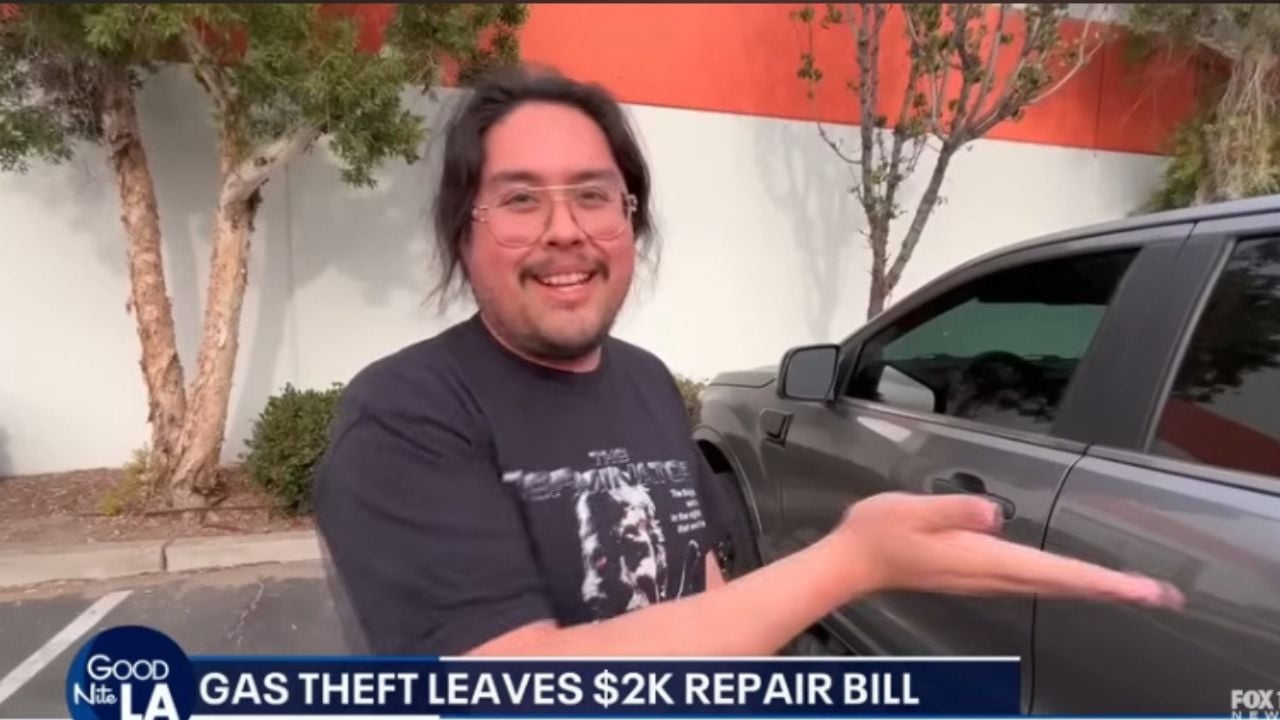

A troubling form of fuel theft that leaves car owners with far more than an empty tank is emerging on the streets of Long Beach. Instead of siphoning gasoline through the filler neck, word on the street is that thieves are now drilling directly into fuel tanks, causing severe damage and costly repairs that far outweigh the value of the stolen fuel.
The incident highlighted in newly surfaced footage follows a truck owner, Jose Figueroa, who discovered firsthand how destructive this tactic can be. After filling up his truck on a Sunday, he expected to start the week strong and confident.
By Monday morning, though, that expectation collapsed. His fuel tank was completely drained, but the missing gasoline was only part of the problem.
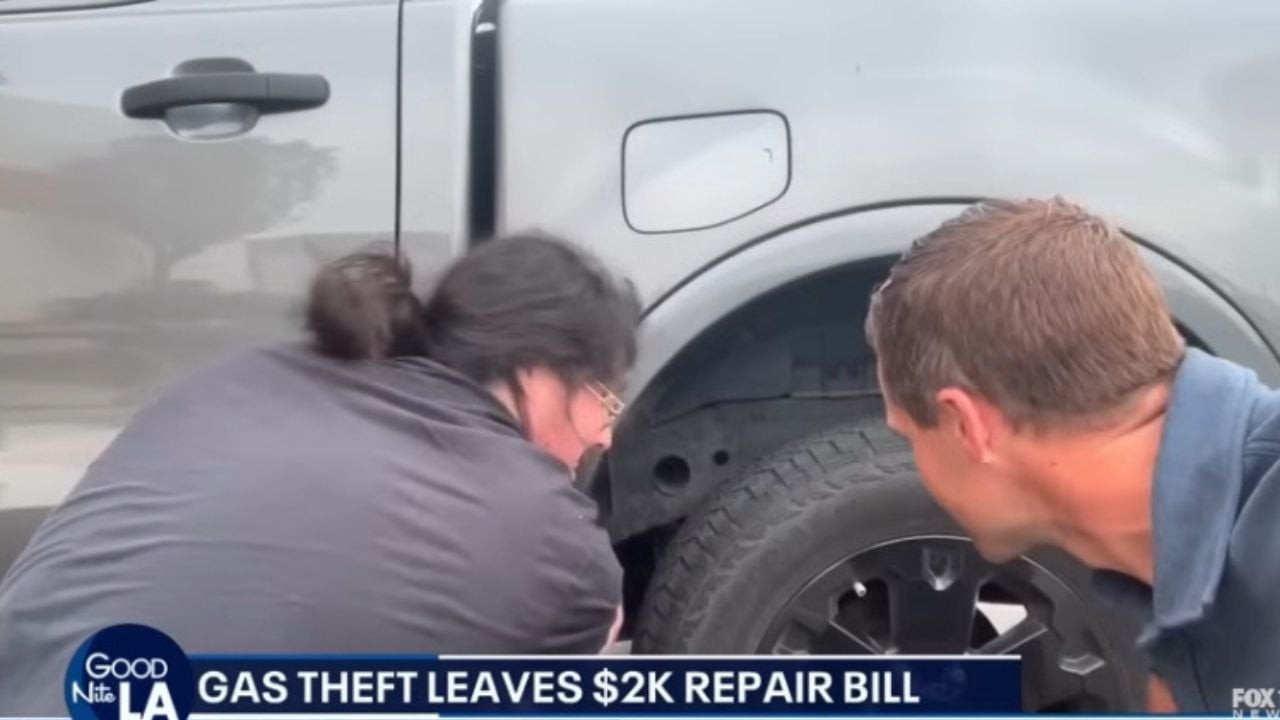
As he approached his vehicle, Figueroa noticed something unusual. Gasoline was pouring from underneath the truck in a steady stream, resembling water flowing from an open tap. The sound alone can cause a heart attack, but the sight confirmed the damage. Someone had drilled a hole straight through the tank to access the fuel.
A Dime-Sized Hole, A $2,000 Repair Bill
The opening itself was small, roughly the size of a dime, yet the consequences were anything but chicken change. In an attempt to conceal the act or slow the leak, the perpetrators had even placed tape over the hole. That small detail underscored a level of intent that goes beyond opportunistic theft.
Figueroa expressed disbelief at the method.
While fuel siphoning has long been a known issue, drilling into a gas tank introduces a new level of risk and destruction. It is not just about stealing fuel anymore. It is about damaging critical components of a vehicle in the process.
The financial impact tells the real story. The thieves reportedly made off with about $80 worth of gasoline. The repair bill, however, is estimated at around $2,000. Unlike minor punctures in other parts of a vehicle, a drilled fuel tank often cannot be patched safely. In many cases, a full replacement is required due to safety concerns and the risk of leaks.
This particular incident occurred near Drake Park, an area where surveillance cameras are present. Even with that level of monitoring, the crime still took place. Brazen, markedly consequential crimes like this often leave communities wondering how frequently and how many more of such acts have gone unnoticed and/or unreported.
Not an Isolated Case

Local accounts suggest that Figueroa’s experience isn’t an isolated case. He learned from a tow truck operator that he was, in fact, the fifth known victim of similar damage in the same area. That detail points to a pattern that could be spreading, even if authorities have not yet classified it as a widespread trend.
Neighbors describe a broader sense of unease. Reports of vehicle break-ins, reckless driving, and property crimes have contributed to the perception that criminal activity is increasing. Fuel theft, especially in this destructive form, adds another layer of concern for drivers who already face rising costs at the pump.
Gas prices in Los Angeles have climbed above $6 per gallon, creating an environment where fuel becomes an attractive target. While traditional siphoning requires time and access, drilling into a tank offers a faster, albeit far more damaging, alternative for thieves.
A Growing Concern for Drivers
For victims, the consequences extend beyond financial strain. A compromised fuel tank can leave drivers stranded without warning. It also introduces safety hazards, including the risk of fire or environmental damage from leaking gasoline.
It’s worth noting that, sadly, this method of theft may become more common if fuel prices remain high and preventative measures are not improved. For now, drivers and car owners would be wise to stay alert, park in well-lit areas, and pay attention to any unusual signs around their vehicles.
The story unfolding in Long Beach shows how a small hole can create a massive problem. It is not just about stolen fuel. It is about the growing cost of a crime that leaves drivers paying the price long after the thieves are gone.