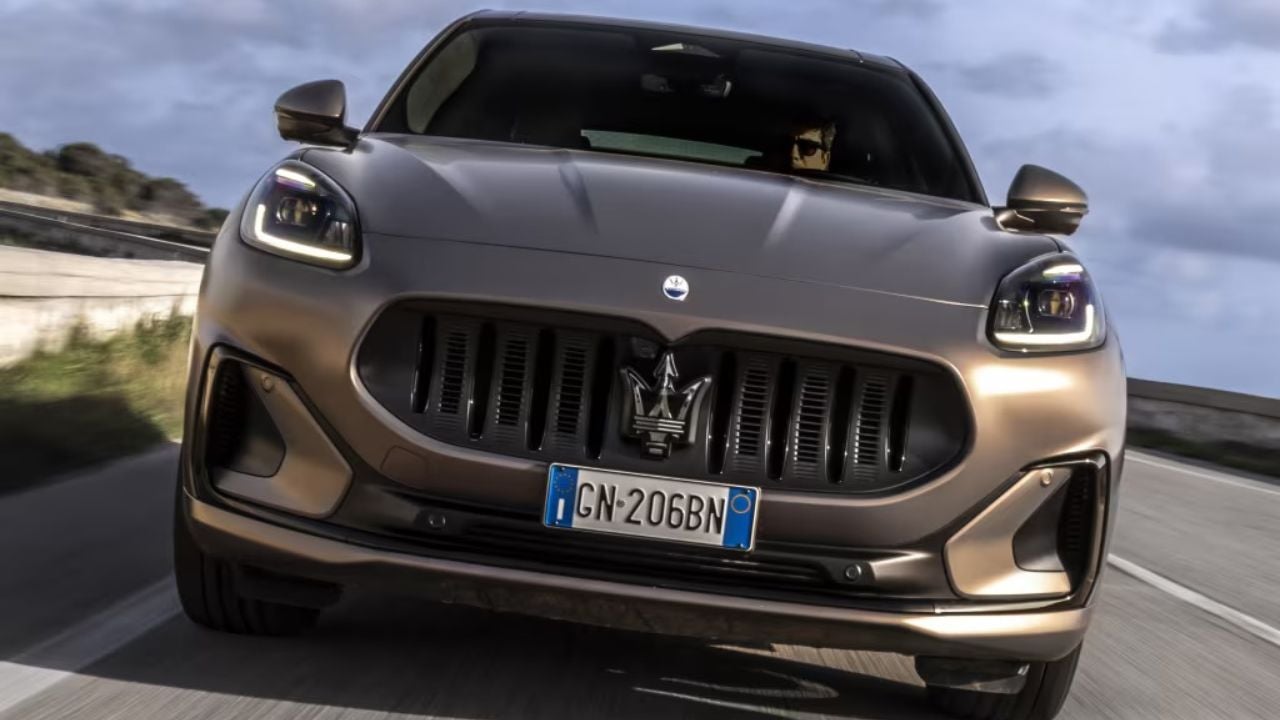
Car design may not feel as tangible as giant screens or new driver aids, but it can still decide how people react to a vehicle the moment they see it. In some cases, it can even become the whole story, as Tesla’s Cybertruck has already shown.
That is why Maserati’s next concept, expected to debut at the Paris Motor Show in October 2026, carries far more weight than a routine styling exercise.
It is also arriving at a moment when Gilles Vidal, Stellantis’ European design chief, is openly signaling that Maserati’s current look has run its course.
The timing matters because Maserati is under real pressure. Stellantis reported that Maserati shipments fell 30.1% in 2025, while the brand also scrapped the electric MC20 Folgore after concluding demand would not be strong enough.
The End Of One Design Cycle
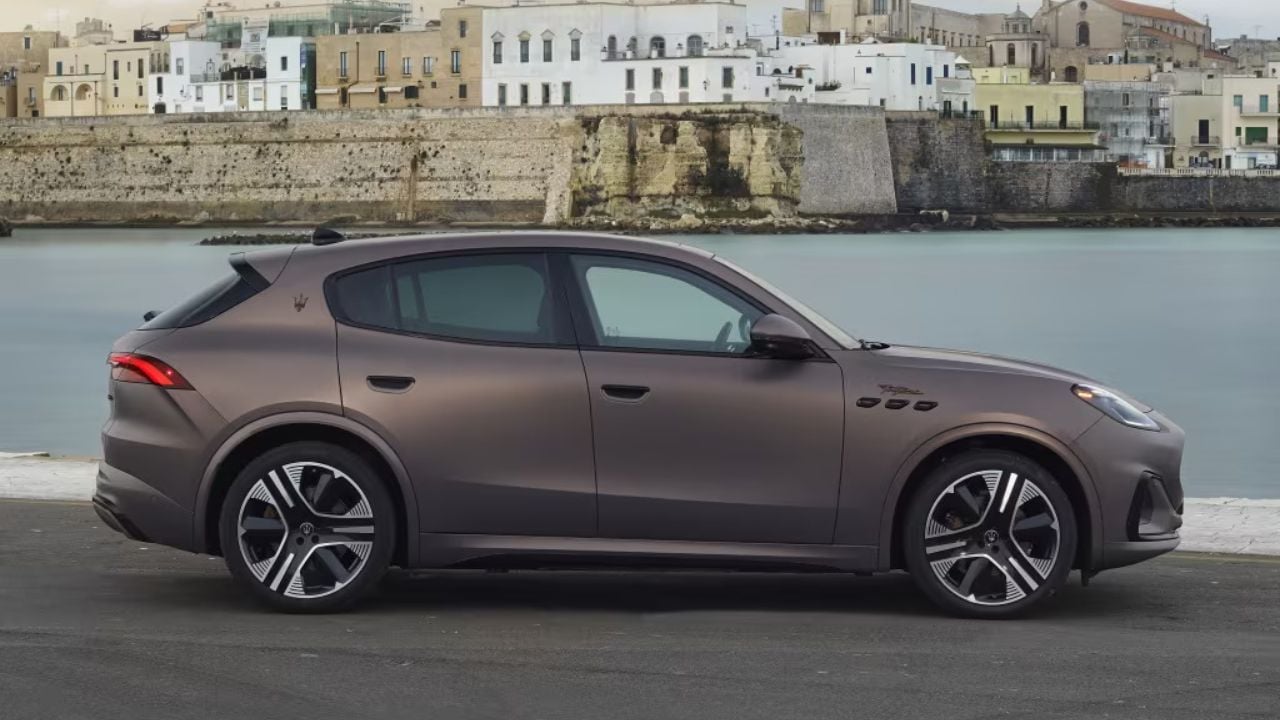
Vidal told Auto Express that Maserati has historically gone through major design shifts roughly every two decades. He pointed to the brand’s long pattern of changing its visual expression rather than freezing itself into one permanent formula.
That makes his next comment the important one. He said Maserati’s current look is “kind of finished,” which is about as clear a signal as a design boss can give without showing the car itself.
For buyers, that suggests the rounded, elegant direction seen on modern Maseratis may be nearing the end of its run. The concept due in Paris is now expected to preview whatever comes next.
What Maserati’s Past Suggests

Maserati has changed character before, and Vidal framed that history in very visual terms. He described the brand’s 1950s and 1960s cars as curvier machines that sat in the same broad stylistic world as luxury and exotic grand tourers of that era.
He also pointed to a very different chapter in the 1970s and 1980s, when Maserati embraced a sharper and more aggressive look. That period gave the brand cars such as the Bora and Merak, both tied to the wedge shaped language that defined much of that era’s performance design.
That history matters because it shows Maserati is not a brand that has always moved in small steps. When it wants a reset, it has precedent for making one that is easy to spot immediately.
Why This Reveal Matters

A concept car will not solve Maserati’s problems by itself, but it can reset the conversation around the brand. Right now, Maserati needs exactly that kind of momentum.
Stellantis’ 2025 annual report said Maserati shipments dropped to 7.9 thousand units, with lower Grecale and Levante volumes playing a major role. The same report also pointed to a reduced product portfolio and inventory actions that weighed on the brand’s results.
That gives the Paris concept unusual importance. It is not just about surfacing a new shape, but about showing that Maserati still has a clear point of view at a time when its product plan and market position both need fresh energy.
Paris Will Set The Tone
The Paris Motor Show is scheduled for October 12 through 18, 2026, and Stellantis has already confirmed a much larger presence there than it had in 2024. The group has officially named Alfa Romeo, Fiat, and Lancia among the brands attending, while Auto Express reported that Maserati’s concept will debut at that same event.
That makes Paris the natural stage for a statement piece. Maserati does not just need another display car right now, it needs a design direction that tells people where the brand is heading next.
Technology keeps changing at a frantic pace, but design still has the rare power to create an instant emotional reaction. Maserati is betting that this next concept can do exactly that, and perhaps give the brand a stronger visual identity just when it needs one most.
This article originally appeared on Autorepublika.com and has been republished with permission by Guessing Headlights. AI-assisted translation was used, followed by human editing and review.