
The 1990s produced some of the most exciting performance cars of the modern era. Manufacturers were pushing new technology hard, turbocharging was everywhere, all-wheel-drive systems were getting smarter, and several sports cars from that decade came out so capable that they still feel far from ordinary now.
That matters because speed is not just a number on a spec sheet. Some of these cars remain impressive because they are still objectively quick by modern standards. Others matter because of the way they deliver their performance, with lighter bodies, sharper responses, and a kind of mechanical honesty that many newer cars have traded for greater refinement.
The 1990s also occupied a useful middle ground. Engineers had enough technology to make these cars seriously capable, but most of them were still built before modern vehicles added so much weight through safety structure, luxury equipment, and electronic complexity. That left room for a kind of speed that felt more direct and more exposed.
A few of these models are now bringing serious money in the collector market, but the deeper reason they still matter is simpler than that. They continue to earn respect from people who know what fast used to feel like and can still recognize it when they drive one.
Porsche 911 Turbo (993 Generation)
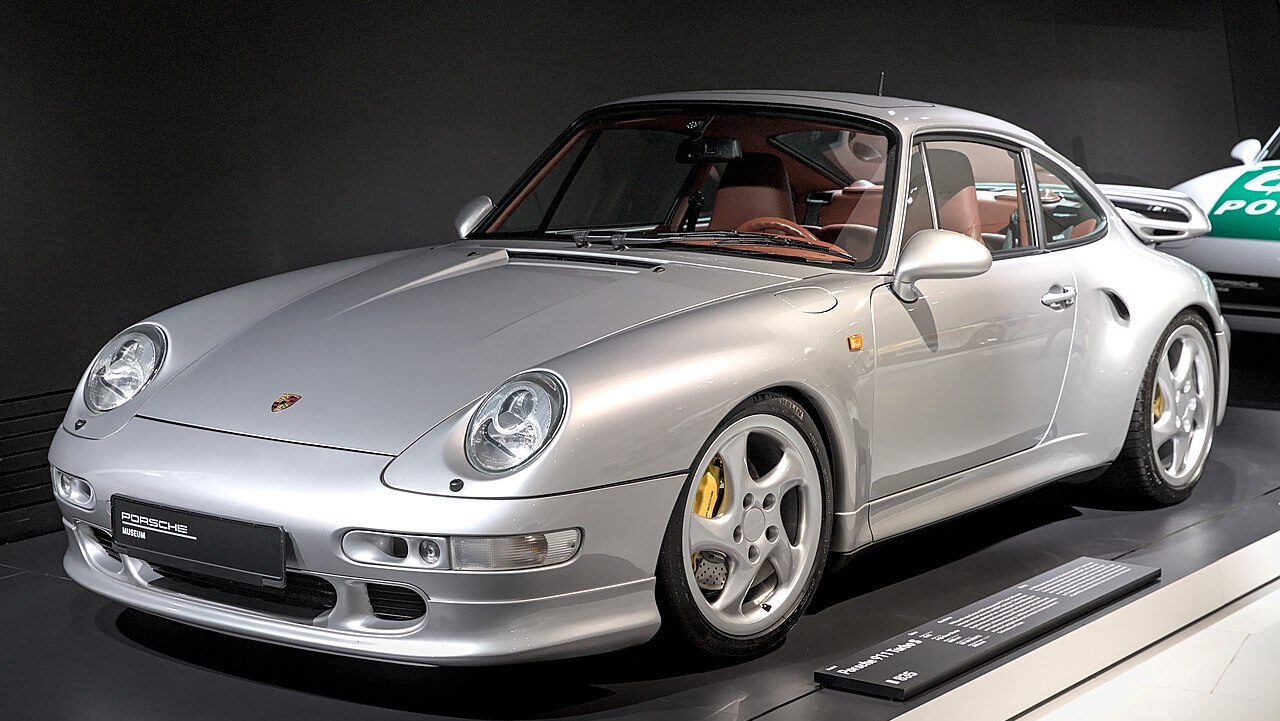
The 993-generation 911 Turbo, produced from 1995 to 1998, was one of the fastest production cars of its era. Its 3.6-liter twin-turbo flat-six made around 400 horsepower and sent power to all four wheels, and period testing regularly put the car at roughly 4.0 seconds to 60 mph.
That number still gets respect now, but the 993 Turbo’s lasting appeal goes beyond straight-line pace. It has the kind of tactile, involved character that modern high-speed cars often soften with refinement and software.
The result is a car that still feels serious the moment boost builds and the chassis settles into the road. That is a big reason clean 993 Turbos have moved so decisively into six-figure territory.
Toyota Supra Turbo (A80)
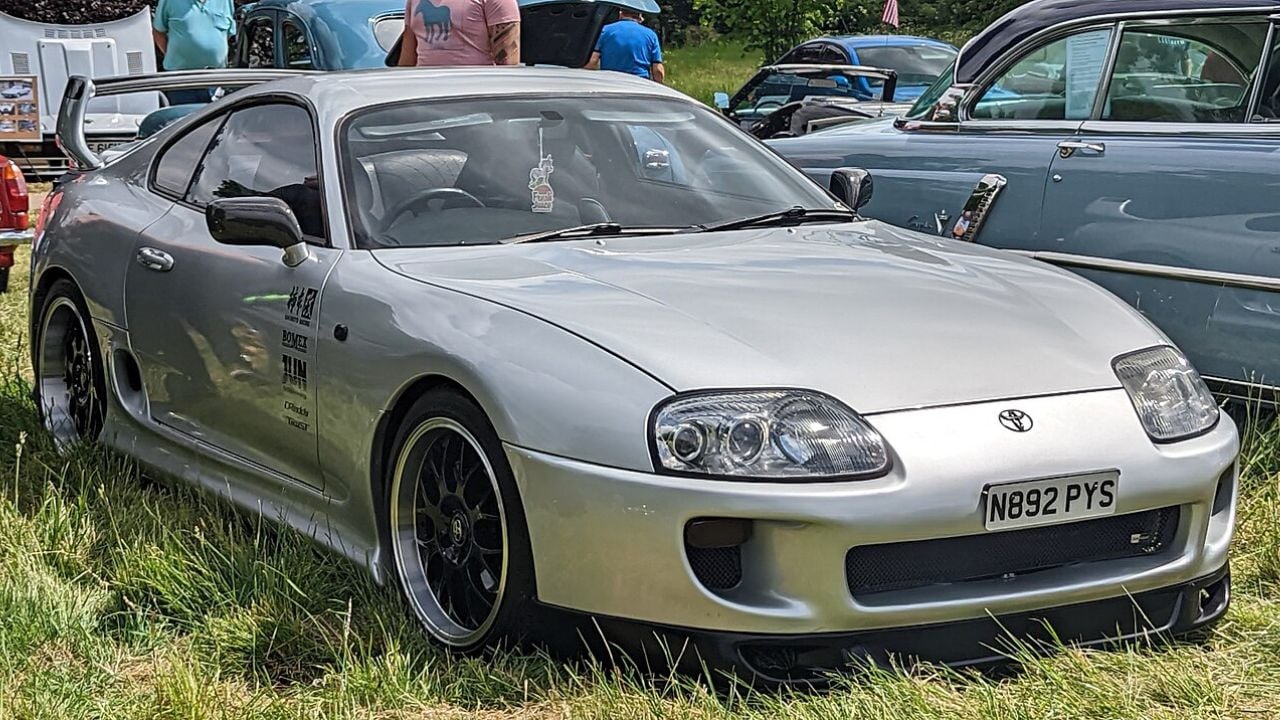
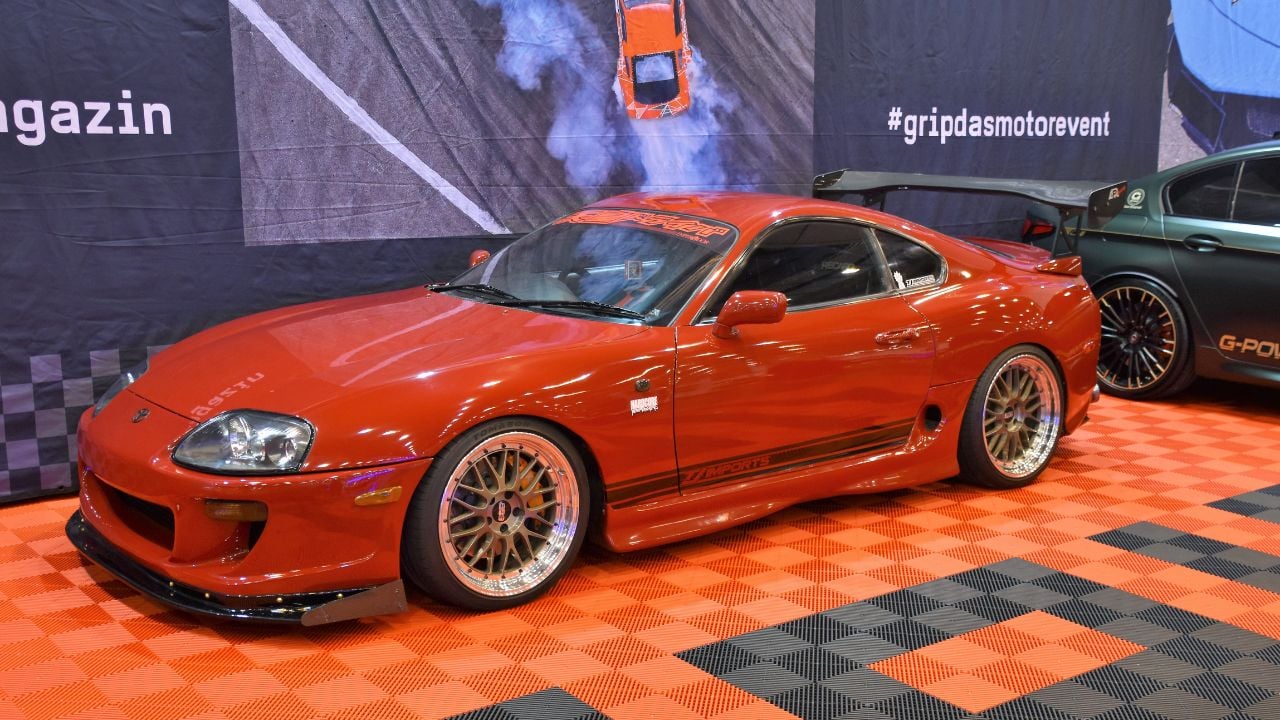
The fourth-generation Supra Turbo, built from 1993 to 2002 globally and sold in the U.S. through 1998, carried a 3.0-liter turbocharged inline-six that produced around 320 horsepower in factory U.S. trim. Period testing put 0-60 mph in the mid-4-second range, and the car’s electronically limited top speed hovered around 155 mph.
That alone would have been enough to make the Supra memorable, but the real story was the engine. The 2JZ-GTE became one of the most famous tuning foundations ever installed in a production sports car, which only added to the model’s mystique over time.
Even stock, though, the Supra still feels properly quick. It had the power, the gearing, and the chassis composure to make the performance usable, which is a big part of why values have risen so sharply.
Dodge Viper RT/10
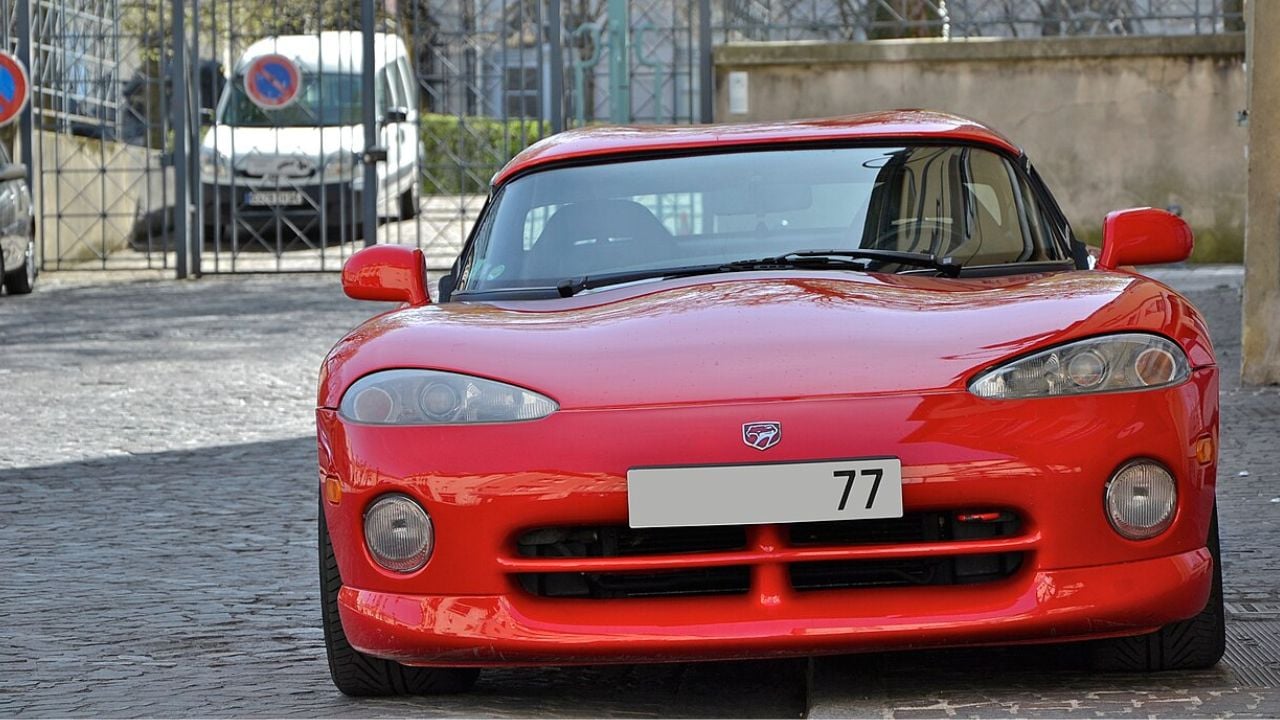
The original Dodge Viper RT/10, which went on sale in 1992, attacked performance from a completely different angle. Its 8.0-liter V10 made around 400 horsepower and huge torque, enough to push the car to 60 mph in about 4.5 seconds and through the quarter-mile in the low 13s.
Those figures were only part of the point. The Viper had no real interest in making speed feel tidy or civilized, especially in its early form. There was little electronic backup and very little softness in the experience.
That is why the RT/10 still carries so much respect. It was fast, but more importantly it felt dangerous in a way that made the speed mean something.
Nissan Skyline GT-R (R33)
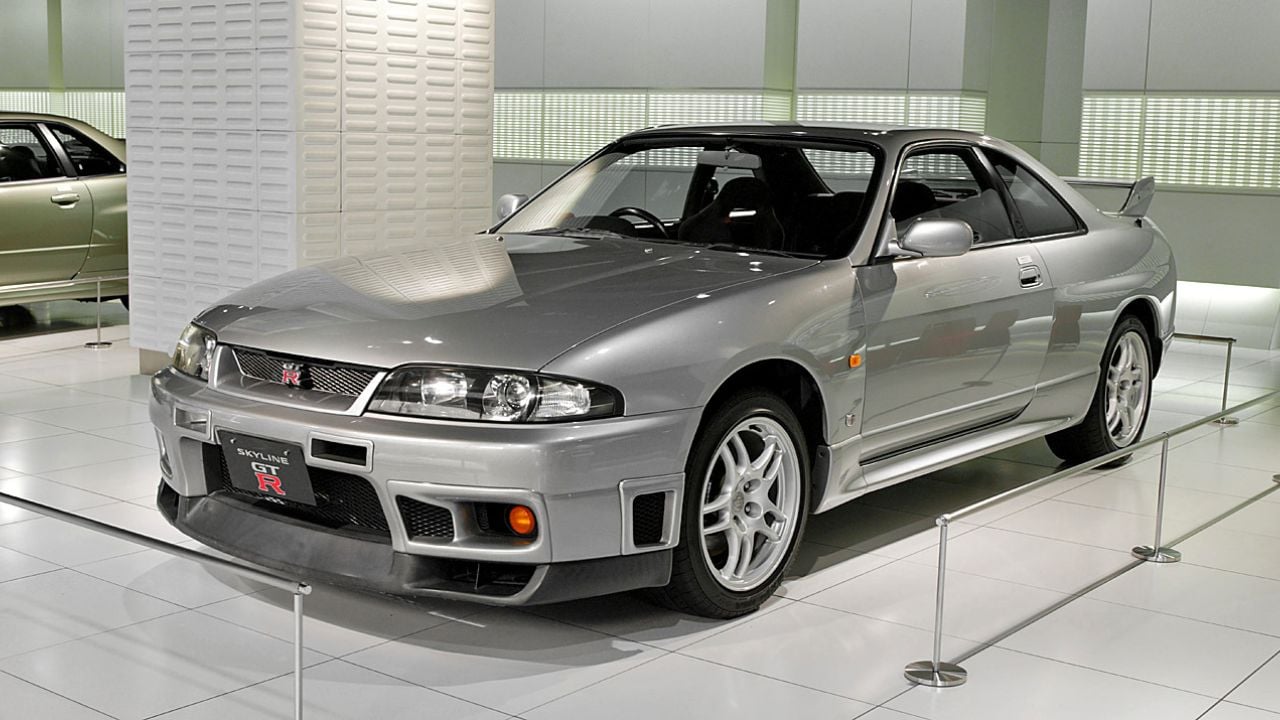
The R33-generation Skyline GT-R, sold in Japan from 1995 to 1998, officially made around 280 horsepower from its 2.6-liter twin-turbo inline-six, though the real output was widely understood to be higher. Depending on conditions and testing method, 0-60 mph fell in roughly the 4.5-to-5.0-second range.
The reason the R33 still matters is not just the stopwatch. Nissan gave it a deeply sophisticated chassis, a serious all-wheel-drive system, and the kind of engineering depth that made the car feel faster than many rivals that looked more dramatic on paper.
That is why the R33 still earns respect now. It may not be the most visually mythologized GT-R, but it remains one of the strongest examples of 1990s speed delivered through real mechanical intelligence.
Ferrari F355
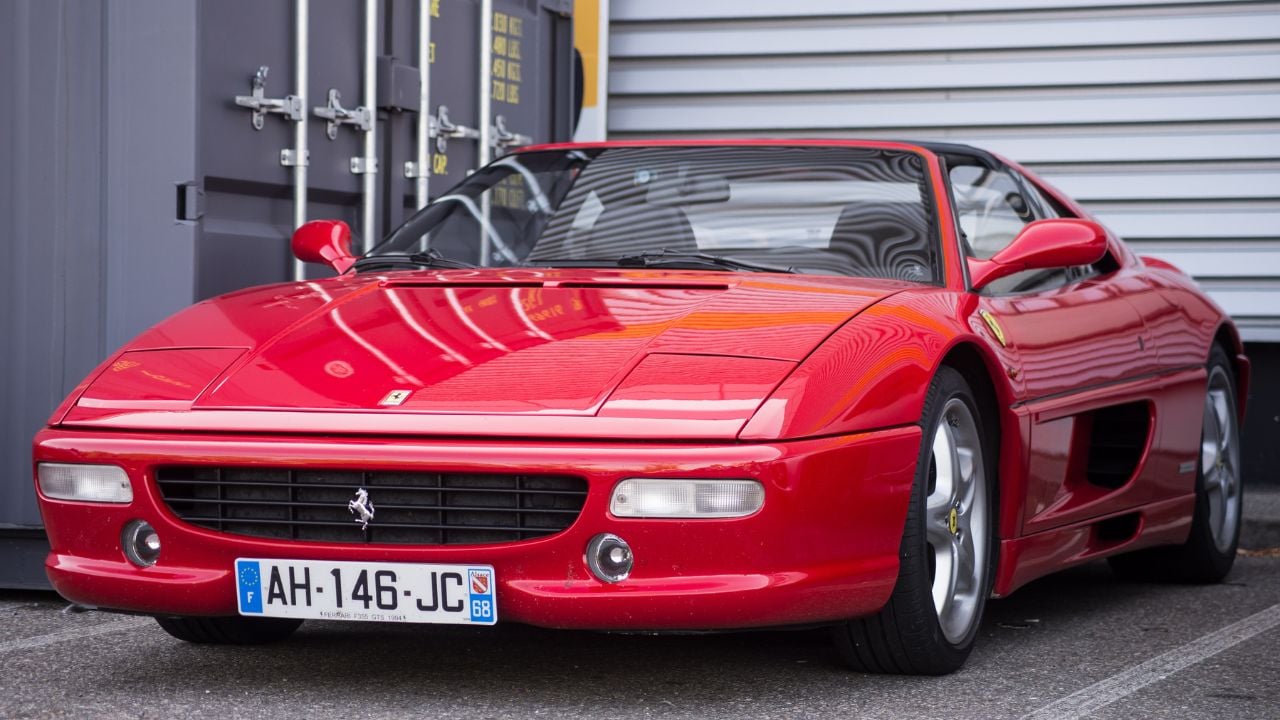
The Ferrari F355, built from 1994 to 1999, represented a huge step forward for Ferrari in handling precision and driver engagement. Its 3.5-liter naturally aspirated V8 produced around 375 horsepower, revved to roughly 8,500 rpm, and helped push the car to 60 mph in about 4.7 seconds.
Those numbers still sound healthy, but the F355’s real magic was always in how it reached them. The engine wanted revs, the car rewarded commitment, and the whole driving experience felt like something the driver had to participate in rather than simply activate.
That makes the F355 a perfect example of a 1990s car that still feels quick because it makes the speed feel vivid. It is not just the pace that survives. It is the way the car delivers it.
Honda NSX
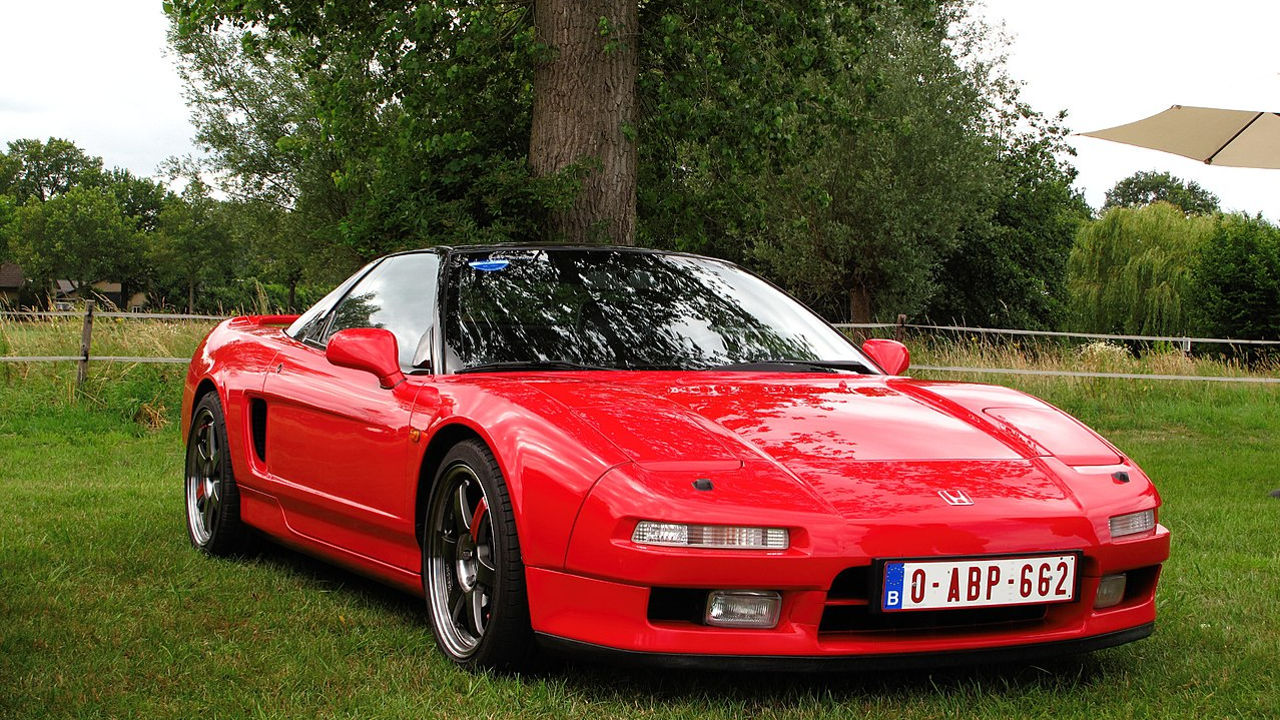
The Honda NSX, built through most of the 1990s, used all-aluminum construction and a mid-mounted V6 that made around 270 horsepower in early base form. A 0-60 time in the low 5-second range no longer sounds outrageous, and even then the NSX was never the most brutal car in the class.
But this is one of the cars on the list that proves speed is not only about the headline. The NSX felt light, balanced, transparent, and unusually easy to place accurately at a real pace, and that quality has aged exceptionally well.
So yes, the NSX is here for a slightly different reason. It is still quick, but more importantly, it still feels like a benchmark for how an intelligent sports car should move.
Chevrolet Corvette ZR-1 (C4)
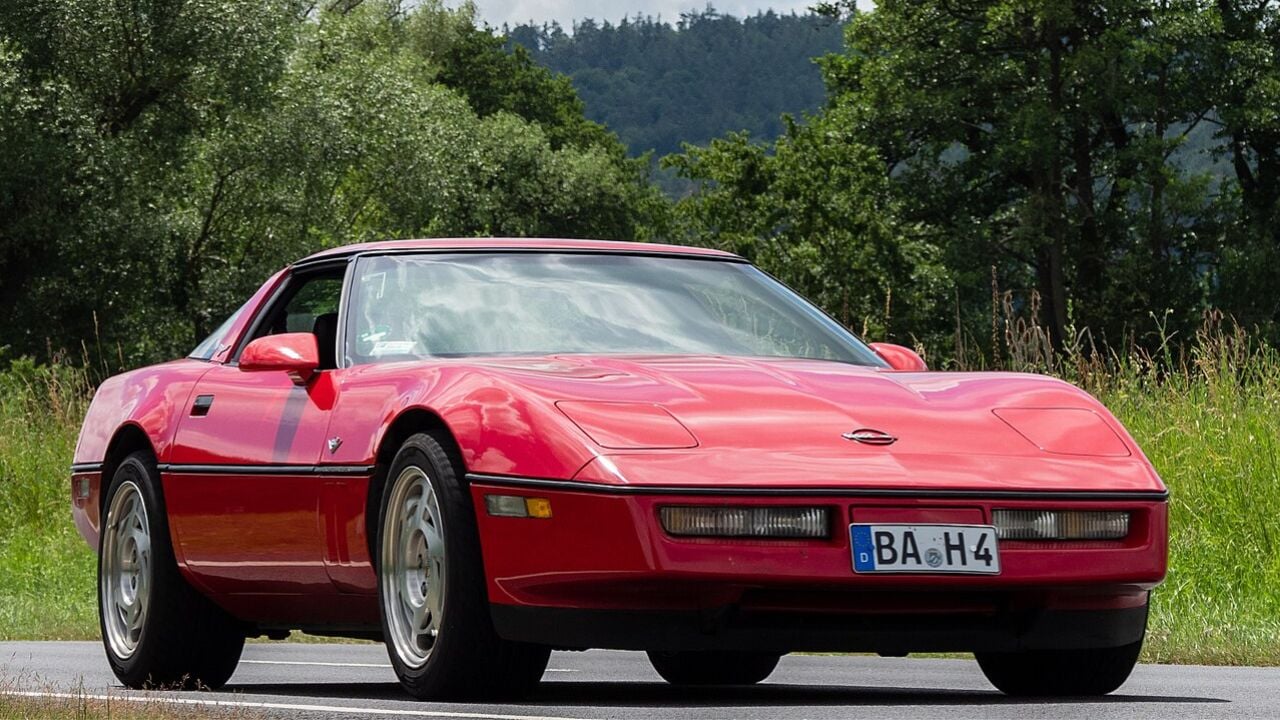
The C4-generation Corvette ZR-1, produced from 1990 to 1995, was built around the 5.7-liter LT5 V8 developed with Lotus. It made 375 horsepower in the early years and 405 from 1993 onward, with 0-60 mph in about 4.4 seconds and top speed tested above 170 mph.
Those are still serious numbers, but the ZR-1’s historical value lies in what they represented. It proved an American sports car could deliver the kind of sustained high-speed capability and engineering credibility that European rivals had long used as a point of distinction.
Today it remains one of the most persuasive values in 1990s performance. The ZR-1 still feels properly fast, and it still looks like a car built to prove a point.
Mitsubishi 3000GT VR-4
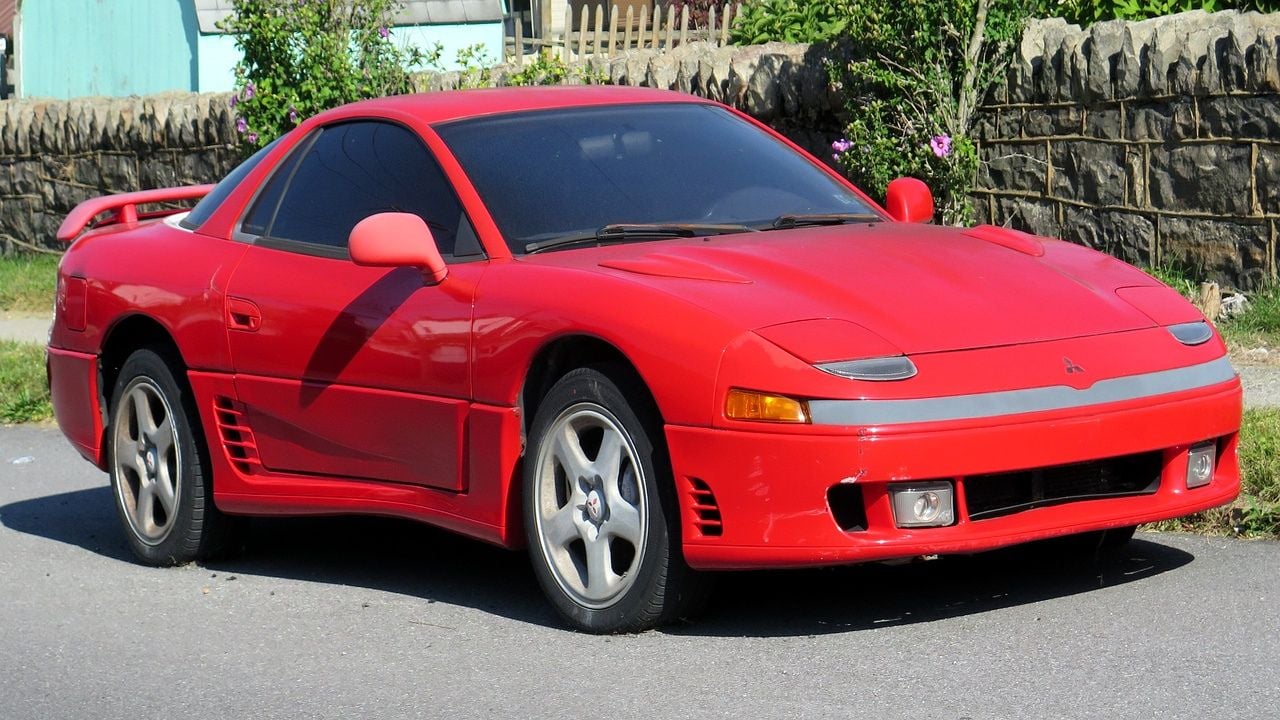
The Mitsubishi 3000GT VR-4 was one of the most technologically ambitious sports cars of the decade. With a twin-turbocharged 3.0-liter V6, all-wheel drive, four-wheel steering, and active aerodynamics, it packed an extraordinary amount of engineering into one car.
Depending on the year, output ranged from 300 to 320 horsepower, and 0-60 mph landed at roughly 5.0 seconds. That is quick enough to stay respectable now, but the deeper reason the VR-4 still matters is how much technology Mitsubishi was willing to deploy in pursuit of speed and stability.
The result was a car that may not have aged into the simplest ownership proposition, but it absolutely aged into one of the most fascinating. It still earns admiration because it was trying to do so much, and much of it worked.
Speed That Still Earns Respect
What the best 1990s sports cars still prove is that speed ages differently from hype. Some of these cars remain objectively quick even now. Others have slipped from the top of the stopwatch hierarchy but still feel genuinely fast because their weight, response, gearing, and feedback make the experience more vivid than the numbers alone suggest.
That is why a 993 Turbo, Supra Turbo, Viper RT/10, or C4 ZR-1 can still leave a deep impression, and why an NSX or F355 still feels special even when something newer might outrun it. The performance is part of the story. The way these cars deliver it is the part that keeps them alive.