
The 1960s gave us some of the most iconic automobiles ever to hit the pavement, but not every stellar car from that decade became a household name. While Mustangs and Corvettes grabbed the spotlight, a handful of remarkable machines flew under the radar, produced in limited numbers that make them genuinely rare today.
Car enthusiasts daydreamed of spotting these babies: they were often innovative, beautifully designed, or wickedly fast machines that simply didn’t get their moment in the sun.
Whether it was bad timing, quirky styling, or limited production runs, these cars have become the holy grails of collectors who appreciate something different. Finding one of these gems at a car show is like spotting a unicorn, and each has a story worth telling.
Let’s take a cruise through twelve unforgettable rarities from the greatest decade in automotive history.
1967 Chevrolet Corvette L88
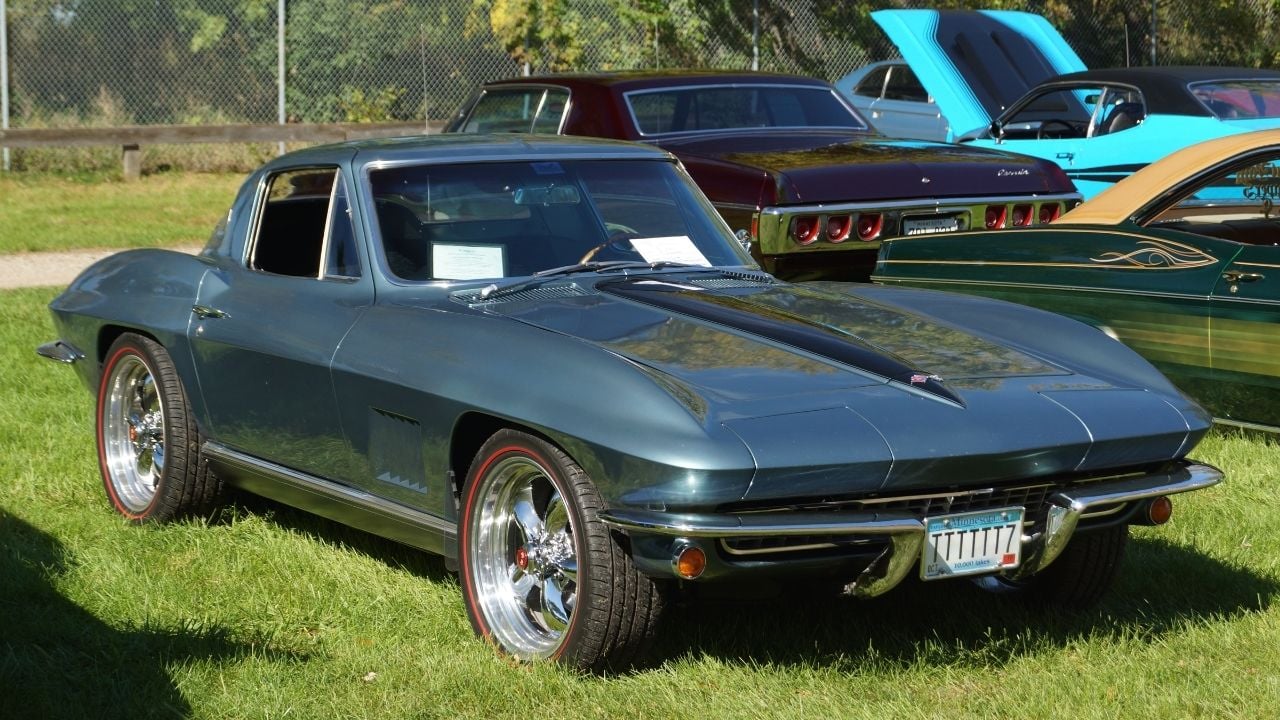
The L88 wasn’t just rare, it was Chevrolet’s worst-kept secret for buyers who knew what they were looking for.
With an advertised 430 horsepower that everyone understood was seriously underrated, this racing-focused Corvette packed a 427 cubic inch beast that was widely believed to make well over 500 horsepower. Chevy only built 20 of these monsters in 1967, mainly because the $947.90 option package was steep and came with no heater, no radio, and no apologies. The L88 required 103-octane fuel, which meant it was basically telling you it wasn’t meant for your daily commute.
Today, these cars command seven-figure prices at auction, making them some of the most valuable Corvettes ever built. If you ever passed on buying one back in the day for being “too impractical,” well, hindsight is 20/20.
1969 Dodge Charger Daytona

You can’t miss a Daytona, it’s the one that looks like it’s trying to achieve orbit right there in your driveway.
Dodge created this aerodynamic masterpiece specifically to dominate NASCAR, and that massive rear wing and pointed nose cone weren’t just for show. With only 503 produced to meet homologation requirements, the Daytona became the first NASCAR spec car to break 200 mph on a closed course during testing at Talladega in March 1970.
The street version came with either a 440 Magnum or the legendary 426 Hemi, and while that wing looks wild today, it was purely functional aerodynamics. Many owners actually removed or modified these distinctive features back in the day because they thought the car looked too strange.
Those folks are probably still kicking themselves, considering what these cars are worth now.
1963 Studebaker Avanti

The Avanti was Studebaker’s Hail Mary pass, and it was actually a pretty good throw.
Designer Raymond Loewy created a fiberglass-bodied coupe that looked like it was from the future, with no traditional grille and a shape that could have rolled out of a design studio yesterday. Studebaker only produced about 4,600 Avantis during the 1963 to 1964 run before ending Avanti production, even though the company continued building cars for a few more years.
The supercharged R2 engine made it surprisingly quick, and several Avantis set speed records at Bonneville Salt Flats. While Studebaker folded, the Avanti design was so good that two entrepreneurs bought the rights and continued building them into the 1980s.
It’s proof that even a struggling company can create something genuinely special when they take a risk.
1963-1964 Apollo GT
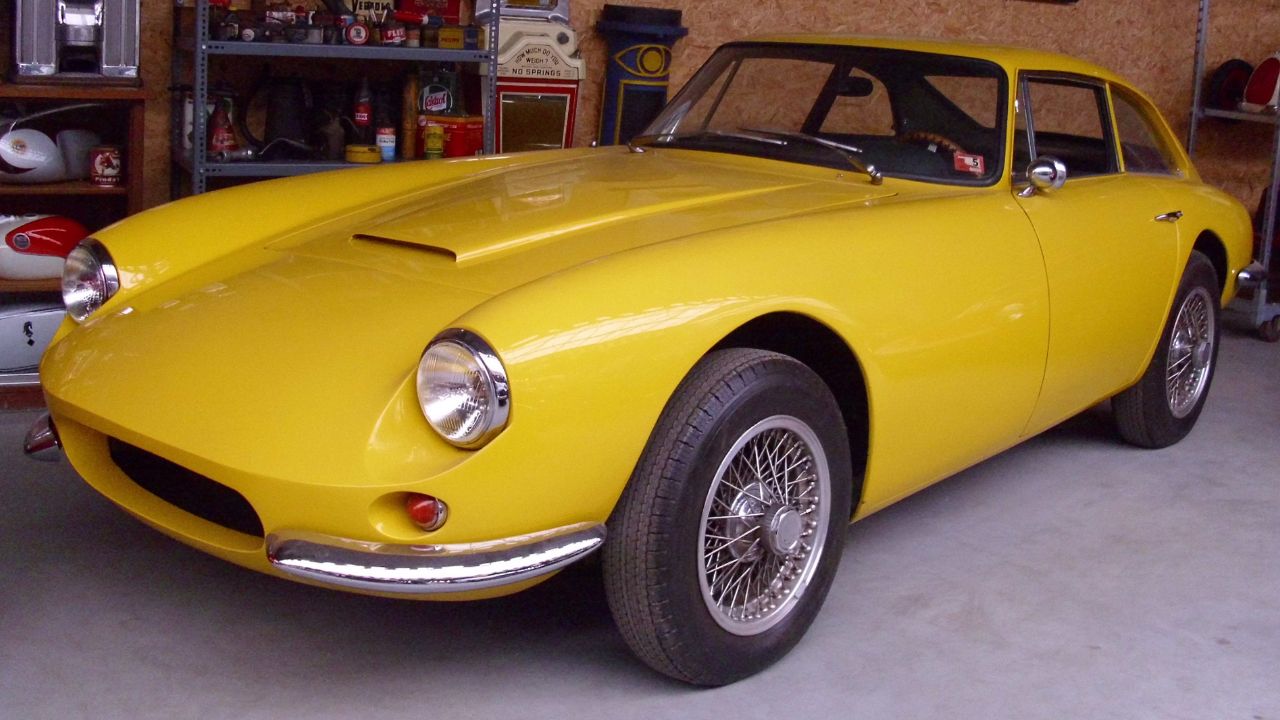
Most people have never heard of the Apollo GT, which is a shame because it was basically an American-Italian love child with serious performance credentials.
Built in Oakland, California, but bodied by Italian coachbuilders, the Apollo featured Buick V8 power wrapped in stunning European styling. Only about 88 were produced during its entire run, making it rarer than most Ferraris from the same era. Period testing put the Apollo’s 0 to 60 time closer to the 8 second range depending on configuration, which was still impressive for the early 1960s. Frank Reisner, who created the Apollo, later went on to design the iconic Intermeccanica, so this was clearly a guy who understood sports cars.
Finding an Apollo today is like discovering automotive history that most people don’t even know exists.
1969 Pontiac Firebird Trans Am

Wait, you’re thinking: Trans Ams aren’t rare. But the first-year 1969 model absolutely is, with only 697 rolling off the line.
This was before Burt Reynolds made the Trans Am a pop culture icon in Smokey and the Bandit, back when it was just a high-performance package that most buyers overlooked. The ’69 came standard with the 335-horsepower Ram Air III 400 cubic inch V8, and a small number were built with the optional Ram Air IV, along with distinctive white and blue racing stripes.
Pontiac took a gamble launching the Trans Am mid-year, and initial sales were disappointing enough that the model almost got canceled. Instead, it became one of the most legendary muscle cars of all time, just not in this particular year.
Those early adopters who bought one in ’69 had no idea they were getting the rarest of the breed.
1965 Shelby GT350R
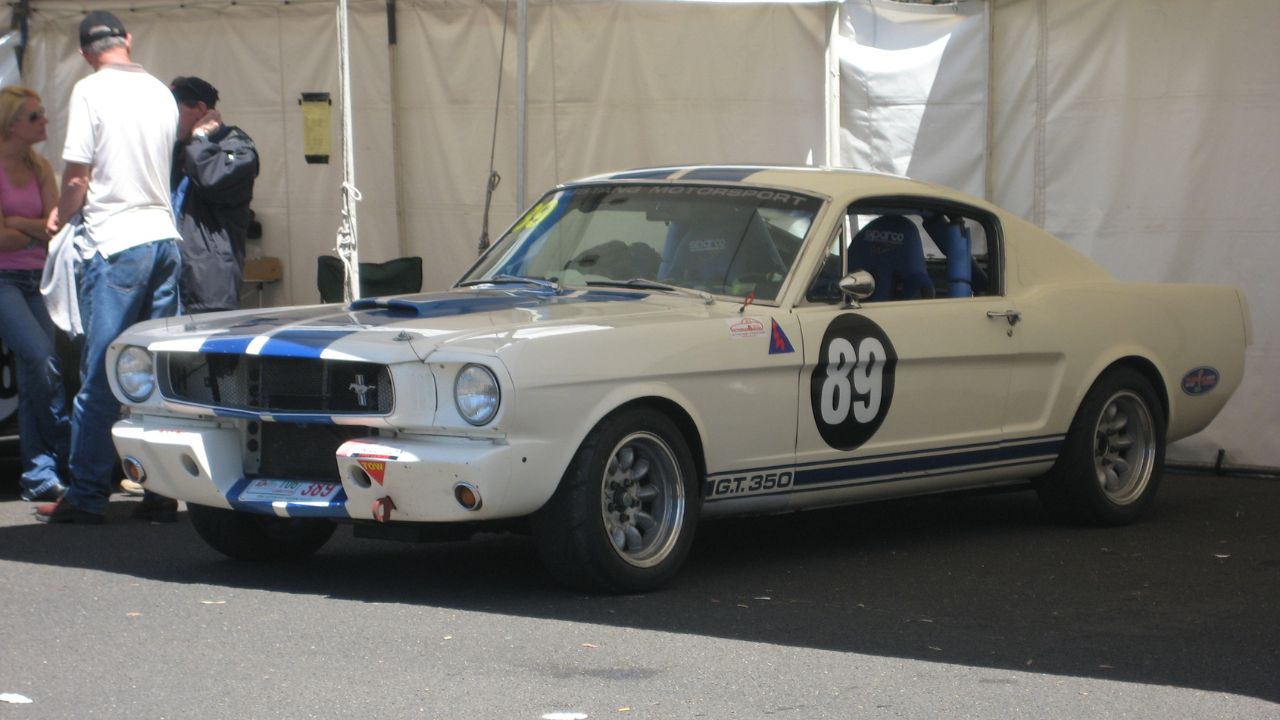
Carroll Shelby’s competition version of the Mustang was built for one purpose: winning races in SCCA competition.
With only about 34 GT350R models produced, this was the Shelby that serious racers wanted, stripped down and pumped up for track duty. The R-model ditched the back seat entirely, added Plexiglas side and rear windows, and featured a modified 289 V8 that pushed over 360 horsepower.
hese cars dominated their class so thoroughly that the SCCA actually had to change the rules because nothing else could keep up. Ken Miles drove one to victory after victory, cementing the GT350R’s legendary status.
If you ever spot one at a vintage racing event, you’re looking at genuine automotive royalty that’s worth well over a million dollars today.
1966-1969 Oldsmobile Toronado
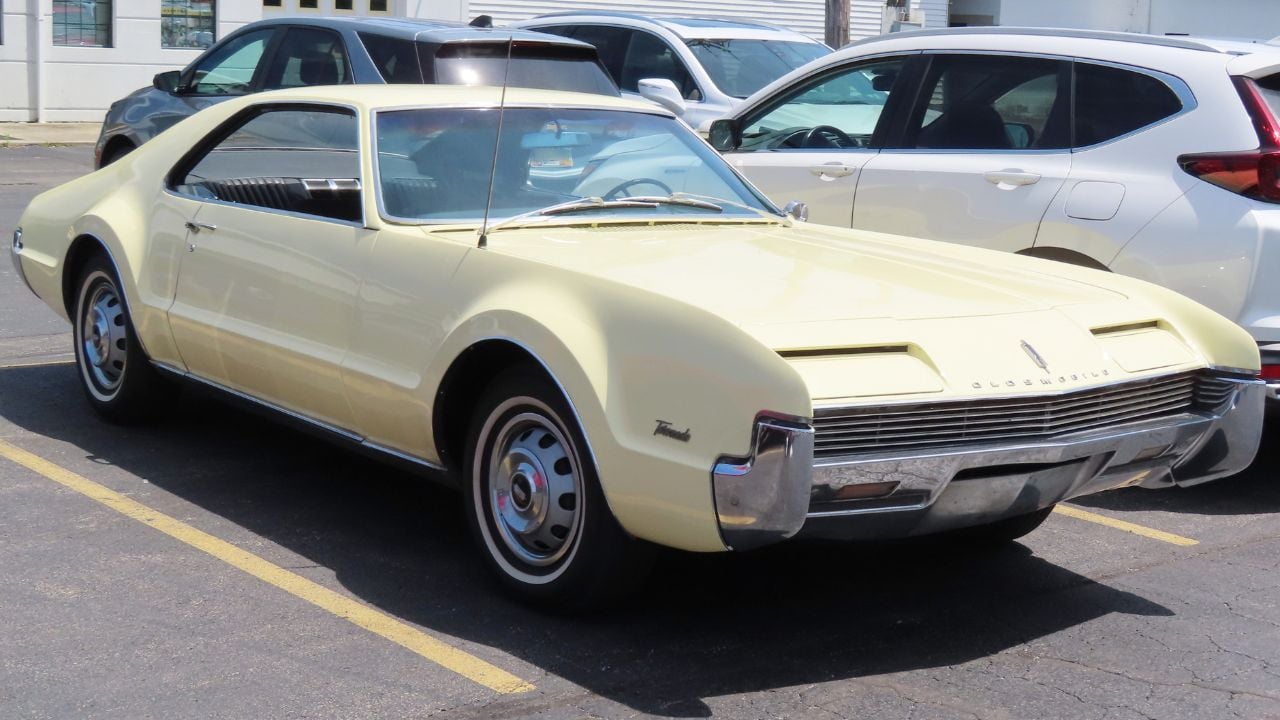
The Toronado deserves respect for being genuinely innovative, not just another muscle car with a bigger engine.
Oldsmobile created the first American front-wheel-drive car since the Cord 810, wrapping that unusual drivetrain in dramatic styling that turned heads. The engineering challenge of stuffing a 425 cubic inch V8 and front-wheel drive into one package was substantial, but Olds pulled it off beautifully.
While nearly 41,000 were built in 1966, finding clean examples today is surprisingly difficult because most lived hard lives. The split-bench seats with the center armrest that could flip up to create a pseudo-bucket seat setup was a clever touch.
This was GM taking a genuine risk on technology, and even though front-wheel drive didn’t catch on immediately for American performance cars, the Toronado proved it could work.
1968-1969 AMC AMX
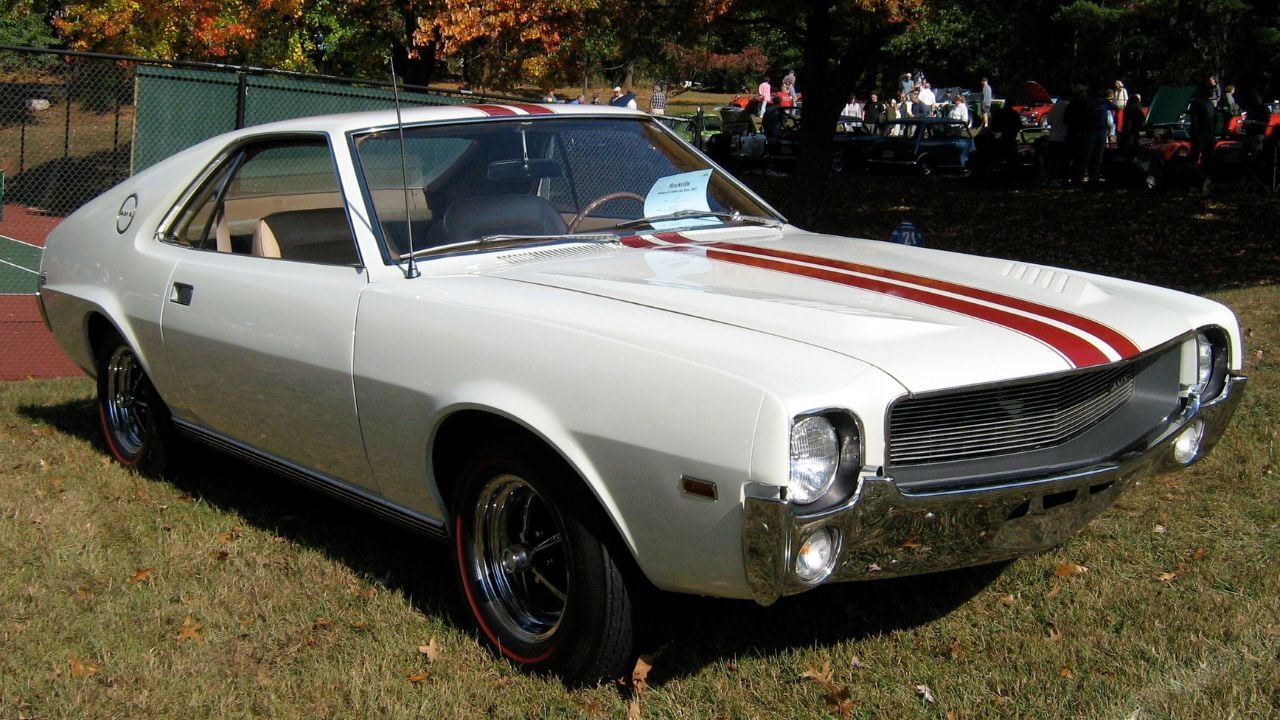
American Motors decided to build a true two-seater sports car to compete with Corvettes, and the AMX was their surprisingly good answer.
With a 390 cubic inch V8 crammed into a wheelbase that was 12 inches shorter than the Javelin it was based on, the AMX had proper sports car proportions. Only about 6,700 were built in 1968 and roughly 8,300 in 1969 before AMC gave up on the two-seat concept and turned it into a Javelin option package.
The AMX helped set 106 speed and endurance records at Bonneville, proving it wasn’t just marketing fluff. AMC even offered a genuine performance package called the “Go Package” because apparently they knew their target audience.
It’s a shame more people don’t remember when AMC tried to play with the big boys and actually succeeded.
1967 Chevrolet Camaro Z/28
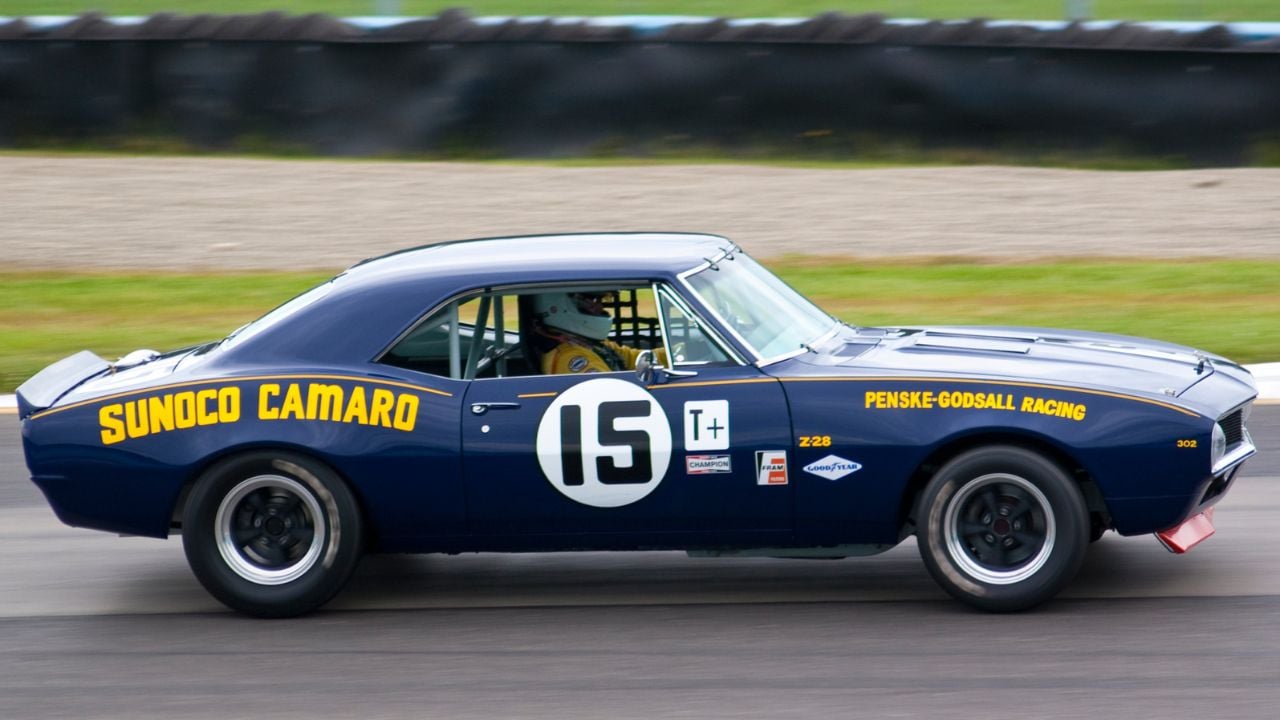
The first-year Z/28 is the Camaro that launched a legend, and with only 602 produced, it’s also the rarest.
Chevrolet built the Z/28 specifically to compete in SCCA Trans-Am racing, which required a “production” version for homologation. The 302 cubic inch V8 was created by putting a 283 crankshaft in a 327 block, which sounds like hot-rodder math but was actually brilliant engineering.
Rated at 290 horsepower, the high-revving small-block loved to scream, and savvy racers knew it made considerably more power than Chevy admitted. The first Z/28s were so focused on performance that luxury items like a radio were optional, and most buyers didn’t even understand what they were looking at.
Today, finding an authentic first-year Z/28 is like winning the lottery for Camaro collectors, with values reflecting that rarity.
1963 Chrysler Turbine Car

Chrysler actually built a car powered by a turbine engine and then loaned them to regular people to drive, that’s not science fiction, that’s 1963.
Only 55 of these experimental beauties were built, with their distinctive bronze metallic paint and styling that looked genuinely futuristic. The turbine engine could run on diesel, unleaded gasoline, kerosene, or even vegetable oil, showcasing flexibility that’s still impressive today.
Chrysler let 203 families drive these cars for three months each to gather real-world data on turbine technology. While the program showed that turbine power could work, high production costs and strict emissions regulations ultimately killed the dream.
Most of the cars were destroyed after the program ended, making the few survivors incredibly rare pieces of automotive “what if” history.
1969 Ford Mustang Boss 429

Ford needed to homologate the massive 429 cubic inch engine for NASCAR, so they stuffed it into Mustangs and created an instant legend.
The Boss 429 required so much modification to fit that Ford contracted Kar Kraft to hand-build each one, resulting in only 859 examples in 1969. The engine bay had to be widened, the shock towers relocated, and the battery moved to the trunk just to accommodate the enormous semi-hemi heads.
Rated at 375 horsepower, everyone knew Ford was being conservative with that number, and actual output was closer to 500 horses. These weren’t the prettiest Mustangs ever built because function dictated form, but serious collectors don’t care about aesthetics when dealing with this much legendary engineering.
Finding a genuine Boss 429 today means you’ve found one of the most valuable Mustangs ever created.
1965-1966 Shelby Cobra 427 S/C
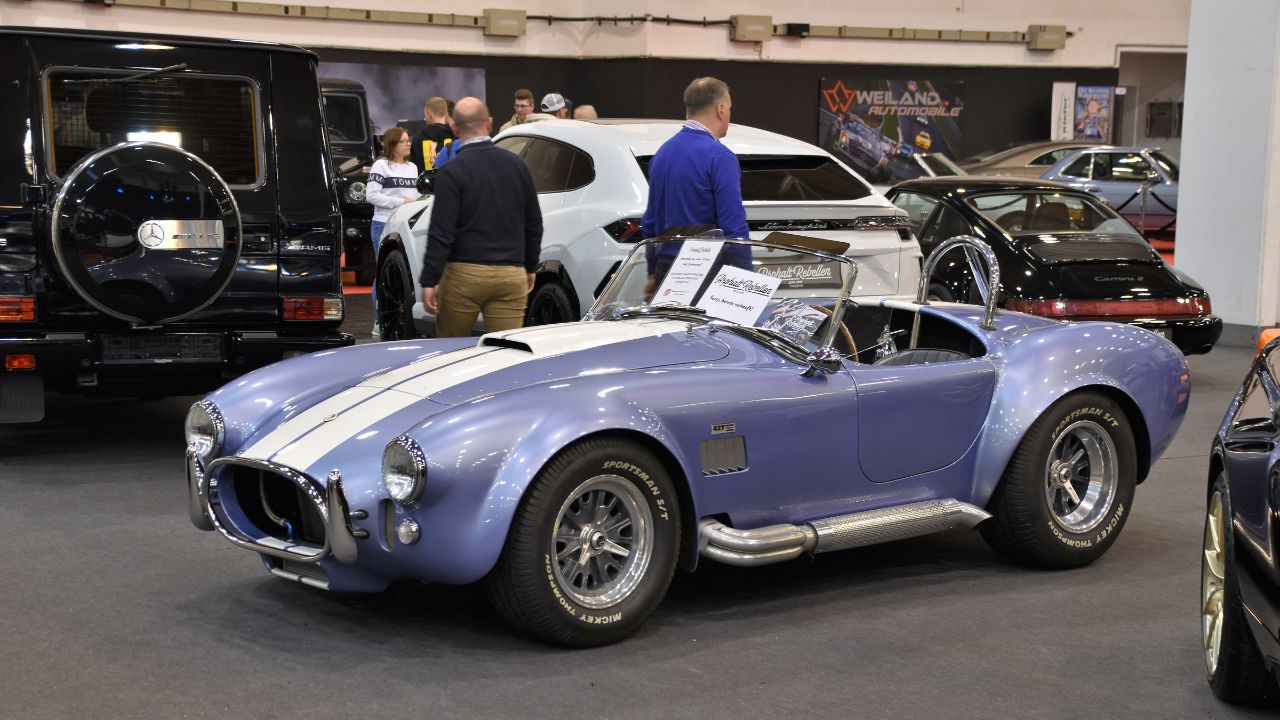
Carroll Shelby’s ultimate Cobra was the car that other cars had nightmares about.
The 427 S/C (Semi-Competition) took the already wild 427 Cobra and cranked everything up to eleven, with about 31 built during its production run. These featured side-oiler Ford big-blocks making upward of 485 horsepower in a car that weighed around 2,500 pounds, creating a power-to-weight ratio that was frankly terrifying.
The wider fender flares, scooped hood, and functional side pipes announced this wasn’t your average sports car from a block away. S/C models were essentially street-legal race cars that could hit 60 mph in around 4 seconds at a time when most cars could not come close.
Today, an original 427 S/C is worth several million dollars, and even continuation models command serious money because the legend is just that powerful.
Conclusion

These twelve automobiles represent the road less traveled in 1960s automotive design, each one a reminder that popularity and production numbers don’t always reflect true greatness. Some were built in limited quantities intentionally for racing homologation, while others simply arrived at the wrong time or asked buyers to embrace something unfamiliar.
What they all share is a special place in automotive history that goes beyond mere statistics, they represent moments when manufacturers took chances, pushed boundaries, and created something memorable. Car enthusiasts today hunt these rarities not just because they’re valuable investments, but because owning one means possessing a piece of history that most people will never experience.
The next time you’re at a car show and something unusual catches your eye, take a closer look, you might be standing in front of one of these unforgettable machines. That’s when you’ll understand why rarity and excellence sometimes go hand in hand.