The automotive world has always been a playground for dreamers and innovators, and sometimes those dreams turn into genuine marvels that reshape how we think about transportation. But other times? Well, they disappear faster than your motivation to wash the car on a Sunday morning.
These are the vehicles that promised revolution, captivated our imaginations, and then quietly faded into obscurity. Some were too ambitious, some were too expensive, and some were just plain unlucky with their timing. From three-wheeled wonders to turbine-powered experiments, these cars represented bold visions that, for one reason or another, never quite made it.
Here are twelve fascinating automobiles that were supposed to change everything but ended up becoming cautionary tales instead.
Aptera Motors’ Car

Picture a vehicle that looks like it escaped from a sci-fi movie set, claims up to 1,000 plus miles of range with its largest planned battery pack, and can add daily range from integrated solar cells, though more recent production intent versions have been discussed with lower stated battery only ranges. That’s what Aptera promised with its ultra-aerodynamic three-wheeler.
The company first emerged in the late 2000s with a design so slippery through the air it made jellyfish jealous. Despite garnering serious attention and pre orders from eco conscious early adopters, Aptera shut down and was liquidated in 2011 when funding dried up. The company has actually resurrected itself in recent years with updated promises, but production vehicles remain elusive.
It’s like that friend who keeps saying they’ll definitely make it to your party this time. But they’re bringing the salad anyway, so you’re not too worried.
Jaguar C-X75
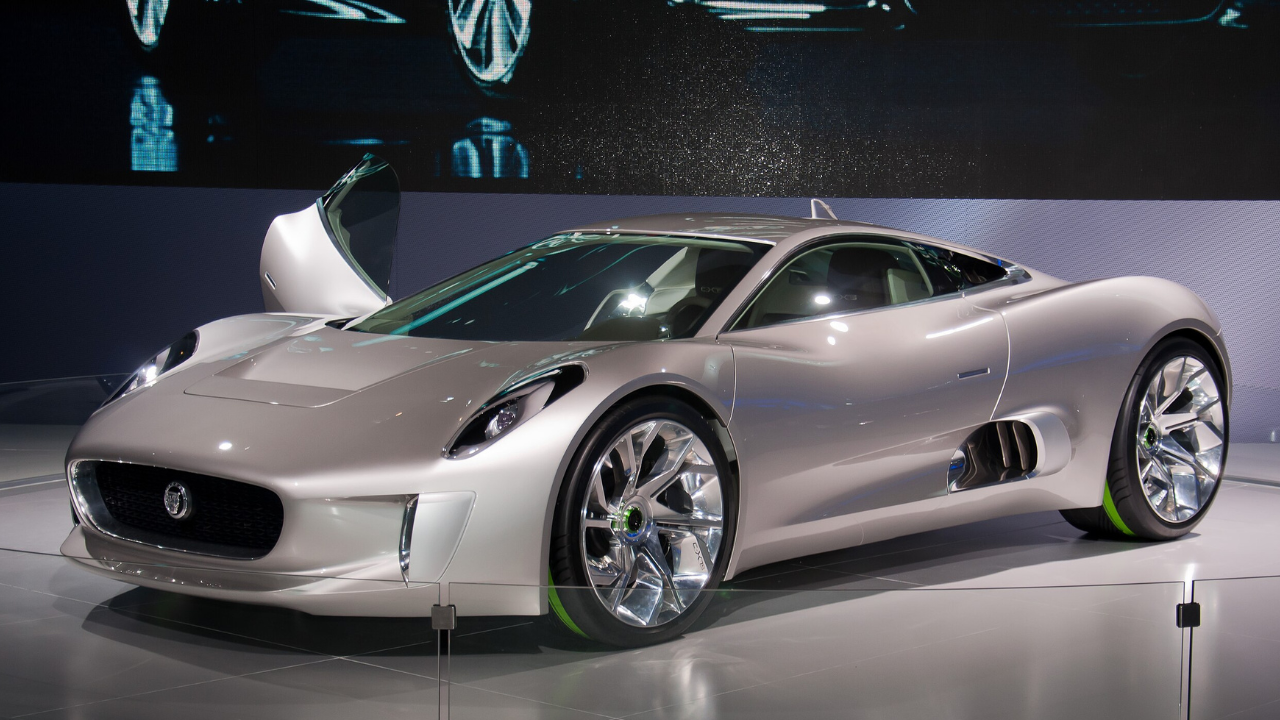
When Jaguar unveiled the C-X75 concept at the 2010 Paris Motor Show, jaws hit the floor so hard they left dents.
Originally designed with a gas turbine range extender and electric motors producing nearly 800 horsepower, this was a hypercar that looked like it could bend time itself. Jaguar announced plans for limited production and even built working prototypes with a turbocharged engine, and later featured one as a villain’s ride in a James Bond film.
Production was planned with a price tag approaching $1 million, but the global economic situation convinced Jaguar to shelve the project in December 2012. Jaguar ultimately built five developmental prototypes in production car specification, and the car later appeared in Spectre using additional movie cars.
The rest of us will just have to watch Spectre again.
Faraday Future FF 91
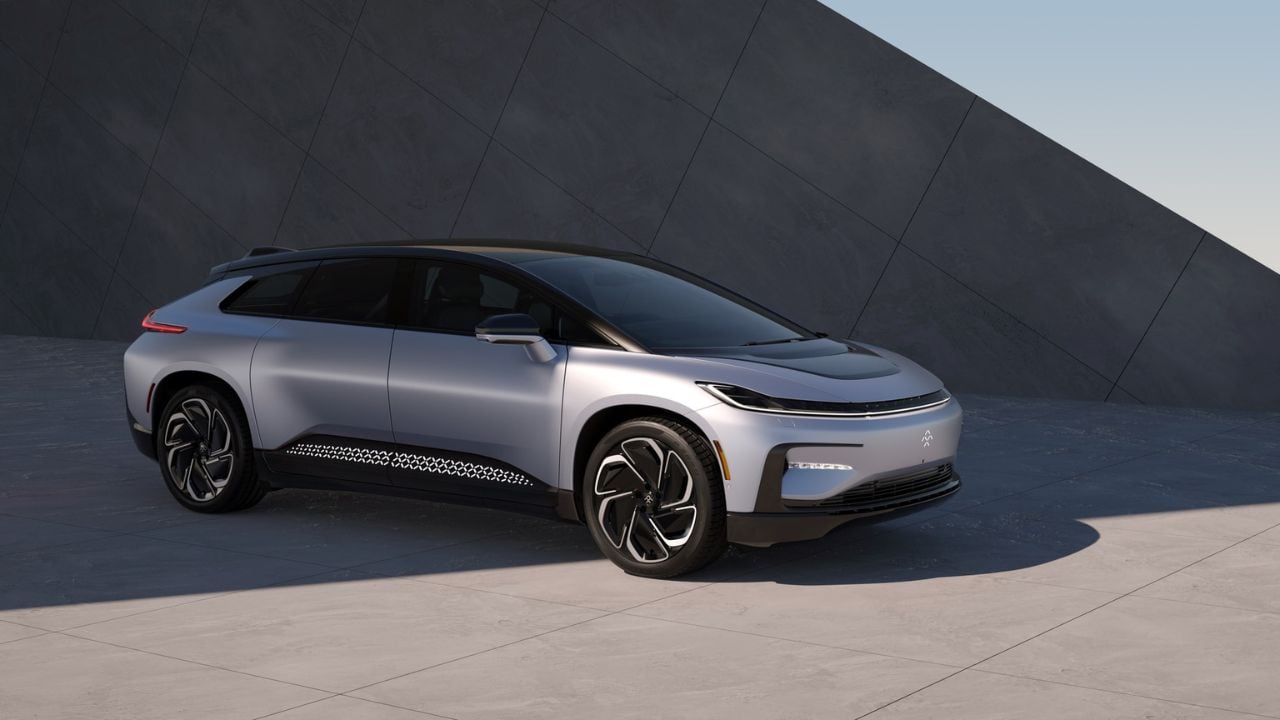
Faraday Future burst onto the scene in 2016 with promises of dethroning Tesla and creating the ultimate connected electric luxury vehicle.
The FF 91 boasted impressive specs on paper: acceleration that could rival supercars, a range over 300 miles, and enough tech to make your smartphone feel inadequate. The company staged elaborate reveal events and talked a big game about revolutionizing the industry.
Then came the drama: financial troubles, executive departures, lawsuits, and delays that turned years into what felt like geological epochs. While some vehicles have trickled out to early backers, full production has remained perpetually just around the corner.
It’s become less of a car company and more of a masterclass in how not to launch a startup.
Ford F-150 Lightning

When Ford announced an electric version of America’s best-selling truck, the response was overwhelming, with reservations flooding in faster than you could say “torque.”
The Lightning promised to bring electric power to the heartland, with enough capability to power your house during an outage and enough towing capacity to handle real work. Initial excitement was massive, but reality proved trickier than anyone expected.
Production challenges, price increases that pushed the truck well above its promised starting price, and changing market conditions meant the Lightning never quite achieved the revolutionary impact Ford hoped for. In December 2025, Ford said it would replace the fully electric F-150 Lightning with an extended range electric pickup that uses a gas powered engine to recharge the battery, and it also scrapped its next generation all electric truck program.
What was supposed to be the vehicle that electrified America’s workforce instead became a cautionary tale about promising too much too soon.
Fisker Ocean

Henrik Fisker had already been through the startup wringer once with the Fisker Karma, so you’d think round two would go smoother, right? Right??
The Ocean SUV promised sustainable luxury, solar panels integrated into the roof, and an interior featuring recycled materials that would make environmentalists weep with joy. Pre-orders rolled in, the design looked sharp, and for a moment it seemed like Fisker might actually pull it off this time.
Then came the familiar pattern: production issues, quality concerns, financial struggles, and ultimately bankruptcy in 2024. Some Oceans did make it to customers, but not enough to sustain the company.
It turns out that naming your company after yourself doesn’t guarantee success twice, no matter how compelling the vision might be.
Cadillac Cyclone

Back in 1959, Cadillac built a concept car so wild it makes modern concept cars look like beige sedans.
The Cyclone featured a removable (the rear part) bubble canopy, rear-mounted radar to warn of obstacles, and styling that suggested it was designed for cruising on Mars rather than Michigan. Those cone-shaped protrusions on the front? They housed radar sensors, because apparently Cadillac thought we’d all be driving with radar by now.
Only one was built, and it never saw production because, well, where would you even start with making something that bonkers road-legal? The Cyclone now sits in the GM Heritage Center, a beautiful reminder that sometimes the future that designers imagine is way more interesting than the future we actually get.
Though to be fair, parallel parking that thing would’ve been absolutely nightmarish.
Chrysler Turbine Car

In the early 1960s, Chrysler decided that piston engines were for chumps and the future belonged to turbines, like the ones powering jet aircraft.
They weren’t entirely wrong about the appeal: turbines could run on almost any flammable liquid, had fewer moving parts, and emitted less pollution than conventional engines. Chrysler built 55 of these bronze beauties and loaned them to regular families as part of a user program.
Drivers reported that the cars ran smoothly and sounded like nothing else on the road, which makes sense given they were basically driving jet engines. However, turbines sucked down fuel, took forever to spool up from a stop, and were expensive to manufacture. The program ended, most of the cars were destroyed, and the turbine dream died.
A handful survived in museums, where they remain as some of the coolest what-ifs in automotive history.
Subaru SVX

Subaru looked at the sports car market in the early 1990s and thought, what if we made something sophisticated and Italian-designed but with all-wheel drive and boxer engine charm?
The result was the SVX, styled by legendary designer Giorgetto Giugiaro with distinctive window-within-a-window glass and swoopy curves that stood out in Subaru showrooms. It was comfortable, capable, and genuinely handsome in a quirky way.
So why did it disappear? The price was steep for a Subaru, the automatic-only transmission in most markets frustrated enthusiasts, and it arrived just as the sports coupe market was cooling off. Sales were modest, production ended after just six years, and the SVX became a footnote.
These days, clean examples have a cult following among Subaru enthusiasts who appreciate its oddball appeal, but you’ll see ten WRXs for every SVX on the road.
Chevy SSR
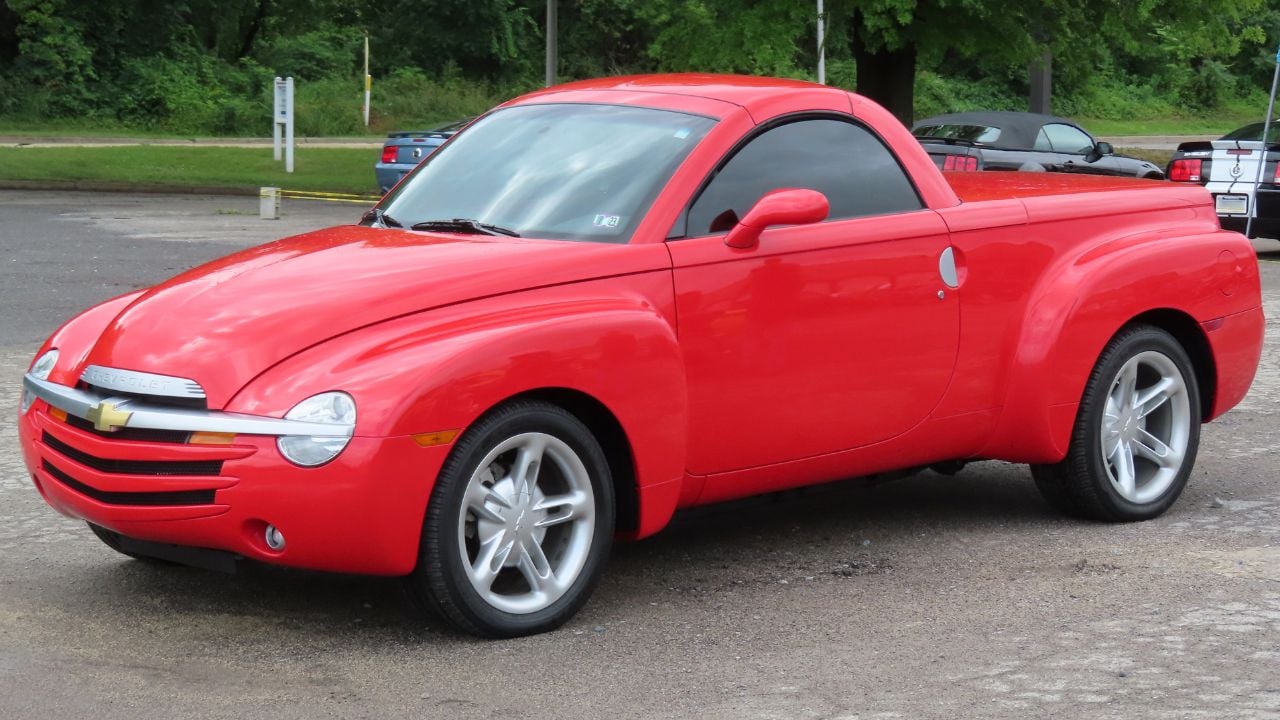
Someone at Chevrolet must have asked, “What if we combined a hot rod, a pickup truck, and a convertible, and made absolutely sure it doesn’t excel at any of those things?” The SSR was born from that fever dream in 2003.
It had retro styling that referenced 1940s Chevy trucks, a power-retractable hardtop, and a bed so small you’d struggle to fit a week’s worth of groceries. Early models came with a 5.3 liter V8, and later versions upgraded to a 6.0 liter V8, with a manual transmission available in later years.
The problem was nobody could figure out what the SSR was actually for, too impractical as a truck, too heavy as a sports car, too expensive as a toy. Production ended in 2006 after selling far fewer than expected.
Today, they’re cheap on the used market and weirdly appealing if you want something absolutely nobody else has.
NSU Ro 80
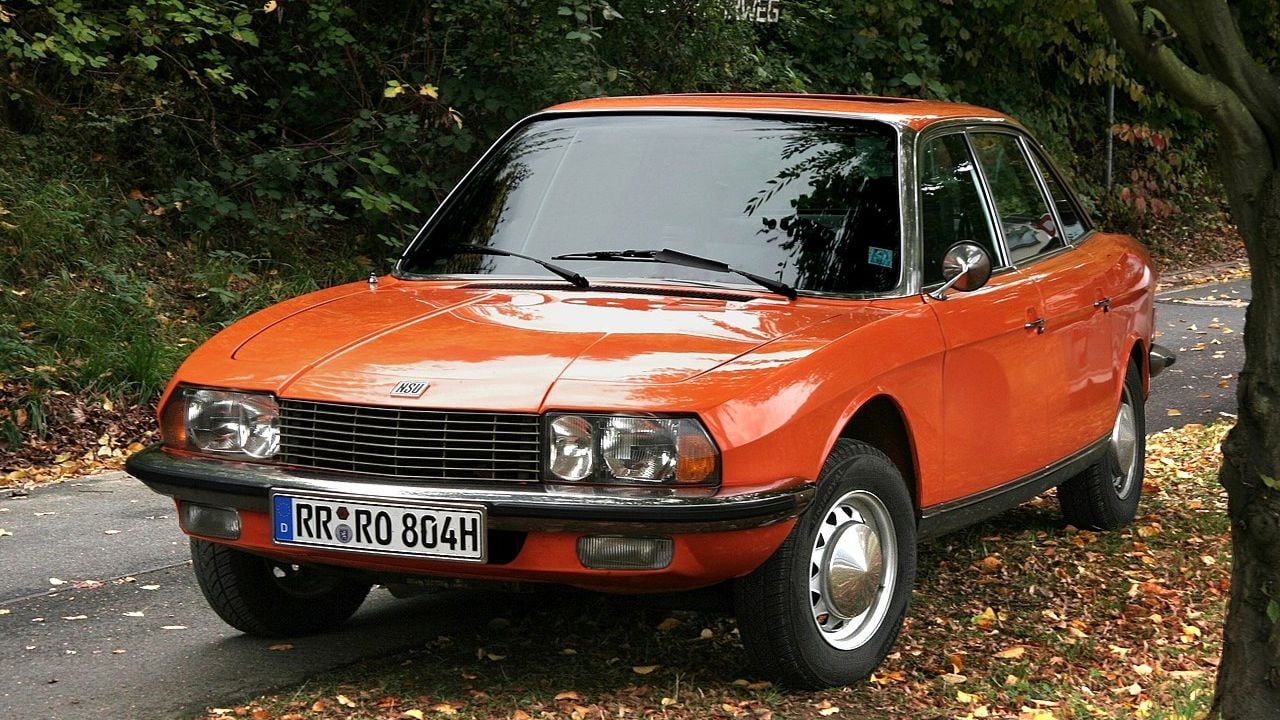
The German automaker NSU bet everything on rotary engine technology with the Ro 80, a sleek sedan that arrived in 1967 looking like it had traveled back from 1985.
With aerodynamic styling that influenced car design for decades and a smooth rotary engine that revved like nothing else, the Ro 80 seemed poised to revolutionize the industry. It won European Car of the Year and garnered rave reviews for its advanced engineering and futuristic design.
Then the problems started: the rotary engines wore out quickly,warranty claims piled up, and NSU’s situation deteriorated enough that it merged with Auto Union to form Audi NSU Auto Union AG in 1969, within the Volkswagen Group orbit. The Ro 80 stayed in production until 1977, but the damage was done.
It proved that being ahead of your time means nothing if the technology isn’t ready, a lesson many automakers seem determined to relearn every generation.
Dymaxion
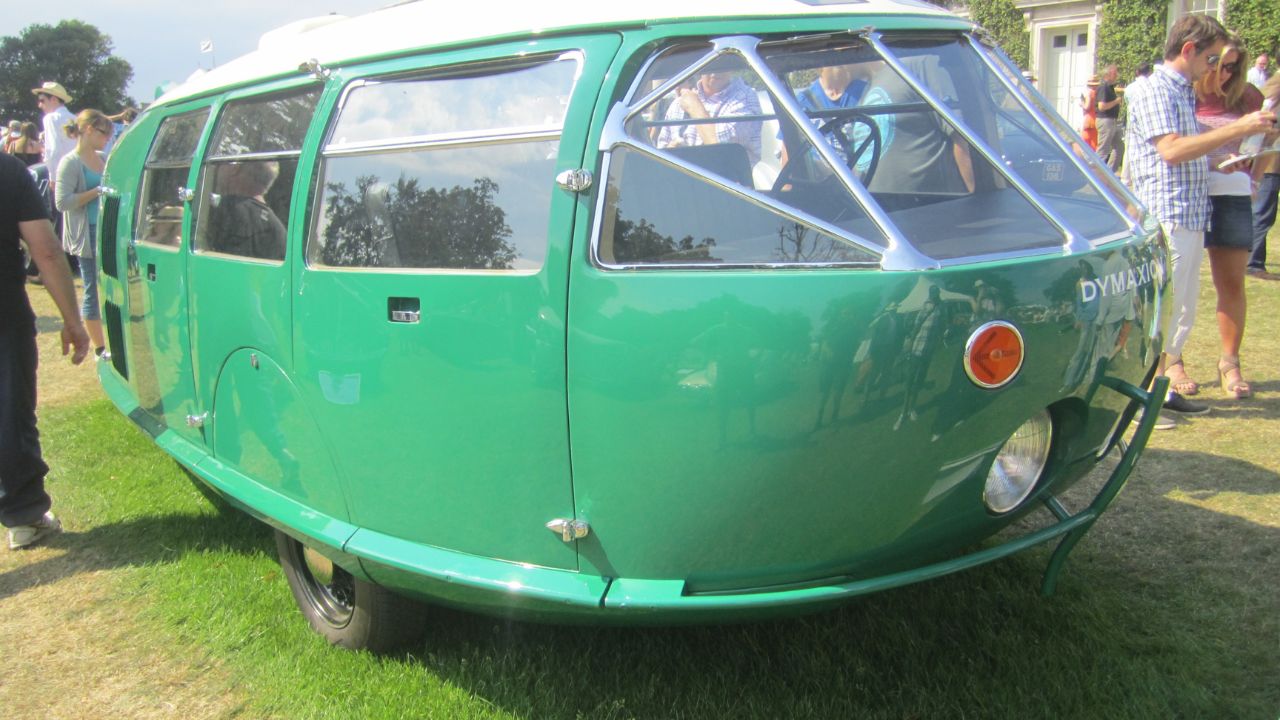
Buckminster Fuller was better known for geodesic domes than automobiles, but that didn’t stop him from designing one of the strangest vehicles ever conceived.
The Dymaxion car of 1933 looked like a blimp that had been convinced to drive on roads, with three wheels, seating for eleven, and the ability to turn on a dime thanks to its rear-wheel steering. Fuller envisioned it as the future of transport, emphasizing efficiency and radical rethinking of what a car should be.
Only three were built, and one was involved in a fatal crash near the Chicago Century of Progress World’s Fair in 1933, with the cause disputed. The remaining prototypes eventually ended up in museums.
While the Dymaxion never came close to production, its influence on transportation thinking persisted, proving that sometimes the craziest ideas plant seeds that grow into something practical later.
Kia Borrego
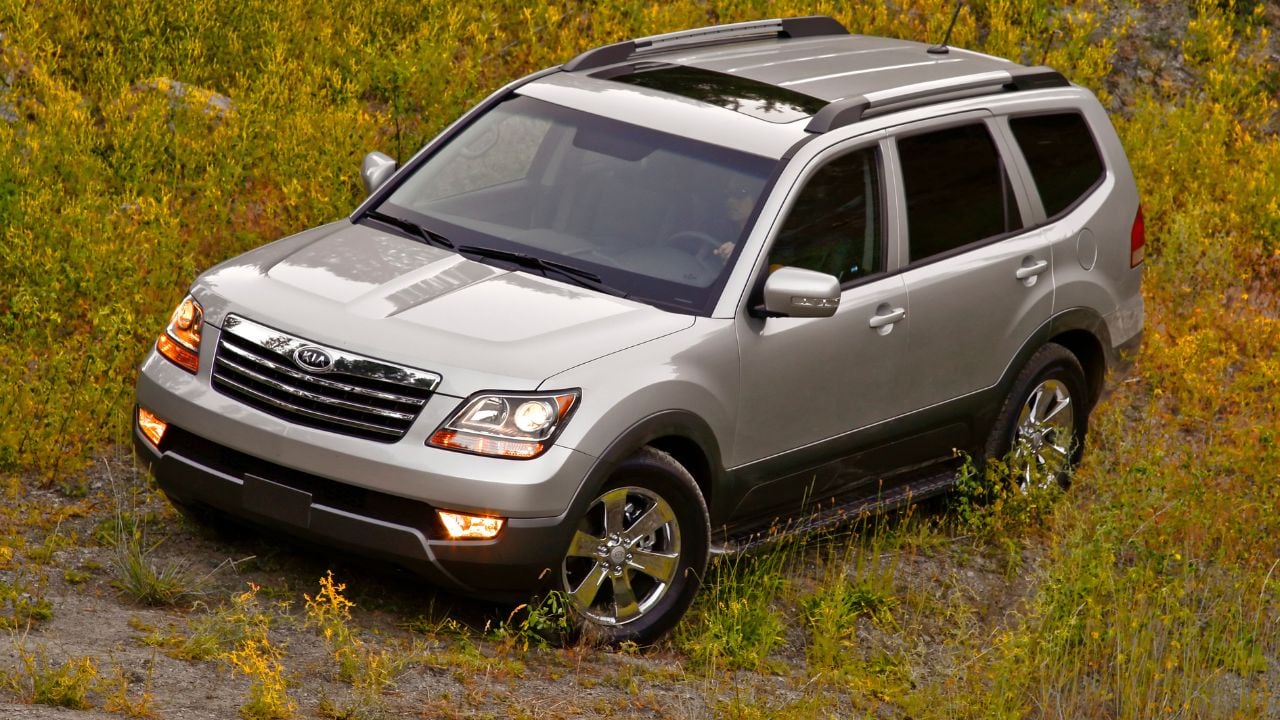
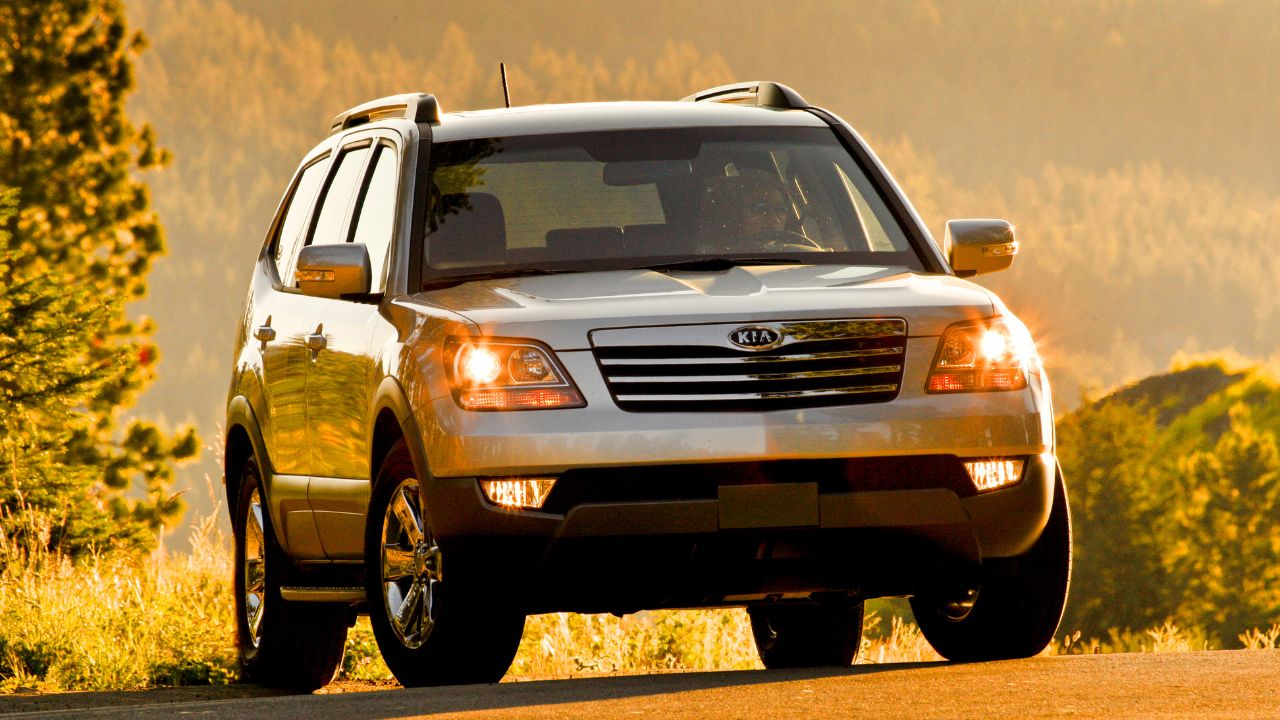
Kia arrived at the midsize SUV party in 2008 with the Borrego, a body on frame three row SUV aimed at mainstream midsize rivals.
It offered genuine capability, available V8 power, and a price point that undercut most competitors. On paper, the Borrego made perfect sense as Kia’s move upmarket into a profitable segment. There was just one tiny problem: the timing was catastrophically bad. Gas prices spiked, the economy tanked, and suddenly nobody wanted a body-on-frame SUV that wasn’t wearing a luxury badge.
The Borrego was sold in the U.S. mainly as a 2009 model, and Kia confirmed it would be withdrawn for the 2010 model year, though leftover inventory was still sold afterward. The body on frame SUV continued in other markets for years as the Kia Mohave, even after the U.S. withdrawal.
Sometimes being the right product at the wrong time is worse than being the wrong product entirely.
Conclusion

These twelve vehicles remind us that innovation doesn’t always mean success, and bold visions sometimes crash harder than cautious incrementalism. The automotive industry is littered with brilliant ideas that arrived too early, cost too much, or simply couldn’t overcome the practical realities of manufacturing and marketing. Yet there’s something admirable about every one of these failures, because at least someone tried to push boundaries and imagine transportation differently. Some of these cars influenced future designs even if they never sold in meaningful numbers, while others became beloved oddities with cult followings.
The next time you see a wild concept car at an auto show, remember that it might end up on a list like this someday, but that doesn’t mean it wasn’t worth building. After all, the only way to find out what works is to try things that might not, and the automotive world is far more interesting because people keep taking those swings.