Despite the prohibition on the sale of Chinese vehicles, some cars have been spotted hitting the streets of California, raising questions about the legality of their movement in the U.S.
The law of the land bans Chinese EVs due to cybersecurity concerns, given the numerous sensors and cameras onboard these vehicles that could gather and share sensitive data with the Chinese government.
Additionally, an import tariff of 100% has been imposed on cars imported from China, making it nearly impossible for Chinese brands to sell them due to the high cost.
However, an alleged loophole in the rules has allowed vehicles made by Chinese manufacturers to cross the U.S. without any restrictions, which could be a cause for concern.
Chinese Cars Coming From Mexico
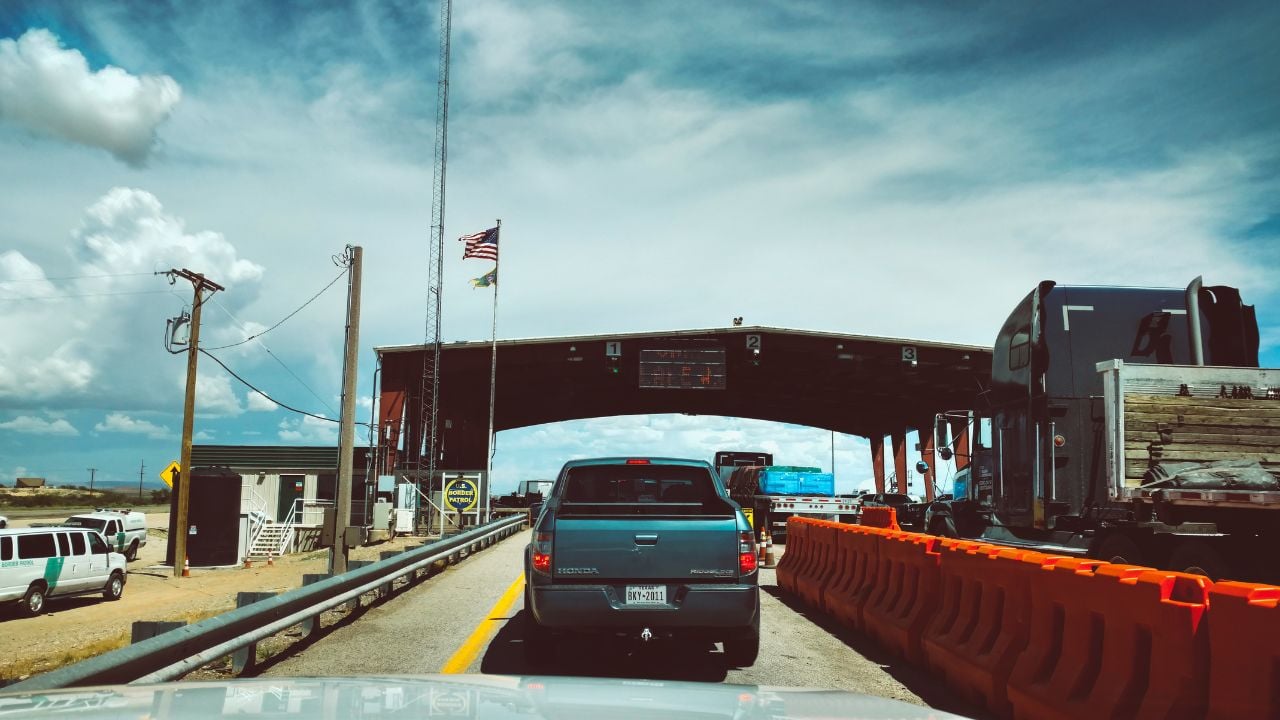
According to a report by the New York Post, Chinese cars are being sold across the border in Mexico, which include high-tech electric vehicles and low-priced gas-powered vehicles that automakers in the U.S. would struggle to compete against, especially in terms of pricing, if those vehicles were sold locally.
American automakers have warned the Trump administration about allowing Chinese automakers to build and sell cars in the U.S., stating that they could be a significant threat to the country’s automotive industry.
As a result, lawmakers are working to ban the entry of Chinese vehicles through Mexico and Canada. However, a current rule is getting in the way.
The rule permits Mexican citizens who work in the U.S. to drive their vehicles across the border, even if those vehicles fail to comply with American standards.
It is due to this regulation that vehicles made by Chinese manufacturers are entering the U.S., legally, and there is nothing that can be done about them at this moment unless a separate law is passed to tackle this concern.
Geely Eyeing the U.S. Market
Guessing Headlights recently reported how Chinese auto manufacturer Geely expressed interest in entering the U.S. market, urging the government to relax regulations for a potential entry in the future.
Geely Holding Group executive vice president Victor Yang revealed that American customers expressed interest in the company’s products at the 2026 Consumer Electronics Show (CES) in Las Vegas early this year, with many inquiring when its cars would arrive in the U.S.
Speaking about Geely’s potential U.S. entry, Yang said that no decision has been made yet, but a possibility will be considered in three years. He said:
“My colleague said that we will look at the possibility and then make a decision in three years’ time, but no decision [has yet been made].”
BYD Says U.S. Ban Not Affecting Its Success
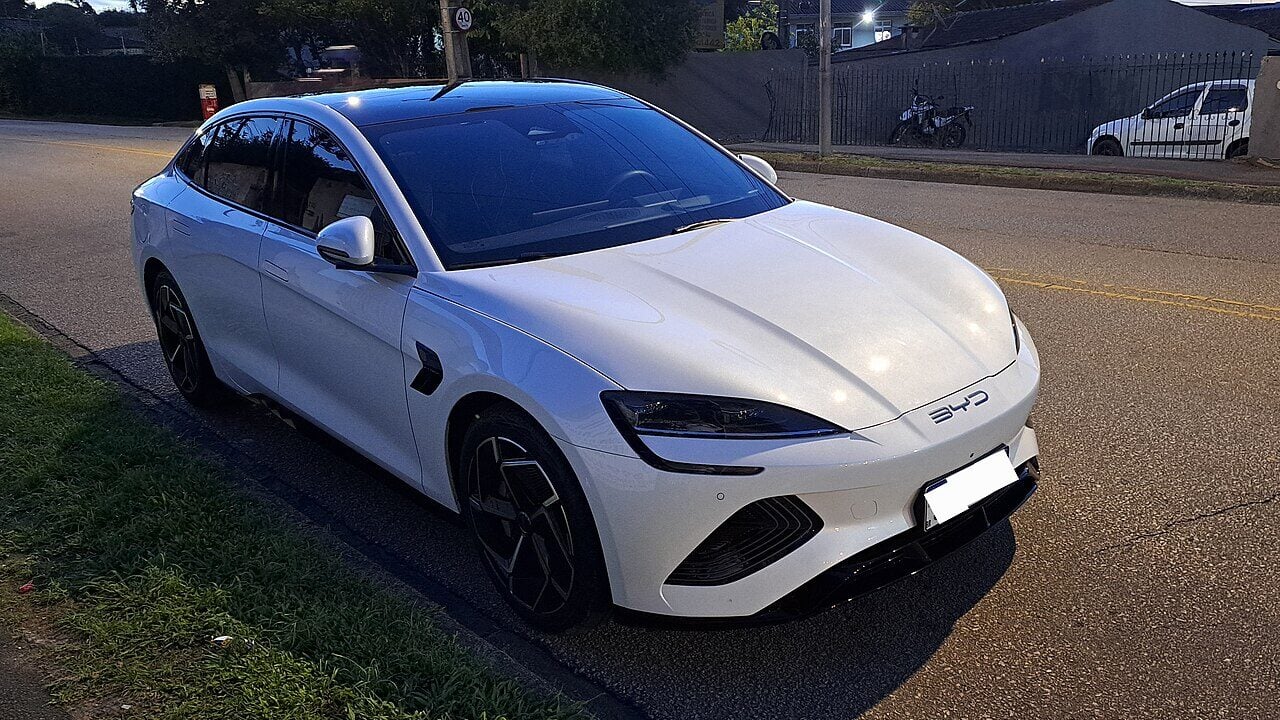
While Geely revealed it would consider a U.S. entry down the line, BYD has made it clear that its business is thriving without its existence in the U.S. market.
Guessing Headlights reported how the brand went on to surpass Tesla as the world’s largest seller of electric vehicles in 2025, as it aggressively expands its operations on a global scale.
BYD executive vice president Stella Li revealed that the company is finding it challenging to meet demand and spoke about its success despite the brand’s absence in the U.S. She said:
“We survive and are successful without the U.S. market today.”
She added:
“Consumers feel the daily savings when oil prices increase. EVs help them save money every day.
“Actually, we are now suffering [insufficient] capacity. Our demand is much higher than what we can supply.”
Revealing the company’s scope, Li added that BYD’s operations are not just limited to cars. She said:
“We are not just a car company. We produce one-third of global smartphone components, we are a leading player in battery storage, solar panels, buses, and trucks. So BYD is an ecosystem.”