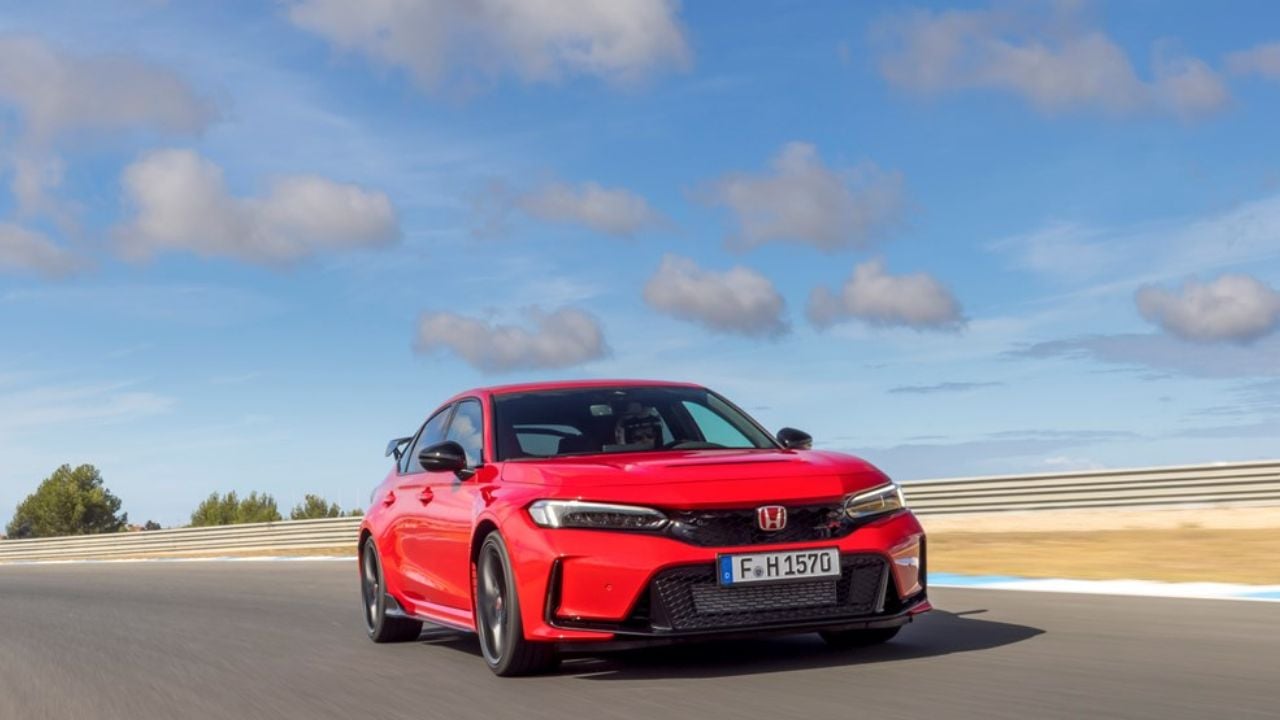
Some trips are built around a hotel, a restaurant, or a postcard view waiting at the end. Others begin with a very different question: what road is good enough to justify the entire journey on its own?
That is the idea behind a true car-centered road trip. The destination still matters, but it becomes secondary to the thing happening between departure and arrival: the quality of the surface, the rhythm of the corners, the visibility through the turns, the scenery unfolding at exactly the speed a good driver wants to experience it.
The best routes do not all ask for the same kind of car, either. Some reward a light sports car and quick steering. Others make more sense in a grand tourer, a convertible, or a classic coupe that turns the road into something slower, richer, and more atmospheric.
That is what makes these drives worth building a vacation around. They are not just roads to somewhere else, but roads with a personality strong enough to become the reason for the trip in the first place.
Tail of the Dragon
The Tail of the Dragon at Deals Gap on the Tennessee-North Carolina border packs 318 curves into 11 miles. That number alone explains why so many drivers plan trips around it rather than simply passing through.
The road is narrow, heavily wooded, and relentless in the way it turns. There are no intersections and almost nothing to distract from the driving, which is exactly why small, agile cars feel so good here.
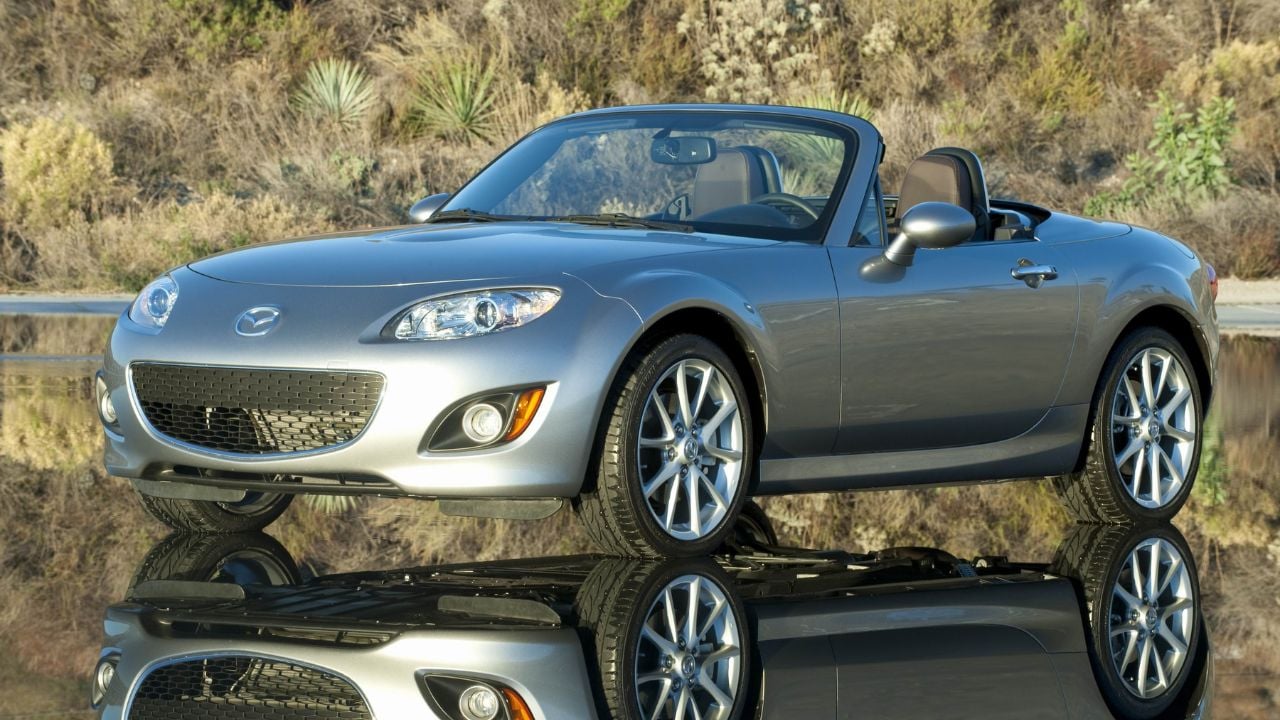
A Mazda MX-5, a Porsche 718, or a Toyota GR86 makes more sense than something with big horsepower and too much bulk. The road rewards quick steering, a short wheelbase, and the confidence to settle into a rhythm rather than chase speed.
Autumn is a popular time to visit because the temperatures are friendlier and visibility improves as the foliage thins. Many drivers also run it in both directions, because the road feels noticeably different on the return pass and rarely reveals everything the first time through.
Pacific Coast Highway
California’s Highway 1 is one of those drives that works because the road and the scenery are equally strong. The most celebrated section runs along the Central Coast from Santa Barbara toward Monterey through Big Sur, where the pavement clings to the cliffs and the Pacific keeps opening up beside you.
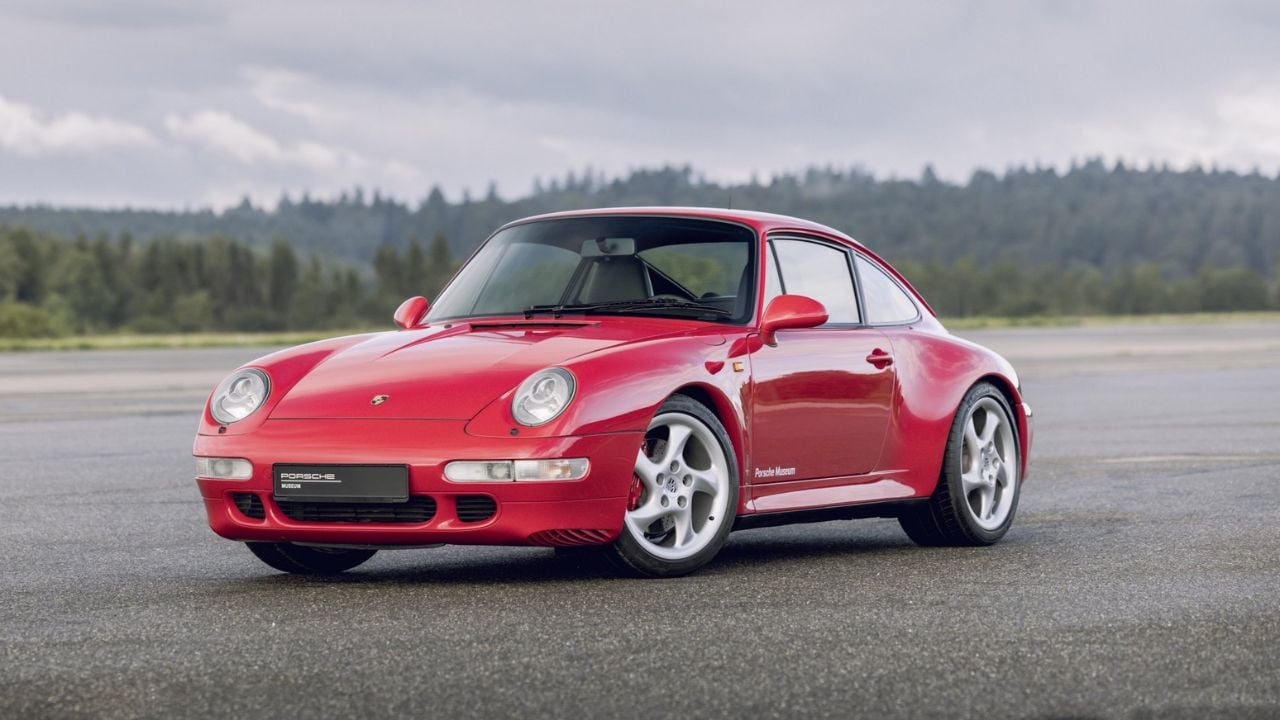
This is not a route built around constant hard driving. It works best as a long, flowing grand-touring road, the kind of place where a BMW 8 Series, a Porsche 911 Carrera, or an Aston Martin DB11 feels fast enough for the open sections and refined enough for the slower, scenic ones.
That balance is the appeal. The road bends, rises, and drops with the coastline in a way that keeps the driver engaged, but it also encourages patience, because many of the best moments come from pullouts, overlooks, and short stops rather than one uninterrupted charge.
Weekdays in spring or fall usually offer a better mix of weather and traffic than peak summer. Big Sur in particular rewards drivers who slow down and let the route unfold mile by mile instead of treating it like something to complete in one push.
Grossglockner High Alpine Road
Austria’s Grossglockner High Alpine Road climbs above 8,200 feet through the Alps and covers roughly 30 miles of hairpins, sweepers, and elevation changes. It was built in the 1930s to showcase the mountains, and it still feels like a road created as much for spectacle as for transport.
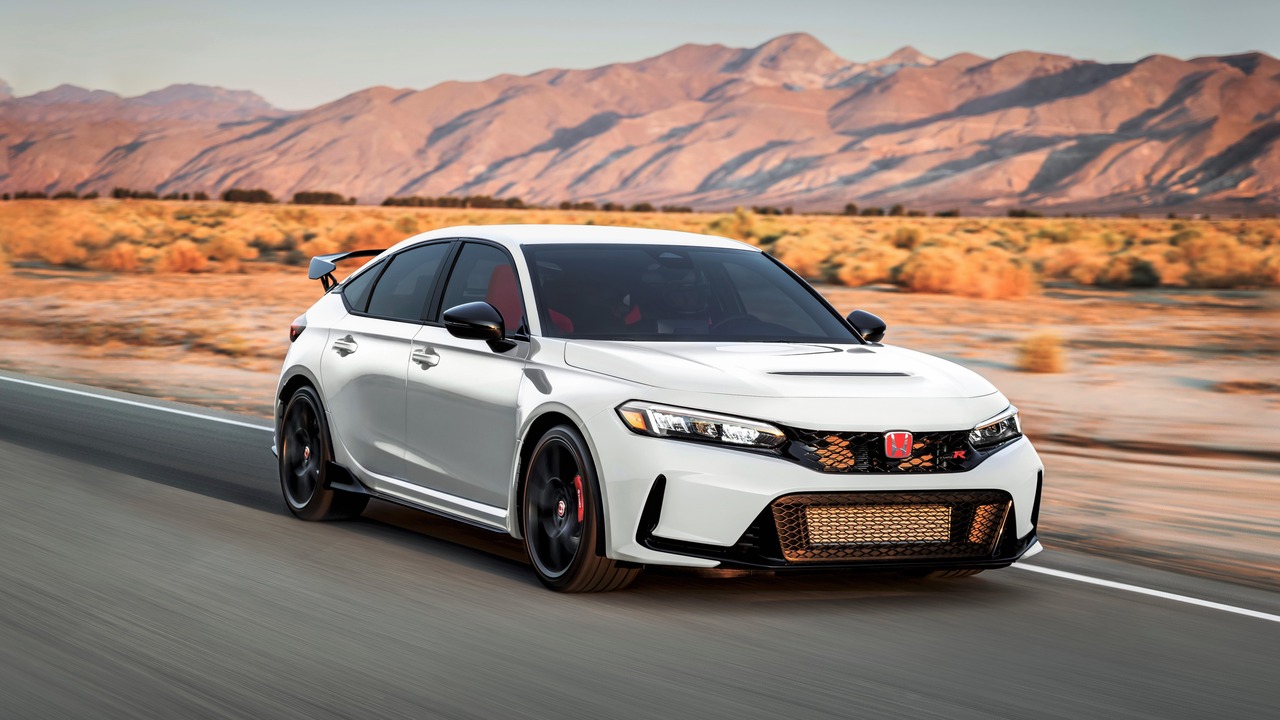
A hot hatch or compact sports car is ideal here. A Honda Civic Type R, a Volkswagen Golf R, or a Porsche Cayman has the size, precision, and confidence to deal with the tighter sections better than something larger and heavier.
The road is typically open from early May into early November, weather permitting, and it closes in winter because of snow. Morning runs are usually the best choice, when the air is cooler, the light is cleaner, and the traffic is still manageable.
A toll is required to drive the full route, but the payoff is obvious almost immediately. On a clear day, the views toward Austria’s highest peak and the surrounding ridgelines make it easy to understand why this road remains one of Europe’s great alpine drives.
Route 66

Route 66 stretches about 2,400 miles from Chicago to Santa Monica. It no longer works as a primary highway, and that is part of what makes it so good for a road trip built around the car rather than speed or efficiency.
The old route moves through diners, desert towns, open plains, and long stretches of America that still feel suspended somewhere between memory and myth. It is less about attacking corners than about matching the road with the right kind of machine and the right pace.
A classic American coupe, convertible, or relaxed grand tourer fits better than something hyper-focused. A late-1960s Mustang fastback, a Corvette C3, or even a modern Mustang GT makes more sense here than a road-trip fantasy built entirely around raw muscle and stiff suspension.
Spring and fall are the easiest seasons for the desert sections, and staying on the older alignments rather than defaulting to the interstate is what transforms the trip. That is where the road starts to feel less like a route and more like a moving piece of American car culture.
North Coast 500

Scotland’s North Coast 500 runs about 516 miles around the northern Highlands. It crosses open moorland, passes sea lochs, and threads through some of the most remote paved landscapes in the United Kingdom.
The road is not uniformly fast, and that is part of the point. In the single-track sections especially, the drive depends on patience, passing places, and reading the road properly rather than trying to force the pace.
A lightweight sports car suits that character beautifully. A Porsche 718 Boxster or a Mazda MX-5 gives the driver a close connection to the surface without feeling oversized on the narrower stretches.
This is also a route that deserves time. Five days is really the minimum for a satisfying trip, and a week is better if you want the west coast sections, especially around Tongue and Durness, to feel like part of the experience rather than something you rushed through.
Transfagarasan Highway
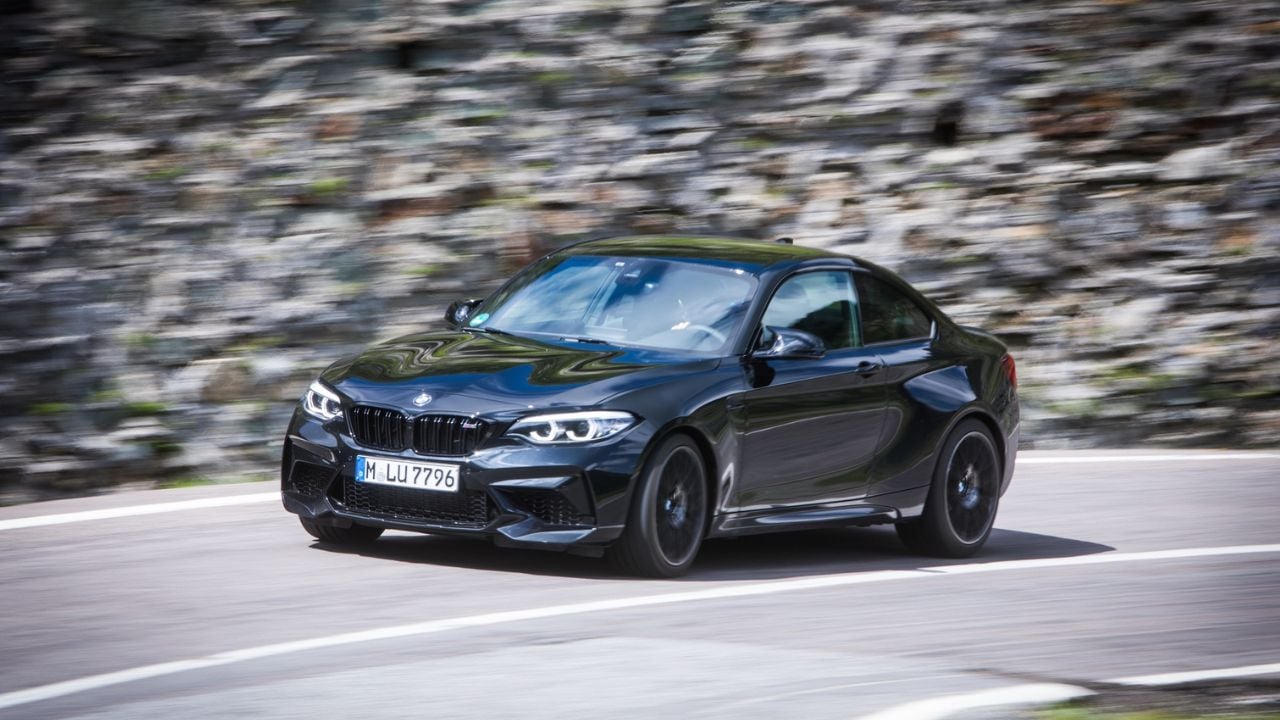
Romania’s Transfagarasan Highway crosses the Carpathian Mountains and climbs to around 6,700 feet above sea level. The route is roughly 70 miles long, depending on how you define the full scenic stretch, and its upper section is one of the most dramatic paved roads in Europe.
This is the road on the list that looks almost unreal from a distance. The switchbacks stack up against the mountainside in a way that makes the climb feel like something drawn rather than engineered, especially when you first see the upper section from below.
Almost any good sports car finds something to love here. A BMW M2, a Porsche 911, or a well-sorted hot hatch has enough steering precision and enough punch to make the gradients and directional changes feel rewarding without overwhelming the road.
The highway is usually open only from late June into autumn because of snow. Early mornings tend to be quieter, and the stretch near Balea Lake is the section most drivers remember long after the trip is over.
Overseas Highway
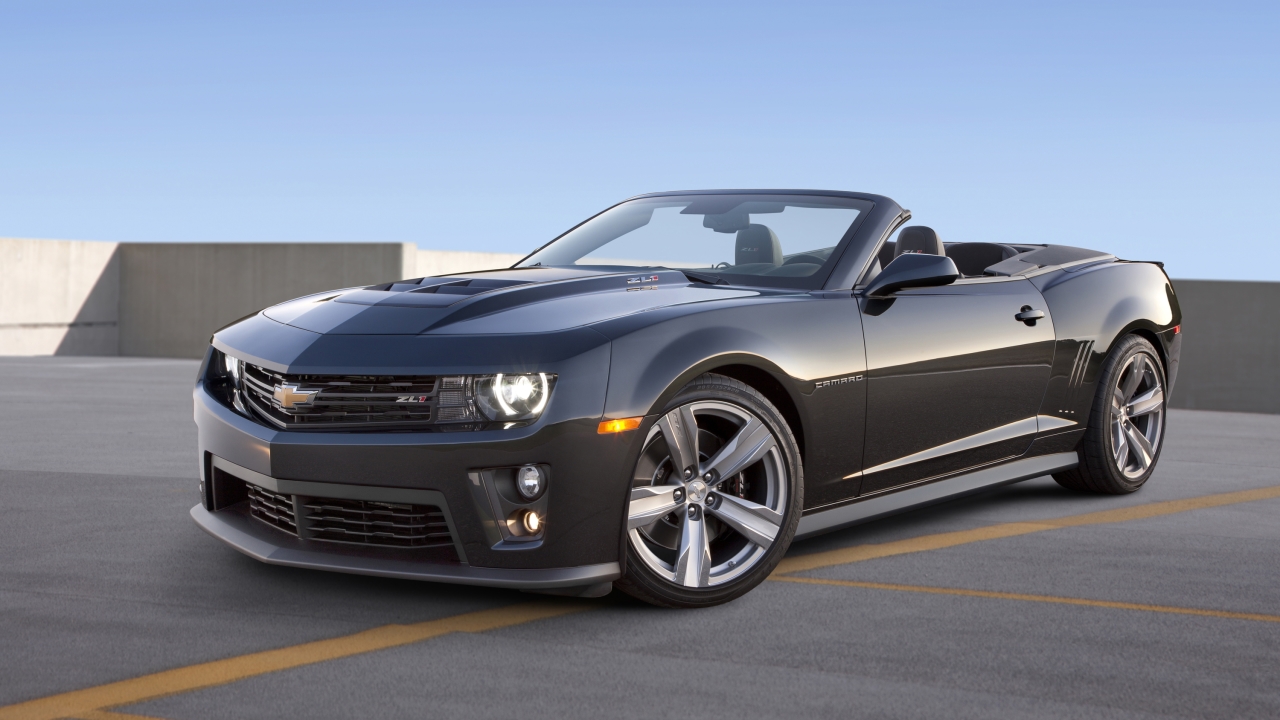
Florida’s Overseas Highway runs 113 miles from Key Largo to Key West across bridges and causeways that cut through the Atlantic, Florida Bay, and the Gulf side of the Keys. It is less technical than the mountain roads on this list, but few drives feel so unmistakably tied to place.
The signature moment is the Seven Mile Bridge, where the road seems to hover above open water with almost nothing to interrupt the horizon. That sense of exposure is what gives the drive its personality.
A convertible is the natural choice here. A Ford Mustang, a Chevrolet Camaro, or an MX-5 with the roof down adds the salt air, warmth, and open-sky feeling that a closed cabin would mute.
Winter and early spring are usually the easiest times to go, when the temperatures are more forgiving and the humidity is lower than it is deep into summer. This is not a drive about attacking the road, but about letting the car become part of the atmosphere around it.
The Drive Is the Whole Point
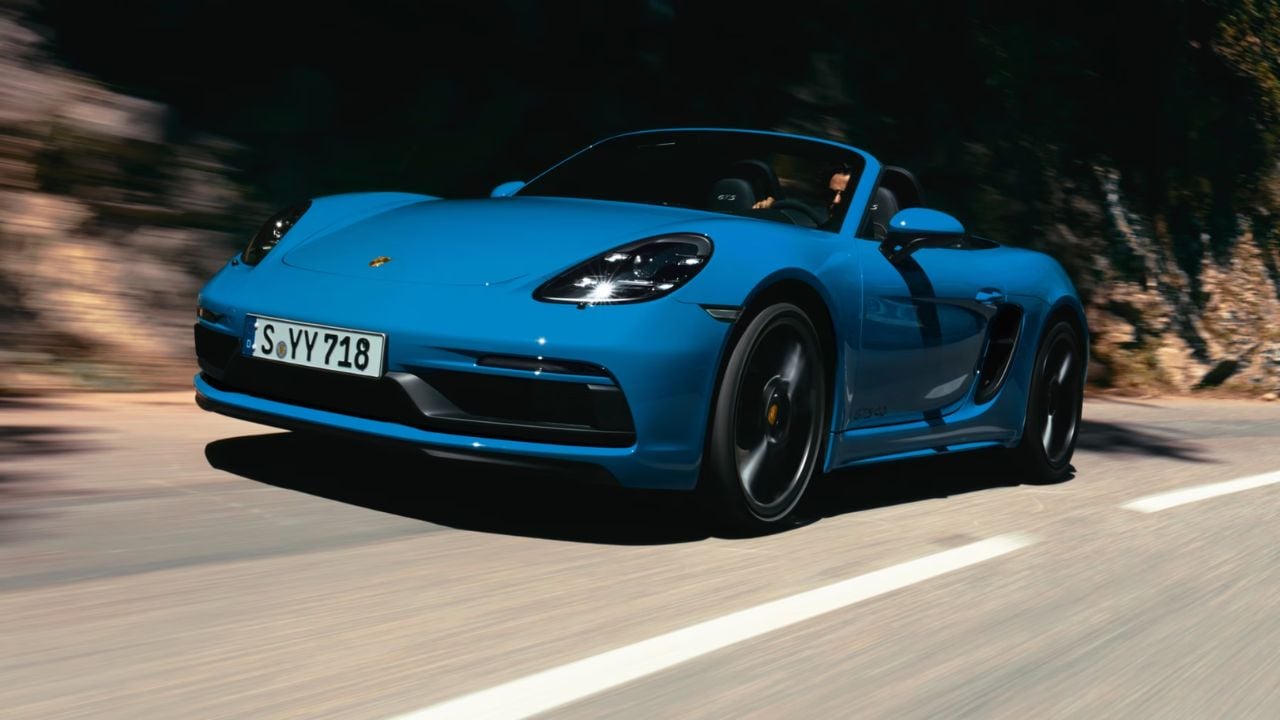
What these routes share is not just scenery or reputation, but intent. Each one gives the car something meaningful to do, whether that means threading through endless corners, settling into a long-distance rhythm, or simply matching the landscape in exactly the right way.
That is what separates a road-trip destination from a true driving route. When the road itself becomes the reason for going, the car stops being transportation and becomes the experience.