
Most drivers have been there. The first cold snap hits, you walk out in the morning, turn the key or press the start button, and your battery decides it has had enough.
The advice you often hear from a mechanic or an older family member sounds simple: buy the strongest battery that physically fits in the tray, and you are done. Bigger must mean better, and it should last longer.
That logic used to work on older vehicles. On many newer cars, it can backfire.
This is not because modern batteries are “worse” in some mysterious way. The bigger reason is that many newer vehicles use a charging strategy managed by electronics, and that strategy is designed around a specific battery size and type.
Why The Old Rule Worked On Older Cars

On older vehicles, the alternator and voltage regulator were mostly focused on keeping the battery topped up, with a relatively straightforward charging pattern.
If you installed a higher-capacity battery, the system would still generally keep it charged, and you might even gain a little extra buffer in cold weather or short-trip driving.
In that world, a larger battery could be a practical upgrade, especially if you had extra accessories or lived in a cold climate.
Modern Charging Systems Do Not Always Aim For “Full”
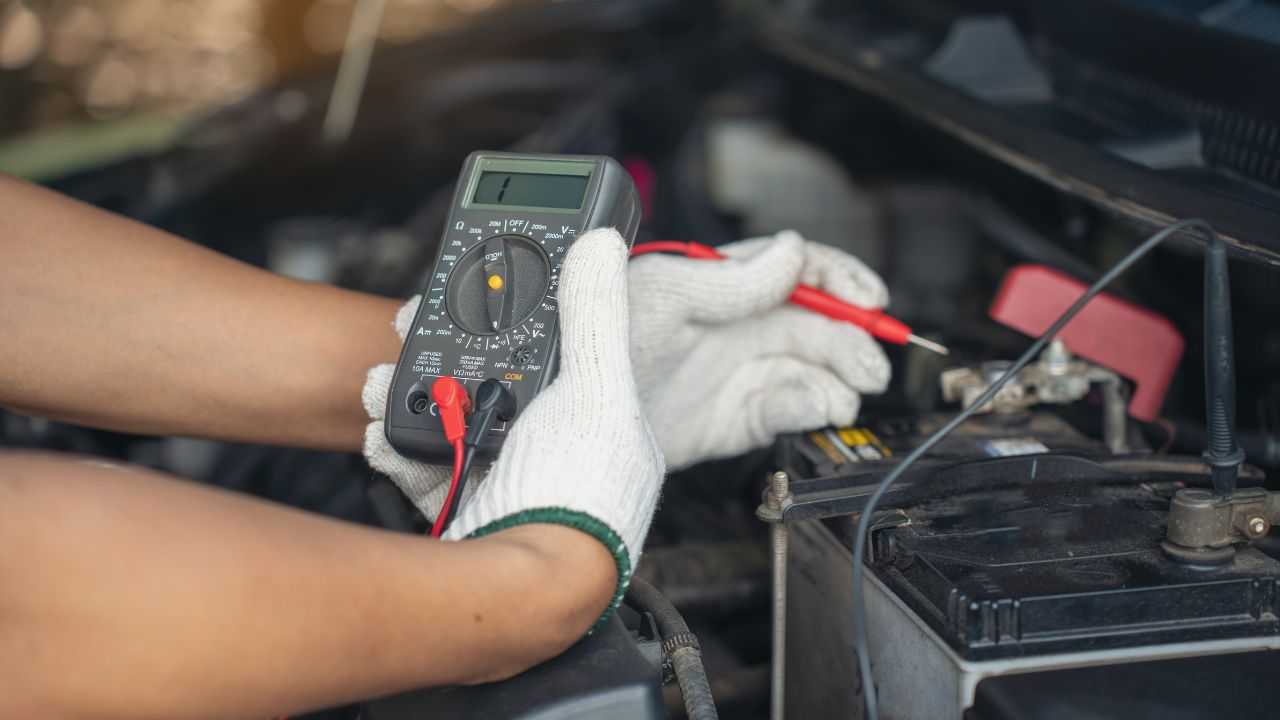
Many newer cars use a battery management system, commonly shortened to BMS. The idea is to manage charging more actively, often for efficiency and emissions reasons.
A common strategy is to avoid keeping the battery at a true full charge all the time. Instead, the system tries to keep it in a healthier operating window. In real-world terms, the car may stop charging aggressively once the battery reaches an “optimal” state of charge. That reduces alternator load, which can slightly reduce fuel consumption and help automakers meet efficiency targets.
Where Problems Start
The issue is that this entire setup assumes the vehicle has the battery it was designed for.
If the car is programmed around a certain capacity and you install a significantly larger one, the charging system may never bring that bigger battery into the range it expects. The result can be a battery that spends its life undercharged.
- An undercharged battery is more vulnerable to the kinds of situations that kill batteries early.
- Repeated short trips where the alternator never has time to replenish the charge
- Cold weather starts that pull the battery down harder
- Long periods of sitting with electronics drawing power in the background
- Multiple start attempts when the engine does not fire right away
- Over time, that cycle can shorten battery life rather than extend it.
Battery Replacement Is No Longer Just “Swap And Go.”

On many modern vehicles, replacing a battery is not as simple as removing the old one and installing a new one. The car may need to be told a new battery has been installed, and it may need the correct battery type information so the system can charge it properly.
Some brands have been associated with early real-world headaches around this, including older BMW applications where battery monitoring and registration became a frequent talking point among owners and independent shops. The core point is not that one brand is uniquely flawed. It is that modern electrical systems are calibrated and sensitive.
The Practical Takeaway
If you want the simplest and most reliable outcome, the best move is usually to install the battery specification the vehicle calls for.
- That means matching the type and capacity recommended for the car
- Using the correct fitment and terminal orientation
- Ensuring the battery is properly registered or coded when required
There are ways to defeat or bypass battery management strategies on certain vehicles, but that is typically a gamble. It can create new electrical issues, trigger warning lights, or cause charging behavior that the vehicle was never designed to handle.
Bottom Line

On older cars, “bigger is better” often worked because the charging system was simpler. On many modern vehicles, the smartest choice is the boring one: run the battery the car was engineered to charge and manage.
You get more predictable charging, fewer electrical surprises, and, in most cases, a longer and less stressful battery life.
This article originally appeared on Autorepublika.com and has been republished with permission by Guessing Headlights. AI-assisted translation was used, followed by human editing and review.