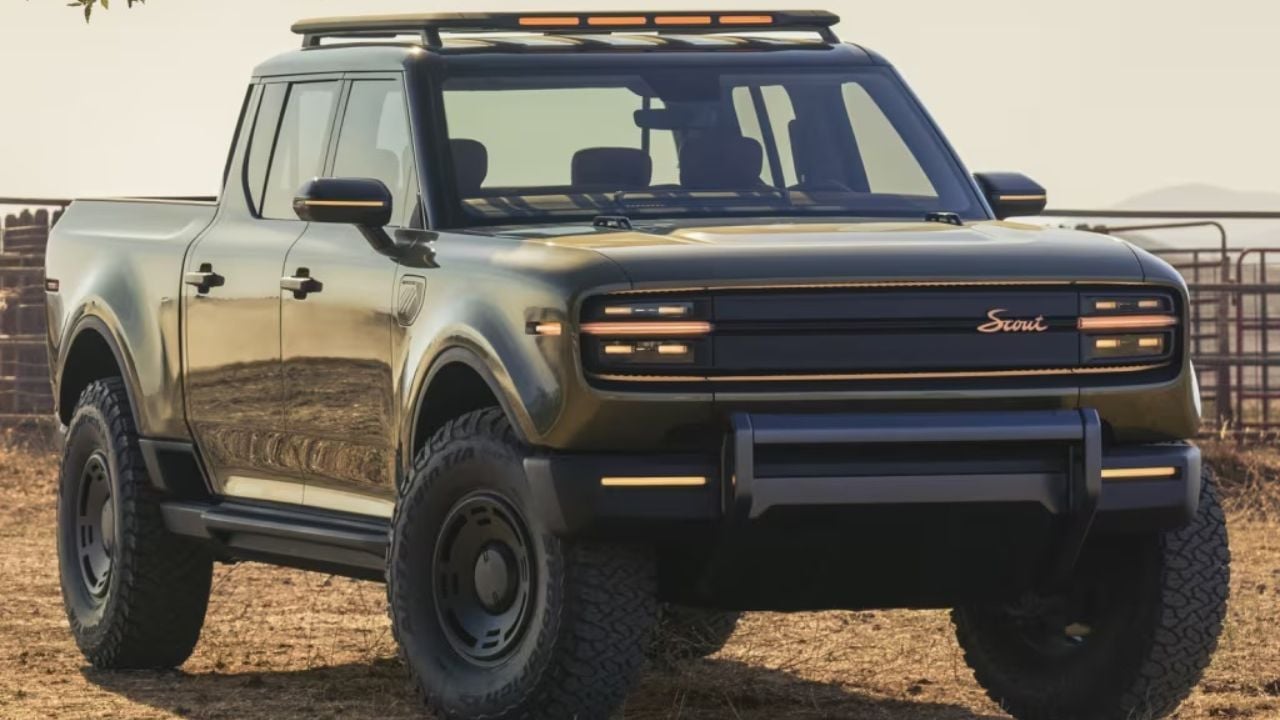
The long-awaited return of Scout, one of the most recognizable names in American off-road history, may be arriving later than Scout has publicly targeted.
A report from Germany’s Der Spiegel says the relaunch has slipped by roughly a year, with production now expected around the middle of 2028 due to what the publication describes as technical problems.
Scout Motors has denied that its production timeline has slipped, saying it is still targeting initial production in 2027 and that validation vehicles are planned to begin in 2026. The company has not shared additional details about any specific technical hurdles.
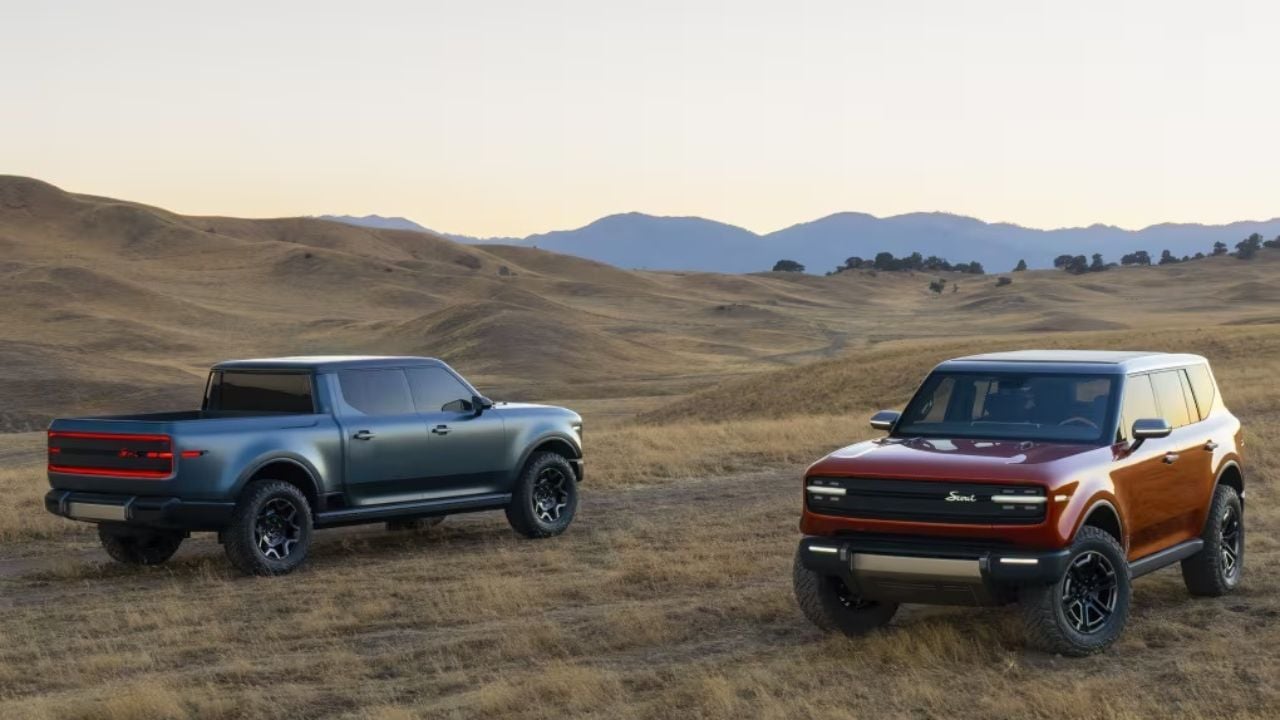
When Scout revealed the Terra pickup and Traveler SUV concepts, the company said it was targeting the start of production in 2027, with customer deliveries following after that. Scout reiterated to U.S. outlets this week that the 2027 production target remains its official plan.
A Separate Brand With A Big U.S. Footprint
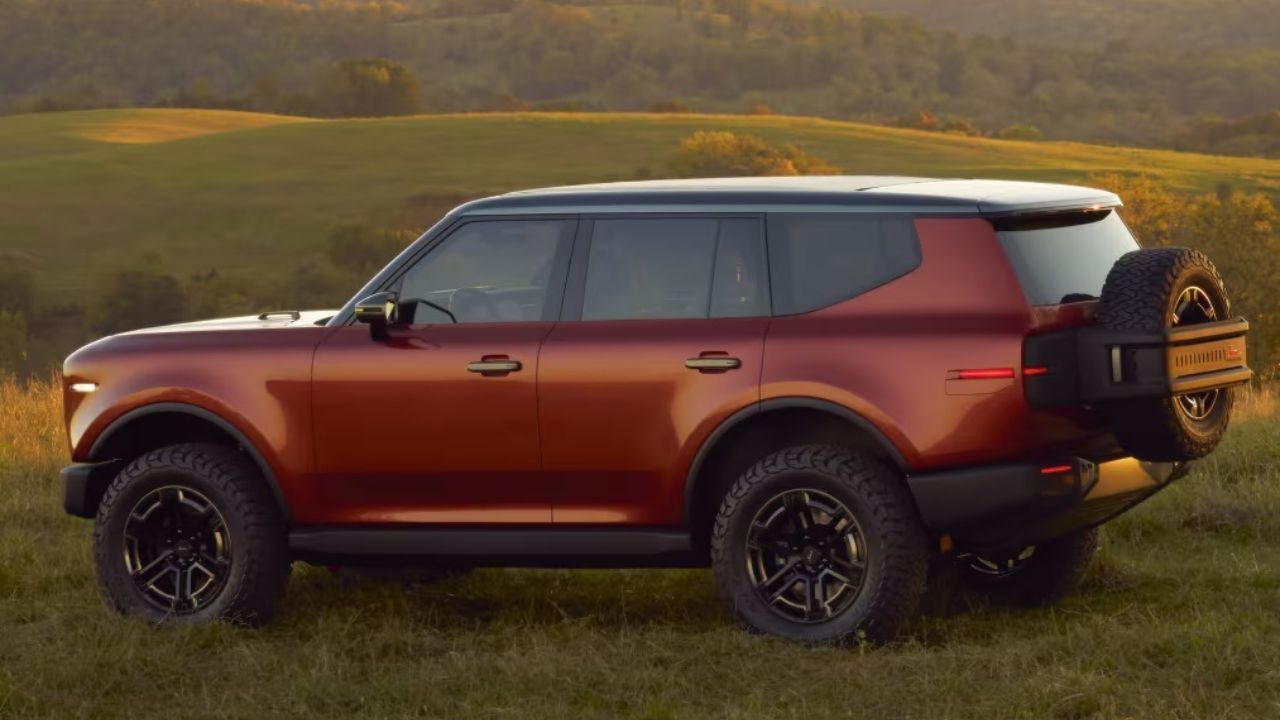
Scout is now owned by Volkswagen Group and is being revived as a dedicated American-focused brand offering battery electric vehicles as well as range-extended electric vehicles, often shortened to EREV.
The company’s headquarters is planned for Charlotte, North Carolina, while its new manufacturing site is being built in Blythewood, South Carolina, outside Columbia. Scout has been publishing regular construction updates as work continues on the facility.
Volkswagen and Scout have described a large-scale operation in South Carolina, with peak capacity planned at about 200,000 vehicles per year once the plant is fully ramped.
The Harvester Range Extender Is Reportedly The Sticking Point
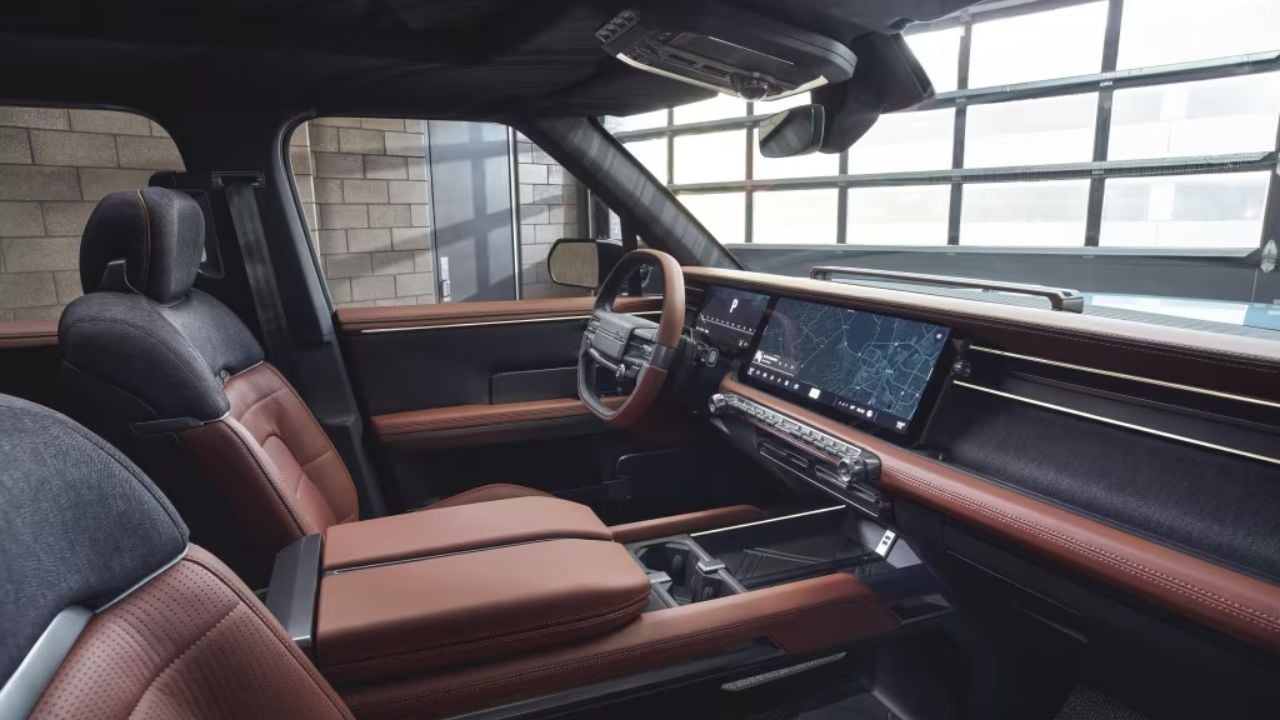
According to the Der Spiegel reporting echoed by multiple U.S. outlets, the most difficult piece of the puzzle is Scout’s Harvester EREV variant.
The idea is straightforward: an electric drivetrain does the driving, while a gasoline engine acts as a generator to add driving range when the battery is depleted. The complication is packaging and integration, especially with the range extender hardware intended to be packaged into vehicles also offered as pure EVs.
The report also suggests that early reservation holders are heavily favoring the range extender version, which would naturally push Scout to prioritize the EREV program.
Software, Architecture, And Why This Is Harder Than It Sounds
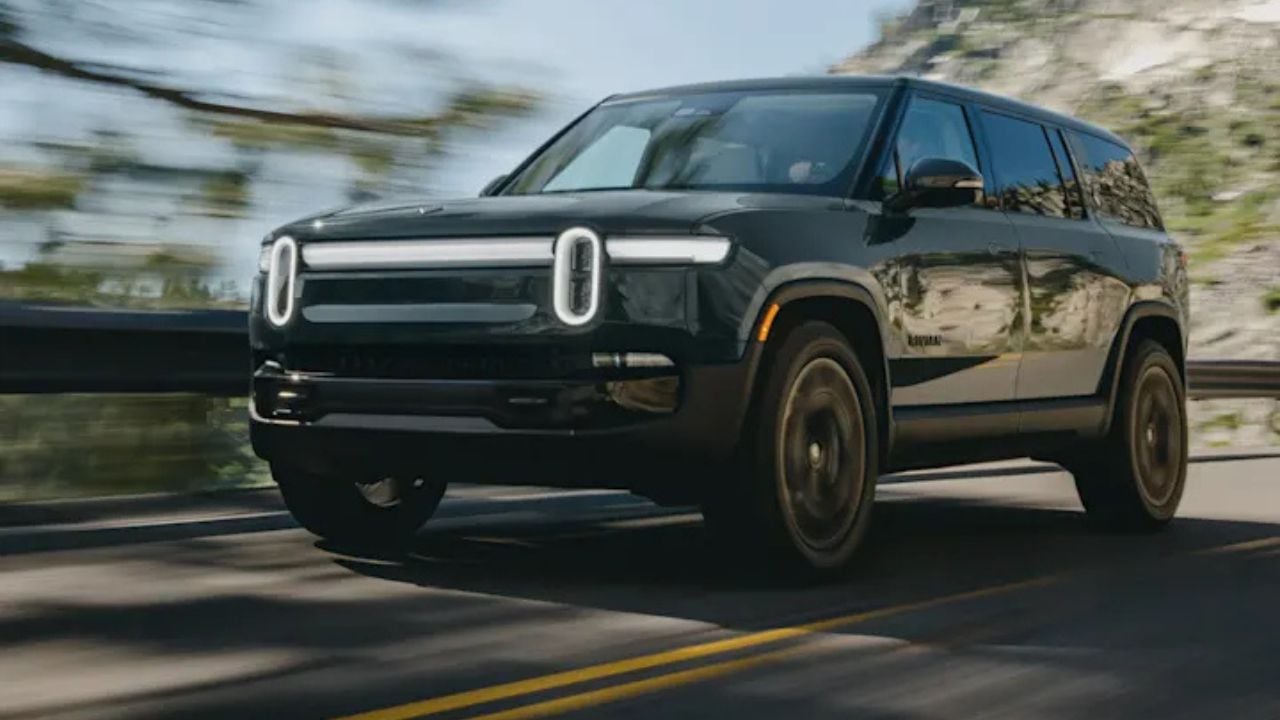
Volkswagen’s partnership with Rivian is a major part of Scout’s technology story. The joint effort is focused on next-generation software and a zonal electrical architecture designed to simplify wiring, consolidate control units, and enable faster over-the-air updates. Volkswagen says reference vehicles for Volkswagen, Audi, and Scout are on track for winter testing in Q1 2026 using that architecture.
But there is a catch: Der Spiegel reports that Volkswagen’s Rivian alliance covered electric architecture, which means additional work is needed to support Scout’s range extender configuration. Reuters has also noted that Volkswagen believes the Rivian joint venture technology could eventually be adapted beyond pure EVs, but the immediate focus has been battery electric applications.
Towing Numbers Could Become A Real-World Issue
One of the most practical consequences of Scout’s packaging choices is towing and payload, which matter enormously to U.S. pickup and SUV buyers. The reporting around the Harvester EREV setup suggests the range extender models could tow meaningfully less than the full EV versions.
Scout’s own materials describe projected maximum towing of over 10,000 pounds for Terra and over 7,000 pounds for Traveler, with final numbers to be confirmed closer to production. Scout CEO Scott Keogh has also said the Harvester range extender versions are expected to tow up to about 5,000 pounds. If those gaps hold for production vehicles, some buyers may decide the extra range flexibility is not worth the towing tradeoff.
Why Timing Matters More Than Ever
If Scout does slip into 2028 in meaningful volume, it risks giving up valuable time in a segment that is quickly filling up. Ram’s electrified pickup plans have been in motion for years, and Ford continues to refine its approach to electrified trucks as consumer demand shifts toward solutions that balance range, price, and real-world usability.
For Volkswagen, Scout is not just a nostalgia play. It is a major U.S. bet tied to a new factory, new software ambitions, and a product strategy built around trucks and SUVs. If the delay report proves accurate, Scout does not just lose time on the calendar. It also risks losing early mover advantage in a market where product timing can be just as important as horsepower and torque.
This article originally appeared on Autorepublika.com and has been republished with permission by Guessing Headlights. AI-assisted translation was used, followed by human editing and review.