In the world of classic car collecting, there is an unwritten rule. The more valuable and rare the vehicle, the quieter its life becomes. Climate-controlled garages, occasional engine starts, careful transport in enclosed trailers, and limited appearances at prestigious events.
But when it comes to a 1962 Ferrari 250 GTO that hammered at $35 million and totaled $38.5 million with fees at Mecum Kissimmee, the new owner has decided those rules simply do not apply.
The Ferrari 250 GTO is already one of the rarest and most desirable cars ever built, with 36 built from 1962 to 1964, or 39 if you include the three 4.0-liter 330 GTO variants that are sometimes counted in the total.
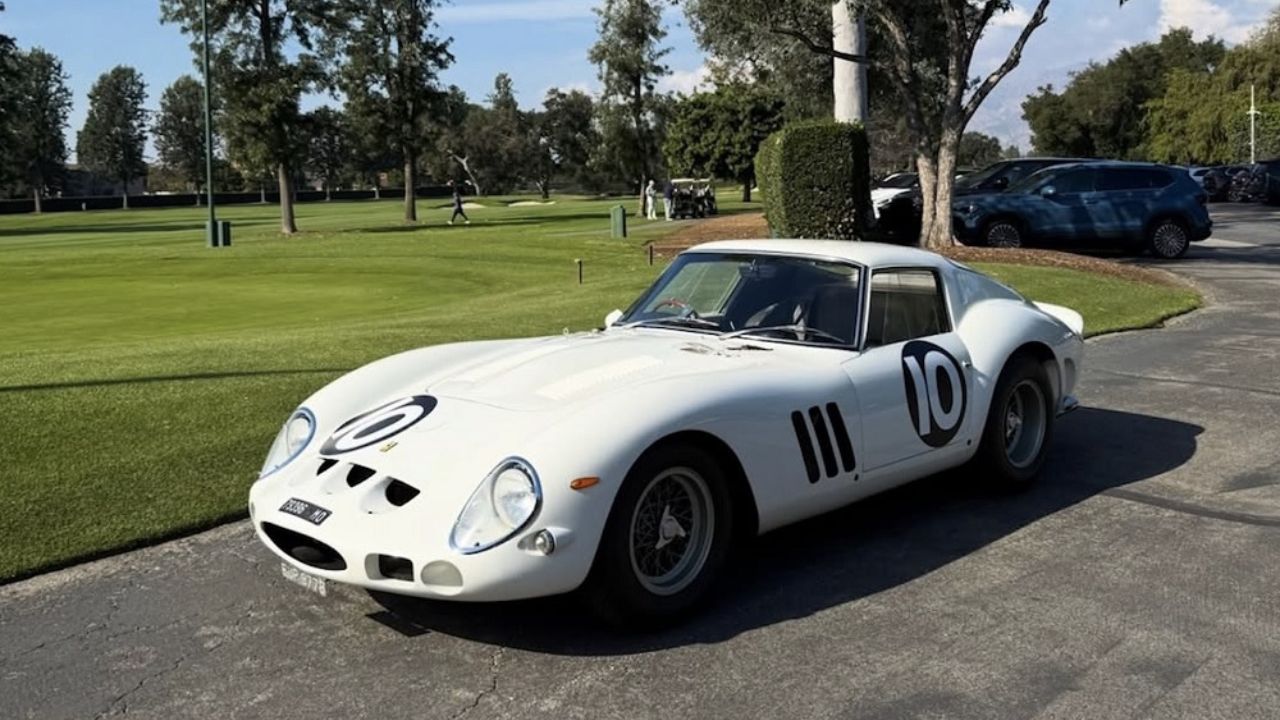
What makes this specific car even more unusual is that it is the only 250 GTO delivered new in factory white. Many others left the factory in red, but some were delivered in other colors, which still makes this “Bianco Speciale” example truly one of a kind.
California collector David S.K. Lee took delivery of his new automotive treasure at Hing Wa Lee Plaza in Walnut, California, where Mecum Auctions President Dana Mecum personally handed him the keys. Instead of sending the car straight into protective storage, Lee did something that stunned onlookers.
He climbed in and casually drove it around the neighborhood as if it were a brand-new supercar, not one of the most expensive classic Ferraris on the planet. And that was only the beginning.
Over the weekend, the white 250 GTO was spotted parked outside a golf course near Los Angeles. While everyday Toyotas and Fords came and went, the legendary Ferrari waited patiently for its owner to finish a round and drive it home. It was a scene that felt more like a movie than reality in the ultra-careful world of collector cars.
A Unique Piece Of Ferrari History
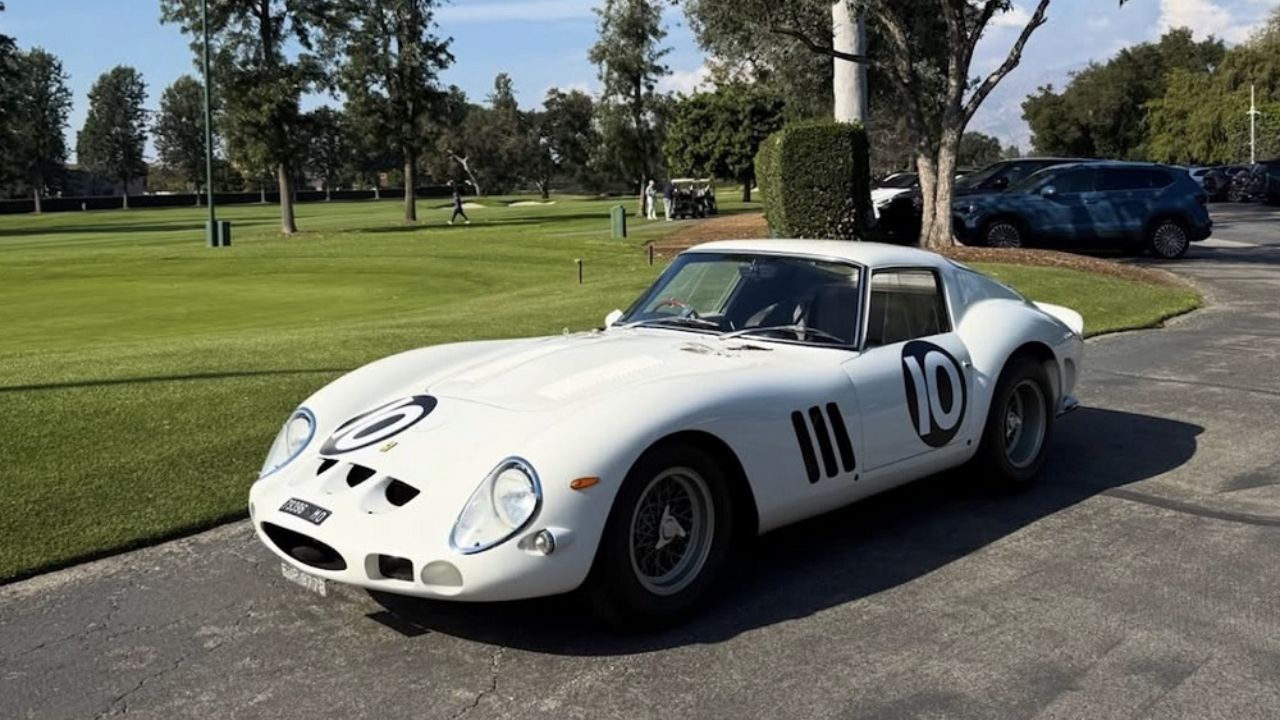
Chassis number 3729GT, completed on May 7, 1962, is the only Ferrari 250 GTO originally delivered in white, officially called Bianco Speciale. Its first owner was British racing driver John Coombs. The car later spent nearly three decades with racing legend Jack Sears before becoming part of the collection of Jon Shirley, the former president and COO of Microsoft.
Throughout its life, the GTO was maintained carefully and repaired when necessary, but importantly, it was never subjected to a full restoration. Among purists, that untouched authenticity adds significant historical value. Originality matters as much as condition when it comes to cars like this.
Driving the car today is far removed from modern performance machines. There is no power steering, no electronic safety systems, no navigation screens, and no digital aids. Everything is mechanical and raw. The right-hand drive layout and uncompromising character remind you this is essentially a race car adapted for the road, created in an era when driver skill was the only technology available.
Old School Performance That Still Commands Respect
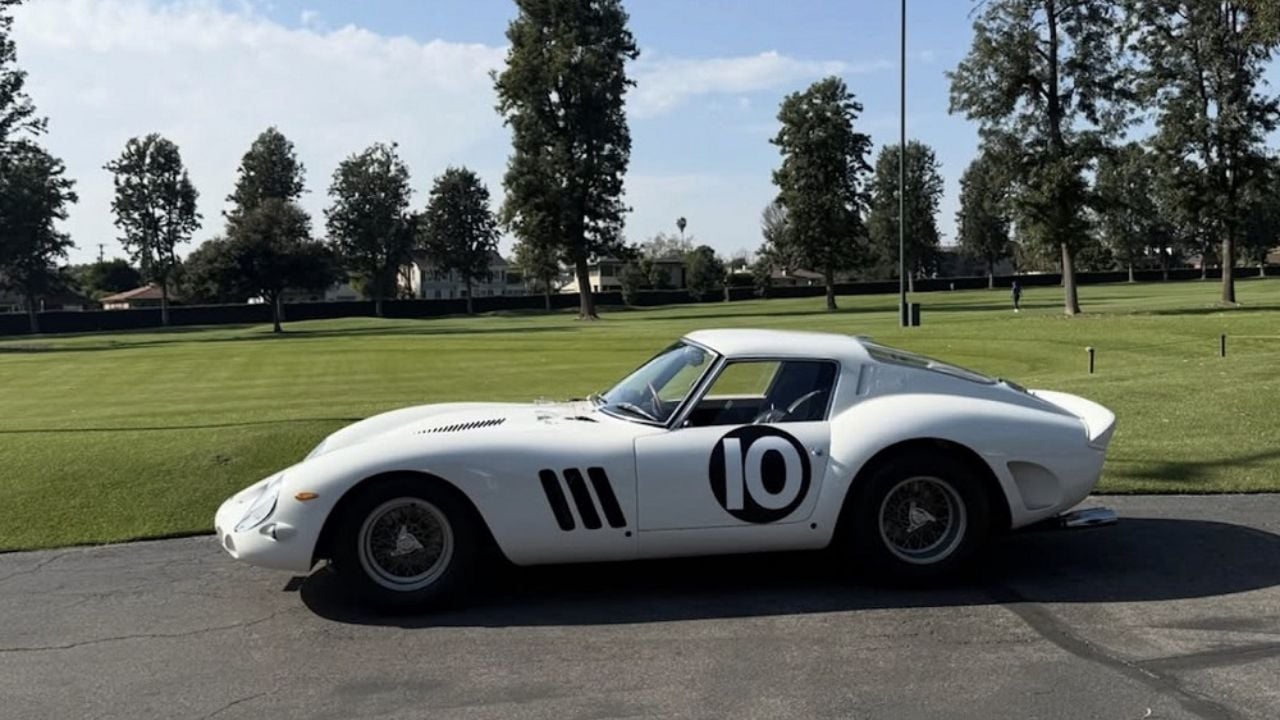
Under the long hood sits a 3.0-liter Tipo 168/62 Comp V12 engine fed by six Weber 38 DCN carburetors. Output stands at 296 horsepower with 294 Nm of torque. Performance figures remain impressive even by modern standards, with a zero to 62 mph sprint taking just over five seconds and a top speed of around 170 mph.
In the early 1960s, those numbers were nothing short of revolutionary. Even today they feel far from modest, especially considering the analog nature of the driving experience.
A Philosophy That Divides Collectors
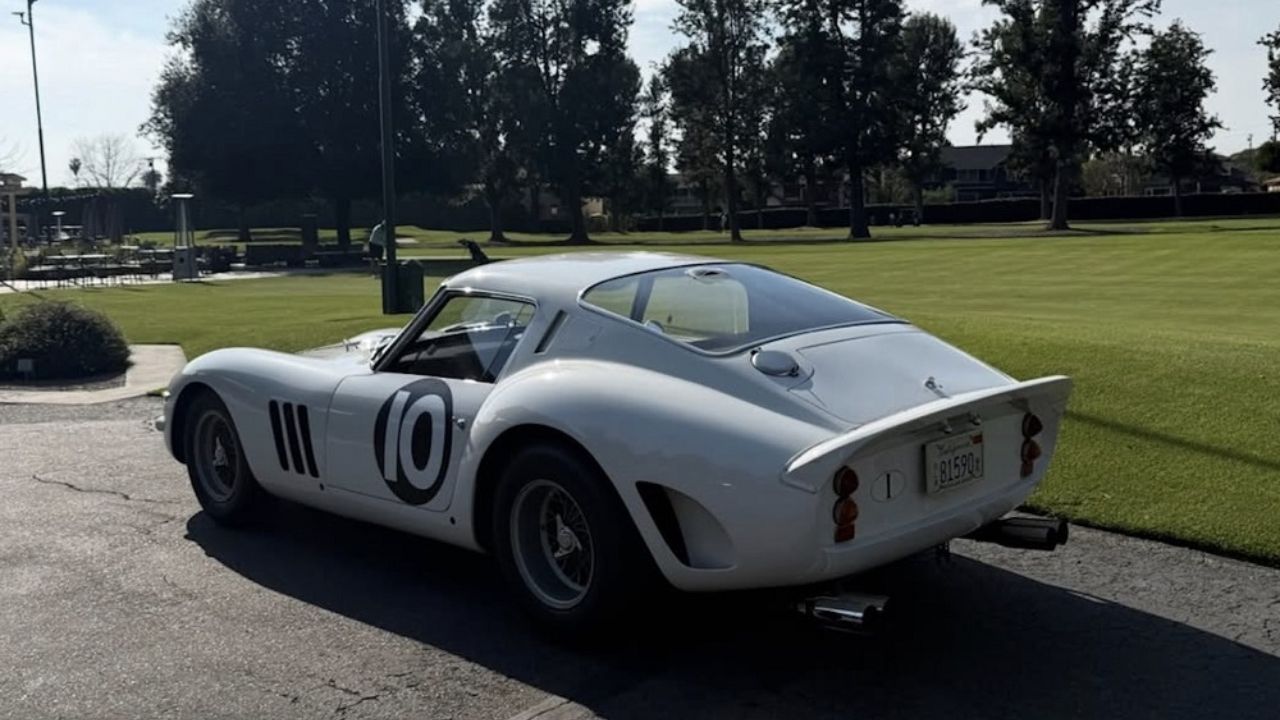
Insurance companies might shudder every time this white GTO leaves the garage, but that is precisely what makes this story refreshing. Cars like the Ferrari 250 GTO were not created to sit silently under covers. They were built to be driven, heard, and experienced, with the smell of fuel and oil and the vibration of a high-revving V12 filling the cabin.
In the hands of an owner who is not afraid to use it, the legend continues to live the way it was intended. Not as a museum artifact, but as a living machine out on the road, exactly where it belongs.
This article originally appeared on Autorepublika.com and has been republished with permission by Guessing Headlights. AI-assisted translation was used, followed by human editing and review.