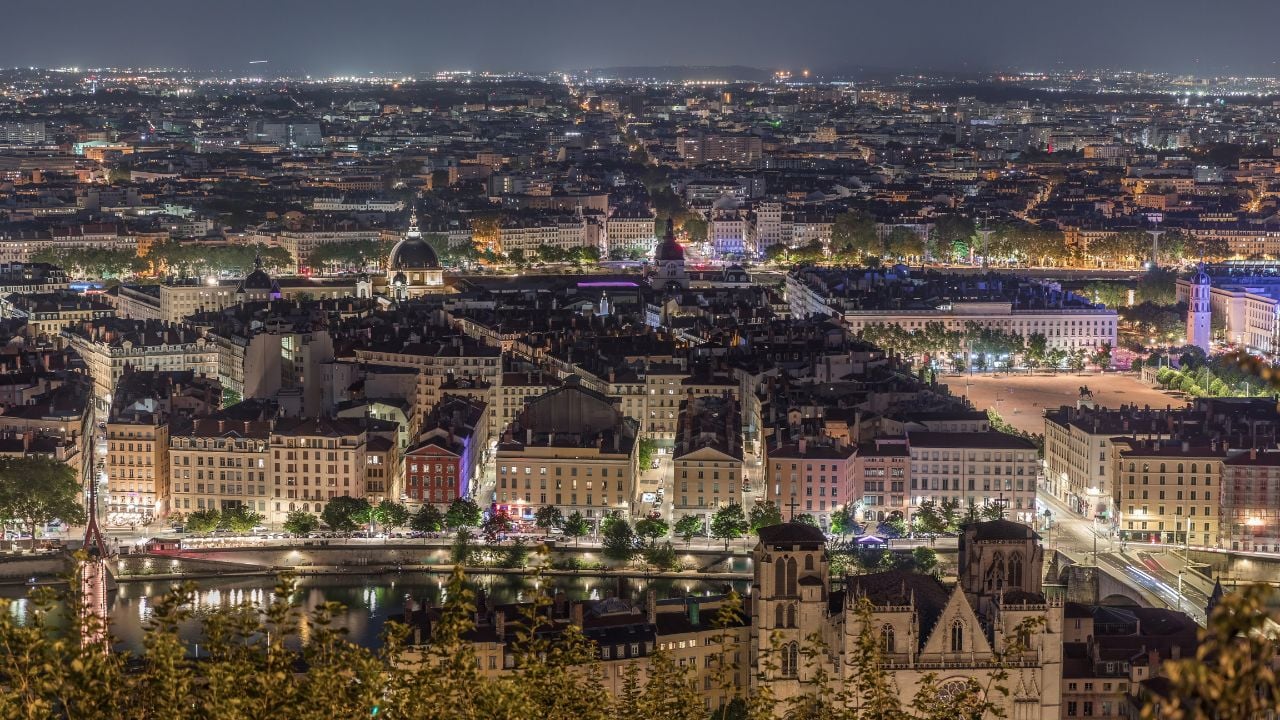
A long weekend in France does not have to begin with museum lines, huge hotel bills, and a metro ride across half a capital before dinner. Lyon gives the trip a different shape: two rivers, old passageways, hilltop views, market counters, painted stairwells, and the kind of food culture that belongs to daily life rather than a single special-occasion meal.
Three nights is a sweet amount of time here. Stay near the Presqu’île, Vieux Lyon, or the edge of the 1st and 2nd arrondissements, and the weekend can move on foot more often than it moves by transit. The Saône and Rhône help with orientation, Fourvière watches from above, and the old center sits close enough to reach without turning the day into a transfer plan.
Lyon feels grand without constantly demanding ceremony. Vieux Lyon has Renaissance courtyards and narrow lanes, Fourvière gives the big city view, Les Halles brings seafood platters and quenelles under one roof, Croix-Rousse adds silk-worker history and sloping streets, and Confluence closes the weekend with glass, steel, river paths, and a more modern edge.
The best version is not about seeing every museum or eating the heaviest dinner in town. It is about letting the city stretch: a bridge crossing before lunch, a traboule door opening into shadow, a bouchon room filling with noise, a river walk after dinner, and one final view where the two rivers remind you how naturally Lyon fits together.
1. Start With Vieux Lyon, the Saône, and a First Taste of the Old City
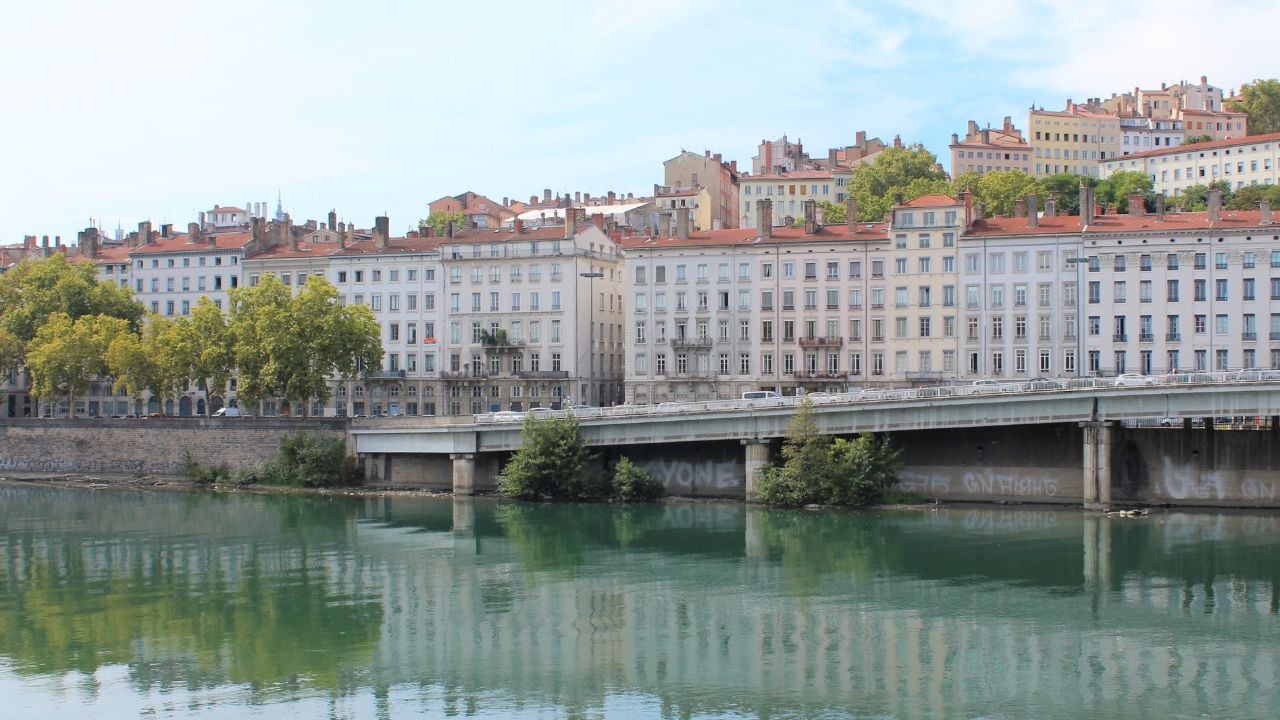
Vieux Lyon is the right first walk because the city’s depth appears quickly there. The streets are narrow, the stone is warm, the shopfronts sit close to old doorways, and Fourvière keeps appearing above the rooftops when the lane opens for a second.
Lyon’s official tourism site says 427 hectares, about 10% of the city, were listed as UNESCO World Heritage in 1998, including Vieux Lyon, Fourvière Hill, the slopes of Croix-Rousse, and much of the Presqu’île. That wider listing matters because the old quarter is not a frozen postcard; it sits inside a city shaped by hills, rivers, trade, religion, silk, food, and everyday movement.
Begin near Saint-Jean and let the first hour stay loose. Look into courtyards when they are open, follow the lanes toward the Saône, and cross a bridge when the old town starts to feel too tight. From the river, the city opens: ochre façades along the quay, the basilica above, water below, and the Presqu’île waiting on the other side.
A simple lunch or coffee works better here than a heavy plan. Vieux Lyon can be busy, but it still has quiet moments if you step off the most obvious route: a stone stair, a shaded doorway, a small square, or a view back across the river that makes the first afternoon feel complete.
2. Use Fourvière for the Big View, Then Come Back Down Slowly
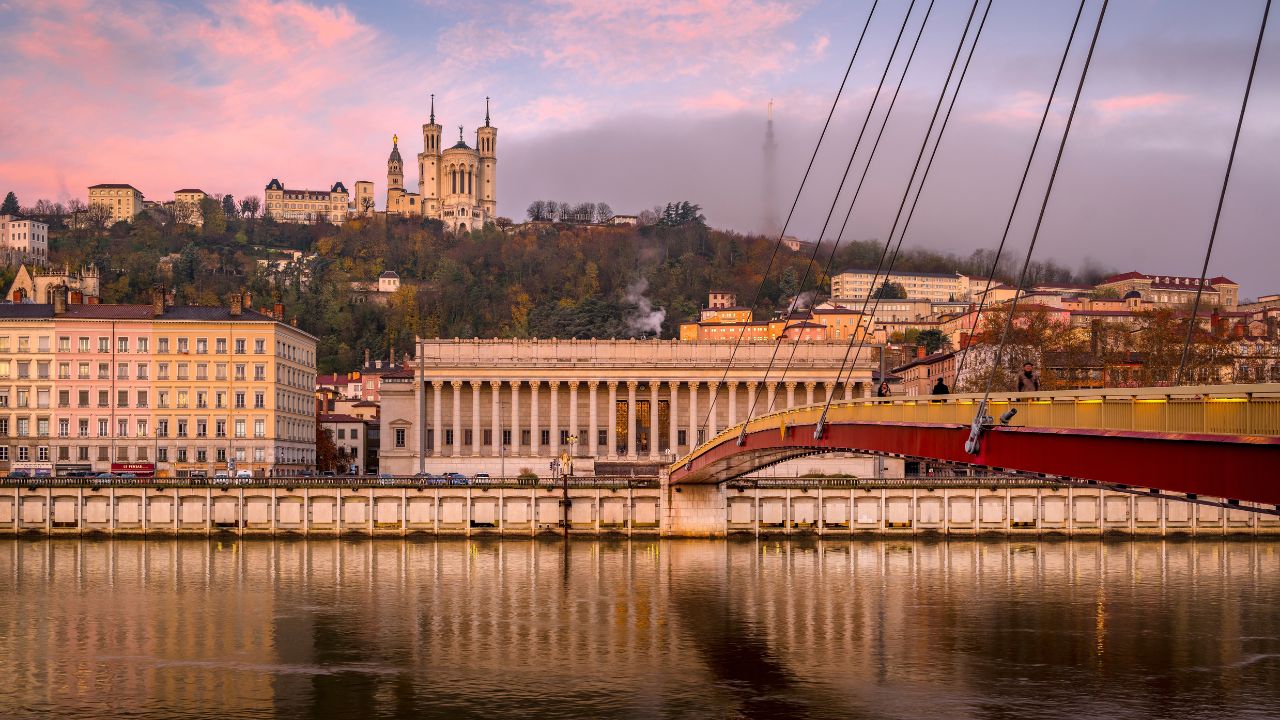
Fourvière gives the weekend its big lift. The basilica sits above the old city, and the climb or funicular ride changes Lyon from streets and rivers into a whole map spread beneath you.
The official tourism office describes the Basilica of Fourvière as an iconic building overlooking the whole of Lyon, with mosaics, stained glass, marble inside, and a panoramic view from the esplanade. Go in clear weather if possible. From the top, Vieux Lyon sits below, the Saône curves close, the Rhône cuts farther east, and the modern city stretches out beyond the historic core.
Do not treat the viewpoint as a quick photo errand. Step inside for the mosaics and marble, then give the esplanade a few minutes before heading back down. Lyon makes much more sense after you have seen how the two rivers, hills, and neighborhoods line up.
The descent is part of the experience. Walk down if your legs are willing, passing stairs, trees, walls, and sudden glimpses of the old town below. By the time you reach the river again, lunch feels earned and the city feels less like a collection of districts and more like one connected place.
3. Make Food the Anchor at Les Halles and a Bouchon Dinner

Lyon’s food reputation is easiest to understand when you see it at counter height. At Les Halles de Lyon Paul Bocuse, the city’s tourism office points visitors toward quenelles, seafood platters, fresh produce, and regional specialties under one roof. The room is full of glass cases, oysters, cheese, sausages, pastries, bottles, and people who came to eat rather than admire from a distance.
Late morning or lunchtime is ideal. Browse first, then sit down somewhere that still lets you watch the market move around you. A plate of oysters with white wine, a quenelle, a pastry, or a few things shared at the counter can say more about Lyon than a formal tasting menu squeezed into the wrong part of the day.
One evening should belong to a bouchon. Lyon’s tourism office explains that the Bouchons Lyonnais label was created with the Chamber of Commerce and Industry, Lyon Tourism, and the city’s traditional bouchons to guarantee an authentic culinary experience. Book ahead on a busy weekend, especially if you want dinner in Vieux Lyon or the Presqu’île.
The pleasure is the room as much as the plate: close tables, a lively sound level, local dishes, wine, and the feeling that dinner belongs to Lyon’s working appetite rather than a polished tourist performance. Walk afterward along the river or through the Presqu’île, where the city feels calmer once the shops have closed.
4. Spend a Softer Day in Croix-Rousse and the Traboules
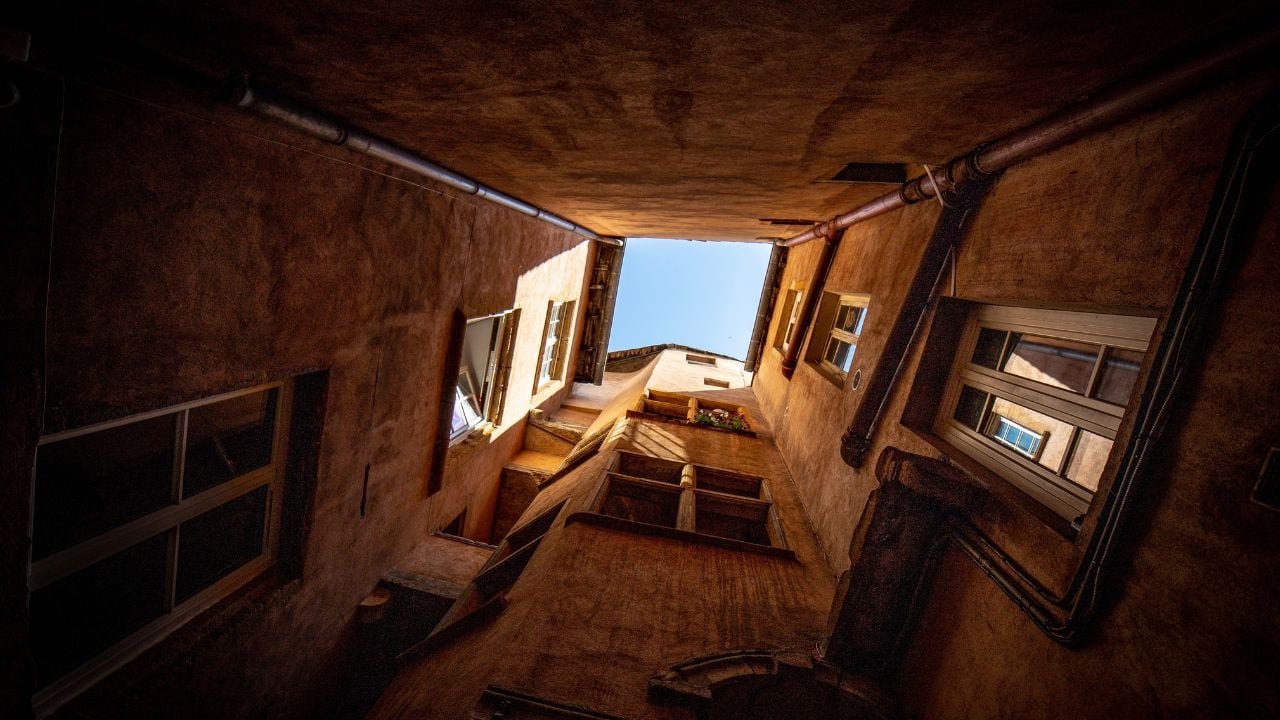
Croix-Rousse brings a different Lyon into the weekend. The slopes are steeper, the streets feel more residential, and the silk-worker past still clings to the stairways, courtyards, and tall buildings built for looms and labor rather than palace views.
The traboules are part of that texture, but they need respect. Lyon’s tourism office says there are about 500 traboules across more than 230 streets, including around 200 in Vieux Lyon and 160 on the slopes of Croix-Rousse, though only about 80 are open to the public. Many pass through residential buildings, so a guided walk is often the simplest way to avoid guessing which door belongs to the visit and which belongs to someone’s home.
Give Croix-Rousse a morning rather than a quick detour. Climb slowly, stop for coffee, look down the sloping streets, and notice how different the district feels from the old Renaissance lanes below. It has fewer postcard gestures and more everyday texture: shutters, staircases, market stalls, school runs, murals, and views that appear between buildings.
This is the part of Lyon that keeps the weekend from becoming only beautiful façades and good meals. It adds work, height, and local memory to the trip, then sends you back downhill with the feeling that the city has more layers than the first riverfront walk suggested.
5. Finish With Confluence, River Paths, and an Easy Last Meal
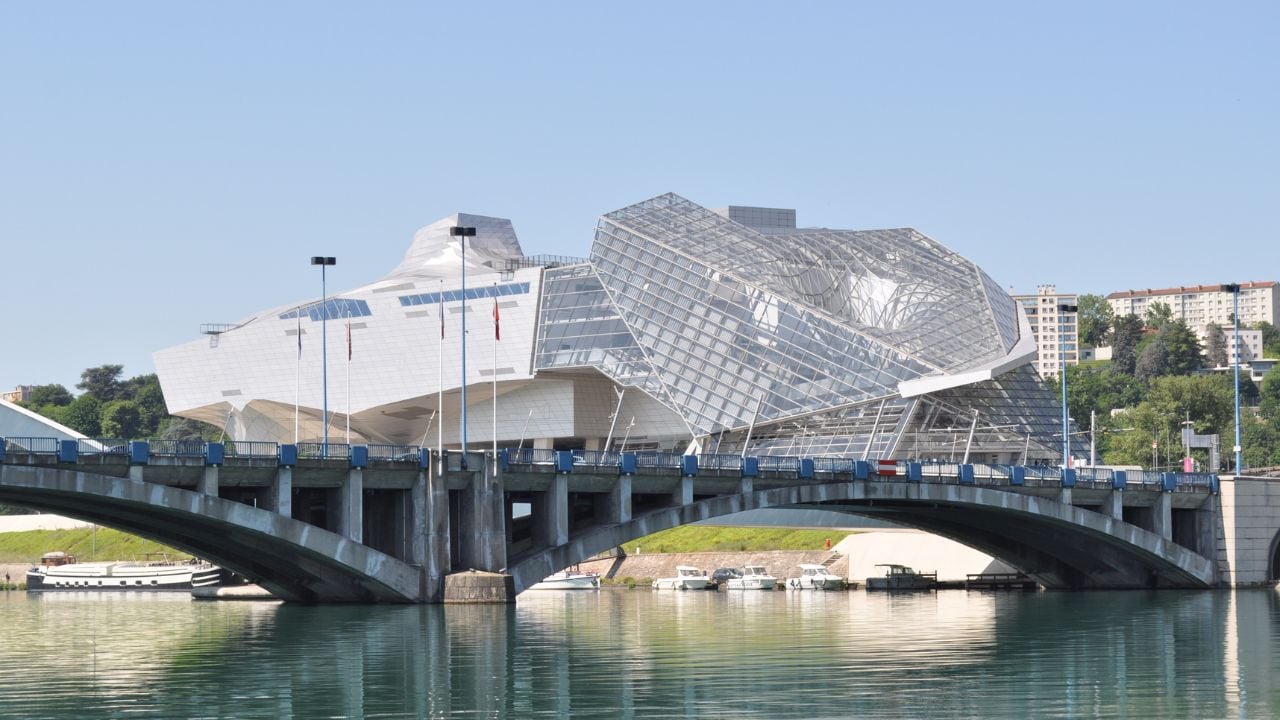
Confluence changes the final stretch without dragging the weekend away from the rivers. After Vieux Lyon, Fourvière, Les Halles, and Croix-Rousse, the district feels wider and newer: glass, metal, apartment blocks, cultural spaces, river paths, and the meeting point of the Rhône and Saône.
The Musée des Confluences stands on the headland at the confluence of the Rhône and Saône in a building made of glass, concrete, and stainless steel, according to Lyon’s tourism office. Even travelers who skip a full museum visit can use the area for a final walk where the city feels open and contemporary rather than old and enclosed.
Keep the last day flexible. Walk part of the riverfront, visit the museum if the weather turns, or drift back toward the Presqu’île for shopping, coffee, or one last meal. The ending should not feel like a final exam of Lyon’s attractions.
A good Lyon weekend closes with layers still visible: Roman and Renaissance hills behind you, market counters and bouchon tables in memory, traboule passageways tucked behind doors, and the two rivers meeting at the city’s southern edge. It feels like France without the pressure that often comes with a capital-city break.