
Stellantis and Jaguar Land Rover have officially announced plans to explore a new partnership focused on future vehicle development in the United States. The two automotive groups signed a memorandum of understanding this week that could eventually lead to shared platforms, technology, and possibly even manufacturing cooperation.
While the agreement is still in its early stages, the announcement immediately sparked speculation about what the collaboration could mean for brands like Jeep, Ram, Range Rover, and Defender. Both companies emphasized that the goal is to leverage each automaker’s strengths while reducing development costs in an increasingly expensive global market.
For JLR, the timing makes plenty of sense. The company has been heavily impacted by U.S. tariffs while simultaneously trying to fund an aggressive transition toward electrification and next-generation luxury vehicles. Stellantis, meanwhile, has been searching for ways to better utilize its massive North American manufacturing footprint and accelerate future product development across its sprawling portfolio of brands.
Executives from both companies described the agreement as an opportunity to create “synergies” in product and technology development. Although neither side confirmed specific vehicles or factories, the partnership could eventually influence everything from SUVs and trucks to electrified powertrains and software systems.
Both Automakers Are Facing Big Challenges
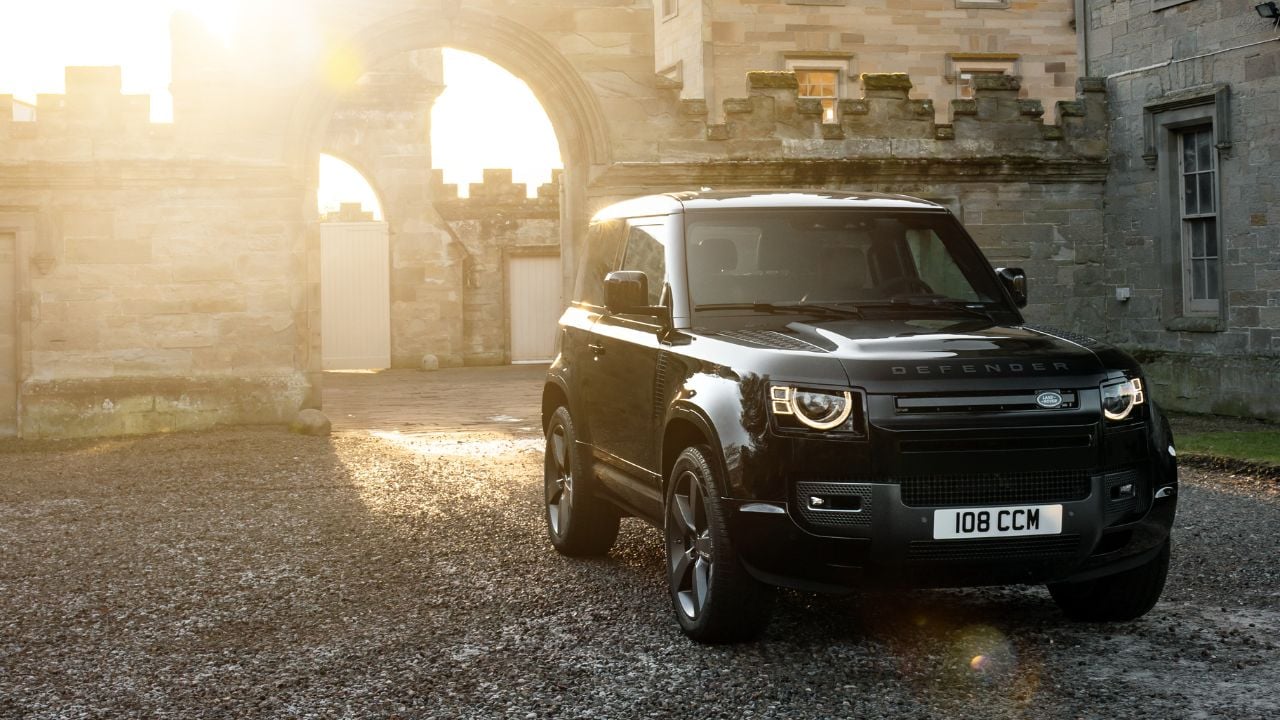
The partnership arrives during a difficult period for both companies. Stellantis has spent the last year restructuring its North American strategy after struggling with declining sales, inventory issues, and uncertainty surrounding electrification plans.
JLR faces a different set of challenges. Land Rover remains relatively strong globally thanks to vehicles like the Defender and Range Rover, but Jaguar is currently in the middle of a complete reinvention that has effectively paused its U.S. product lineup for now. Land Rover has also had more than its fair share of reliability issues, which have taken a chunk out of JLR’s finances.
Developing new vehicles has become incredibly expensive, particularly as automakers invest billions into EV platforms, advanced driver assistance systems, connectivity, and stricter emissions compliance. Partnerships like this allow companies to share some of those costs rather than tackling everything independently.
Jeep And Land Rover Could Share Technology
One of the most interesting possibilities involves Jeep and Land Rover potentially sharing certain off-road technologies or vehicle architectures. Both brands occupy similar spaces in the market, blending luxury, capability, and rugged design in slightly different ways.
Jeep has extensive expertise in body-on-frame off-road vehicles and mass-market SUVs, while Land Rover has spent decades refining premium all-terrain systems and luxury-focused capability. Combining those strengths could potentially benefit both companies.
There is also speculation that JLR could gain access to Stellantis’ North American manufacturing operations. That would help the British automaker reduce exposure to tariffs while improving its ability to compete in the U.S. luxury SUV market.
Ram Could Also Benefit From The Deal
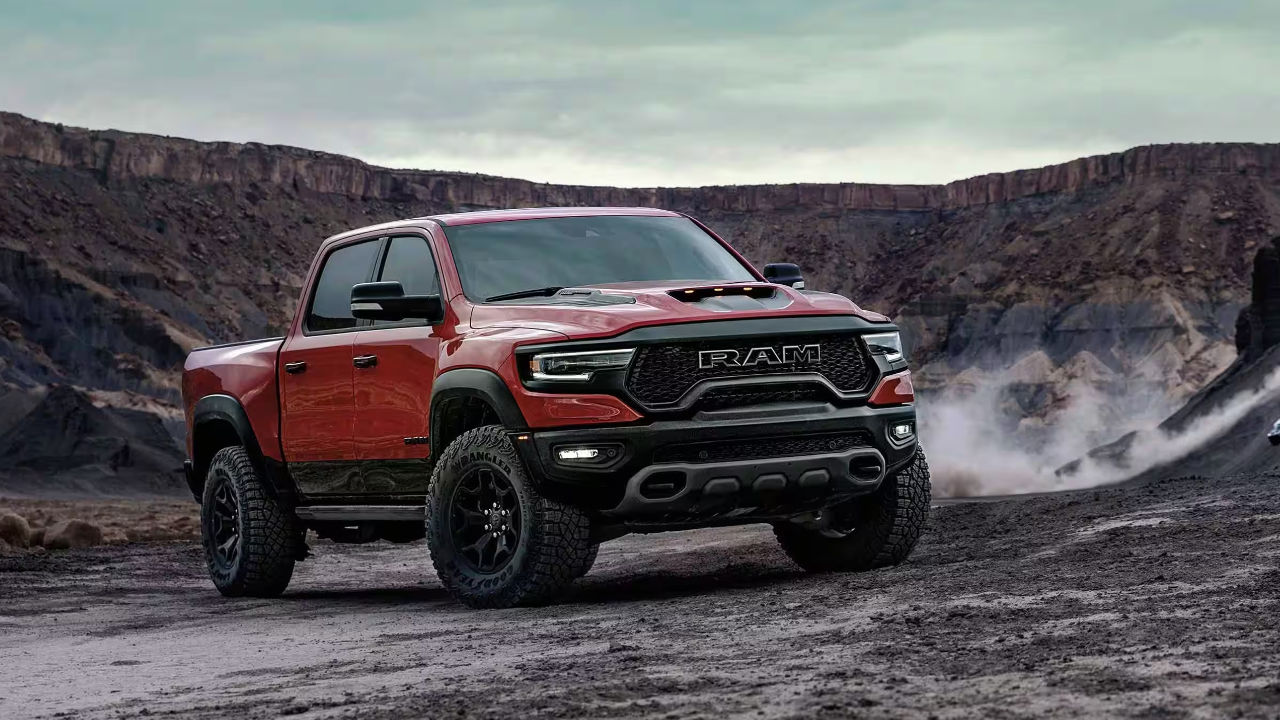
Ram may also play an important role in the partnership moving forward. Stellantis has already confirmed major expansion plans for Ram over the next several years, including new midsize trucks, compact pickups, and SUVs.
JLR’s engineering expertise in premium SUVs and electrification could potentially complement Ram’s truck-focused development efforts. At the same time, Stellantis’ large-scale manufacturing capabilities could help JLR reduce costs on future products.
Neither company has confirmed any specific joint projects yet, but both sides made it clear that the discussions are focused on long-term growth opportunities in the American market.
The Industry Is Moving Toward More Partnerships
This agreement also shows a trend throughout the auto industry. As development costs continue climbing, automakers are increasingly partnering with rivals to survive the transition toward electrification and software-driven vehicles.
Ford and Volkswagen previously collaborated on commercial vehicles and EV platforms. Toyota has partnerships with Subaru, BMW, and Mazda. Even traditional competitors are realizing it no longer makes financial sense to develop every technology independently.
For Stellantis and JLR, the partnership could ultimately become much larger than today’s announcement suggests. Right now, executives are carefully describing the deal as an exploratory agreement with no binding commitments.
Still, the potential is significant. If the collaboration progresses further, future Jeep, Ram, Range Rover, or Defender models could end up sharing more technology than anyone expected.