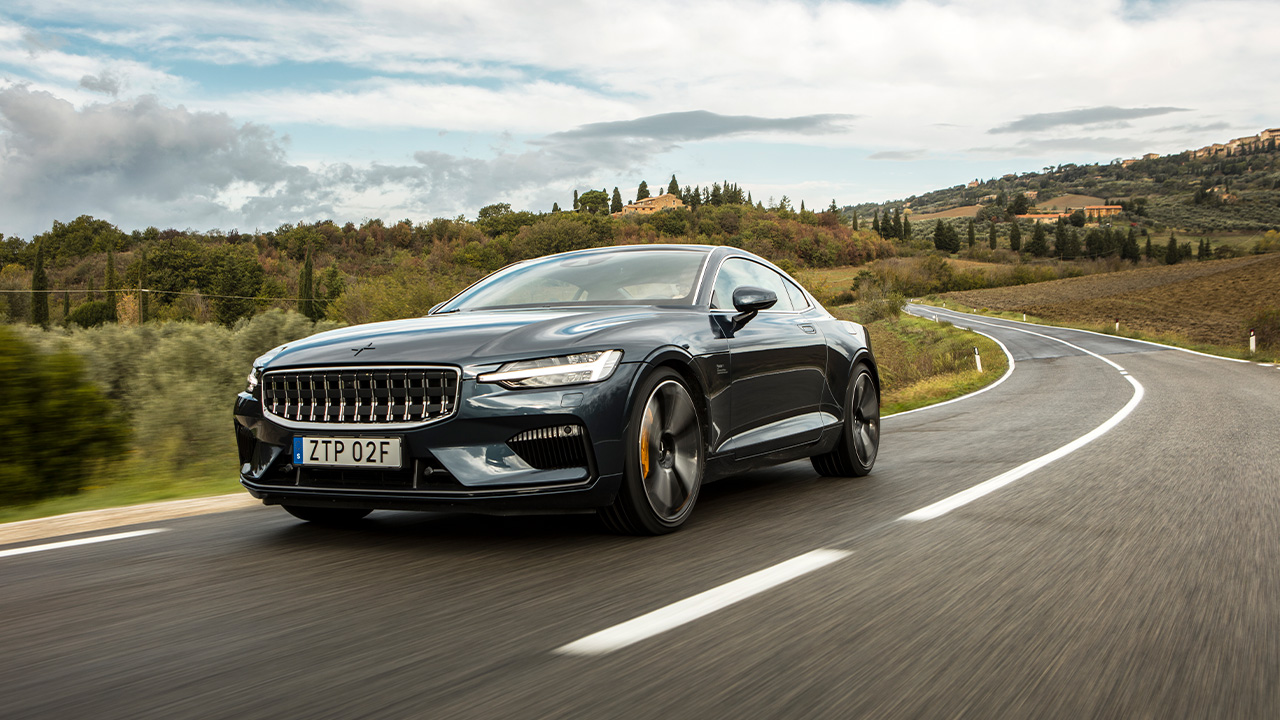
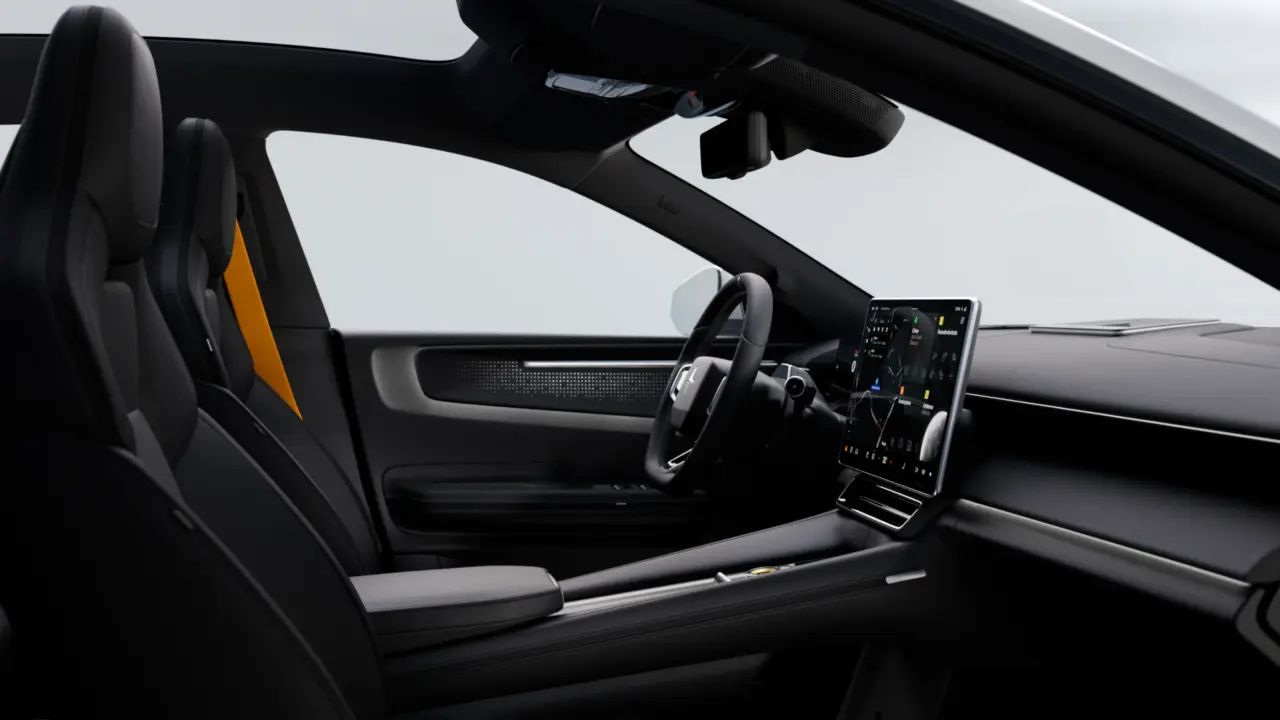
Polestar says it is bringing physical buttons back to future vehicles after listening closely to customer complaints about overly touchscreen-heavy interiors. The Swedish EV brand confirmed it plans to rethink several aspects of its cabin layouts as buyers continue pushing back against “smartphone-on-wheels” design trends that have dominated the industry for years.
The company’s leadership says owner feedback has become one of the biggest influences shaping its upcoming products. According to Polestar CEO Michael Lohscheller, customers have been very direct about what they want from future interiors, and one request keeps appearing repeatedly: more physical controls.
That marks a noticeable change for a brand that heavily embraced minimalist, touchscreen-focused cabins from the moment the Polestar 2 debuted in 2020.
Like Tesla and several other modern EV manufacturers, Polestar originally leaned into sleek digital interfaces that replaced many traditional buttons and switches. Now, the company appears ready to reverse course.
Customers Want Simpler Controls
Speaking to Autocar, Lohscheller said Polestar’s customer community has been extremely vocal about usability frustrations. He explained that the company maintains close contact with owners through its direct-sales model and large online community, giving it constant real-world feedback about its vehicles.
According to Lohscheller, buyers have made it very clear they want physical controls returned for important functions. Rather than stubbornly defending minimalist design philosophy, he says Polestar is choosing to adapt based on how customers actually use their vehicles day-to-day.
The first visible changes will reportedly arrive next year on the updated Polestar 3 SUV. The company plans to redesign the steering wheel controls, replacing some of the current touch-sensitive pads with clearer physical buttons that are easier to operate while driving.
The Industry Is Slowly Reversing Course
Polestar is far from alone in rethinking touchscreen-heavy interiors. Several automakers that previously embraced haptic controls and fully digital dashboards are now moving back toward physical switches after years of customer complaints.
Volkswagen has already started reversing some of its controversial touch-slider designs. BMW is blending digital displays with more tactile controls in its next-generation cabins, and even Ferrari and Mercedes-Benz have received criticism for overly complicated interfaces.
The issue goes beyond simple preference. Industry studies have repeatedly shown that infotainment systems remain one of the biggest sources of customer frustration and reliability complaints in modern vehicles.
According to recent JD Power data, infotainment-related problems continue to rank among the most common issues reported by owners. Smartphone integration, Bluetooth connectivity, software glitches, and confusing menu structures remain major pain points throughout the industry.
Too Much Tech Has Started Backfiring
For years, automakers treated giant touchscreens as symbols of innovation and luxury. Tesla helped popularize the idea that nearly every function could be controlled through a central display, and much of the industry quickly followed.
The problem is that many drivers simply find these systems distracting and frustrating to use. Adjusting climate settings, changing drive modes, or controlling basic functions through nested touchscreen menus can become annoying during everyday driving.
Polestar appears to recognize that minimalist styling only works if usability remains intuitive. Lohscheller emphasized that the company is not “religious” about eliminating buttons purely for design reasons. That flexibility could become increasingly important as buyers grow tired of interiors that prioritize aesthetics over functionality.
Software Problems Also Remain A Concern

Polestar also acknowledged that customer feedback has influenced how the company approaches software development and quality control. Early versions of the Polestar 3 experienced several well-documented software glitches, including issues with the digital key system and certain driver assistance functions.
Lohscheller said the company has worked aggressively to address those shortcomings through over-the-air updates while also integrating lessons learned into future model-year improvements. He described quality and usability as top priorities moving forward.
The company is also refining its advanced driver assistance systems to make them feel less intrusive and more natural during daily driving. According to Polestar, customers are less interested in fully autonomous driving hype and more focused on systems that simply work properly without becoming annoying.
Drivers Still Want Technology — Just Better Technology
Importantly, Polestar is not abandoning digital technology altogether. Large screens, connected services, and over-the-air updates will remain central parts of the company’s future vehicles.
What appears to be changing is the balance between technology and usability. Drivers still want modern features, but many are increasingly rejecting the idea that every function should be buried inside a touchscreen menu.
That growing backlash may explain why more automakers are slowly rediscovering something the industry abandoned too quickly: sometimes a simple physical button is still the best solution.