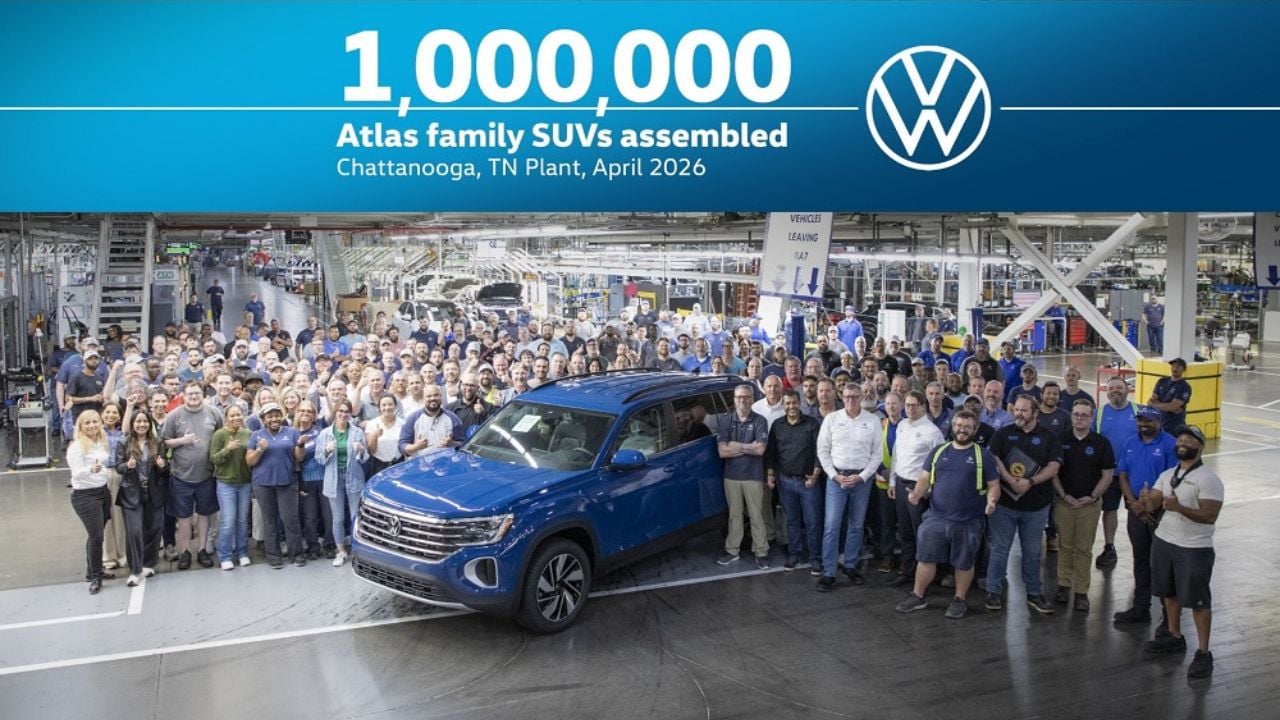
Volkswagen built the Atlas for North America from the start, and that decision has paid off in a big way. In April 2026, the Chattanooga plant assembled its one millionth Atlas family SUV, a milestone that underlines just how important this model has become for the brand in the United States.
That success matters because the Atlas is no longer just another SUV in Volkswagen’s lineup. It has become one of the company’s core products in America, with nearly one out of every three Volkswagen vehicles sold in the U.S. now coming from the Atlas family.
Within that family, the standard three-row Atlas remains the clear volume leader. Volkswagen says it accounts for about 74% of Atlas family production, while the five-seat Atlas Cross Sport makes up the remaining 26%.
Now Volkswagen is getting ready for the next phase. The all-new 2027 Atlas is already official, and while the changes are not as radical underneath as the headline suggests, the model still marks a major step forward in design, power, cabin technology, and future readiness.
Atlas Became A True American Pillar
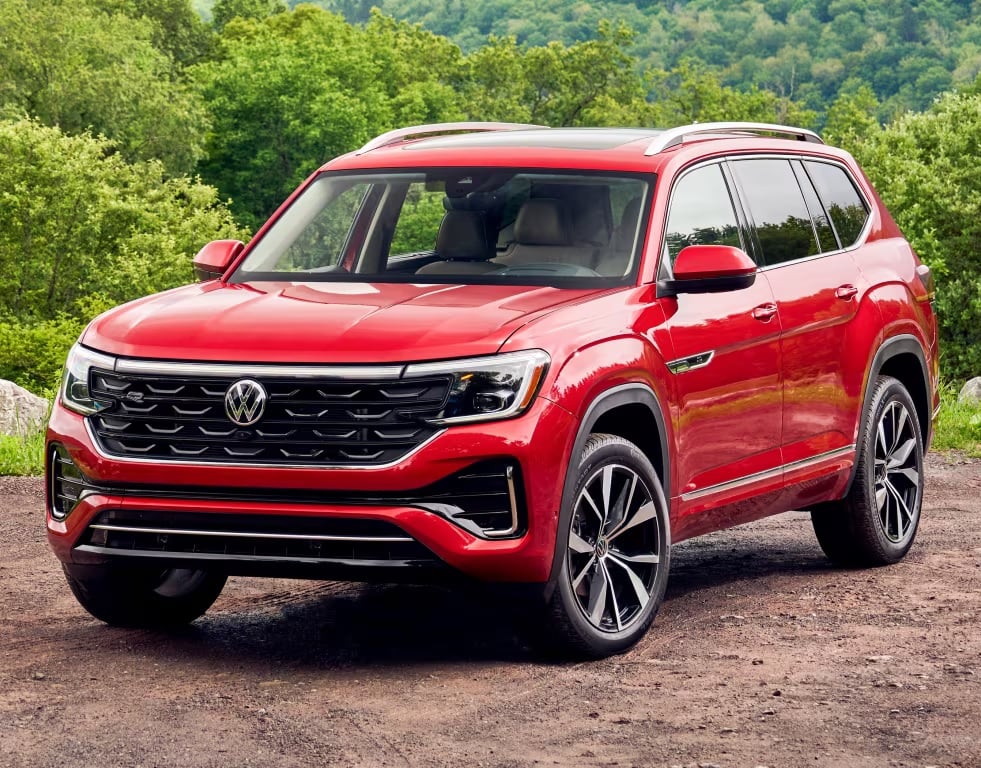
When Volkswagen revealed the Atlas in 2016 and began building it in Chattanooga that December, the goal was straightforward: give American families a spacious, locally built SUV that fit their needs better than the Touareg ever did. Ten years later, that strategy looks fully justified.
The numbers explain why. By April 2026, Chattanooga had built one million Atlas family SUVs, and Volkswagen says the model now represents a huge share of its U.S. business. That is not the kind of result a brand gets from a side project.
It also explains why Volkswagen is treating the next Atlas so seriously. This is the vehicle that holds the company’s family SUV position together in America, so even a careful evolution carries much more weight than a normal mid-cycle update would.
The 2027 Atlas Changes More Than It First Appears
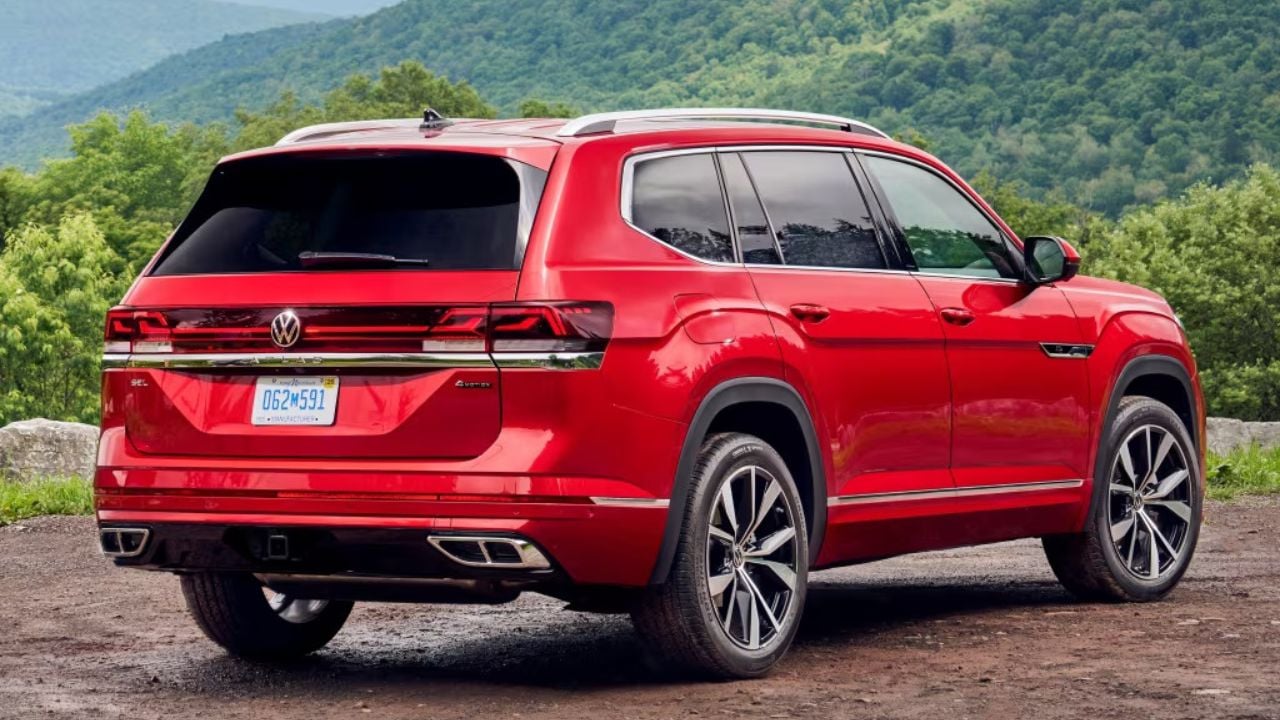
Volkswagen is calling the 2027 Atlas all new, and that description is partly justified. The exterior is fully redesigned, the cabin is much more modern, and the vehicle gets updated electrical architecture and a stronger version of its turbocharged four-cylinder engine.
At the same time, this is not a clean sheet reinvention. MotorTrend reports that the new Atlas still rides on an evolution of the current platform, keeps the same wheelbase, and uses a reworked version of the familiar EA888 engine rather than switching to an entirely new mechanical package.
That is why the new model feels more like a deep modernization than a total reset. For Volkswagen, that may be the smarter move anyway, because buyers in this segment usually care more about comfort, tech, refinement, and usable space than about a dramatic platform change they will never see.
More Power And A Smarter Cabin
The 2027 Atlas gets a 2.0 liter turbocharged four-cylinder rated at 282 HP, which makes it the most powerful Atlas yet. An eight-speed automatic remains standard, and buyers will still be able to choose front-wheel drive or all-wheel drive.
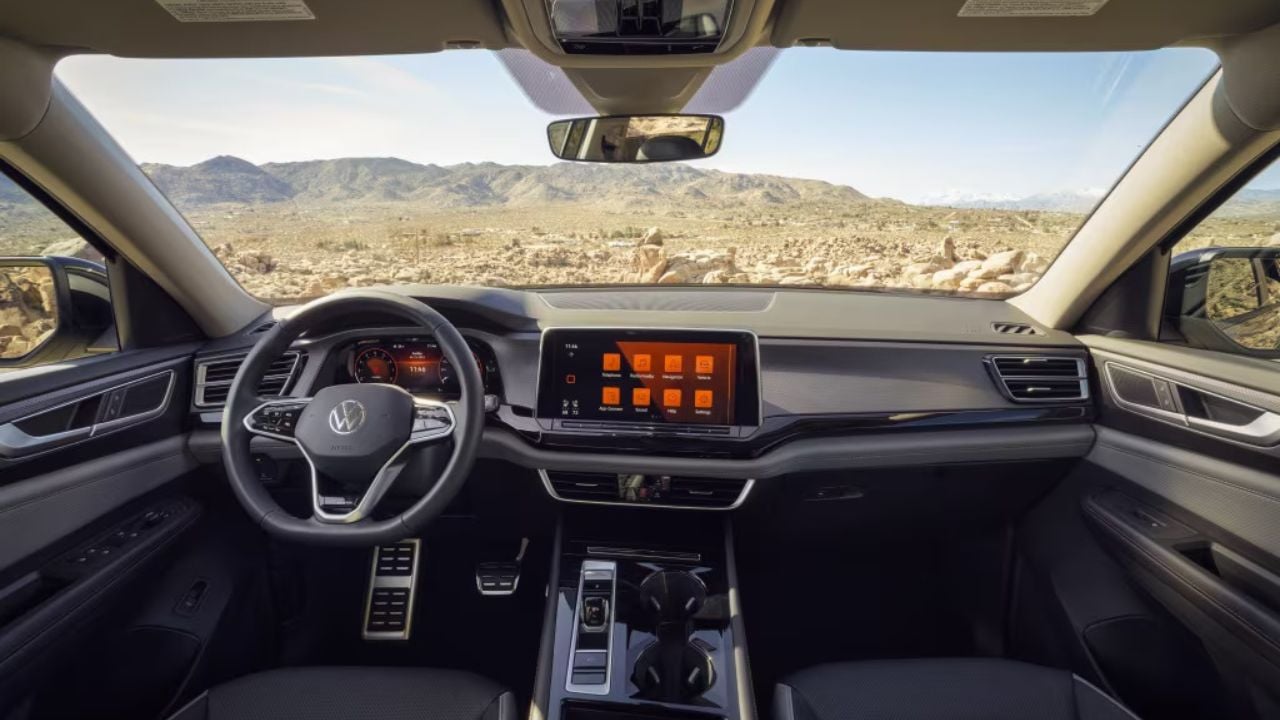
Volkswagen has also pushed the interior further upscale. MotorTrend says the new Atlas will offer a 10.3-inch digital cockpit, a 12.9-inch central screen on base trims, a 15.0-inch screen on higher trims, new ambient lighting, more premium materials, and a column-mounted shifter that frees up space on the center console.
Family usability still sits at the center of the package. The Atlas keeps six or seven seat layouts, and one of its most useful details remains the second-row design that lets the seat tilt and slide even with a child seat installed, making access to the third row much easier in daily use.
What Comes Next In Chattanooga
The Atlas story is also shaping Volkswagen’s manufacturing strategy in Tennessee. The Chattanooga plant now has nearly 4,000 employees, and Volkswagen has already confirmed that local ID.4 production will end in mid-April 2026 as the company shifts focus toward higher-volume models such as the next Atlas.
That decision says a lot about where the U.S. market is right now. Volkswagen still expects 2026 ID.4 inventory to cover demand into 2027, but for now it is clearly giving more production priority to gasoline SUVs that continue to sell in much larger numbers.
There is more to come beyond the three-row Atlas itself. Volkswagen has already confirmed that the Atlas Cross Sport will continue and that hybrid versions of the Atlas, Atlas Cross Sport, and Tiguan are on the way, although those are expected later in the cycle rather than at launch. That means Atlas is not just surviving the industry’s transition. It is becoming one of the main ways Volkswagen plans to navigate it in America.
This article originally appeared on Autorepublika.com and has been republished with permission by Guessing Headlights. AI-assisted translation was used, followed by human editing and review.