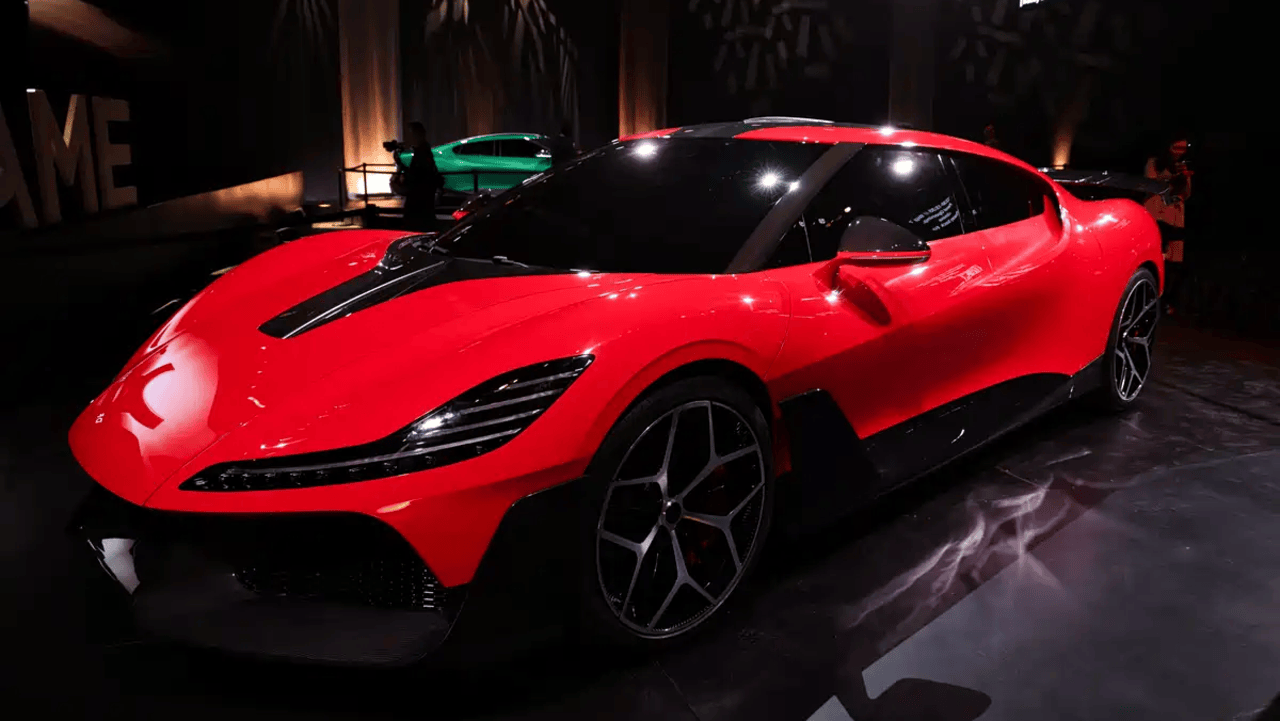
A company best known for making robot vacuums just unveiled one of the wildest car concepts we’ve seen all year.
Chinese tech brand Dreame Technology revealed its new Nebula Next 01 Jet Edition during a launch event in Silicon Valley.
And the headline claim sounds completely absurd.
The company says its futuristic supercar can hit 62 MPH (100 km/h) in just 0.9 seconds.
Yes, It Apparently Uses Rocket Boosters
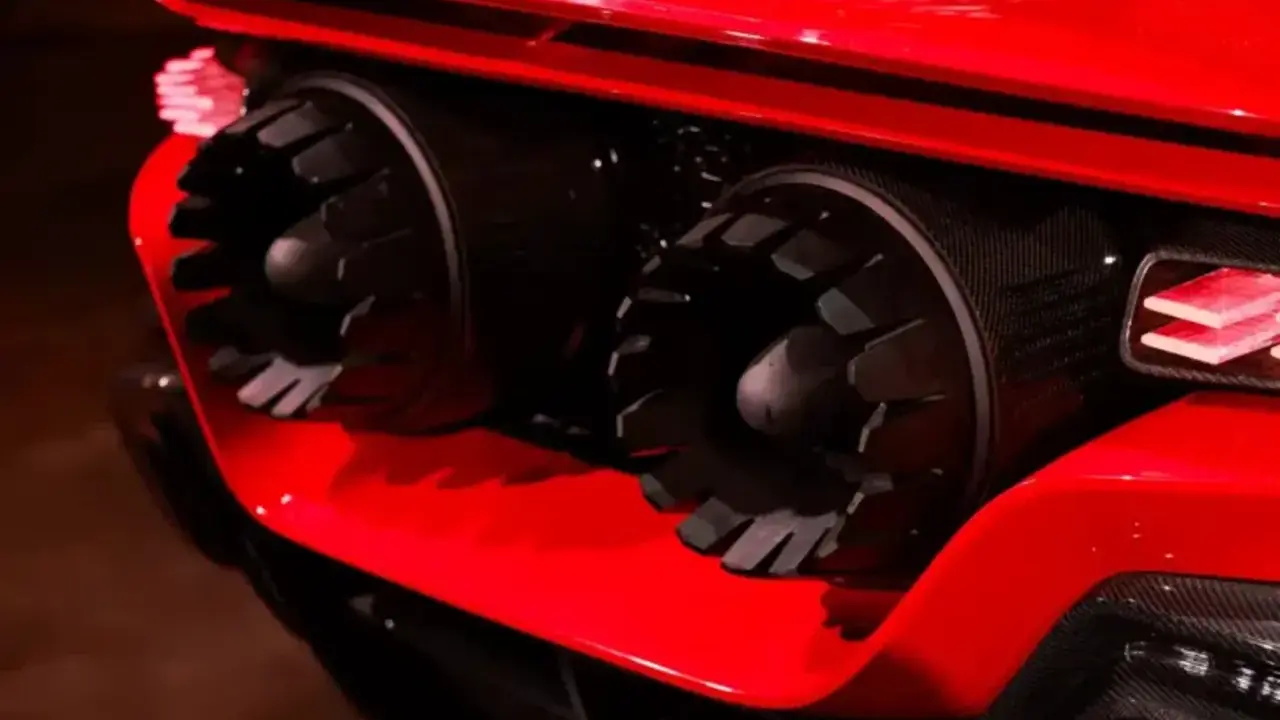
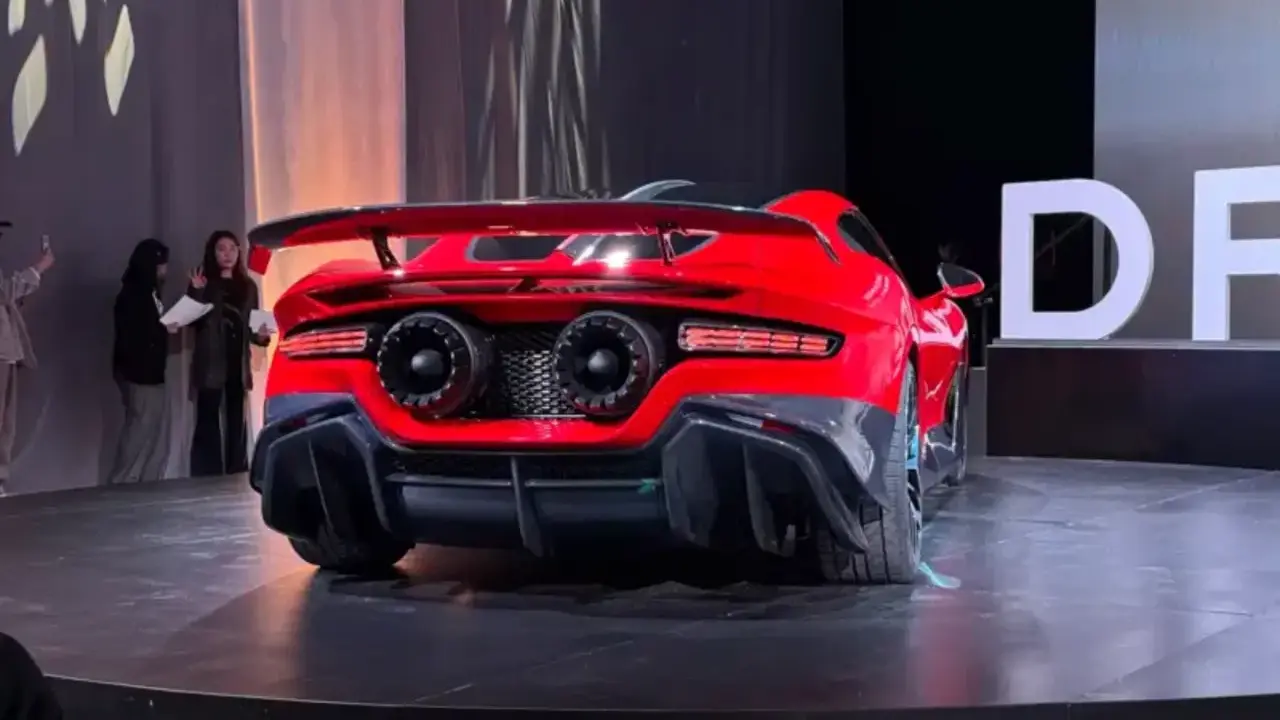
The most outrageous part of the concept is its propulsion system.
Dreame says the Nebula Next 01 uses a dual solid rocket booster system.
According to the company, the setup delivers up to 100 kilonewtons of thrust with a response time of just 150 milliseconds.
Dreame claims it adapted aerospace-style technology for road use, something that sounds more like science fiction than an actual production car.
It Also Features A Solid-State Battery
The car reportedly uses a sulfide-based solid-state battery pack with an energy density exceeding 450 Wh/kg.
That’s significantly higher than most current EV batteries on the market.
Dreame claims the battery can deliver more than 550 km (342 miles) of range under China’s CLTC testing cycle.
The company says the battery is still being prepared for mass production.
The Steering System Sounds Wild Too
The Nebula Next 01 also features a full steer-by-wire setup.
Dreame says the system supports 14 degrees of movement control.
That supposedly allows unusual maneuvers like pivot turns, sideways parking, and maintaining stability after a tire blowout.
The LiDAR Specs Are Extremely Ambitious
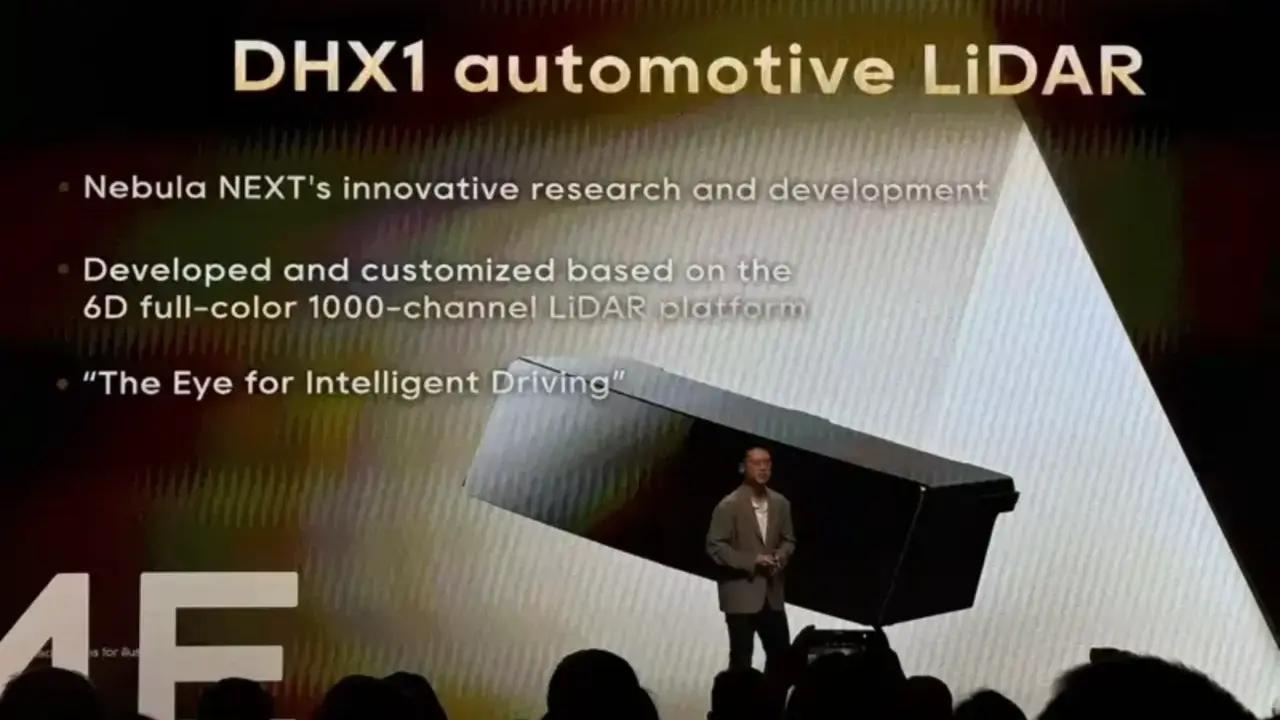
The car reportedly uses a new DHX1 LiDAR system.
Dreame claims it features 4,320 lines of resolution with full-color 4K capability.
It can allegedly detect objects up to 600 meters away.
The company says it can even spot small animals at 280 meters and traffic cones at 300 meters.
It’s Designed To Control Your Smart Home Too
The cabin reportedly acts as a hub for other Dreame products.
That means the car could connect with robot vacuums, home appliances, and other smart devices.
Dreame calls it a “smart life central brain.”
Should You Believe The Performance Claims?
This is where things get tricky.
A 0-62 MPH time of 0.9 seconds would make this faster than virtually every production car on Earth.
It would also raise serious questions about safety, legality, and whether rocket-assisted acceleration could ever be road legal.
For now, this feels more like a headline-grabbing concept than something buyers will see in dealerships anytime soon.
Still, only in today’s Chinese auto industry could a vacuum company randomly show up and try to outdo Bugatti Chiron.