Fuel economy conversations usually drift straight toward hybrids. That makes sense because battery assistance dominates the mileage headlines. Even so, gasoline-only cars still have a story worth telling. A handful of small sedans and hatchbacks continue to deliver impressive efficiency through lighter weight, modest engines, and carefully tuned transmissions.
They do it the old-fashioned way, with smart engineering and clean packaging. That approach still works surprisingly well in the U.S. market. It also keeps purchase prices lower than many hybrid alternatives. Another interesting pattern appears quickly once the numbers come into focus. The leaders mostly come from the compact and subcompact classes.
That feels logical because smaller footprints and simpler layouts still reward efficiency. The margins between these cars are also tighter than many buyers expect. In several cases, a single mile per gallon decides the order.
Where Gas Only Efficiency Still Makes A Strong Case
This article focuses on gasoline-only cars listed on the official EPA fuel economy database for the U.S. market. Hybrids, plug-in hybrids, and electric vehicles sit outside this selection on purpose. The goal here is to highlight the best fuel-sippers that rely on a conventional internal combustion setup. EPA combined mpg serves as the main measuring stick because it gives the clearest everyday snapshot for mixed driving. City and highway ratings still matter, so they shape the discussion for each model as well. Price also plays an important role because efficiency means more when the car itself stays accessible. That is one reason this group leans heavily toward compact sedans and hatchbacks.
Those body styles still give automakers the easiest path to low fuel consumption without adding hybrid hardware. Several ties appear in this category, which shows how closely matched the segment has become. In those cases, other qualities such as range, cabin character, and value help separate the cars. A few larger sedans came close, yet the compact class still owns this conversation. The final list also avoids duplicate trim variations that post the same basic results with different wheels or equipment. What you get here is a cleaner look at the models that make the strongest real-world case. For anyone who still wants a simple gasoline car with excellent mpg, this remains one of the most useful corners of the market.
Honda Civic Sedan

At the top of this gas-only list, the Honda Civic sedan posts 36 mpg combined, along with 32 mpg city and 41 mpg highway in its most efficient gasoline-only version. Honda uses a 2.0 liter four cylinder and a continuously variable automatic transmission to reach those numbers, and the result fits the Civic’s long-standing reputation for easy daily drivability. MSRP for the 2026 Civic lineup ranges from $25,890 to $34,790, which places it a bit above the bargain basement yet still well within mainstream territory.
What keeps the Civic especially compelling is how polished the whole package feels. The fuel economy looks strong on paper, though the car also brings a mature cabin, sharp visibility, and a comfortable ride. EPA total range lands at 446 miles, so long highway runs feel easy to manage. Buyers who want efficiency wrapped in a slightly more upscale compact sedan experience will find the Civic sitting in a very sweet spot.
Hyundai Elantra
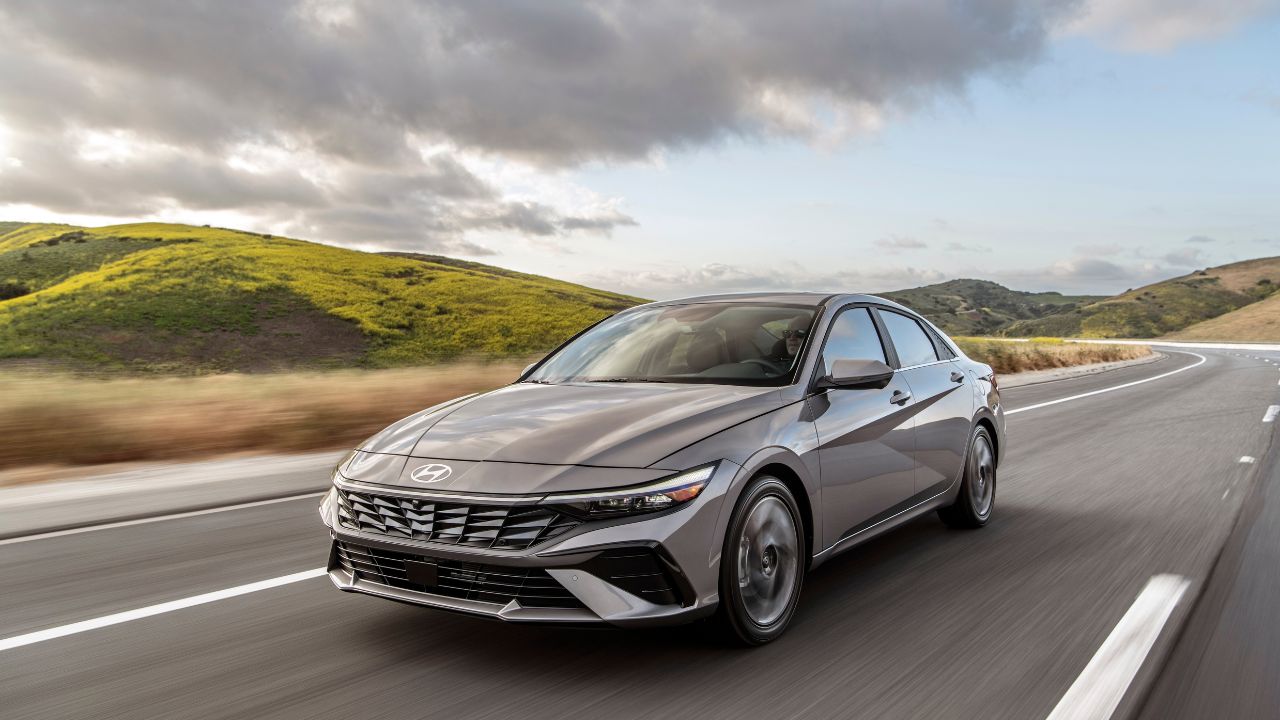
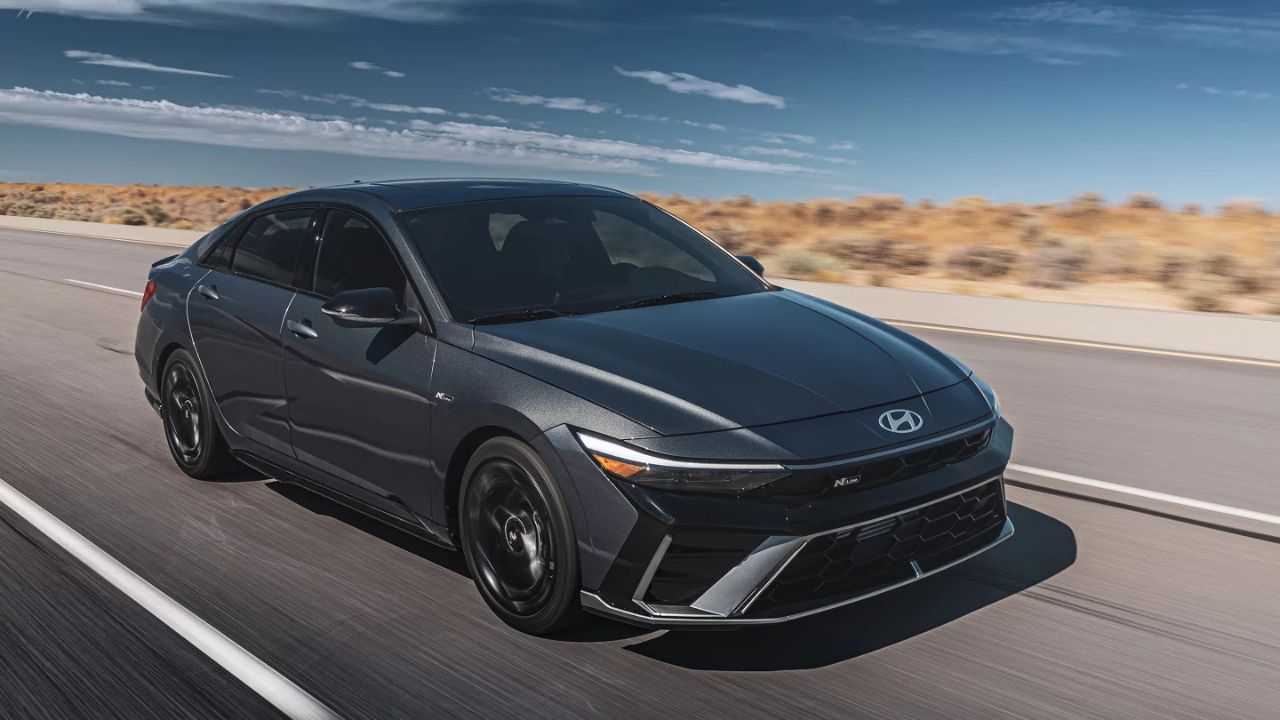
One of the strongest gas-only choices is the Hyundai Elantra with an EPA rating of 35 mpg combined, plus 31 mpg in the city and 40 on the highway in its most efficient non-hybrid form. That makes it one of the strongest answers for buyers who want everyday economy without stepping into hybrid pricing. Under the hood sits a 2.0 liter four cylinder paired with Hyundai’s automatic variable transmission, which helps the car stay calm and efficient in routine driving. MSRP for the 2026 Elantra ranges from $23,870 to $31,045, so the fuel savings arrive in a package that still feels reachable.
Another point in its favor is how complete the car feels. Cabin design looks modern, the shape has real personality, and EPA total range comes in at 434 miles. That combination gives the Elantra a balanced appeal. It saves fuel, stretches distance between fill-ups, and still feels like a current compact sedan instead of a stripped-down mileage special.
Toyota Corolla
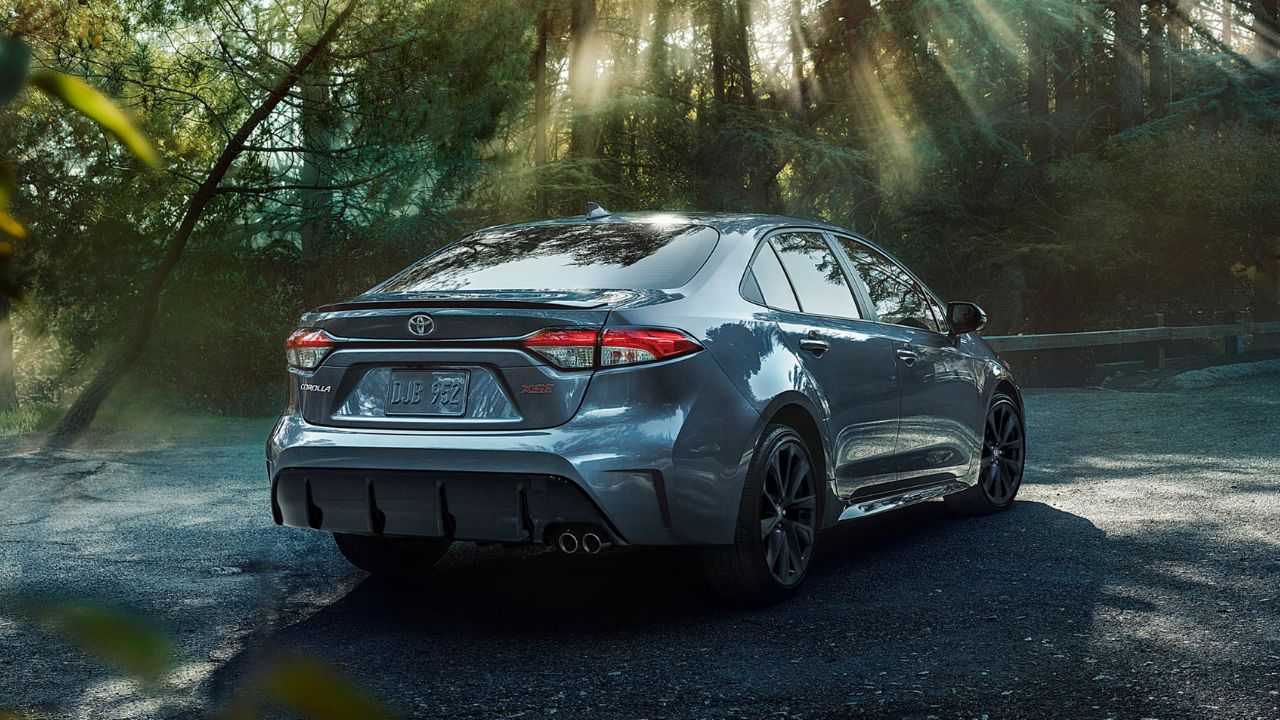
Toyota’s compact mainstay continues to make a strong case for simple, honest efficiency. In its best non-hybrid sedan form, the Corolla earns 35 mpg combined with a 32 city and 41 highway split. That result comes from a 2.0 liter four cylinder working through a continuously variable automatic transmission, and it keeps the Corolla right near the front of this whole category. MSRP for the 2026 Corolla ranges from $24,120 to $30,335, which places it in the heart of the compact sedan market.
That matters because buyers looking at fuel economy often care just as much about long-term simplicity and predictable ownership. The Corolla has that reputation in spades. EPA total range reaches 462 miles, which helps it feel bigger on the road than its footprint suggests. The overall personality remains calm and straightforward. Nothing about the Corolla shouts for attention, and that is part of its charm. It simply handles the daily grind with excellent mileage and very little fuss.
Nissan Versa
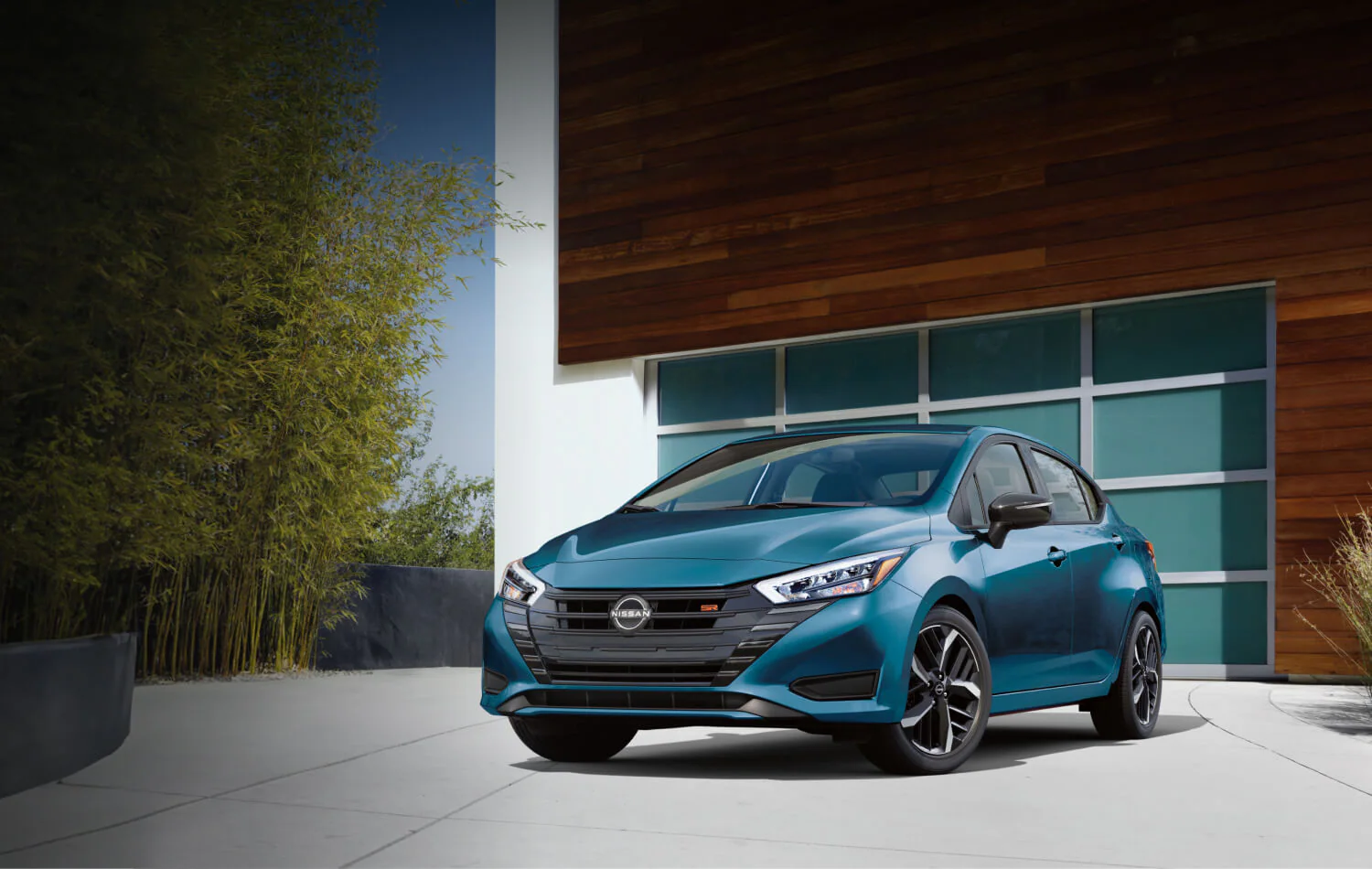
Value still has a place in this story, and the Nissan Versa proves it clearly. Despite sitting at the affordable end of the market, the Versa reaches 35 mpg combined, with 32 mpg city and 40 mpg highway when equipped with its most efficient setup. Power comes from a 1.6 liter four cylinder connected to a continuously variable automatic transmission, which helps this small sedan stretch a gallon impressively well. The EPA lists the Versa from $17,190 to $21,190, and that price alone gives it a special role here.
Very few new cars ask for so little upfront while still delivering such strong mpg. Annual fuel cost is also estimated at just $1,250, which keeps the ownership equation attractive from both directions. EPA total range is rated at 378 miles. That figure lands below several larger compacts, though the broader picture still looks excellent. For a buyer chasing low-cost entry and strong efficiency together, the Versa remains one of the smartest plays in the whole market.
Toyota Corolla Hatchback
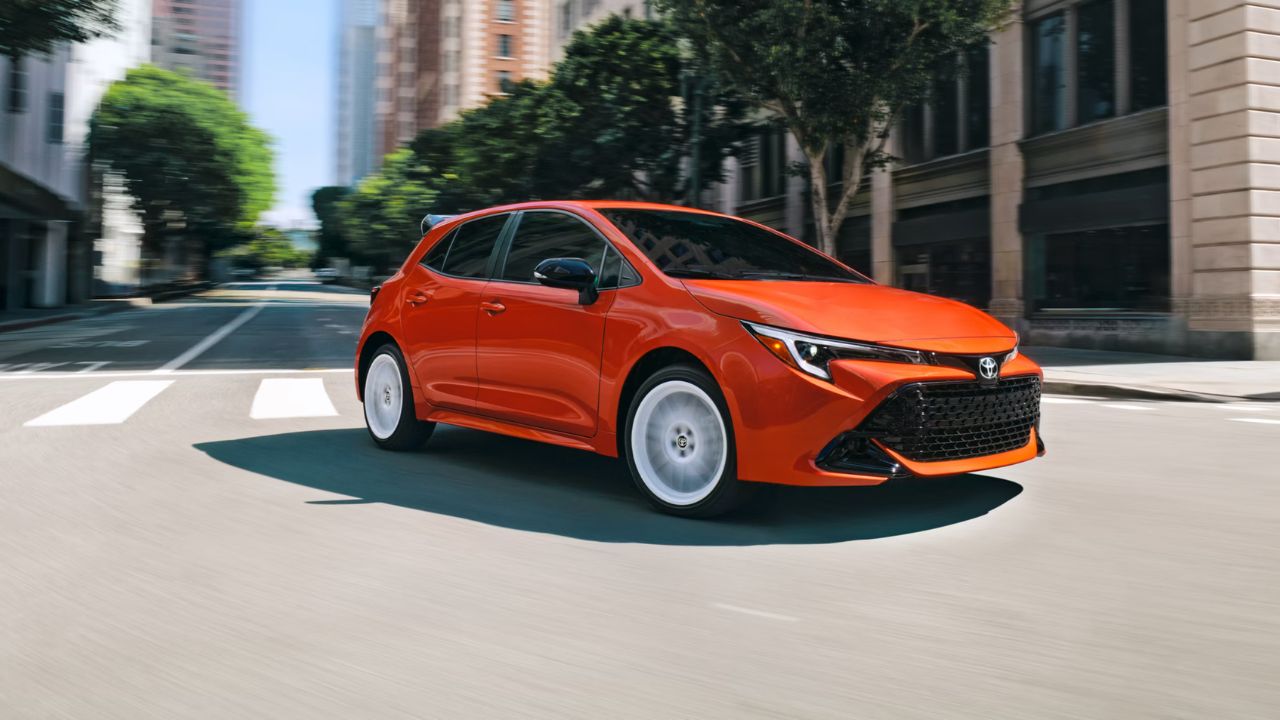
A hatchback body usually asks for a compromise somewhere, yet the Corolla Hatchback keeps the efficiency story almost perfectly intact. EPA figures show 35 mpg combined, 32 mpg city, and 41 mpg highway, matching the best gasoline Corolla sedan setup. That means buyers can get extra cargo flexibility without giving away mileage. Like its sedan sibling, the hatch uses Toyota’s 2.0 liter four cylinder and an automatic transmission, and the overall formula feels tidy and very well sorted.
Current pricing for the Corolla Hatchback starts around $25,375, which keeps things refreshingly simple. There is also something appealing about how honest this car feels. It gives you useful luggage space, a tidy footprint for city driving, and fuel numbers that stay right at the front of the gas-only field. EPA total range is rated at 462 miles, so the hatch also travels farther on a tank than many people might expect. For buyers who like compact practicality with a little more character, this one makes a lot of sense.
Nissan Sentra
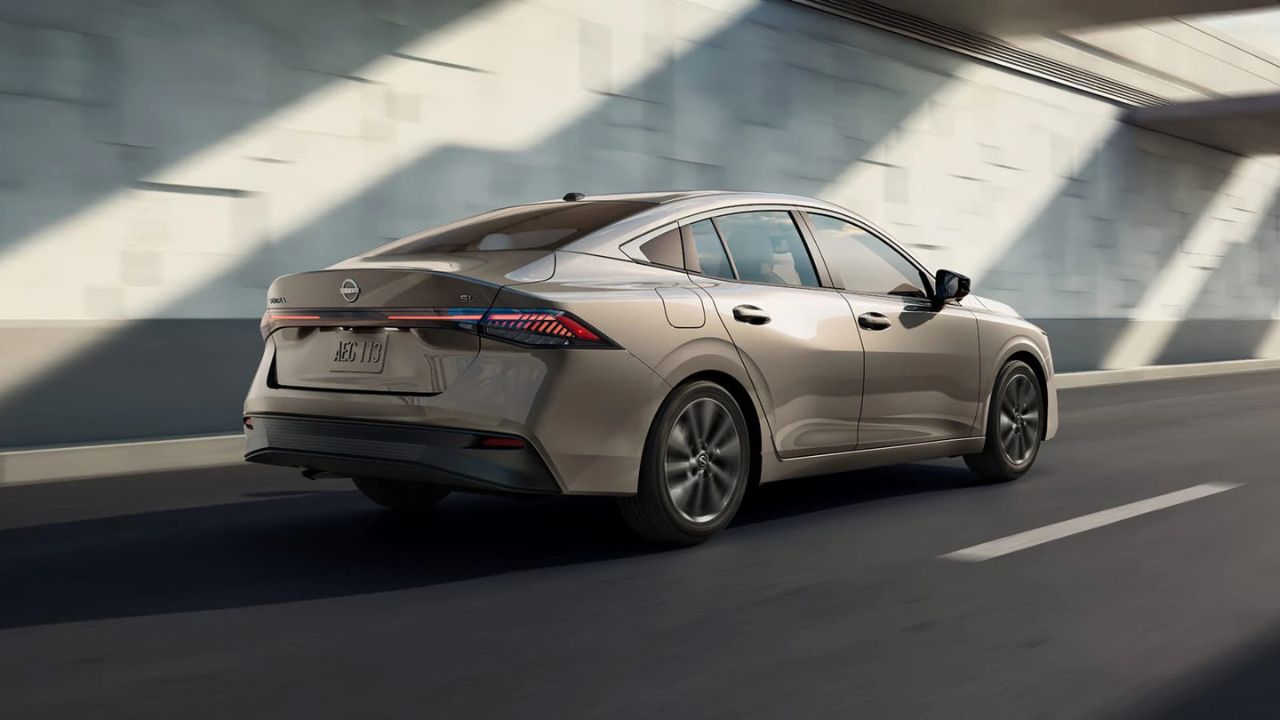
Step one notch up in size and cabin presence, and the Nissan Sentra answers with up to 34 mpg combined, with 31 mpg city and 39 mpg highway on the most efficient trim, while SR and SL trims are rated at 30 mpg city, 37 mpg highway, and 33 mpg combined. That places it just a hair behind the 35 mpg crowd, though the real-world difference feels small enough that many buyers will gladly take the trade. Its 2.0 liter four cylinder and continuously variable automatic transmission focus on smooth, efficient commuting rather than flashy acceleration. MSRP for the 2026 Sentra ranges from $23,845 to $29,235, so the Sentra stays comfortably within mainstream compact sedan territory.
A 422 mile EPA range strengthens its road trip credentials as well. What gives the Sentra its own lane in this class is the sense of calm it brings. The car looks clean, rides with decent composure, and feels more substantial than the Versa without straying far from economy-minded priorities. Buyers who want a little extra room and a more mature compact sedan flavor will find the Sentra very easy to understand.
Kia K4
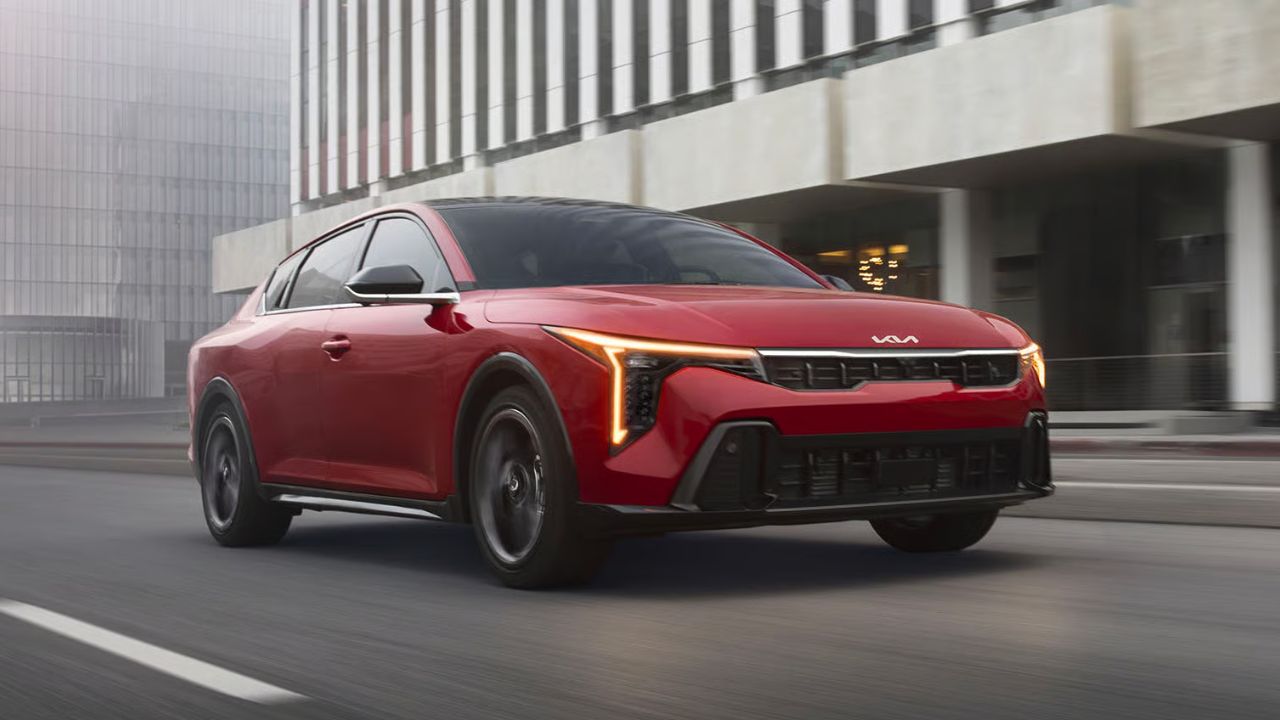
Kia’s newer compact sedan arrives with strong numbers right out of the gate. In its most efficient gasoline-only form, the K4 earns 34 mpg combined, with 30 mpg city and 40 mpg highway from a 2.0 liter four cylinder and automatic variable transmission. That puts it right alongside the Sentra and close to the top of the wider non-hybrid field. MSRP for the 2026 K4 ranges from $23,535 to $30,135, which means it covers a broad slice of the compact market. It also carries an EPA range of 422 miles, so efficiency here feels useful in more than one way.
A big reason the K4 stands out is its freshness. The styling looks more modern than many traditional economy sedans, and the cabin presentation feels like a step toward something more upscale. The numbers still do the heavy lifting, though. Strong combined mpg, solid highway performance, and reasonable pricing give the K4 a very credible place among today’s best gas-only mileage champs.
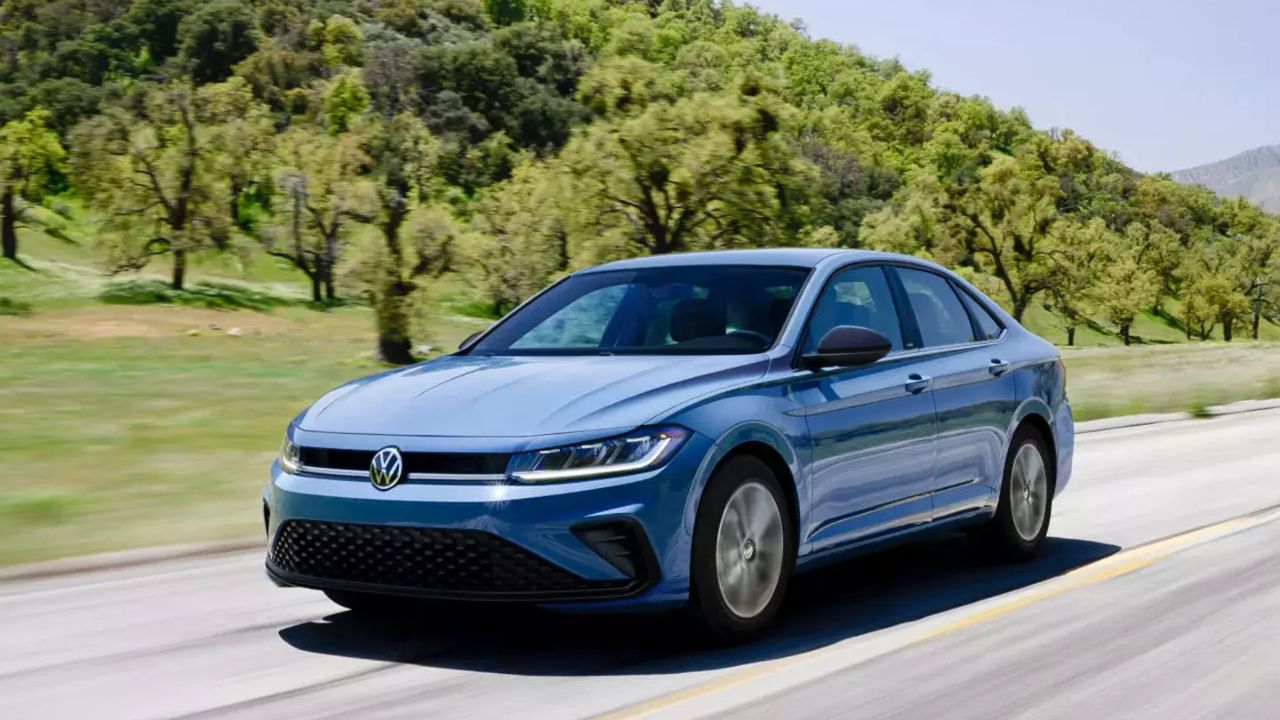
Volkswagen Jetta
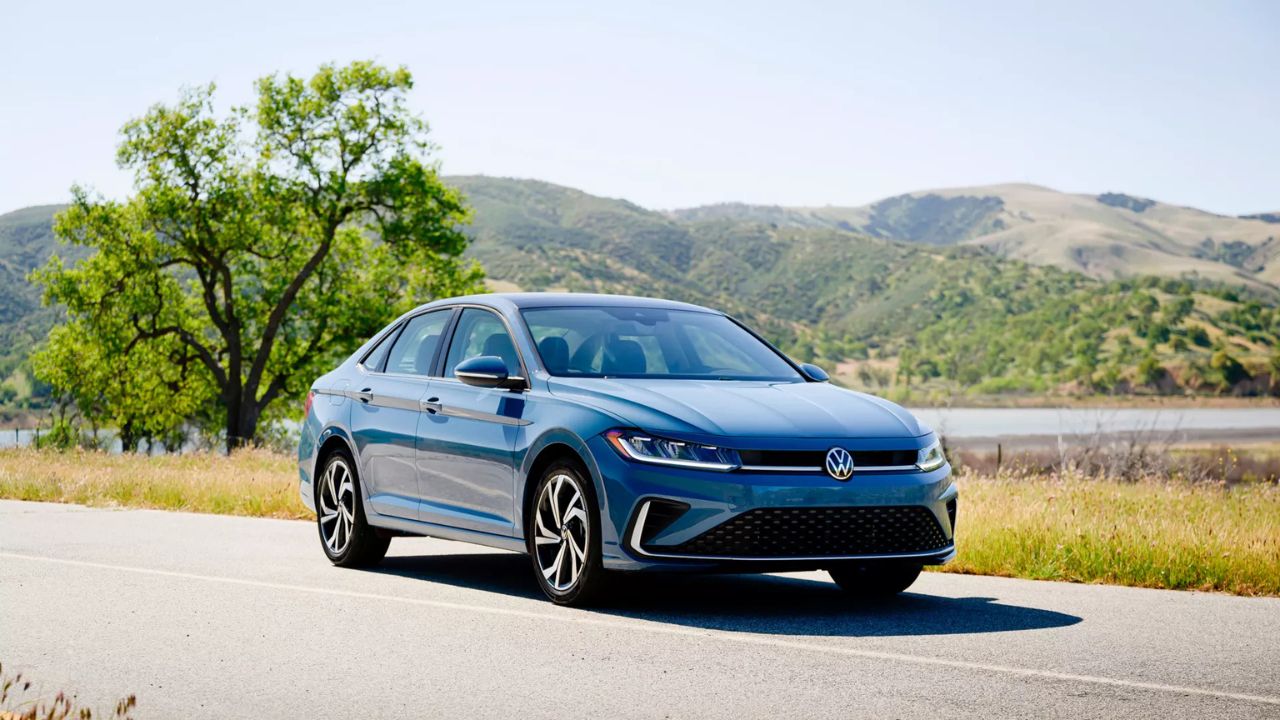
Volkswagen reaches this list with a different flavor than most of the Asian compact sedans surrounding it. In its most efficient form, the 2026 Jetta earns 34 mpg combined, along with 29 mpg city and 40 mpg highway, using a 1.5 liter turbocharged four cylinder and an eight speed automatic. That turbo engine gives the car a little extra low-end character, which helps it feel more relaxed in everyday traffic than some small naturally aspirated rivals. MSRP for the 2026 Jetta ranges from $25,270 to $31,270.
EPA total range is 449 miles in this most efficient setup, which makes it a very useful long-distance compact sedan. Its place here comes from balance. The fuel numbers stay strong, the highway score remains excellent, and the cabin carries a more European tone than several class competitors. For drivers who want efficiency with a slightly different personality, the Jetta quietly does a very convincing job.
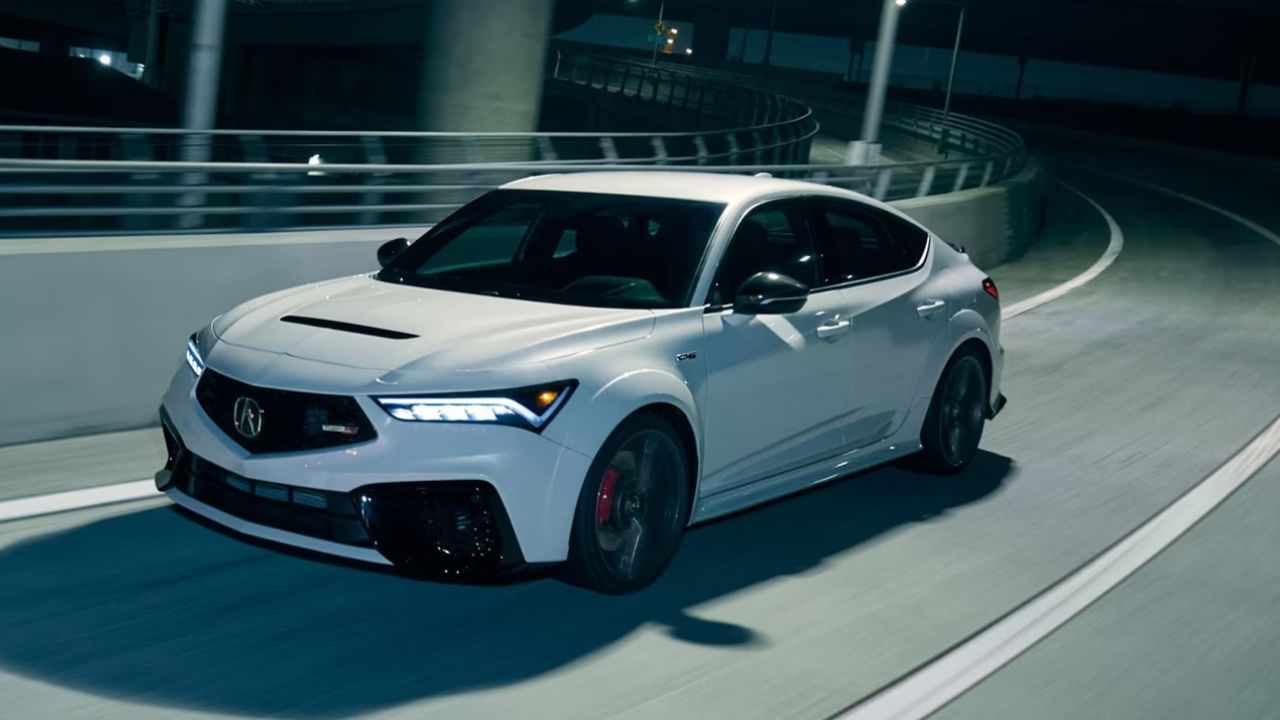
Acura Integra
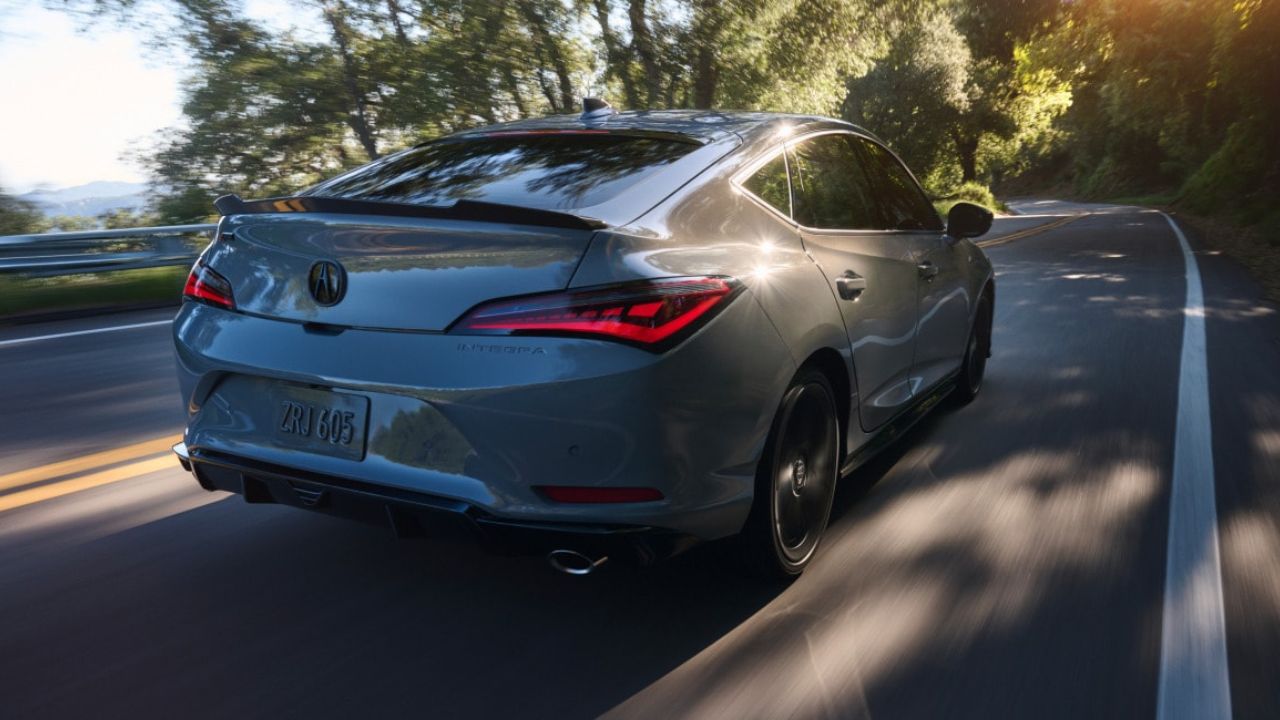
Premium shoppers get a fuel-efficient gas-only option too, and the Acura Integra makes that case better than most. EPA figures for CVT models show 33 mpg combined, with 30 mpg city and 37 mpg highway. That result matters because the Integra plays in a pricier and more polished lane than the basic compact sedans on this list. Pricing starts around $33,400 including destination, and the EPA lists a total range of 409 miles.
Those numbers give the Integra an appealing dual personality. It offers the shape and hatchback versatility of a sporty premium compact, yet it still sips fuel at a rate many mainstream sedans would happily take. Another advantage sits in the overall presentation. The cabin feels richer, the badge carries more cachet, and the car still stays grounded in smart efficiency. Buyers who want mileage without giving up a premium feel will appreciate what Acura pulled off here.
Efficiency Still Has A Simple Answer
The big lesson here feels refreshingly straightforward. A buyer still can get strong fuel economy without hybrid hardware, a charging cable, or a complicated powertrain. Most of the best answers simply come from compact sedans and hatchbacks with disciplined engineering, sensible engines, and transmissions tuned for daily life. The top of the class currently sits at 36 mpg combined, while several others stay close enough that shopping by comfort, size, and price makes just as much sense as shopping by the final mpg decimal.
That also gives this category a certain charm. These cars ask for less money than many hybrids, and they still reward careful buyers with excellent efficiency. Would a hybrid go farther on a gallon? Of course. Yet these eight models show that the old gasoline compact still has plenty of life left in it. For plenty of drivers, that answer stays more than good enough.