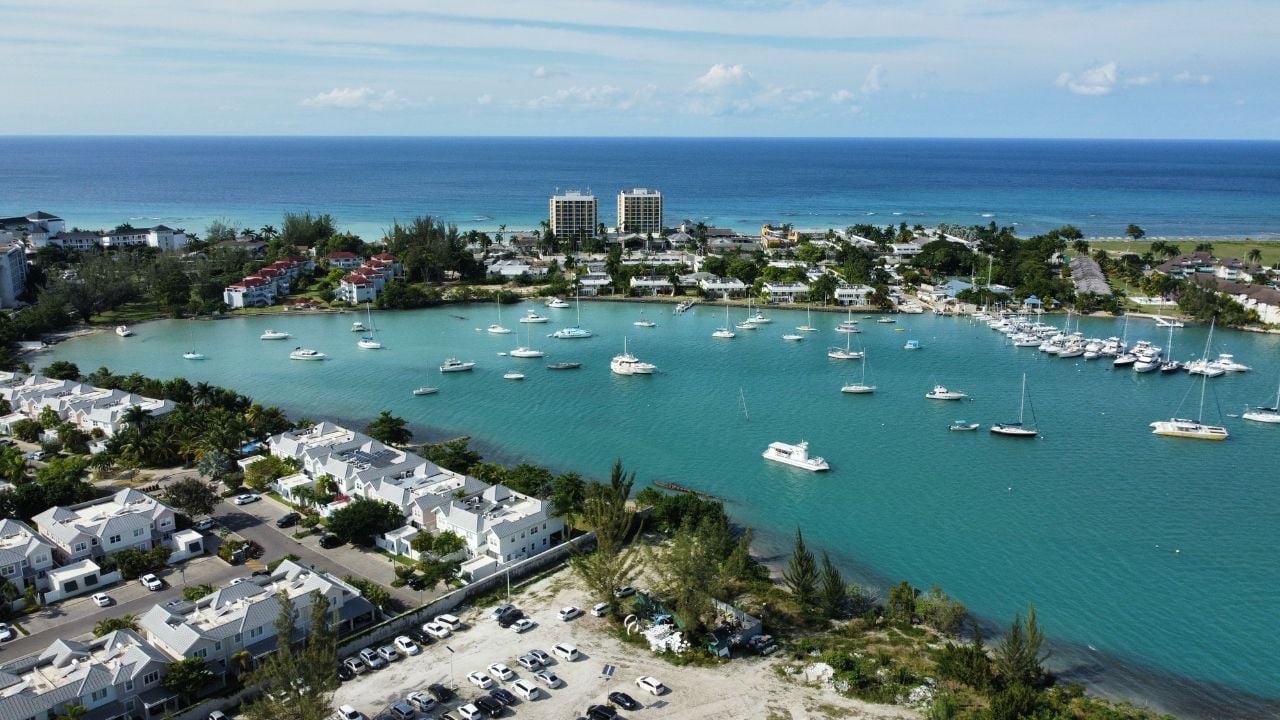
There is no single global scoreboard for the world’s most dangerous vacation spots, so the safest way to build a list like this is to lean on current official travel advisories instead of internet legend. As of April 2026, the U.S. State Department defines Level 4 as its highest warning because of life-threatening risks, while Level 3 means travelers should reconsider because of serious safety and security concerns.
This list uses that framework, while also making room for a small number of destinations where the country-level warning is lower but tourism-relevant crime guidance is still severe. That distinction matters because not every risky vacation spot sits inside a country with the same overall advisory label. Some places are more complicated than that.
The destinations below also had to clear one more test: they still had to be real leisure markets, not places no ordinary traveler would reasonably consider. These are beach, culture, safari, diving, mountain, and city destinations that tourism authorities still present as desirable places to go.
That contrast is what makes them worth examining more carefully. Official marketing can still look dreamy while official safety guidance paints a much harsher picture. For travelers, that gap is often where the real risk conversation begins.
1. Haiti

Haiti’s official tourism site still sells the country through beaches, surfing, mountain scenery, and culturally rich destinations such as Cap-Haïtien and Jacmel. On paper, the appeal is easy to understand. The imagery remains recognizably Caribbean, and the tourism pitch still leans into color, coastline, and heritage.
The security picture is far harsher. The U.S. travel advisory for Haiti is Level 4: Do Not Travel because of crime, terrorism, kidnapping, unrest, and limited health care. It also says violent crime is rampant, kidnappings are widespread, and U.S. government assistance in an emergency is extremely limited. That is about as severe a mismatch between tourism imagery and official warning language as a traveler is likely to find.
2. Lebanon
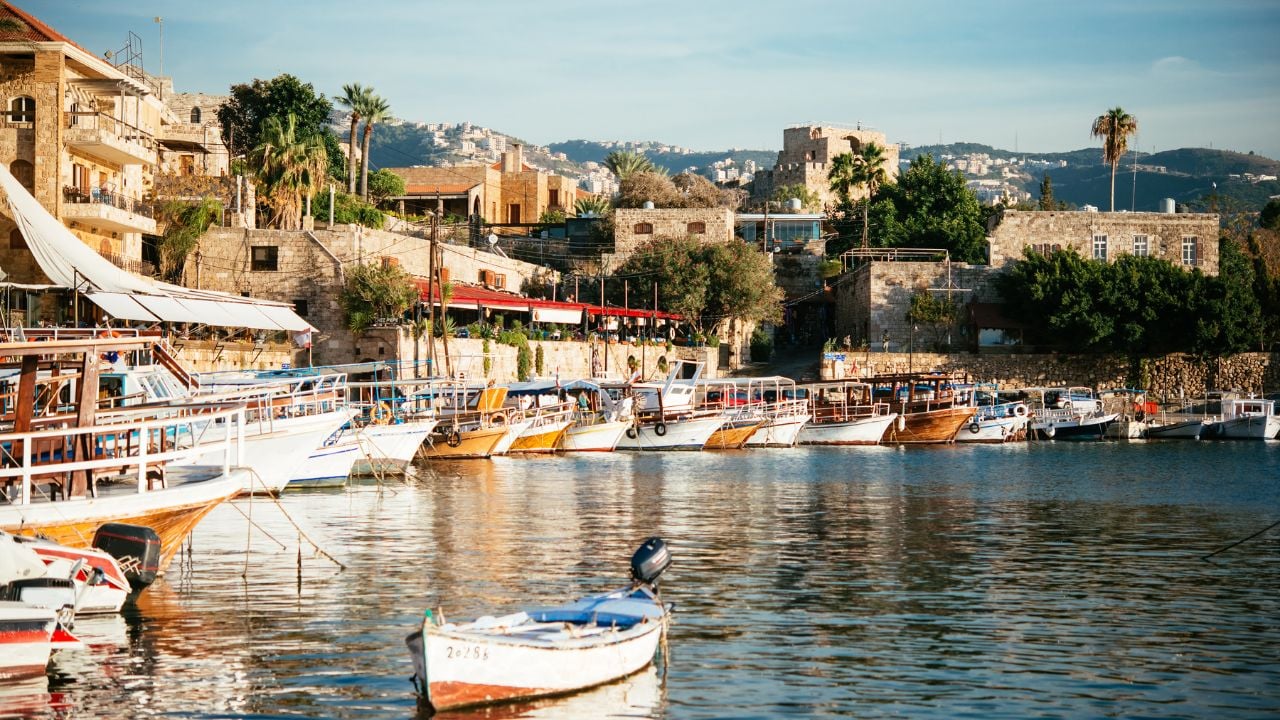
Lebanon’s Ministry of Tourism continues to present the country through its Mediterranean setting, historic towns, and urban appeal. Beirut and Byblos still fit easily into that picture, which is part of why Lebanon remains emotionally legible to travelers even when the security environment deteriorates.
The U.S. advisory for Lebanon, however, remains Level 4: Do Not Travel because of crime, terrorism, civil unrest, kidnapping, unexploded landmines, and the risk of armed conflict. Border areas carry even stronger emphasis. Lebanon is one of the clearest examples of a destination whose travel identity remains attractive while its official risk profile stays firmly in the top warning tier.
3. Acapulco and the State of Guerrero, Mexico
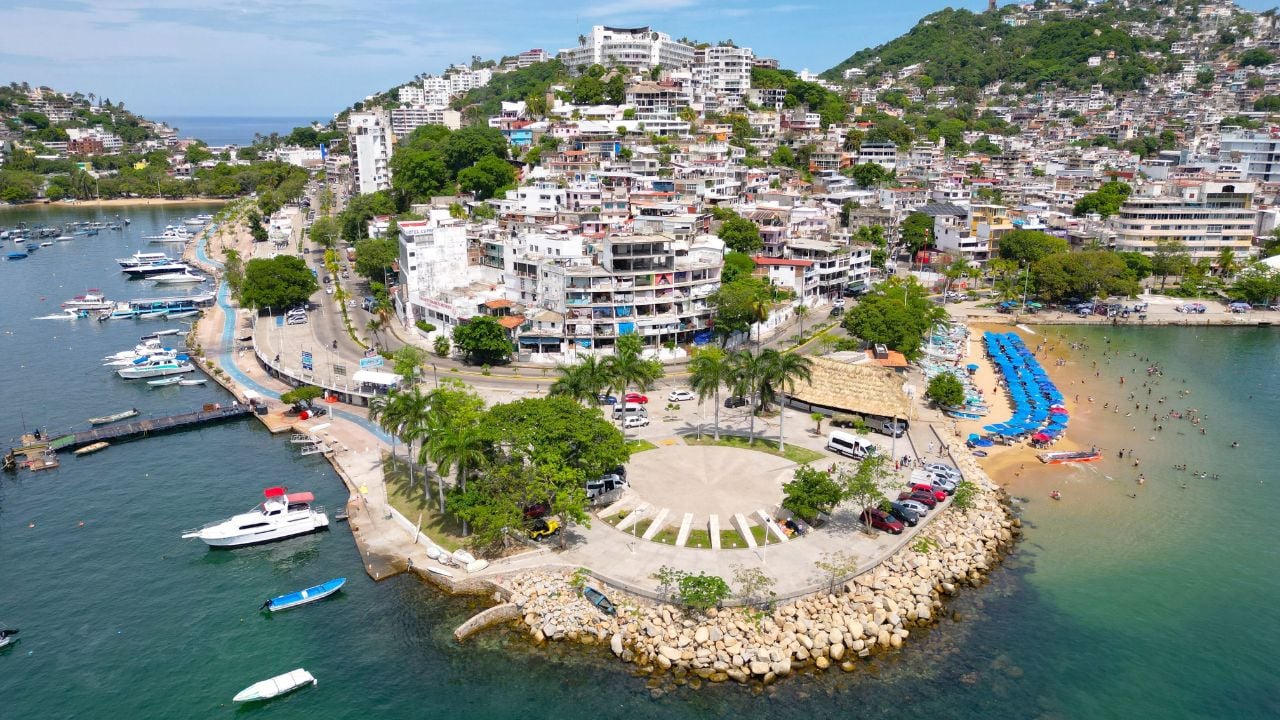
Acapulco’s official tourism site still presents the resort as Mexico’s first international tourist destination and promotes beaches, gastronomy, nature, and relaxation. The classic bay setting and long tourism history still make it look like a straightforward beach escape in the marketing material.
The advisory language is much darker. The U.S. Mexico advisory places Guerrero under Level 4: Do Not Travel because of terrorism and crime. It explicitly says U.S. government employees may not travel anywhere in the state, including tourist areas such as Acapulco, Zihuatanejo, Taxco, and Ixtapa. That is not a warning tucked away from the resort zones. It includes them directly.
4. Kashmir Valley, India
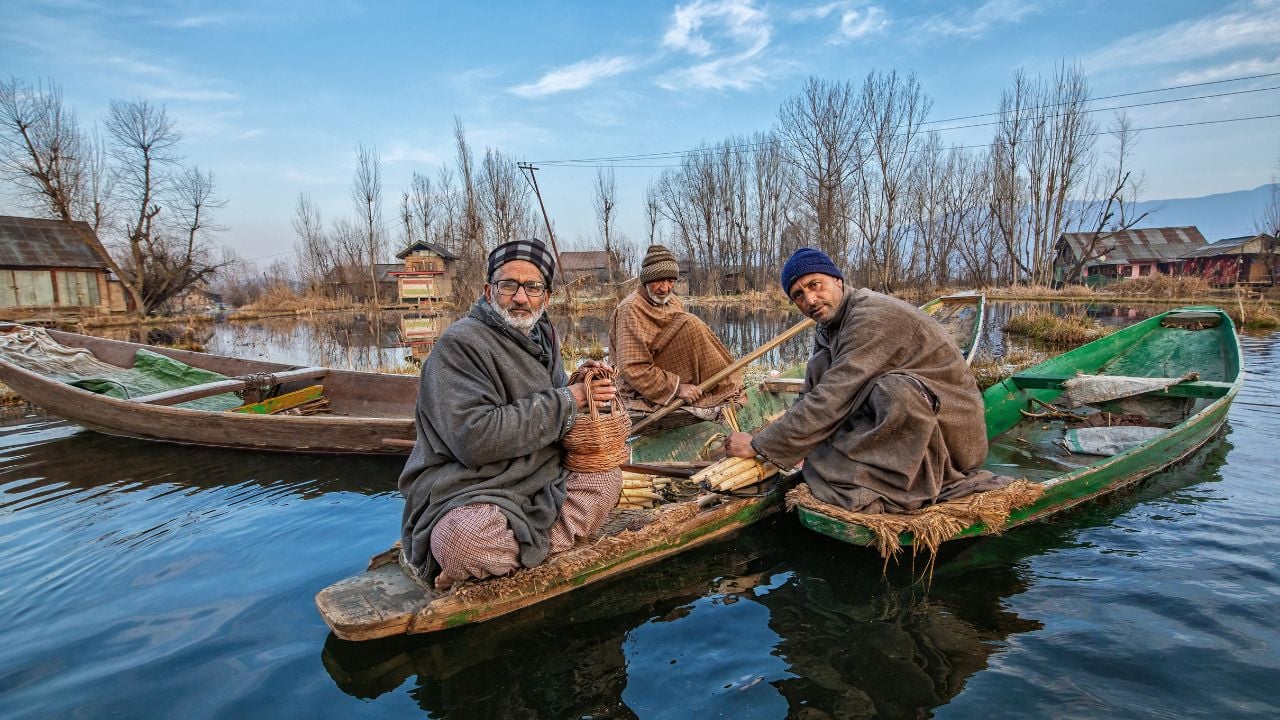
Kashmir’s official tourism site still markets the valley through Dal Lake, Srinagar, Gulmarg, Pahalgam, Mughal gardens, and mountain scenery. It is one of the strongest examples in South Asia of a destination that remains visually seductive and easy to imagine as a dream trip.
The U.S. warning cuts across that image. India’s advisory page places the Union Territory of Jammu and Kashmir at Level 4: Do Not Travel, except for visits to eastern Ladakh and Leh, due to terrorism and civil unrest. The same official guidance also says violence occurs in tourist spots in the Kashmir Valley, specifically naming Srinagar, Gulmarg, and Pahalgam. For travelers, that makes Kashmir one of the sharpest examples of scenery and security pulling in opposite directions.
5. Trinidad and Tobago
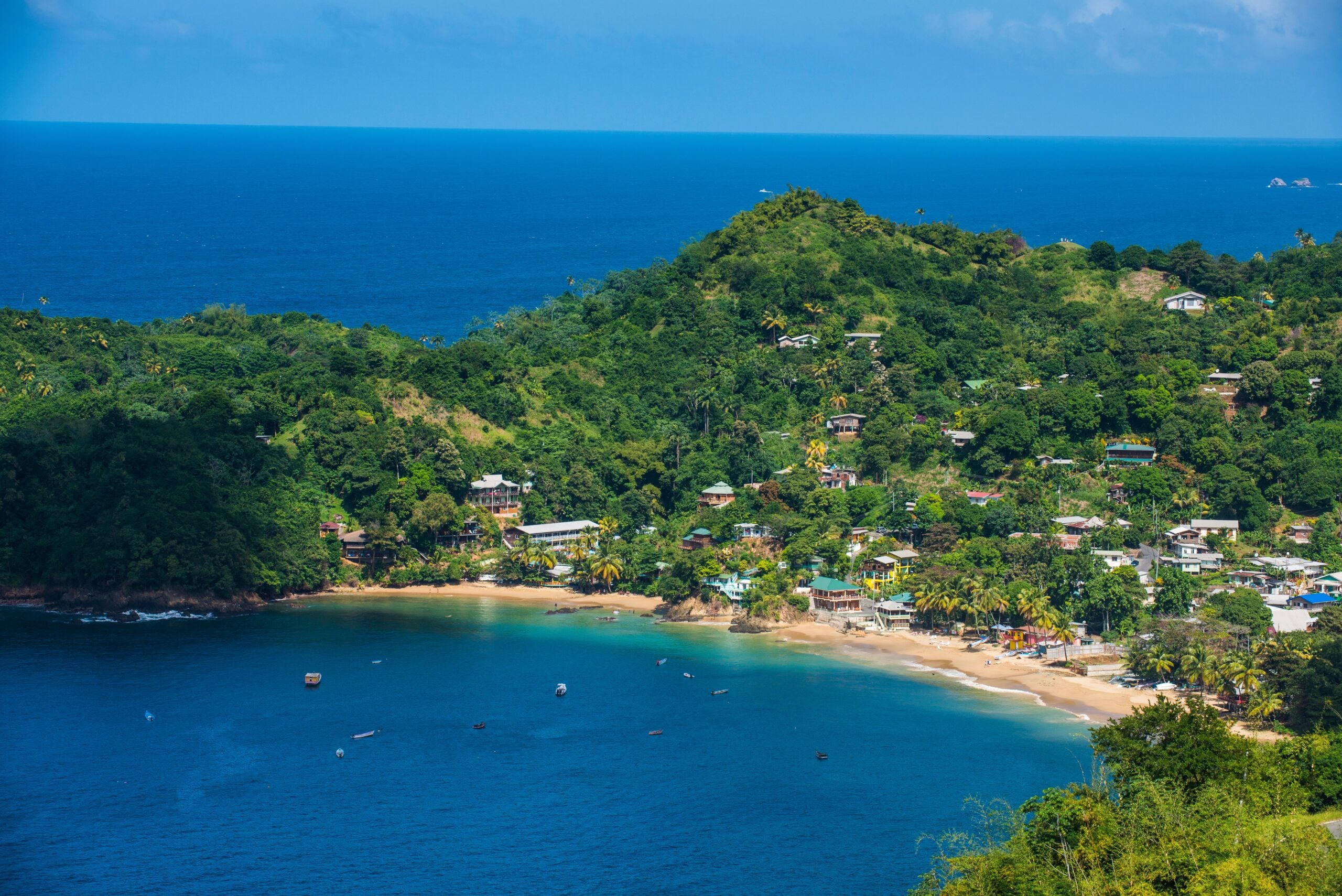
Official Tobago tourism still leans into beaches, eco-tourism, accommodations, and easy Caribbean escape imagery. That is exactly why the country can read as uncomplicated at first glance. The tourism branding still looks like a normal island holiday pitch.
The U.S. advisory for Trinidad and Tobago is Level 3: Reconsider Travel because of crime, health, and terrorism concerns. It also notes that a nationwide State of Emergency was declared on March 2, 2026 because of a spike in violent criminal activity. That combination makes the destination more serious than a casual Caribbean label suggests.
6. Papua New Guinea
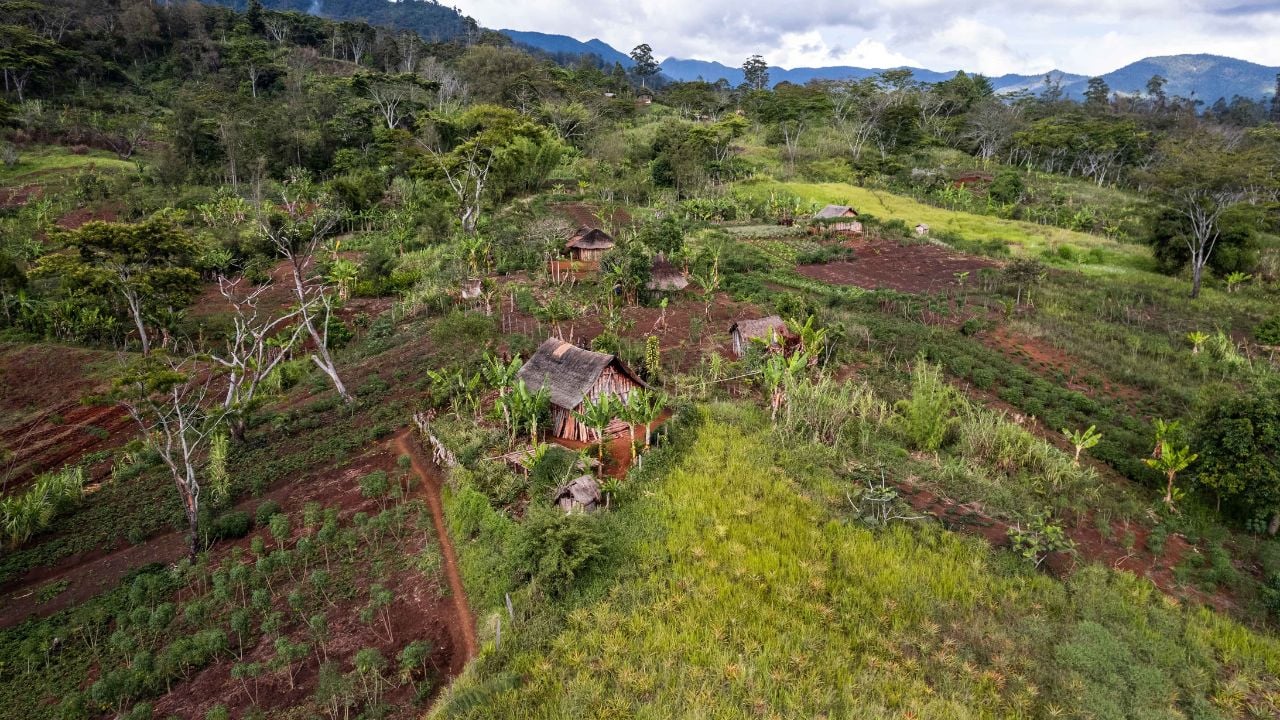
Papua New Guinea’s official travel site still presents the country as an adventurous dream trip built around untouched landscapes, vibrant cultures, reefs, rainforest, and festivals. A separate official things-to-do page leans into diving, surfing, trekking, birdlife, and cultural events. For travelers drawn to frontier-style destinations, the marketing is easy to understand.
The U.S. advisory for Papua New Guinea is Level 3: Reconsider Travel due to crime, civil unrest, and piracy, with added caution for kidnapping, unexploded ordnance, inconsistent health care, and natural disasters. The advisory also specifically warns against local taxis and buses and tells travelers to use reputable guides. This is not just rugged in a romantic sense. It is rugged in a risk-management sense too.
7. Colombia
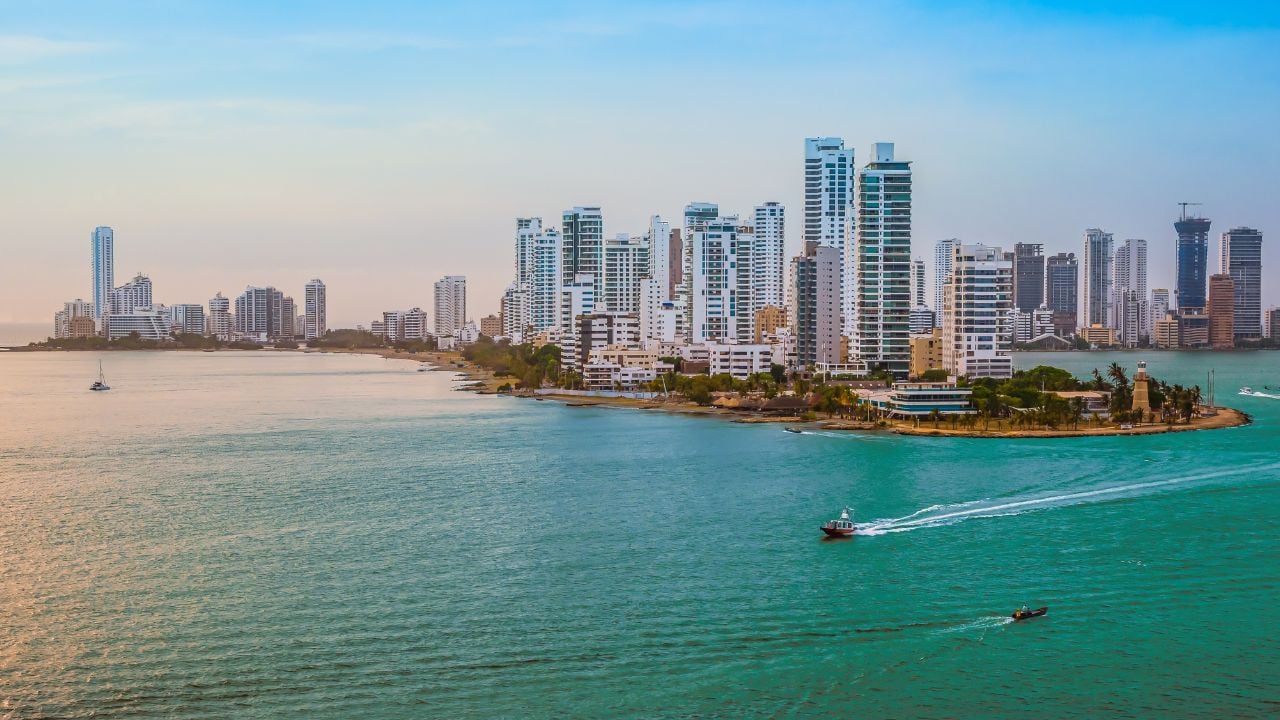
Colombia’s official tourism site still brands the country as the “country of beauty,” and its Cartagena page continues to sell beaches, nightlife, festivals, and restored colonial appeal. For many travelers, Colombia now reads as a revived and fashionable destination rather than a cautionary one.
The U.S. advisory for Colombia remains Level 3: Reconsider Travel because of crime, terrorism, civil unrest, kidnapping, and natural disasters. It also says violent crime is common in many areas and warns that drugging, extortion, kidnapping, and armed break-ins, including at hotels and other places tourists stay, occur frequently in some regions. Cartagena may look polished, but the broader risk picture still demands more care than the marketing suggests.
8. South Africa
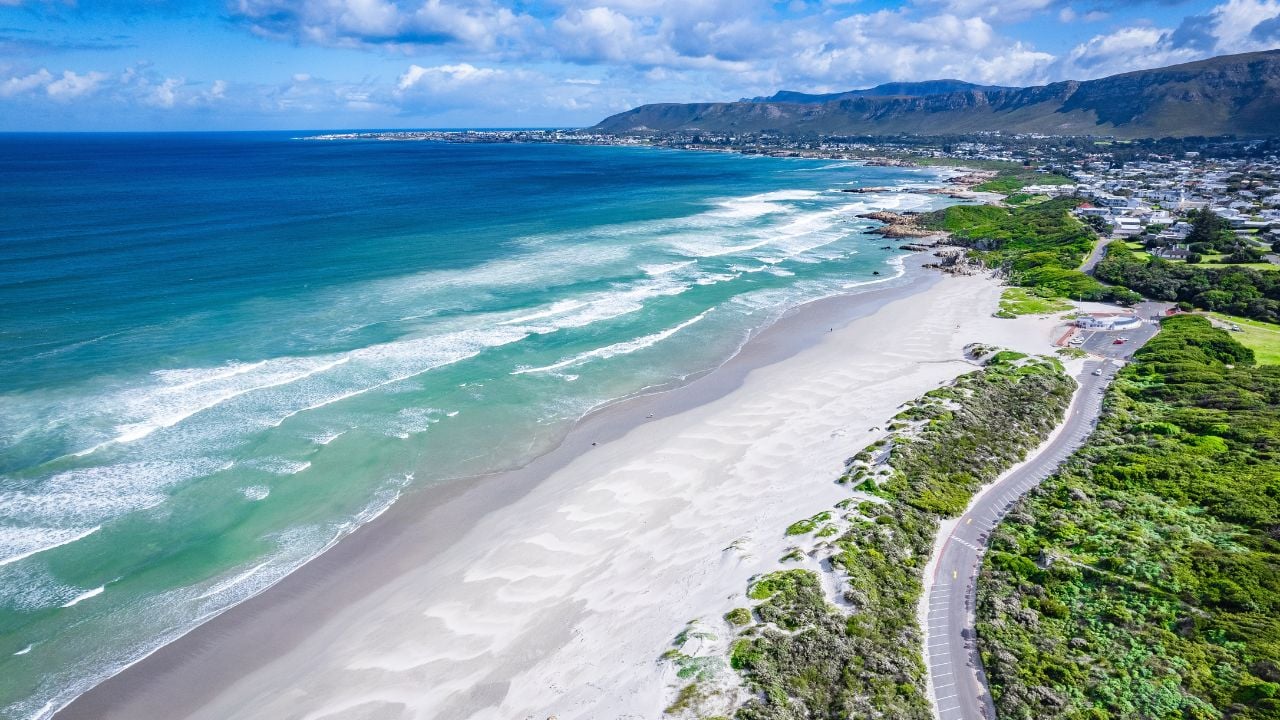
South African Tourism still promotes the country as an all-around leisure destination built around wildlife, cities, adventure, and coastlines. That sales pitch is backed by reality. South Africa remains one of the world’s strongest long-haul tourism draws, which is exactly why its security profile feels so uncomfortable to talk about in the same breath.
The U.S. advisory for South Africa is Level 2: Exercise Increased Caution because of crime, terrorism, unrest, and kidnapping. The same guidance says violent crime is common, including robbery, rape, carjacking, and mugging, and it notes restrictions on U.S. government personnel traveling to many informal settlements around Cape Town. This is one of the clearest examples of a globally desirable destination that still demands serious street-level caution.
9. Jamaica

Jamaica lands here because the tourism contrast is so sharp. Visit Jamaica still sells Montego Bay, Ocho Rios, Kingston, and Negril through beaches, sunsets, nightlife, and resort ease, while the official resort-area guide packages those places as cleanly differentiated holiday zones.
The country-level U.S. advisory for Jamaica is now Level 2: Exercise Increased Caution because of crime, health, and natural disaster risks, but the details remain tough. The advisory says U.S. government personnel may not use public buses or drive between cities at night and that some areas carry stricter no-go guidance. Jamaica is the clearest reminder that a lower country-wide advisory does not automatically mean a soft risk picture inside the destination itself.
The main point across all nine is not that every visitor will have a bad trip. It is that these are places where the marketing can still look dreamy while official safety guidance looks much harsher.
For travelers, that does not mean every one of these destinations is automatically off the table. It does mean the planning standard needs to be higher than usual. Country-level advisory tiers matter, but so do regional restrictions, crime patterns, and the difference between a well-managed resort pocket and the larger environment around it.