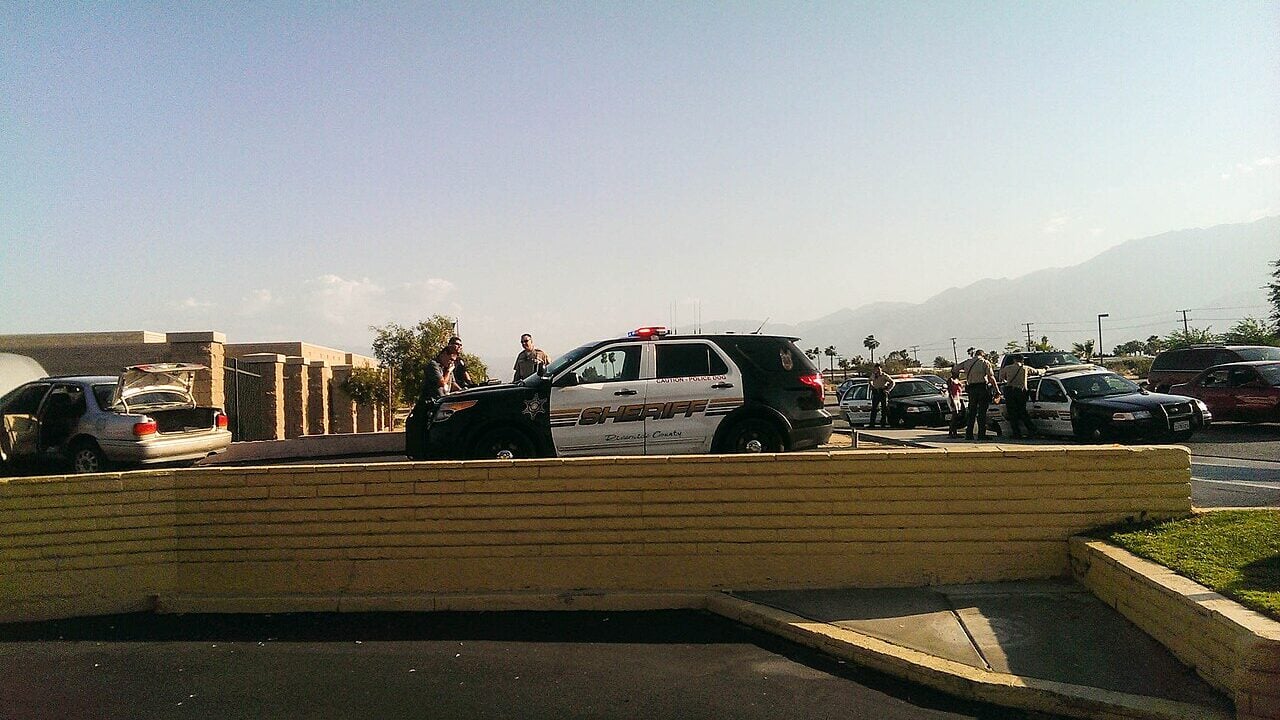

In Suffolk County, Sheriff Errol Toulon has introduced a technology that is quietly reshaping how police handle vehicle pursuits. The system, called StarChase, replaces the traditional high‑speed chase with a safer, distance‑based tracking model.
Instead of racing after a suspect, officers fire a small adhesive GPS dart from their patrol car. Once attached, the dart transmits the vehicle’s location in real time, allowing law enforcement to track from a distance rather than engage in risky maneuvers on crowded roads.
The idea is simple but transformative: reduce the dangers of high‑speed pursuits while still maintaining control over suspect vehicles. Toulon has emphasized that the technology prioritizes public safety over catching offenders.
Disengaging from direct pursuit help deputies avoid collisions, injuries, and the unpredictable chaos that often accompanies a chase.
Adoption Across the U.S.
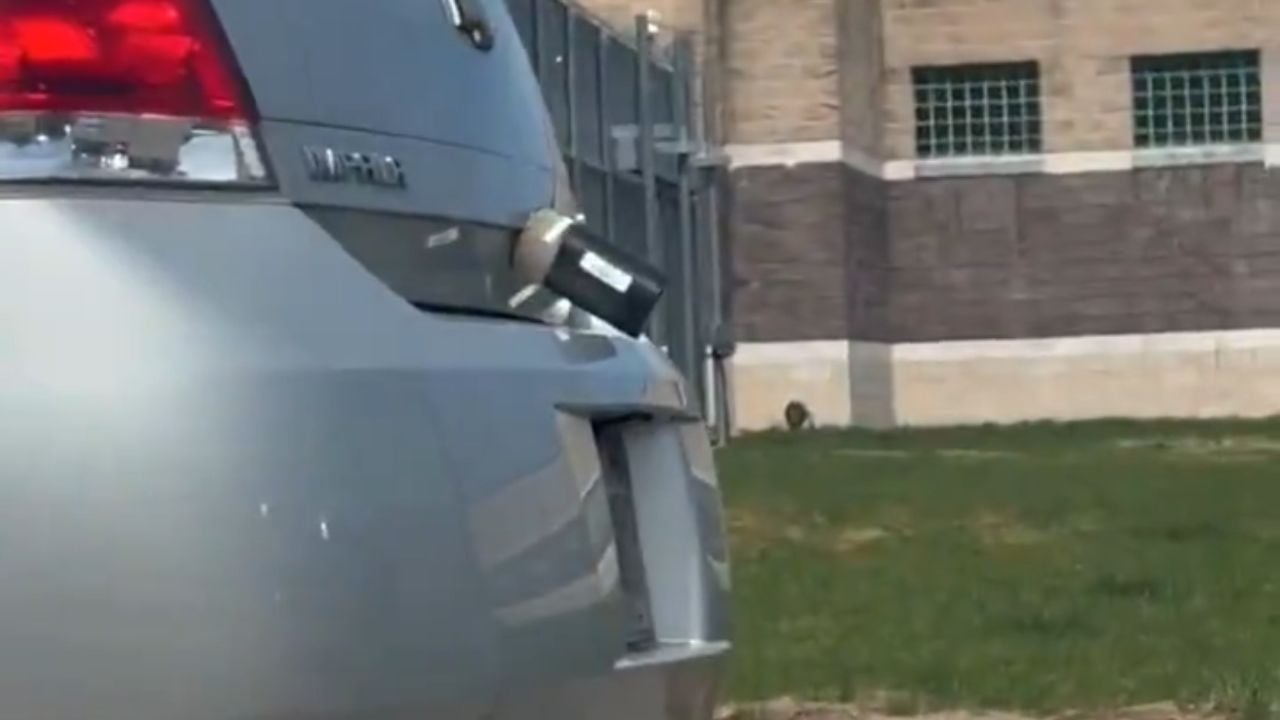
Suffolk County is not the only one adopting this GPS-based car pursuits. Law enforcement agencies across the United States are beginning to adopt StarChase systems, shifting their operational strategies toward tagging vehicles instead of chasing them.
Pilot programs in states such as Arizona and Texas have reported measurable benefits, including double‑digit percentage reductions in collisions tied to stolen cars and pursuit incidents. These early results suggest that passive tracking can significantly reduce harm without compromising enforcement.
The technology primarily works via a compressed‑air launcher mounted discreetly behind a police vehicle’s grille. When officers identify a suspect vehicle, they can fire a foam‑tipped GPS projectile that adheres to the car’s exterior.
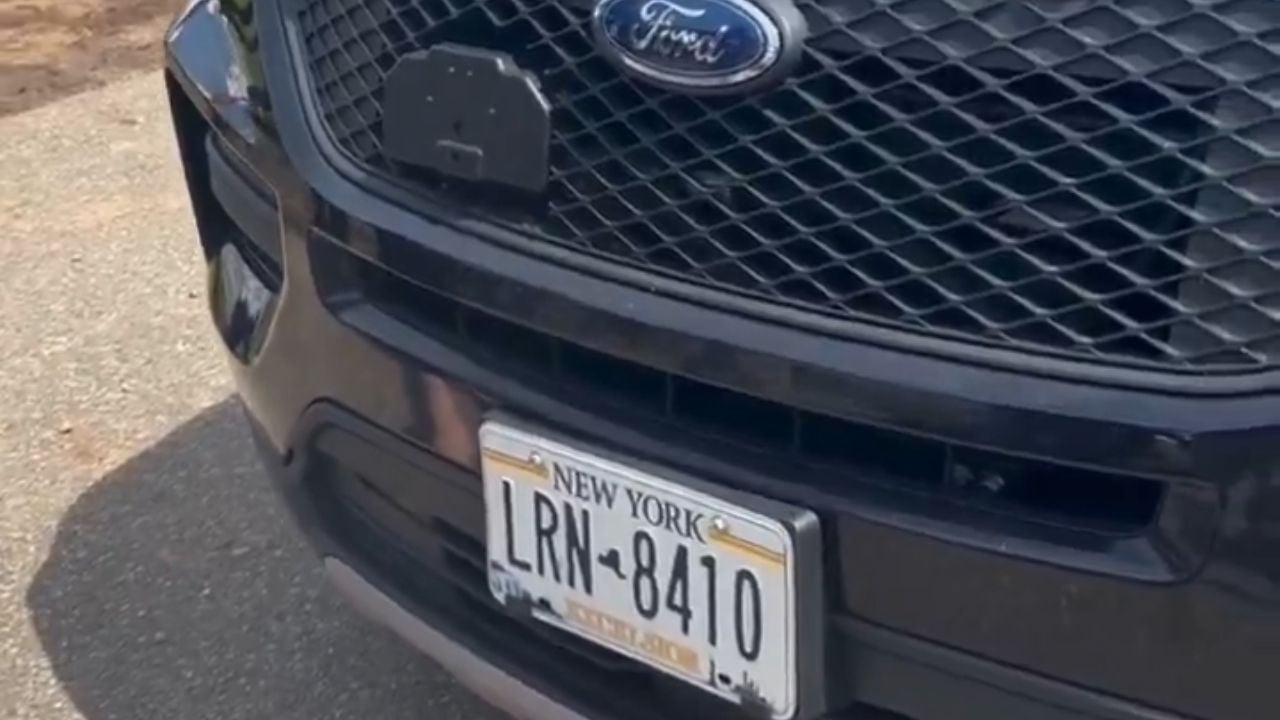
The dart is designed to be durable, difficult to remove, and effective across several car lengths. Once attached, it transmits precise location data, often accurate within a few meters, directly to dispatch systems. This allows officers to coordinate intercepts without the unpredictability of a chase.
Engineers continue to refine the system, improving adhesive compounds and projectile durability to ensure reliable performance in varying speeds and weather conditions. Even in dense traffic, officers can often secure a successful tag during brief line‑of‑sight opportunities.
Public Safety Benefits
Sheriff Toulon has highlighted the seasonal advantages of StarChase, particularly during warmer months when impaired driving tends to spike. By expanding deployment during these periods, Suffolk County aims to strengthen enforcement coverage while minimizing risk.
Deputies can disengage physically, relying instead on centralized monitoring software that integrates seamlessly with existing computer‑aided dispatch (CAD) and automatic vehicle location (AVL) systems.
This integration enhances situational awareness and allows for coordinated, controlled intercepts.
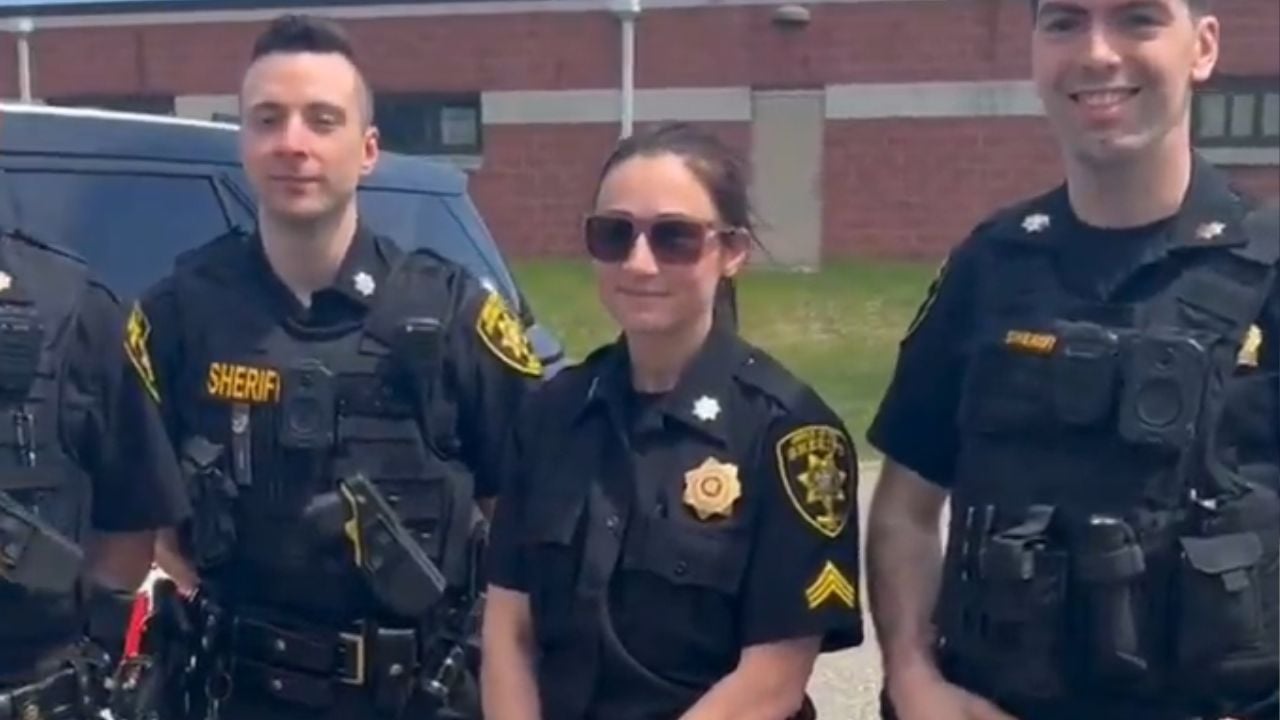
As with any new policing technology, StarChase raises questions. Civil liberties advocates have voiced concerns about projectile‑based tracking, warning of potential misuse or overreach. In response, many departments have established strict usage policies.
Supervisory approval is often required before a GPS dart can be deployed, and guidelines define the specific circumstances under which the system may be used. These safeguards aim to balance tactical advantage with accountability.
Broader Implications
The ripple effects of StarChase extend beyond law enforcement.
Automotive safety analysts have compared pursuit outcomes before and after deployment, consistently finding declines in injuries to both officers and bystanders.
Insurance industry observers are also paying attention, anticipating that fewer pursuit‑related collisions could influence underwriting models in urban regions historically burdened by high‑speed chase risks.
Meanwhile, suspects attempting to evade tracking by removing or disabling the device often find it difficult to detect or dislodge. This extends the tracking window, allowing officers to follow vehicles to final destinations such as residences or parking areas.
Shaping Public Perception
Public safety officials remain cautious about revealing too many operational details, balancing transparency with tactical advantage. Still, they confirm that StarChase aligns with departmental policies aimed at minimizing harm.
Communities have reacted with cautious optimism. The reduction in high‑speed chases not only improves safety but also changes public perception, reducing the spectacle of dangerous pursuits and reinforcing trust in law enforcement’s commitment to safety.
Sheriff Toulon is confident in StarChase’s long‑term role. He framed it as a scalable solution to modern policing challenges tied to vehicle‑related crime.
🚔 Suffolk County Sheriff’s Office deputies are using a new technology called StarChase that allows them to shoot a GPS tracking device onto the vehicles of suspects.
It’s a tool that can help cops avoid risky pursuits as they track suspects in stolen vehicles, or those believed… pic.twitter.com/XRSgaWonRq
— 1010 WINS on 92.3 FM (@1010WINS) April 23, 2026
Suffolk County’s early adoption positions it as a leader in this space, with plans to expand deployment based on field performance data collected during upcoming enforcement cycles.
The StarChase draw parallels with automated license plate readers and connected vehicle systems, envisioning a future where digital tracking complements physical policing without escalating roadside confrontations.