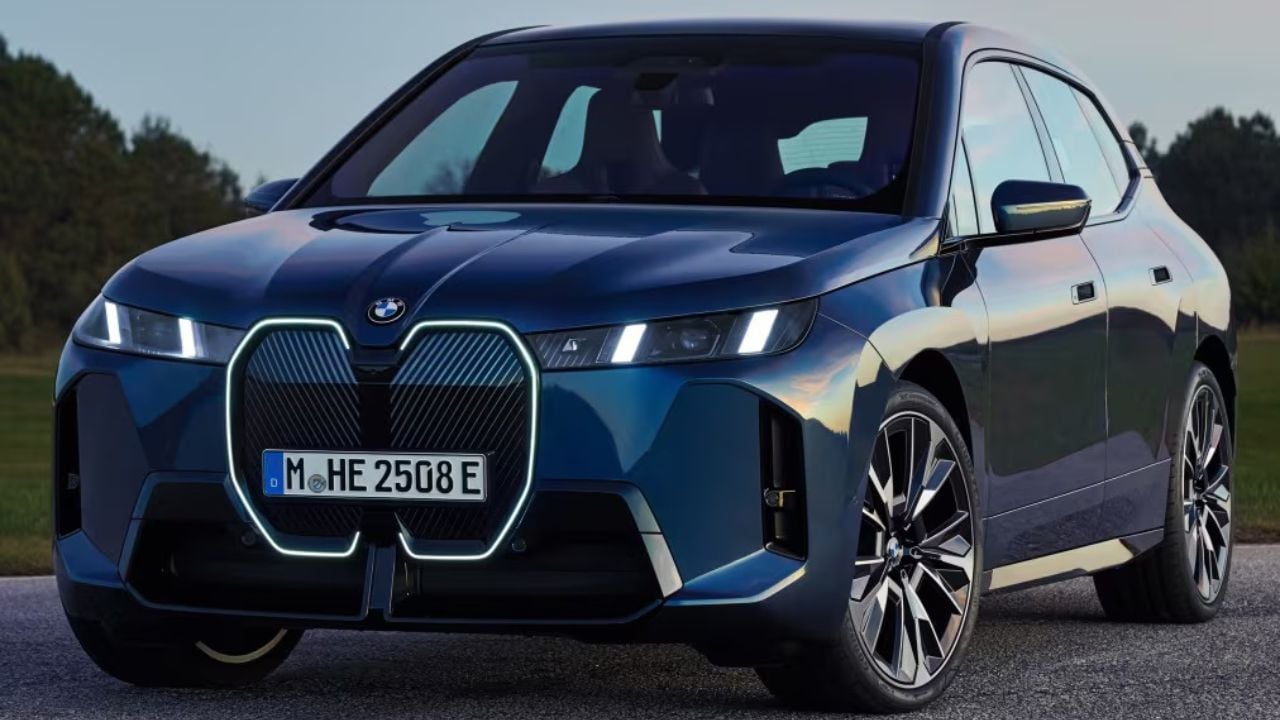
BMW’s year in the U.S. EV market was far from smooth. In 2025, the brand’s battery electric sales fell 16.7% to 42,484 vehicles, and the fourth quarter was even harsher, with BEV volume dropping 45.5% to 7,557 units.
That matters because BMW has been one of the more serious premium players in the American EV space, not a fringe participant still testing the water.
If the company hoped 2026 would bring a calmer start, the first quarter quickly pushed that idea aside. BMW’s own U.S. release says total electrified sales, meaning BEVs and plug-in hybrids combined, fell 50% year over year, while Cox Automotive estimates BMW’s BEV sales alone dropped 63.3% to 4,963 units.
That combination helps explain why BMW is now making sharper decisions about where its electric lineup goes next. The company is not stepping away from EVs, but it is clearly moving away from the first phase of its strategy and toward the Neue Klasse era.
The U.S. EV Slowdown Hit BMW Hard
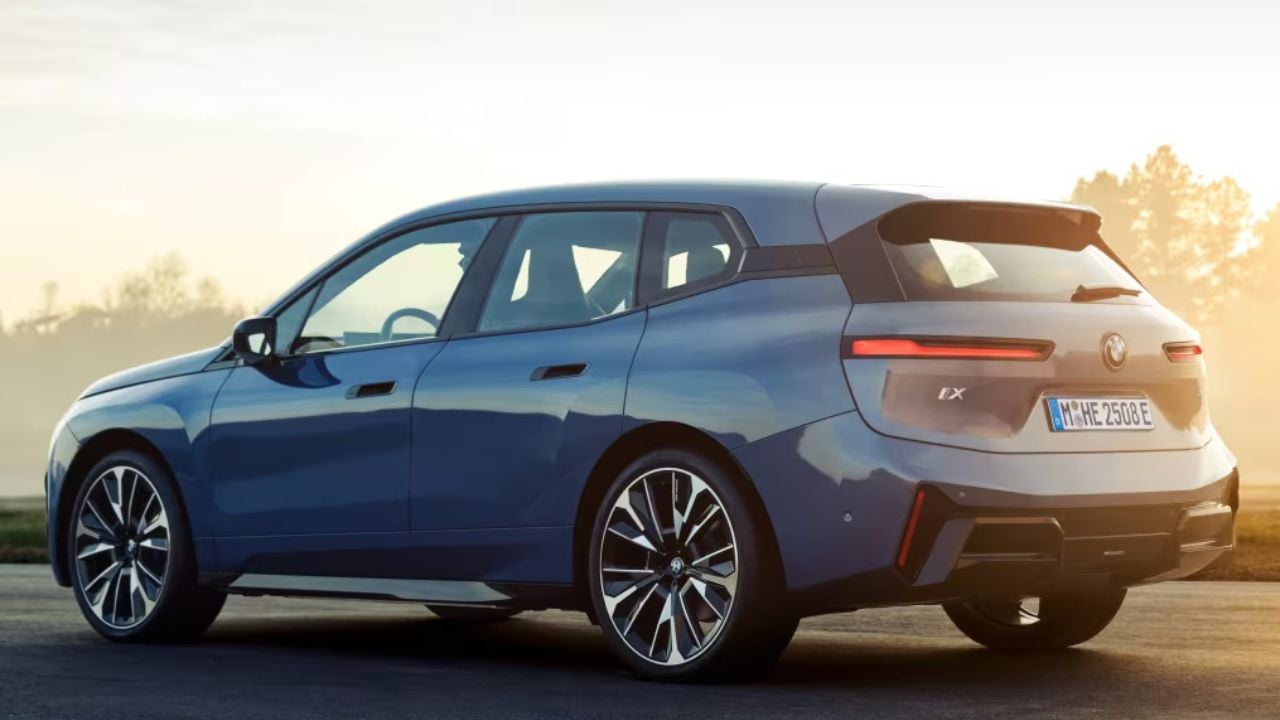
BMW’s 2025 U.S. sales report made the problem plain. BEV deliveries fell from 50,981 in 2024 to 42,484 in 2025, even as plug-in hybrids rose 30.7% and helped cushion the overall shift in buyer demand.
That split is important because it suggests American buyers did not simply turn away from electrification altogether. Many still wanted lower emissions and some electric driving, but a growing number appeared more comfortable choosing plug-in hybrids than going fully electric.
The opening months of 2026 only reinforced that message. BMW’s official first quarter release did not break out BEV sales separately, but it confirmed a 50% decline in electrified deliveries overall, and Cox Automotive’s estimate showed BMW’s U.S. EV sales falling by nearly two thirds.
Why The iX Is Heading Out
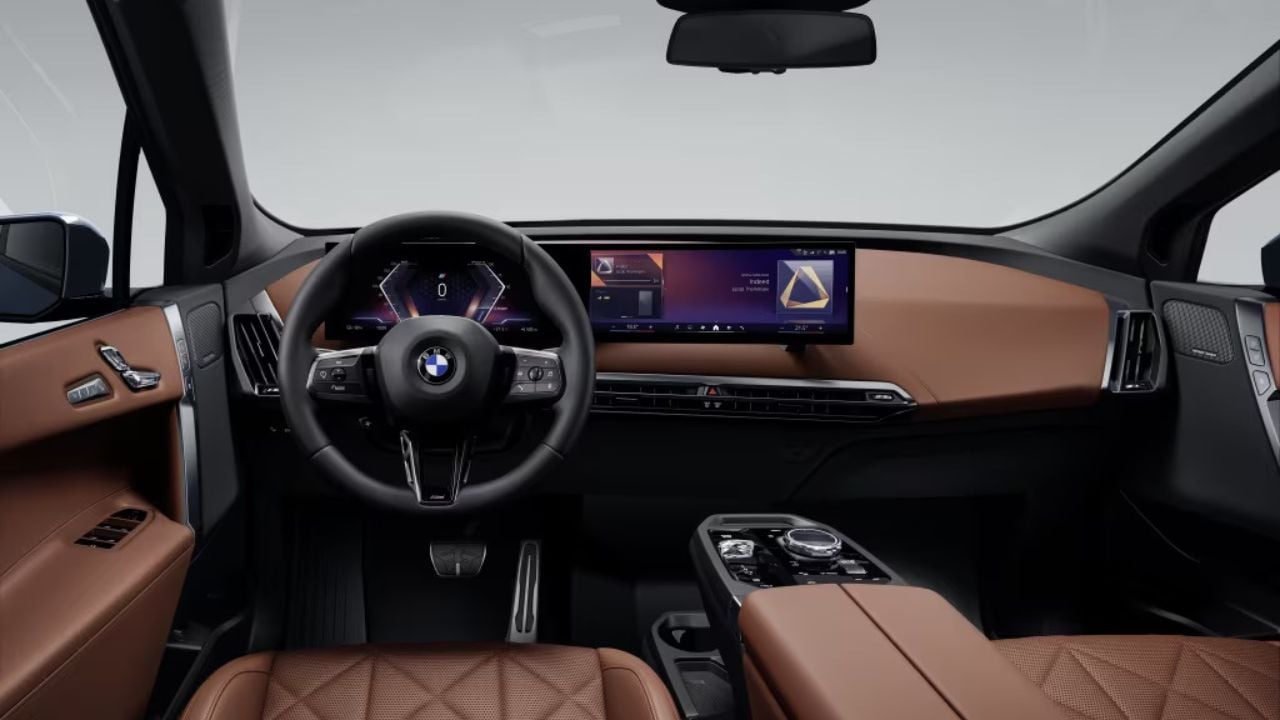
One of the clearest signs of that reset is the BMW iX. BMW has confirmed that U.S. allocation of the electric SUV is ending after the 2026 model year as the company prepares for its next generation of EVs.
That makes the move more strategic than emotional. The iX was an important technology flagship, but it never became a major sales pillar in America, and its U.S. volume fell from 15,383 units in 2024 to 12,587 in 2025, a decline of 18.2%.
BMW is not killing the model everywhere, though. The company says the iX will continue in other markets, even as its role in the United States winds down and attention shifts to what comes next.
Neue Klasse Changes The Plan
At the center of BMW’s next phase is Neue Klasse, the company’s major new EV architecture and technology push. BMW describes it as the redefinition of the brand’s next model generation, with new design language, 800-volt Gen6 eDrive hardware, faster charging, updated digital systems, and broader efficiency gains.
The first production model in that wave is the new iX3. BMW says it will be available in Germany and the United States at market launch in 2026, making it the true opening chapter of this new era for the brand.
BMW is also promising a major jump in capability. The company says the iX3 can offer up to 500 miles of range on the WLTP cycle in top form, plus charging speeds of up to 400 kW, though U.S. EPA figures have not been released yet.
A Different Electric Future
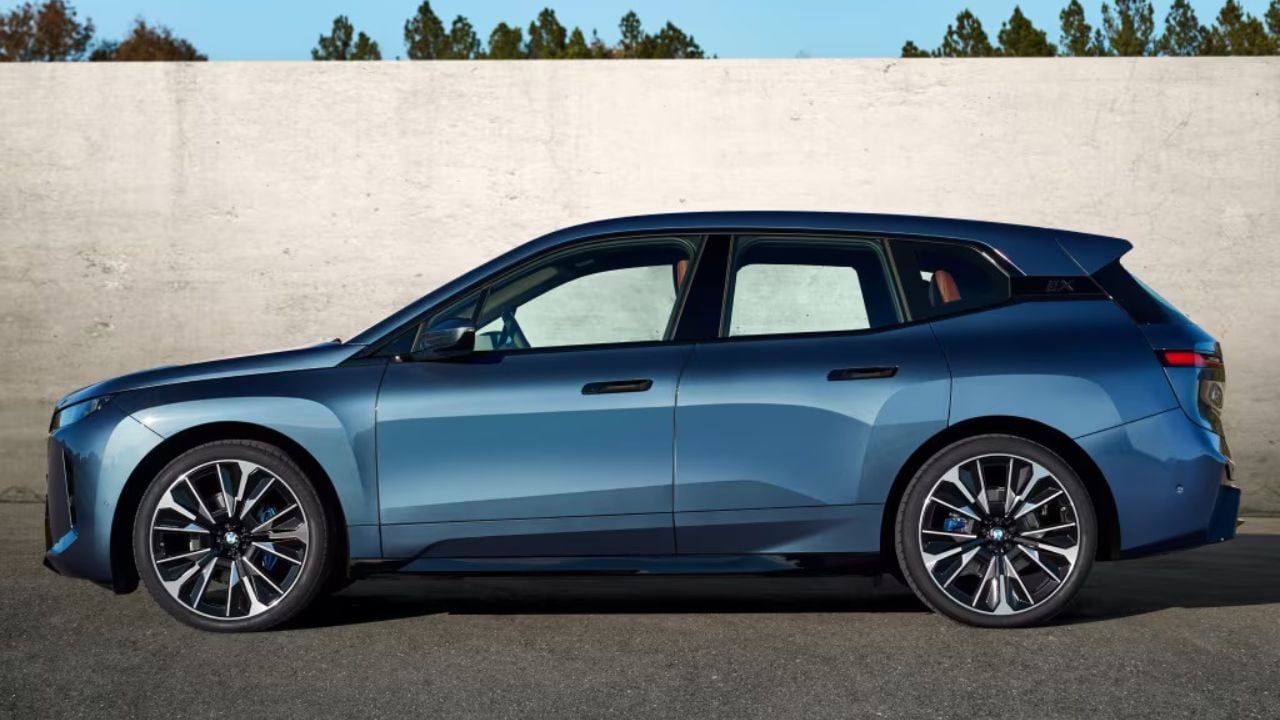
The iX3 is only the beginning. BMW says Neue Klasse technology will spread across the broader portfolio by the end of 2027, and the new i3 sedan has already been revealed as the second major model in that rollout.
That wider plan matters more than the loss of one nameplate. BMW is not abandoning EVs in the U.S. market, but it is making it clear that the first generation of its current electric lineup will not be the one that defines the next chapter.
So the iX’s exit from America should not be read as a retreat. It looks more like a line in the sand, one that separates BMW’s early EV experiment from a more focused, more advanced, and far more important generation of electric vehicles that the company hopes will land closer to what U.S. buyers actually want.
This article originally appeared on Autorepublika.com and has been republished with permission by Guessing Headlights. AI-assisted translation was used, followed by human editing and review.