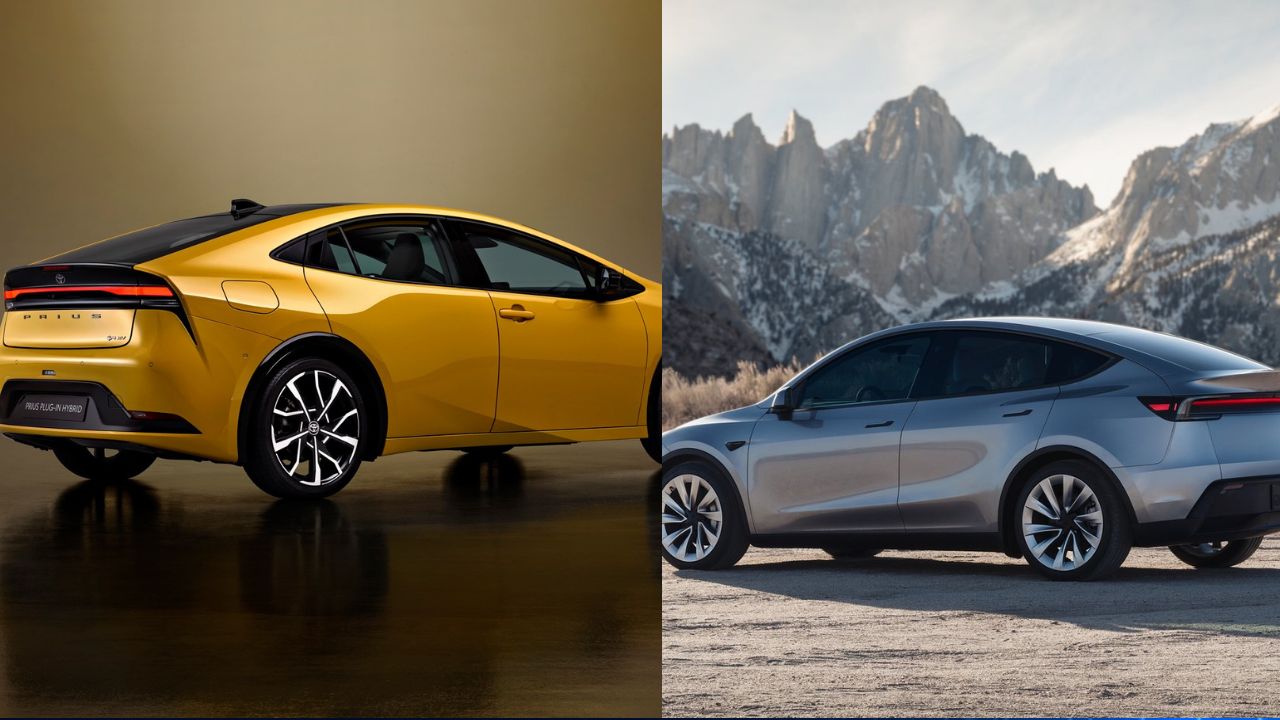

In the automotive world, there is often always a bad joke waiting to happen.
While Tesla owners wrestle with doors that won’t open in emergencies, Prius owners have been handed the exact opposite problem: doors that might open when you least want them to.
This is what peak early‑EV and hybrid era drama looks like.
Tesla’s Futuristic Flaws
Tesla’s sleek “hidden” door handles helped put the brand on the map. These flush handles were built to reduce wind resistance and create that futuristic look sci‑fi fans crave. Walk up to your Model 3 or Model Y, the handle pops out like a friendly robot hand waving at you, and you feel like you arrived from the future.
That romance is now bumping hard into reality.
Regulators and safety watchdogs are sounding alarms that these handles can fail during a crash or power loss, making it hard to exit or for rescuers to get you out.

In response, China’s automotive safety regulators just announced that any car sold there starting January 1, 2027, must use mechanical door handles that work even if all power is lost.
Electric only handles are out.
This change is meant to prevent situations where people are trapped because the door handle electronics fail in exactly the worst possible moment. Tesla and other EV makers are now being forced to rethink or redesign the very detail they believed would define the next generation of cars.
Some legal action in the U.S. is already highlighting crash scenarios where occupants could not open doors equipped this way. Flush door handles used to be cool and aerodynamic, but it now might be the design everyone looks back on and cringes at.
Toyota’s Ironic Recall
But while Tesla’s challenge is about failing when you need a door to open, Toyota’s current saga is about doors that might open when you really, really want them closed.
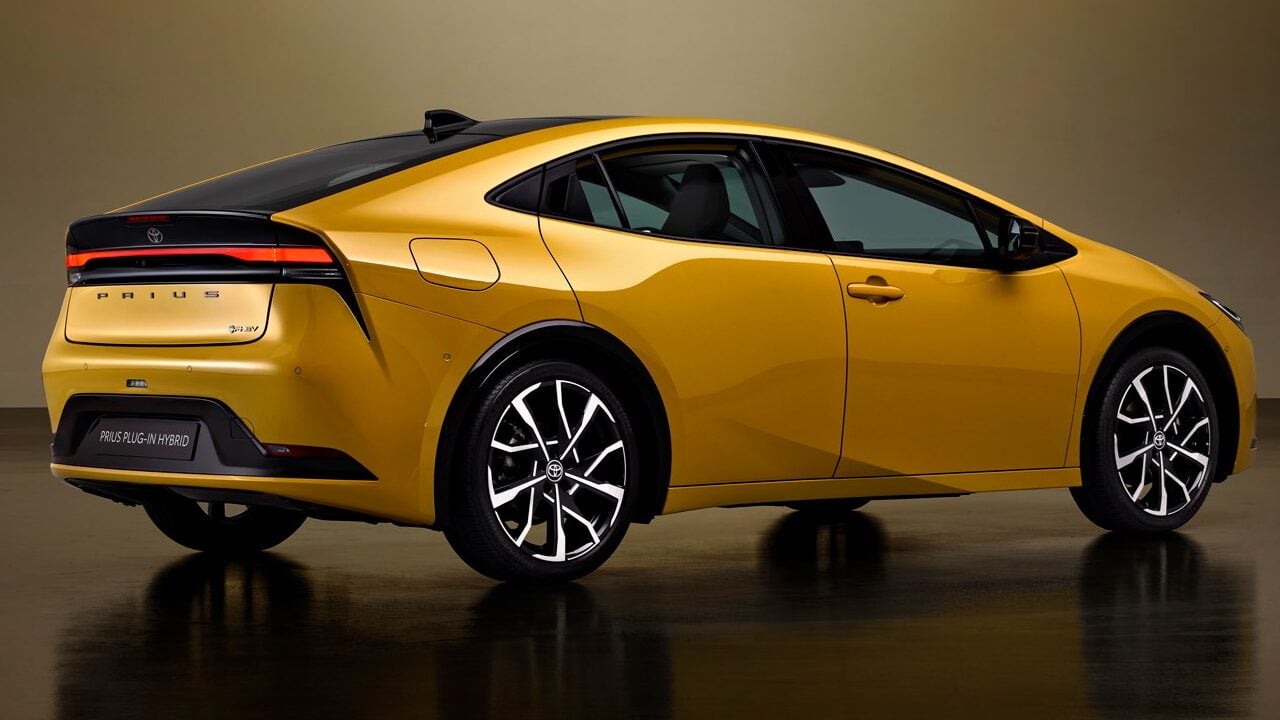
Toyota has just issued another safety recall for the fifth generation Prius because rear doors on some vehicles can unlatch and swing open while the car is moving.
It’s a stunning and ironic twist considering the Prius has been sold for decades based on the promise of reliability and peace of mind.
The culprit here is water intrusion into the electronic rear door switch circuitry which can cause a short circuit. If the door isn’t locked electronically, the latch can trigger on its own and open at highway speeds. The latest recall affects certain 2023 to 2026 model year Prius and Prius Prime vehicles and expands on earlier action Toyota took on this very issue.
Owners will be notified beginning around March 15, 2026, so dealers can modify the rear door switch circuits free of charge. Toyota recommends drivers activate automatic door locking until repairs are completed.
For drivers, the contrast couldn’t be starker. With Tesla’s electric door handles, you could find yourself in a serious situation where you cannot open the door of your own car.
For Prius owners, at least according to Toyota’s recall documents, the door might open of its own accord while the car is moving. Both scenarios underline a central truth: the devil is in the details when it comes to vehicle safety design, and neither extreme is immune from real world hazards.
A Shared Lesson
There is a deeper theme at work here too. The automotive industry has spent years chasing ever thinner margins of drag coefficient and pushing electronics into every system.

At first glance, it looks sleek and efficient. But hidden in those innovations are new failure modes most consumers never think about.
When electronics touch mechanical safety items like door handles or latches, the question shifts from how cool does this look to what happens when this thing stops working. Every hardware designer, safety engineer, and automotive executive now knows they must wrestle with that question head on.
Few innovations are worth their cost if they create unacceptable risks.
For Tesla, this has meant quashing a signature design feature that once symbolized the brand’s futuristic appeal, but it may not mind very much since the company appears on its way out from car manufacturing.
For Toyota, it means going back to fix a problem that probably seemed trivial until owners started asking why a rear door can open on its own highway speeds. The future of mobility won’t be slowed by recalls or bans.
Instead, these episodes will shape design standards for the next decade. The lesson is unambiguous. Cool has to be safe if it is going to win broad acceptance.
And if you are buying a car because it looks clever, check how those doors work before you absolutely, positively depend on them to save your life.