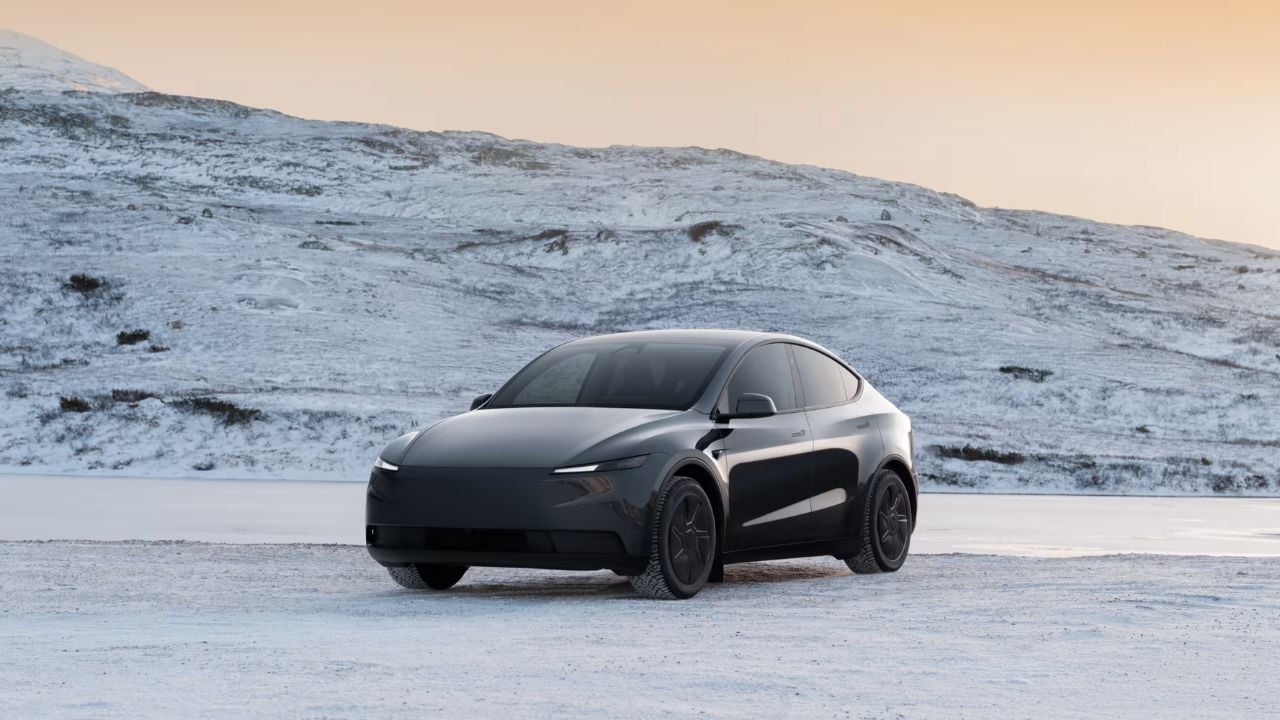
The Tesla Model Y has had a few years now to prove itself in the real world, and real owners are finally speaking up with the kind of honesty that no press release can replicate. As more drivers push past that 30,000 to 60,000 mile threshold, a clearer picture is forming about what it actually feels like to live with one of America’s best-selling electric vehicles long term. Some owners are practically evangelists. Others? Well, they have a few notes.
What makes this moment particularly interesting is that we are no longer talking about early adopters running on enthusiasm. The people weighing in now bought their vehicles during the 2020 and 2021 model years and have spent real time on real roads, dealing with real weather, real potholes, and the occasionally baffling experience of phantom braking. Their opinions carry weight precisely because they have earned them.
The broader EV market has also changed dramatically around the Model Y in this time. Legacy automakers have finally started delivering genuinely competitive alternatives. Hyundai, Ford, and Chevrolet have stepped up in ways that were not possible even two or three years ago, which means the Model Y now faces actual competition rather than just the vague promise of it. That competition has a way of sharpening what owners notice about their own vehicles.
So where does the Model Y actually stand after all these miles? The answer turns out to be more nuanced than either the fans or the critics would have you believe, and it comes down to a few specific categories that keep coming up in owner conversations across the country.
The “I Would Never Go Back to Gas” Camp Is Very Real
One of the most consistent themes among long-term Model Y owners is a genuine, almost visceral aversion to going back to internal combustion, according to Torque News. Owners who bought in 2020, when Tesla was still ironing out some production quirks, frequently describe those early vehicles as life-changing enough to make them permanent converts.
The reasoning makes a lot of sense when you think about it. A gasoline-powered car has hundreds of moving parts in the engine and transmission alone, each one a potential failure point that requires regular maintenance and eventually replacement. An electric drivetrain strips that complexity down dramatically. No oil changes, no transmission fluid, no timing belts. For many owners, the psychological relief of not having to think about all of that is worth as much as the fuel savings.
By 2026, that simplicity is paying off in very concrete ways. While drivers of traditional vehicles are navigating increasingly expensive repairs to emissions control systems and complex transmissions, a large share of 2020 and 2021 Model Y owners report that their biggest ongoing costs are cabin air filters and tires. That is a remarkably short maintenance list for a vehicle approaching 60,000 miles.
The Ride Quality Complaint Is Consistent and Legitimate
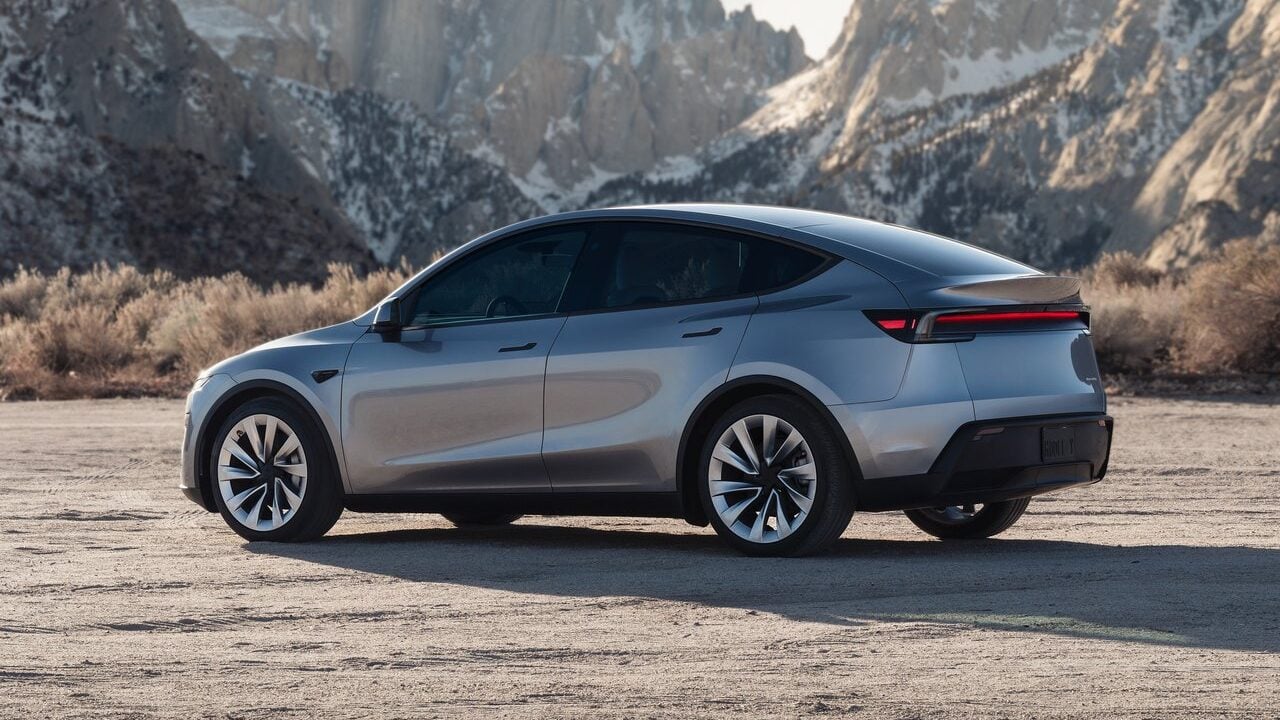
Here is where things get more complicated. A notable portion of long-term owners, particularly those with the Long Range variant from 2021, bring up the same issue: the ride is stiffer than it should be.
This is not a matter of personal preference so much as a deliberate engineering choice. Tesla tuned the Model Y’s suspension toward the sportier end of the spectrum, which means it handles well on smooth roads but can feel genuinely harsh on imperfect pavement. In much of the United States, imperfect pavement is simply the default condition of most roads.
The aftermarket has responded, with companies like Unplugged Performance and Mountain Pass Performance offering suspension upgrades specifically designed to give the Model Y more of the cushioned, compliant ride that many owners feel it should have offered from the factory. The fact that a cottage industry exists around this one specific complaint says something. Tesla did address some of this with the 2024 Juniper refresh, which brought a quieter cabin and other refinements, but owners of earlier models are largely on their own.
What This Tells Us About Buying an EV in 2026
There is a broader lesson buried in these owner reviews, and it is worth naming directly. Buying the first or second generation of any new vehicle platform involves tradeoffs that only become obvious in hindsight.
The 2020 and 2021 Model Y owners who are happy today mostly accepted those tradeoffs knowingly or got lucky that the things they cared about most happened to be what Tesla got right: the powertrain, the software, the Supercharger network, and the overall cost of ownership. The ones who wish they had chosen differently tend to be the owners who prioritized daily comfort and found the suspension frustrating, or who wanted a truck and discovered that the Cybertruck is a very specific aesthetic vision that is not for everyone.
The practical takeaway for anyone buying an EV today is to identify your own non-negotiables before you shop. Ride quality, cargo space, towing capacity, interior refinement, and charging network reliability are all categories where different vehicles make different tradeoffs. Knowing which ones matter to you most is the best protection against buyer’s remorse at 40,000 miles.
The Competition Has Finally Arrived, and Owners Know It
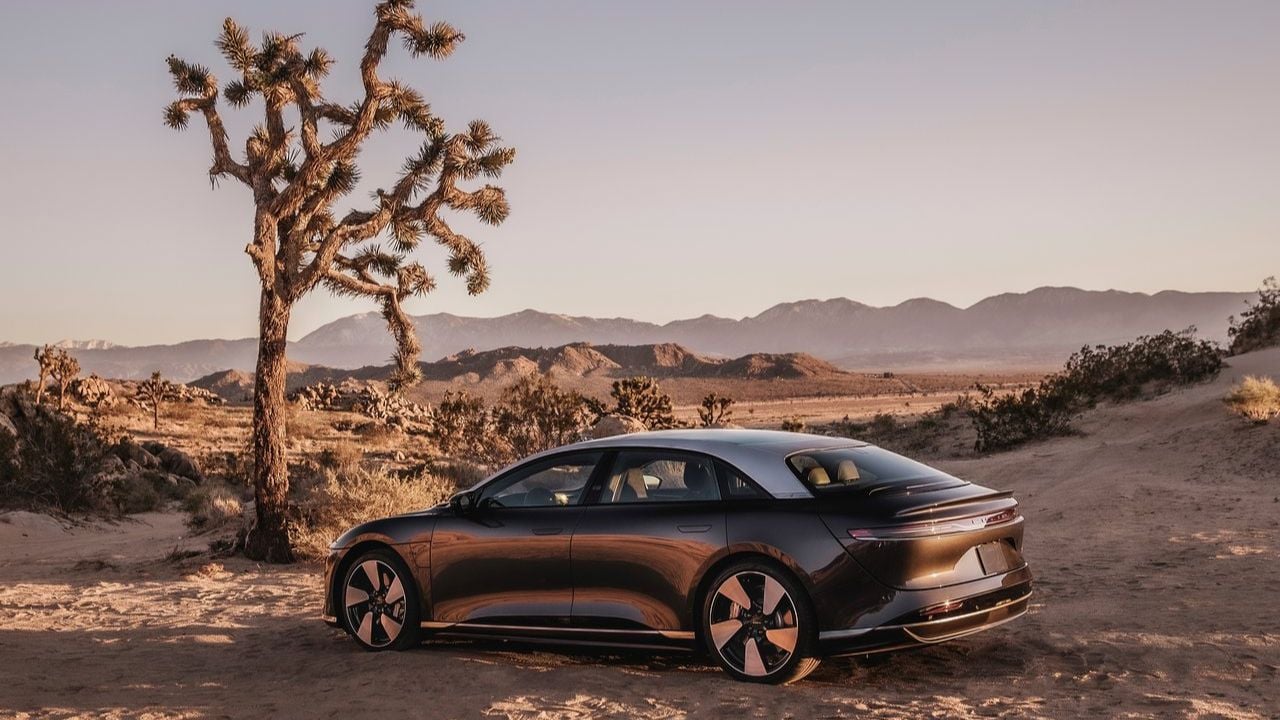
Perhaps the most telling detail in long-term owner conversations is how often alternatives come up. A few years ago, talking about switching from a Model Y to a Hyundai Ioniq 5 or a Ford F-150 Lightning would have felt like a hypothetical. Today, it is a genuine consideration.
The discontinued F-150 Lightning and Chevrolet Silverado EV are particularly compelling for owners who want electric performance in a traditional truck body, something the Cybertruck specifically does not offer for a significant portion of buyers. Those trucks also tend to offer longer wheelbases and softer suspension tuning, which addresses the ride quality complaints that surface repeatedly in Model Y discussions.
None of this means the Model Y has lost its edge. Its Supercharger network advantage remains real, its software update cadence is still unmatched by most competitors, and the overall cost of ownership calculation still comes out favorably for most buyers. But for the first time, the question “would you buy it again?” is getting genuinely mixed answers, and that is a sign of a maturing market more than a failing product.