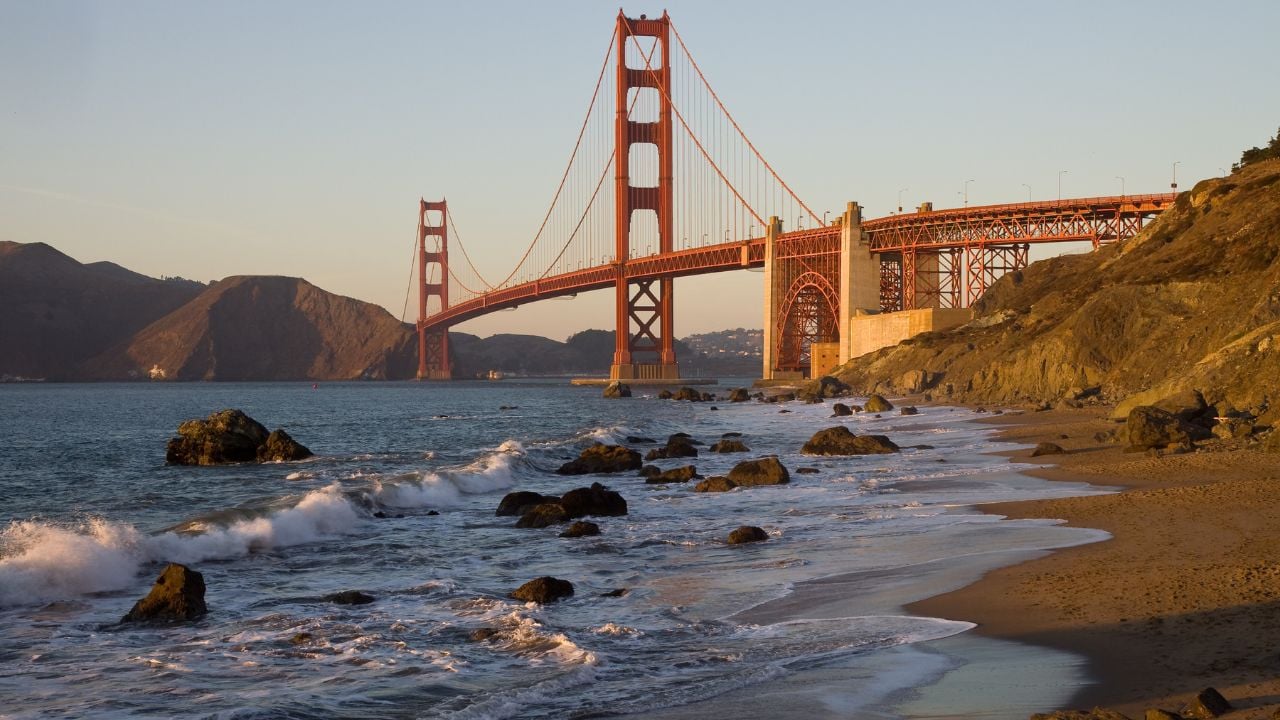
Think you know all the rules of the road? Sure, we’ve all memorized the basics from driver’s ed: red means stop, green means go, don’t text and drive. But the United States is home to some driving laws that’ll make you do a double-take when you see a cop in your rearview mirror.
From hugging bans to snowplow distance requirements, states have gotten creative with their traffic codes. Surprisingly enough, these are active, on-the-books regulations that can land you with a real ticket today. Whether they’re addressing modern safety concerns or handling oddly specific situations, these laws prove that driving in America is full of surprises.
Let’s take a road trip through some of the most unexpected traffic rules you might encounter across the country.
Washington: No Hugging While Driving

Here’s one for the romantics: Washington state law (RCW 46.61.665) prohibits a driver from embracing another person while operating a vehicle on a public highway if it prevents the free and unhampered operation of the vehicle.
The law states it’s unlawful to have another person in your embrace if it “prevents the free and unhampered operation” of the vehicle. What makes this particularly serious is that violating this law is considered prima facie evidence of reckless driving, meaning the hug itself can be used as proof you were driving recklessly.
Because the statute makes this conduct prima facie evidence of reckless driving, an officer can treat a hug that interferes with vehicle control as a basis for a reckless driving charge. In Washington, reckless driving is a gross misdemeanor that can carry up to 364 days in jail, a fine up to $5,000, and a license suspension.
So if you’ve got exciting news to share with your passenger, maybe wait until you’ve pulled over…
Michigan: Keep 200 Feet From Snowplows

Michigan’s winter driving just got a lot more specific with a law enacted in July 2024 requiring drivers to maintain at least 200 feet, about 13 car lengths, behind active snowplows.
When a snowplow is stopped at an intersection, you need to keep at least 20 feet away. The law applies specifically when plows are actively removing snow and ice on behalf of the state, county, or municipality with their lights operating.
Violators face up to a $100 fine, though officers have discretion to issue warnings. This isn’t just bureaucratic overreach, at 55 miles per hour, it takes over 200 feet to stop safely on snowy roads, and snowplows create massive snow clouds that can completely obscure visibility.
The law was backed by the Michigan County Road Commission after 20 crashes involving snowplows in 2021 and 19 in 2022, proving that winter driving requires more than just knowing how to handle black ice.
Kentucky: Motorcycles Can Run Red Lights (Under Specific Conditions)

Kentucky has a law that sounds like every motorcyclist’s dream, but it comes with strict conditions.
Since 2015, Kentucky has allowed a motorcycle or moped to proceed through a steady red light only after the rider comes to a complete stop and waits at least 120 seconds or until the signal completes at least two full cycles without giving the rider a green indication. The rider may proceed only if the way is clear and the signal appears to be malfunctioning or failing to detect the motorcycle or moped.
This law addresses a real problem where older traffic sensors embedded in the pavement don’t detect motorcycles because they lack the metal mass of a car. The law essentially gives bikers a legal workaround when they’d otherwise be stuck waiting indefinitely at a light that will never turn green.
It’s a practical solution that recognizes the limitations of traffic infrastructure, though you’ll definitely want to exercise caution, explaining this to an officer requires proving the light wasn’t working properly.
California: No Parking Within 20 Feet of Crosswalks

California’s Daylighting Law (Assembly Bill 413), which took effect January 1, 2025, prohibits stopping, standing, or parking within 20 feet of a marked or unmarked crosswalk at an intersection on the approach side of the crosswalk. On one-way streets, the restriction can apply on both sides of the crosswalk.
This applies statewide and aims to improve pedestrian visibility and reduce accidents at intersections by ensuring drivers have a clear line of sight. Cities across California are working to add signage and paint curbs red to help drivers comply, though officials admit it’s unlikely every curb will be marked before full enforcement.
The law addresses a genuine safety concern where parked cars create blind spots that lead to pedestrian accidents. While it might make finding parking in San Francisco even more challenging, the goal is to prevent those heart-stopping moments when a pedestrian suddenly appears from behind a parked SUV.
This is one of those laws where the reasoning is solid even if the parking situation gets trickier. And you’ll need to know it if you ever want to explore some of Route 66’s most iconic stops.
Connecticut: Don’t Startle the Horses

Connecticut statute 14-293b takes horse protection seriously: no driver “in the vicinity of an equestrian and horse may blow a horn or cause loud or unusual noises, in a manner to startle or frighten the horse.”
Drivers must slow down or stop if necessary to avoid endangering the rider or frightening the horse. This law recognizes that a startled 1,200-pound animal can create dangerous situations for riders, drivers, and pedestrians alike.
It’s particularly relevant in Connecticut’s rural areas where horseback riding remains popular and sharing roads is common. While most drivers wouldn’t intentionally spook a horse, this actively enforced law provides legal recourse when someone’s impatience or poor judgment creates a hazardous situation.
Think of it as the equestrian equivalent of the move-over law, give space and stay calm around animals that can’t distinguish between a friendly honk and a threat.
Illinois: Child Support and Roadkill Don’t Mix
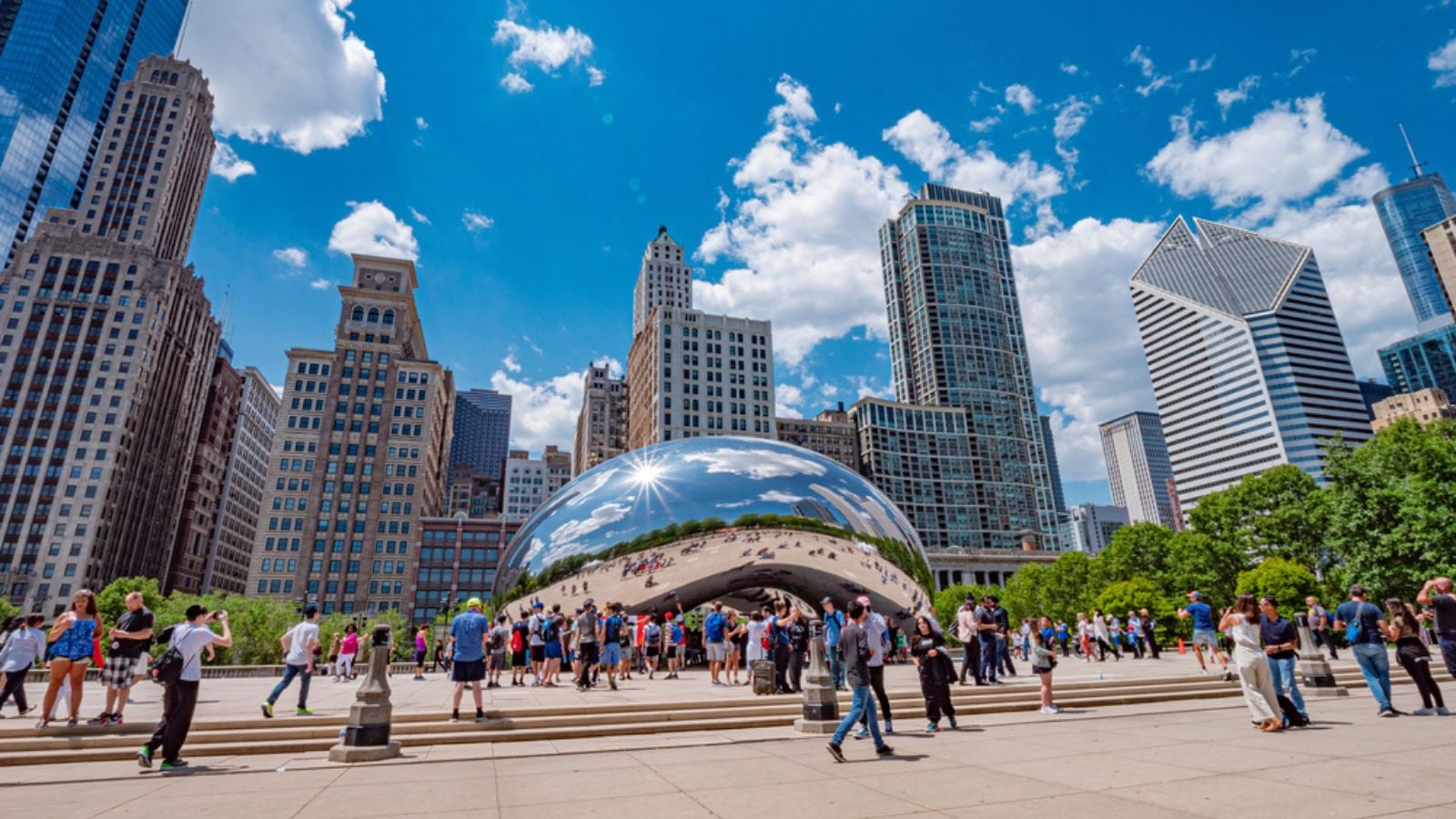
Illinois has one of the strangest intersections of family law and traffic regulations you’ll ever encounter.
A 2010 law states that “only citizens of the State of Illinois who are not delinquent in child support may possess or transport whitetail deer that have been killed as a result of a collision with a motor vehicle.” That’s right: if you’re behind on child support payments, you can’t legally keep that deer you just hit with your car.
There’s no limit to the number of roadkill deer one driver can collect otherwise, but the child support requirement is absolute. The law also applies to residents who have had their “wildlife privileges” suspended in any state. While it might seem like an odd place to enforce child support compliance, Illinois is serious about both wildlife management and parental responsibilities.
It’s probably not the deterrent that convinced someone to pay up, but it’s definitely one of the more creative enforcement mechanisms out there.
Delaware: No Changing Clothes in Your Car on Fenwick Island

Planning a beach day on Delaware’s beautiful Fenwick Island? Better change into your swimsuit before you leave home.
A local law makes it illegal to change clothes inside your car on the island, apparently because too many visitors were using their vehicles as impromptu changing rooms. This law targets the common practice of people arriving at the beach in street clothes and then stripping down to swimwear in their cars.
While it might seem like harmless behavior in a parked vehicle, island officials felt strongly enough about it to codify the prohibition. The law probably stems from concerns about public decency and the visual impact on a family-friendly beach destination. So if you’re heading to Fenwick Island’s beautiful beaches, plan ahead with your wardrobe, the bathroom facilities exist for a reason.
It’s one of those hyperlocal laws that makes you wonder what specific incident prompted officials to take action.
Minnesota: Lane Splitting and Filtering Now Legal
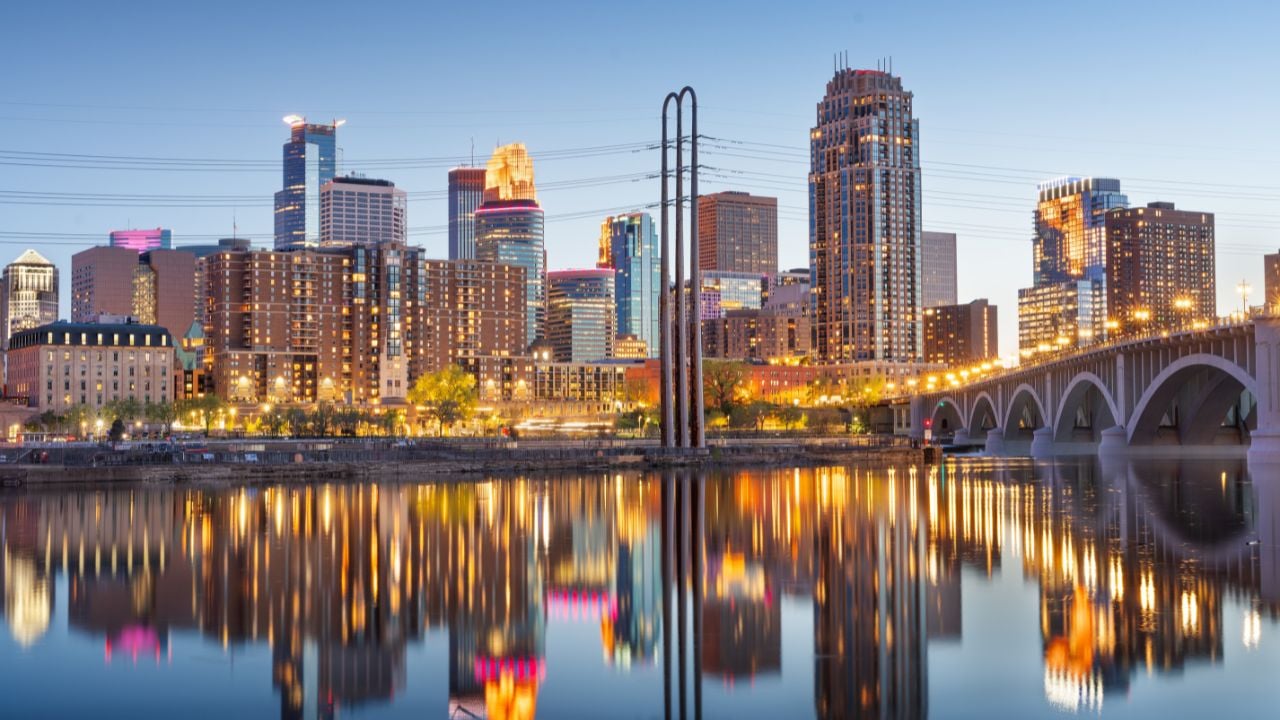
Minnesota made history for motorcyclists starting July 1, 2025, by legalizing both lane splitting and lane filtering.
This means motorcyclists can legally navigate between lanes of stopped or slow-moving traffic under certain conditions outlined by the state Department of Public Safety. Minnesota joined Colorado (which legalized lane filtering in 2024) as one of the few states embracing this practice that’s common in many other countries.
The law recognizes that motorcycles have different capabilities and safety considerations than cars, particularly in congested traffic. For riders, it means being able to move through traffic jams legally rather than sitting and overheating in gridlock.
The state has specific rules and limits about when and where this is permitted, so riders need to familiarize themselves with the Department of Public Safety’s guidelines before they start weaving through traffic on I-94.
Florida: Swamp Buggies on Public Roads (With Permission)
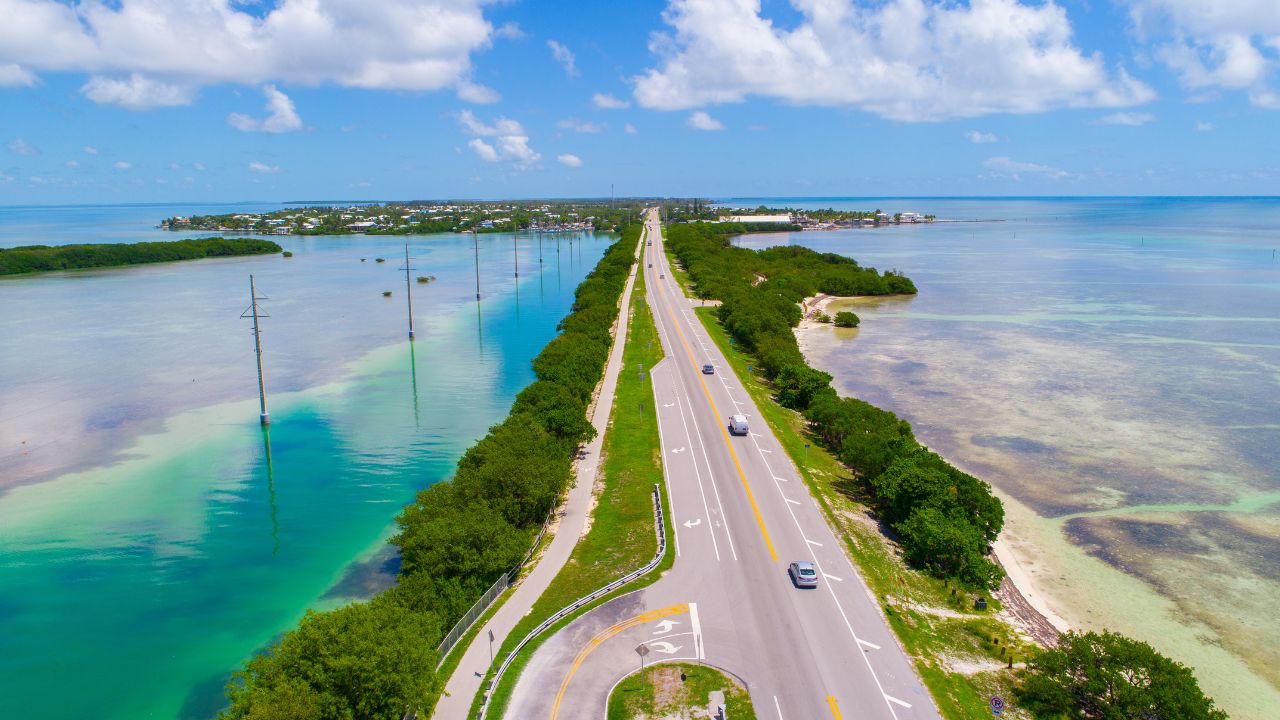
Only in Florida would you need a law specifically addressing whether you can drive a swamp buggy on public roads.
Florida law permits driving these specialized off-road vehicles on streets and roads, but only if the local government has designated that specific road for swamp buggy use. These unique vehicles, built for navigating the Everglades and other wetlands, aren’t your typical street-legal transportation.
The law reflects Florida’s unique geography and culture, where swamp buggies are legitimate working vehicles for some communities rather than just recreational toys. It’s a practical accommodation for residents in areas where these vehicles make more sense than traditional cars for getting around. You won’t see swamp buggies cruising down Ocean Drive in Miami Beach, but in certain rural parts of the state, this law provides necessary flexibility.
It’s also a reminder that Florida’s diverse landscape requires equally diverse transportation solutions.
Montana: Day and Night Speed Limits Differ
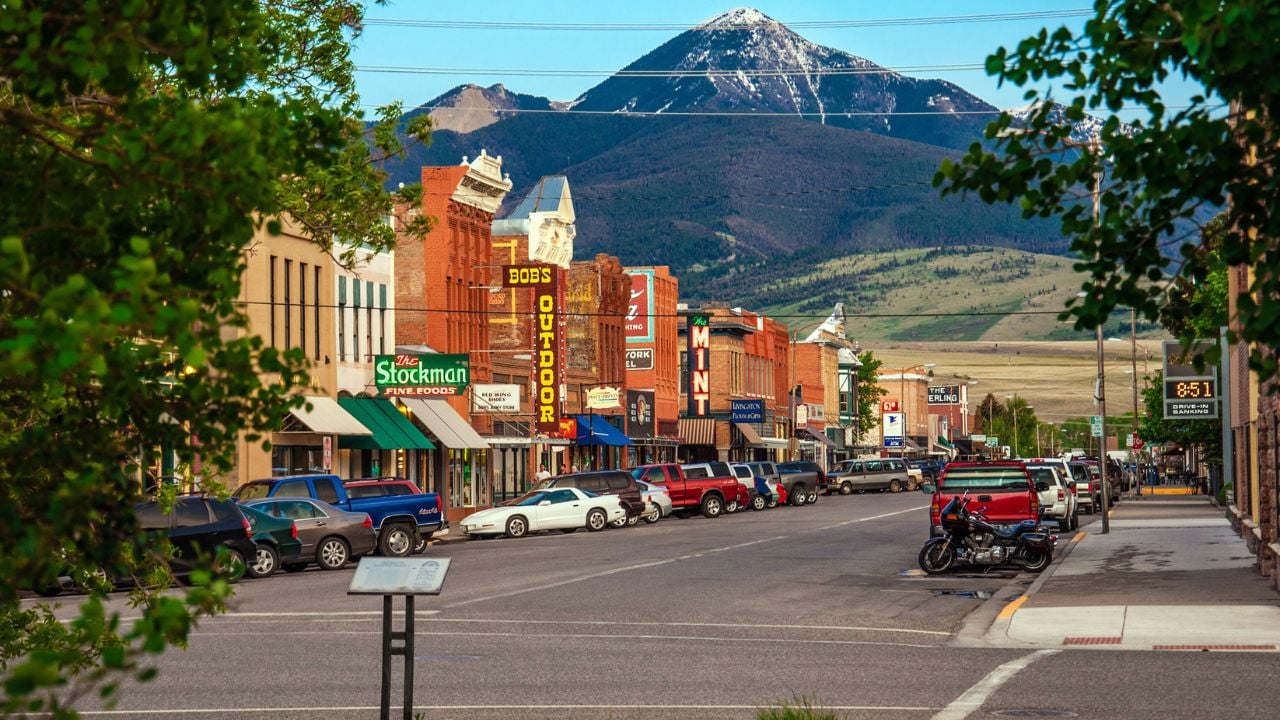
Montana maintains different speed limits depending on the time of day on certain highways, a practice that dates back decades and reflects the state’s unique driving conditions.
On non-interstate highways, the daytime limit is 70 mph while nighttime driving is restricted to 65 mph, recognizing the additional hazards of reduced visibility and wildlife activity after dark. The state has also raised Interstate speed limits in certain areas to 80 mph, making Montana home to some of the highest legal speeds in the nation, though Interstate segments within urban areas such as Billings are posted at 65 mph.
Montana’s system also differentiates between passenger vehicles, trucks, and light trucks, meaning drivers need to pay close attention to posted signs rather than assuming a one-size-fits-all limit. The logic makes sense when you consider Montana’s vast, remote highways where conditions can differ dramatically between noon and midnight, you might go an hour without seeing another car during the day, while a Montana winter night can create vastly different driving conditions.
It’s a system that recognizes the realities of driving through Big Sky Country, where distance and darkness both demand respect.
Mississippi: Everyone Buckles Up, Even in Truck Beds

Mississippi law requires the driver, the front-seat passenger, and children under seven years old to wear a properly fastened seat belt, regardless of which seat the child occupies.
Seat belt violations carry a maximum fine of $25, and the citation is not written as a separate $25 fine per unbuckled passenger. This law addresses the reality that pickup trucks are used differently in many parts of Mississippi than in urban areas, where riding in a truck bed is both common and culturally accepted for work and transportation.
The state decided that safety requirements needed to extend to these situations where seat belts are available, even if they’re less conventional than typical passenger seating. It’s a practical safety measure that recognizes how vehicles are actually used in rural America while trying to reduce injuries from crashes and sudden stops.
The law strikes a balance between Mississippi’s truck culture and modern safety standards, requiring protection when the equipment is available.
Alaska: No Turn Signals Required in Roundabouts
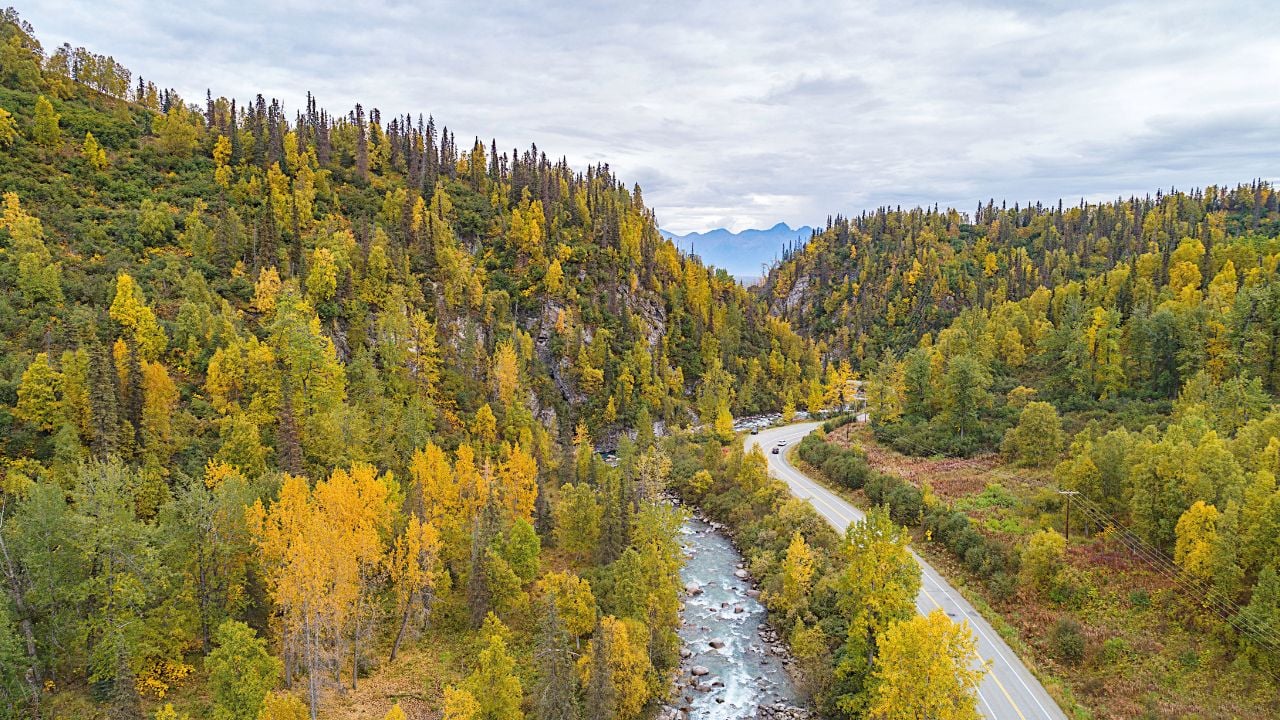
Alaska’s traffic laws include an interesting quirk that confuses many drivers: you’re not actually required to use turn signals when navigating through roundabouts.
A 2015 Alaska Court of Appeals ruling clarified that while the Department of Transportation suggests signaling when exiting a roundabout, there’s no legal requirement to do so under state law. This doesn’t mean drivers should ignore their turn signals entirely, it’s still recommended for safety and courtesy, but officers won’t pull you over specifically for failing to signal in a roundabout.
Alaska does not have a statewide hands-free requirement for voice calls, but it does prohibit texting and certain screen use while driving. Some local jurisdictions may have stricter rules, so it is worth checking local ordinances where you are driving.
These laws reflect Alaska’s pragmatic approach to road safety in a state where a breakdown or accident can quickly become life-threatening due to isolation and harsh conditions.
Conclusion
American driving laws prove that every state has its own philosophy about what makes roads safer and communities better. Some of these regulations address genuine safety concerns with creative solutions, while others tackle problems so specific you have to wonder about the backstory.
What they all share is active enforcement, these aren’t relics gathering dust in legal archives but real rules that can affect your license, wallet, and insurance rates today. The next time you cross state lines, it’s worth remembering that traffic laws can vary as much as the landscapes you’re driving through.
Whether it’s giving snowplows space in Michigan or keeping your hands to yourself in Washington, these laws reflect local values, geographic realities, and lessons learned from past incidents. Road trips have never been just about the destination, now they’re also about navigating America’s wonderfully weird patchwork of traffic regulations.