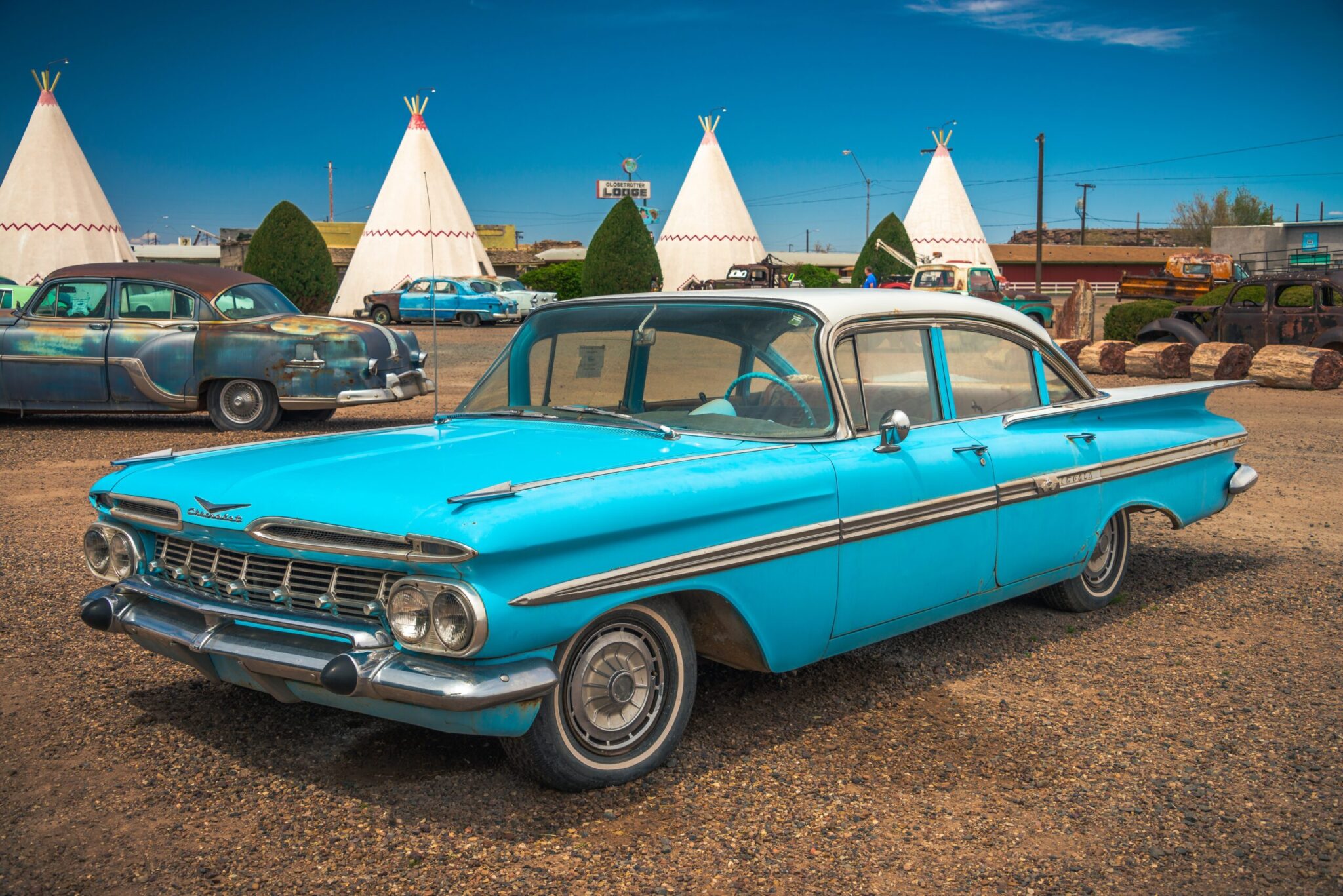
Few drives capture the imagination quite like Route 66. It is a journey through history, culture, and the open-road spirit that helped define America’s love affair with the automobile.
For drivers, travelers, and car enthusiasts alike, Route 66 is a bucket-list experience. Nowhere is that legacy more vivid than in California, where the final miles of the Mother Road wind through desert towns, mid-century motels, and nostalgic roadside landmarks before reaching the Pacific Ocean.
California’s stretch of Route 66 tells the story of how travel, migration, and car culture shaped the state itself, from the Dust Bowl migrations to the rise of hot rods and the golden age of family road trips.
Let’s take a look at some of the best historic Route 66 stops and nearby heritage side trips across California, the perfect blend of vintage Americana, open-road adventure, and timeless car culture.
How We Chose These Stops
Having lived in California for many years, I’ve explored much of what this state offers road trippers, from coastal drives to mountain passes, but few routes capture the spirit of the open road quite like Route 66.
First commissioned in 1926 to connect Chicago to Los Angeles, Route 66 quickly became more than a transportation project. During the Dust Bowl era of the 1930s, more than 200,000 migrants/refugees journeyed west along the migration route, seeking opportunity and reshaping California’s culture and economy. By the 1950s, it had evolved into the country’s most iconic road, a pathway to Disneyland, surf towns, and the booming hot rod scene that defined Southern California’s automotive identity.
Though the Interstate Highway System eventually led to Route 66’s official decommissioning in 1985, California helped spearhead its revival as a historic and cultural landmark. Today, the route serves as both a nostalgic pilgrimage and a living museum of American travel history, where the past and present meet in diners, motels, and roadside landmarks that still celebrate the freedom of the road.
The stops featured here reflect a mix of personal experience and historical significance. They include some of the best traditional Route 66 landmarks, restored attractions that honor its legacy, and a few heritage side stops. These nearby destinations may not sit directly on the original route, but capture the same timeless blend of adventure, nostalgia, and creativity that make Route 66 so enduring.
Together, they represent some of the best of what California’s stretch of the Mother Road still has to offer, part history, part culture, and entirely unforgettable.
Roy’s Motel and Cafe, Amboy
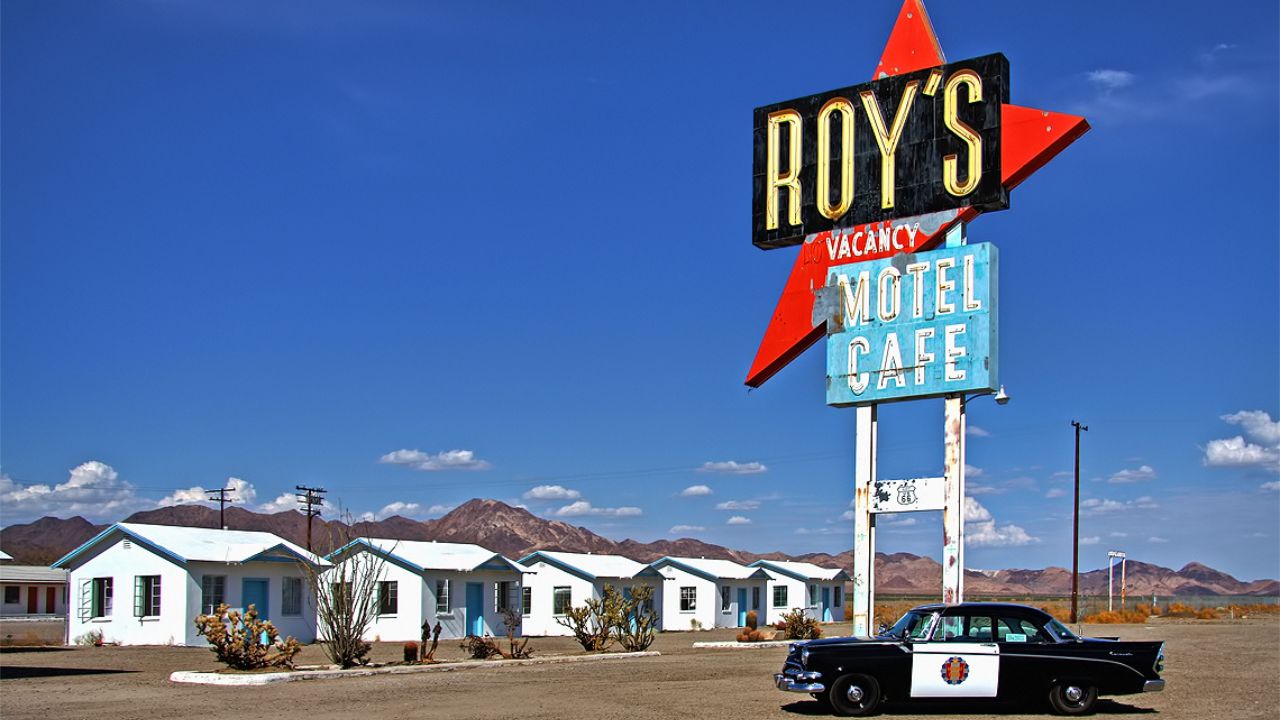
Roy’s is the poster child for “if you’re gonna be a roadside icon, commit to the bit completely.” This place has died and been resurrected more times than a Lucas electrical system, but each comeback has been better than the last. The recent restoration is so good that it makes you believe in the power of passionate people who refuse to let cool things disappear forever.
The gas pumps are cleaner than your engine (don’t lie), and that neon sign doesn’t just light up the desert, it lights up something in your soul that remembers when road trips were adventures, not GPS-guided marathons. Sure, you’ll share it with Instagram influencers and German tourists, but guess what? They’re here for the same reason you are, this place is genuinely special.
The gift shop sells Route 66-branded everything, and honestly, some of it’s actually pretty cool. That $30 keychain might be made in China, but it’ll remind you of the day you stood in the middle of nowhere and felt connected to something bigger than yourself.
You’ll stay longer than you planned and leave with more photos than you expected. It’s destination material disguised as a pit stop.
Wigwam Motel, San Bernardino
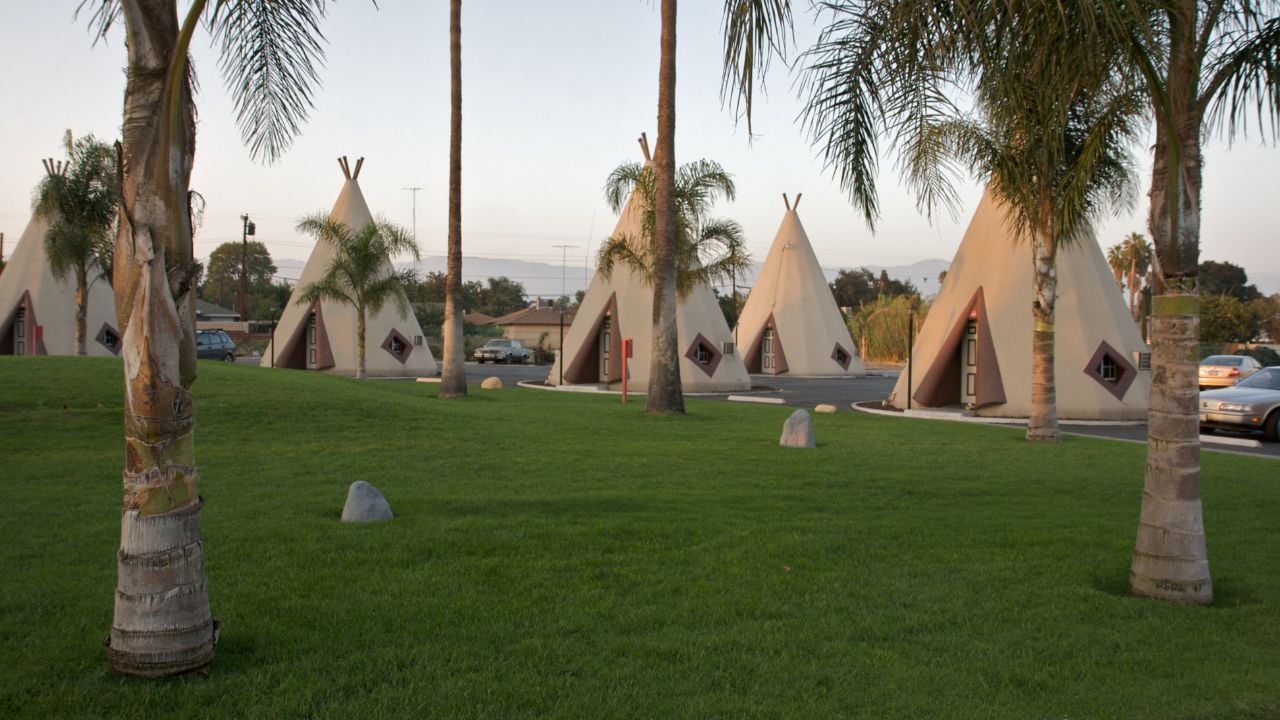
Finally, a place that commits to the bit so hard it wraps around from silly to absolutely brilliant. These are more than themed rooms, they’re full-blown concrete wigwams that somehow manage to be both wonderfully kitschy and legitimately architectural achievements. Built in 1949 when Americans thought the future would be atomic-powered and awesome, these things have survived everything California could throw at them.
Each wigwam sleeps two adults comfortably, assuming those adults appreciate vintage air conditioning and bathrooms that encourage intimacy through sheer proximity. But here’s the magic: the novelty never wears off. You’ll wake up grinning like an idiot because you just slept in a giant concrete hat, and that’s precisely the kind of joy the world needs more of.
The parking lot is car show heaven. Every enthusiast with taste stops here for photos, creating an impromptu cruise-in that includes everything from pristine ’32 Fords to modern muscle cars whose owners understand what cool really means. The motel’s been featured in more movies than a Ford Mustang, which tells you everything about its staying power.
Actually, stay here. It’s weird enough to be unforgettable and comfortable enough that you’ll sleep like a baby in your concrete teepee.
Elmer’s Bottle Tree Ranch, Oro Grande
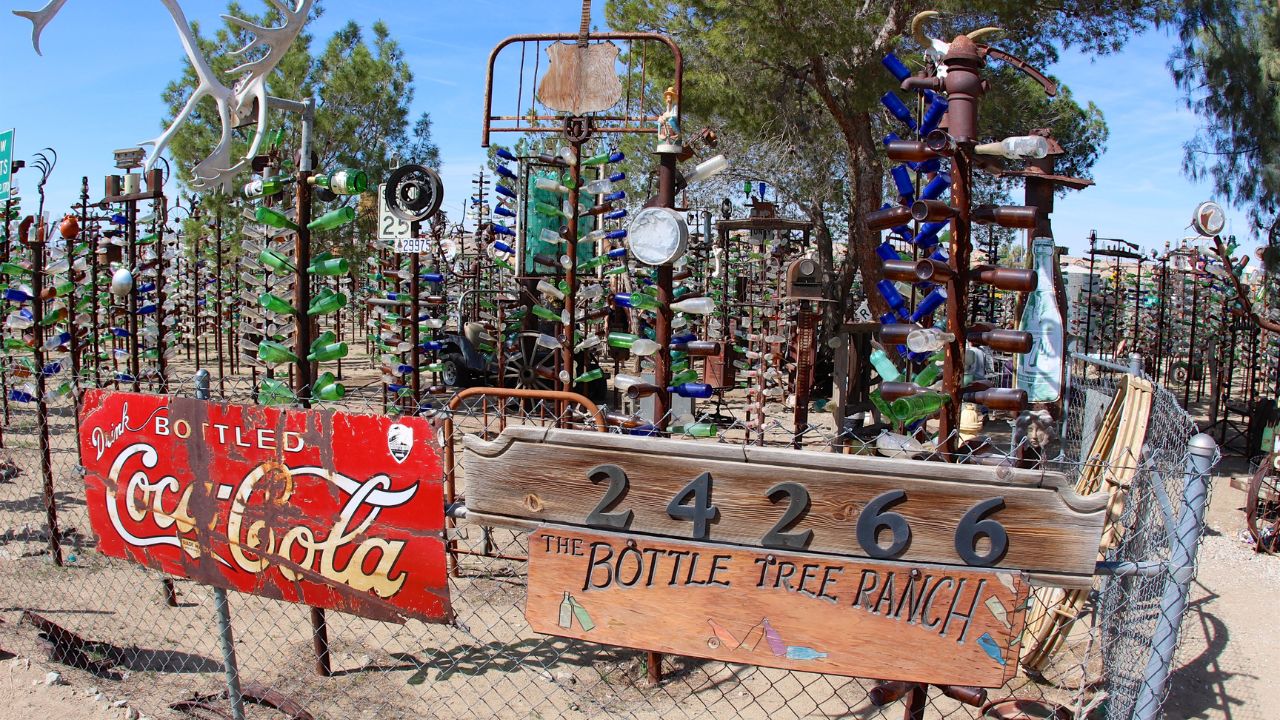
This is what happens when a retired welder gets passionate about turning discarded materials into something beautiful. Elmer Long collected thousands of bottles and created a forest of glass trees in the middle of the Mojave Desert, and the result is either brilliant folk art or proof that one person’s vision can literally reshape the landscape.
The bottle trees sing in the wind, and I mean literally make music. The glass creates this haunting, beautiful whistling that’s deeply spiritual and unique. It’s free to visit, which automatically makes it better than 90% of tourist attractions, but you’ll want to leave something in the donation box because this place deserves support.
Elmer passed away in 2019, but his family keeps the ranch going because they understand they’re the guardians of something irreplaceable. The man spent decades creating this place, bottle by bottle, and every tree tells a story about persistence, creativity, and the American belief that anyone can build something amazing.
The ranch is surrounded by vintage car parts and machinery that have become part of the art. It’s like a museum of mechanical evolution, where rust and glass create beauty together.
Calico Ghost Town, Yermo
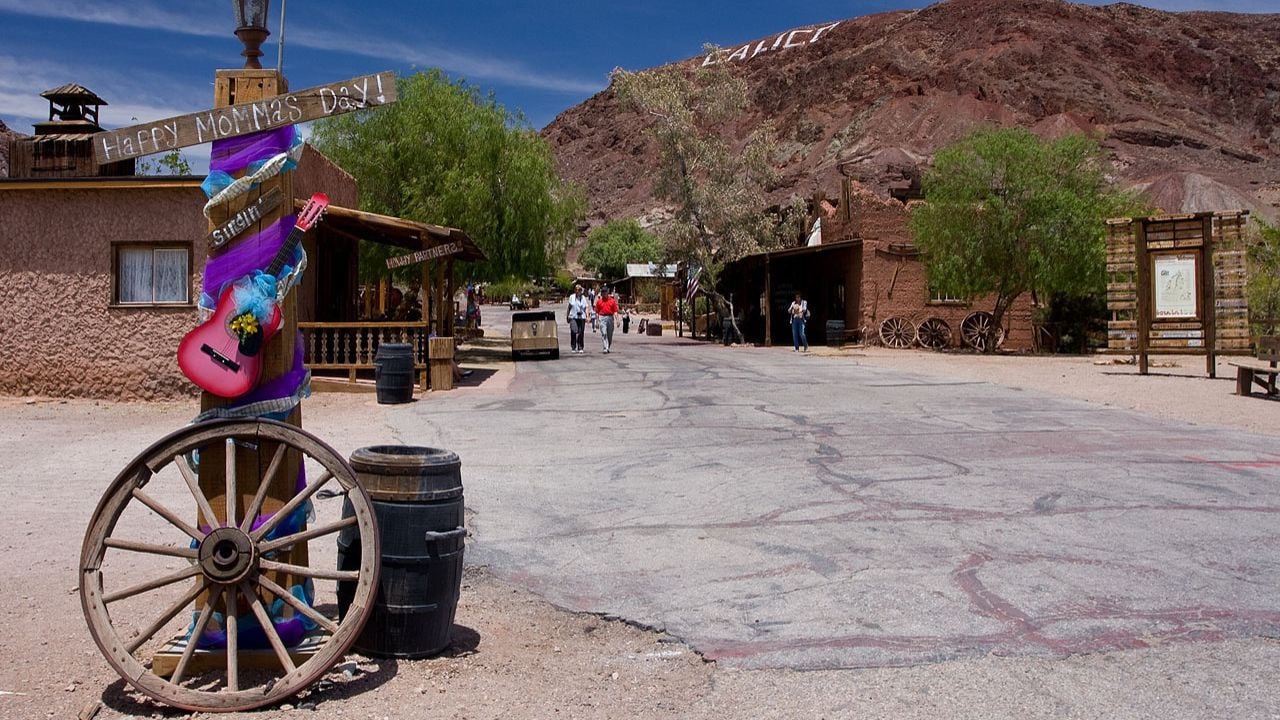
Calico Ghost Town isn’t technically on Route 66, but it’s only a short detour, just a few miles north of the historic highway near Barstow, and absolutely worth the side trip. This former silver mining town boomed in the 1880s, declined and was largely deserted in the early 1900s, and was later rescued by Walter Knott (of Knott’s Berry Farm fame) in the 1950s, who rebuilt it as a living piece of Old West nostalgia.
Walter Knott restored Calico in the 1950s, rebuilding most of the town; only about five buildings were original, with the rest restored or reconstructed to match the 1880s look. The daily gunfight shows are cheerfully over-the-top, the mine tours are genuinely fascinating, and the narrow-gauge railroad delivers the Western movie fantasy you secretly wanted as a kid.
Sure, the gift shops have their share of fool’s gold and rubber tomahawks, but there are also intriguing historical souvenirs and artifacts. After dark, Calico takes on a surprisingly eerie atmosphere, a reminder that this was once a real town filled with people chasing silver dreams through dust and hardship.
The parking lot is gravel and desert dust, so don’t fight it, wear that patina like a badge of honor.
Route 66 Mother Road Museum, Barstow
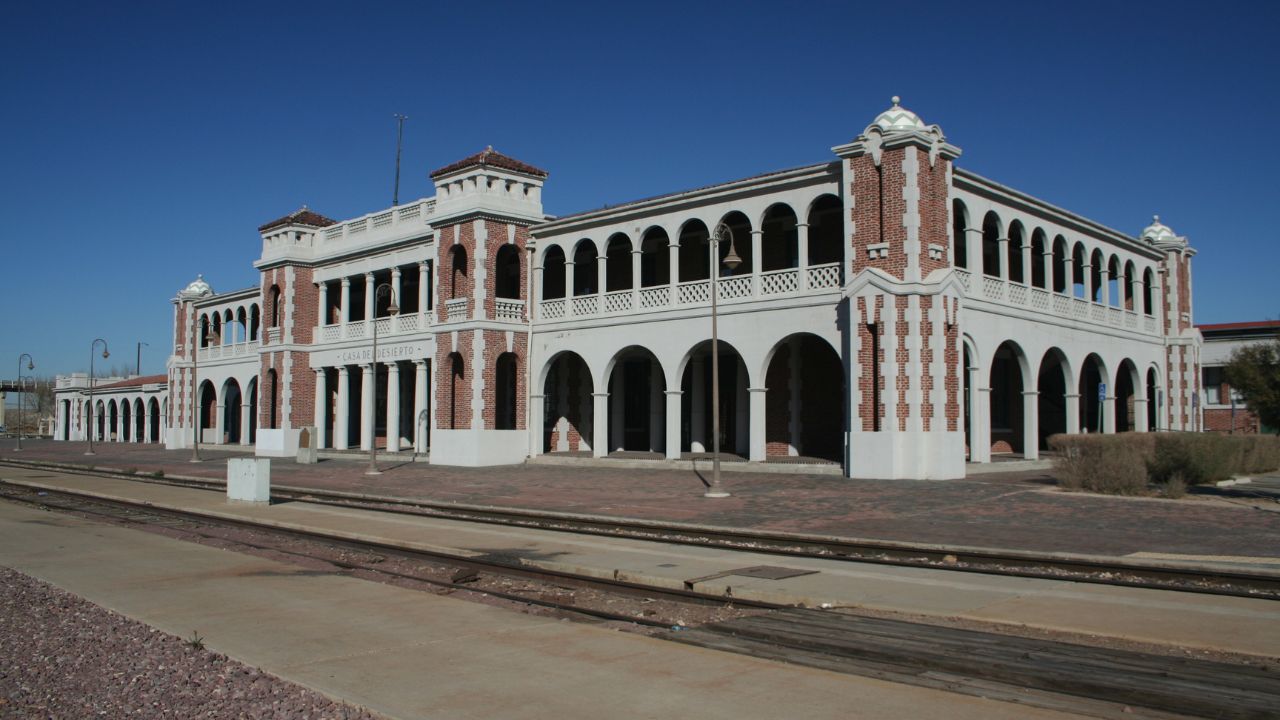
Housed in a beautiful 1911 railroad depot that looks like it was built by people who believed in the power of good design, this museum treats Route 66 with the respect it deserves. The exhibits are professionally curated and genuinely fascinating, covering everything from the road’s construction to its cultural impact on America.
You’ll see vintage gas station signs, period postcards, and enough automotive memorabilia to make any car enthusiast happy. The displays tell the real story of how Route 66 shaped American car culture, back when a cross-country road trip required planning, courage, and a reliable mechanic.
The museum volunteers are walking encyclopedias who genuinely love sharing Route 66 history. Ask them about the road’s heyday and get ready for stories that bring the past to life. It’s like having your coolest uncle explain the golden age of American motoring.
The trains still run right outside, adding authentic transportation sounds to your history lesson. It’s the perfect soundtrack for contemplating how America moved from rails to roads.
Cucamonga Service Station, Rancho Cucamonga
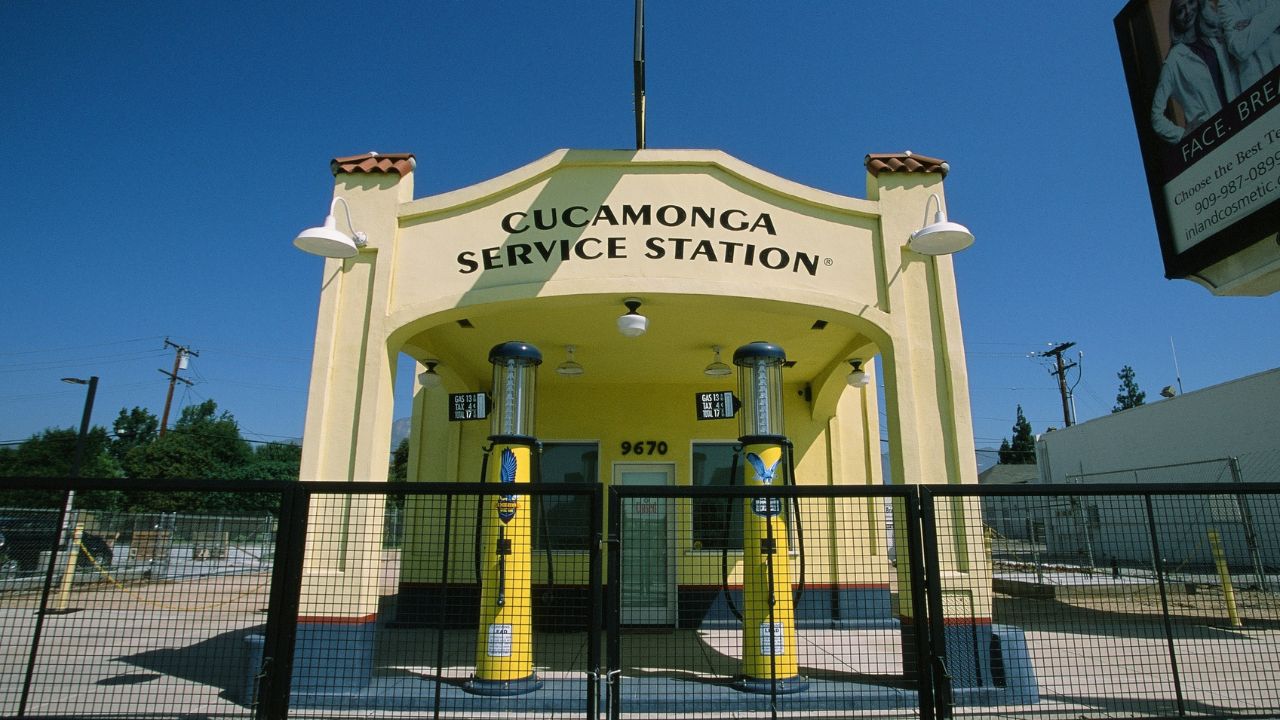
This place proves that with enough care and attention, you can bring automotive history back to life in spectacular fashion. The Cucamonga Service Station received a restoration so thorough and accurate that it looks better now than it did when it was often dated to 1915. The red and white paint job is so perfect that it makes modern gas stations look like they’re not even trying.
Inside, you’ll find vintage oil cans, period-correct signage, and the kind of attention to detail that would make Jay Leno weep with joy. This is what every classic car owner dreams their garage could look like: perfectly organized, historically accurate, and clean enough to perform surgery. And almost clean enough for your car.
The station hosts regular car shows and events that turn the parking lot into a rolling museum of American automotive excellence. It’s the kind of place where a $200,000 restored Shelby Cobra parks next to a lovingly maintained ’72 Nova, and both owners appreciate each other’s dedication to keeping history alive.
It’s not a working gas station anymore, but it’s open for tours and events. It’s a legitimate destination that celebrates automotive history the right way.
Santa Monica Pier, Santa Monica
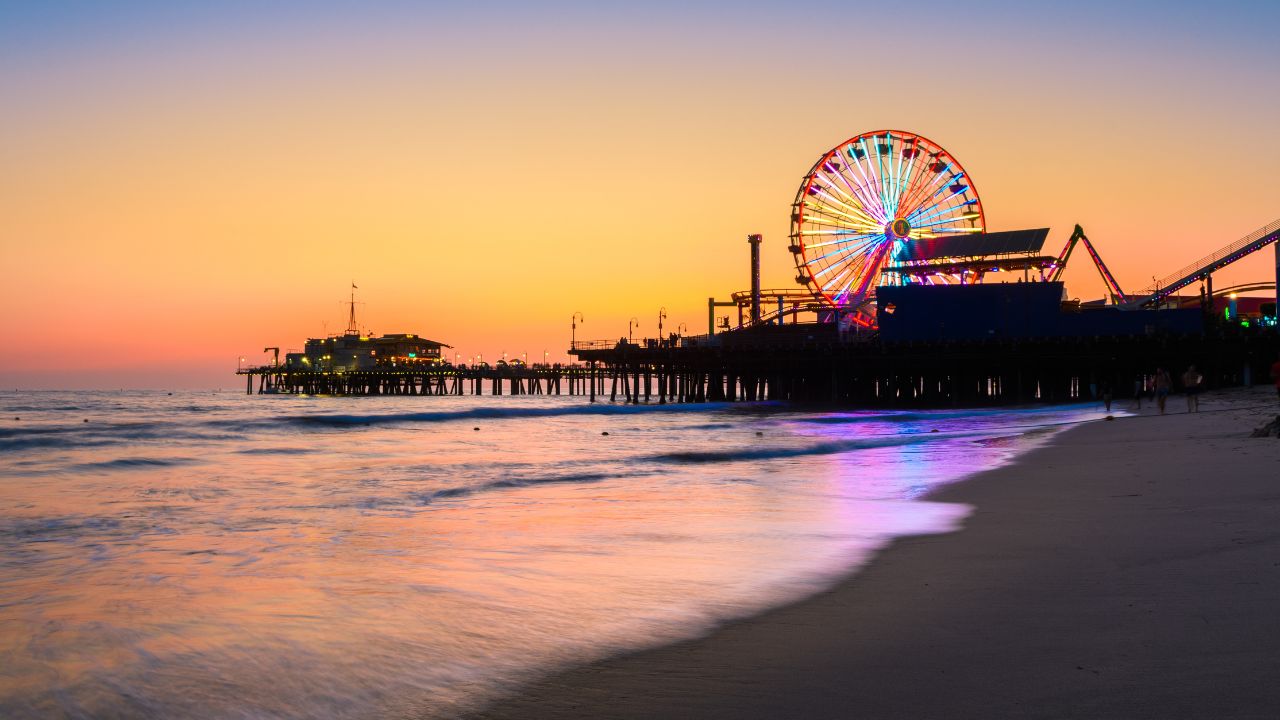
This is it, the symbolic/spiritual western terminus of Route 66, where the Mother Road reaches the Pacific Ocean and declares victory. Historically, the legal/official terminus is widely cited at Lincoln and Olympic in Santa Monica, while the pier sign is a tourism-era marker (installed in 2009). The pier itself is a glorious chaos of tourist attractions, classic carnival rides, and street performers who actually add to the atmosphere rather than detract from it. I’ll admit that it’s not for me, although it’s quite beautiful when it’s lit up at night with waves crashing around it.
But here’s why it works so perfectly: Standing at the end of Route 66, watching the sunset over the Pacific while roller coaster screams mix with classic car engines, you understand what the whole journey was about. This is where America’s great road trip fantasy reaches its ideal conclusion, in a celebration of fun, freedom, and the belief that the journey matters as much as the destination.
The Route 66 “End of Trail” sign is Instagram famous for good reason: it marks the completion of something meaningful. Sure, you’ll wait behind other people taking photos, but that’s part of the shared experience of completing an American pilgrimage.
Parking costs what you’d expect in Santa Monica, but there are reasonable options a few blocks away. The walk gives you time to appreciate that you just drove across the country on America’s most famous highway.
Bottle House at Knotts Berry Farm – Buena Park
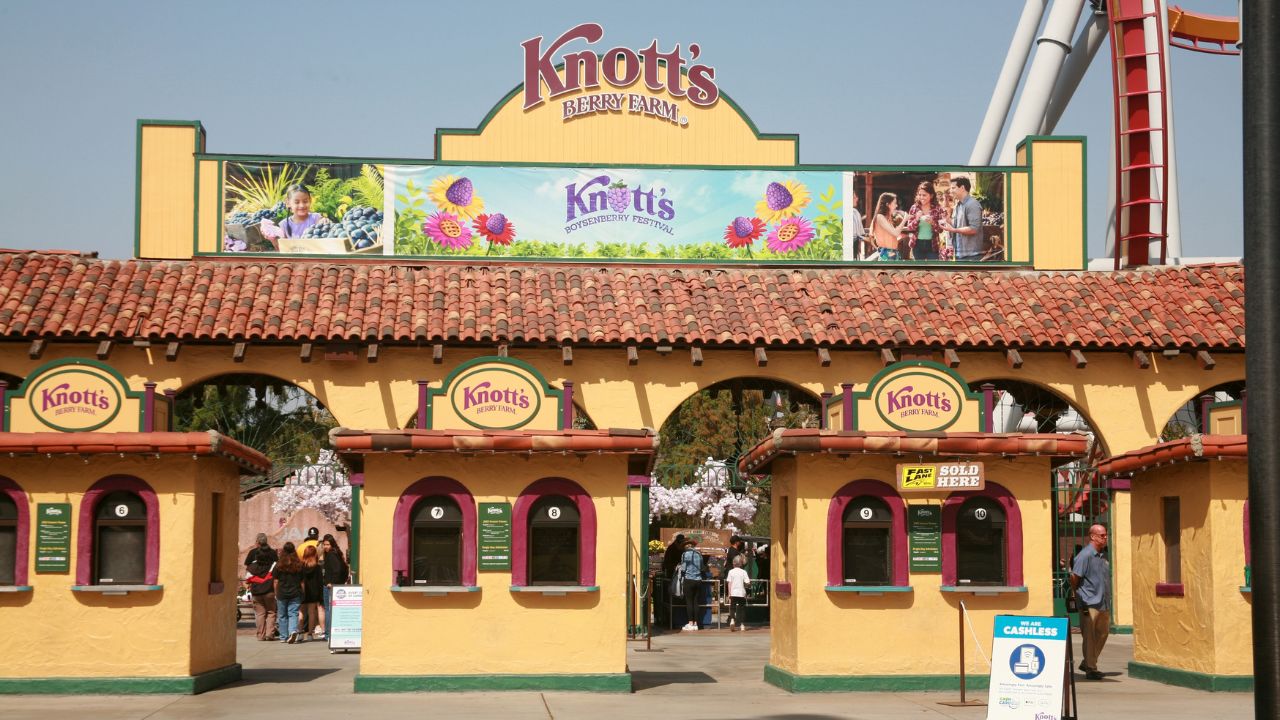
Knott’s Berry Farm isn’t actually located on historic Route 66; the Mother Road officially ends at the Santa Monica Pier, about 36 miles (roughly 40 minutes) from Buena Park. But if you’ve already made it to California for the ultimate Route 66 road trip, Knott’s is a detour well worth adding to your itinerary.
Inside the park’s historic Ghost Town area sits the Bottle House, built by Walter Knott in 1944 (or early 1945) and inspired by the bottle houses of Rhyolite, Nevada, and Calico Ghost Town. Constructed from thousands of glass bottles once used for liquor, soda, and medicine, it glows like stained glass when the California sun hits it just right. Today, it serves as a small shop, but it’s really a preserved piece of Americana that celebrates creativity and resourcefulness.
Knott’s might not lie on Route 66, but it perfectly captures that nostalgic roadside magic, a mix of ingenuity, whimsy, and car-culture optimism. If you’ve just wrapped up your coast-to-coast journey, this side trip is the perfect encore: pure retro California charm without straying far from the end of the trail.
Aztec Hotel, Monrovia
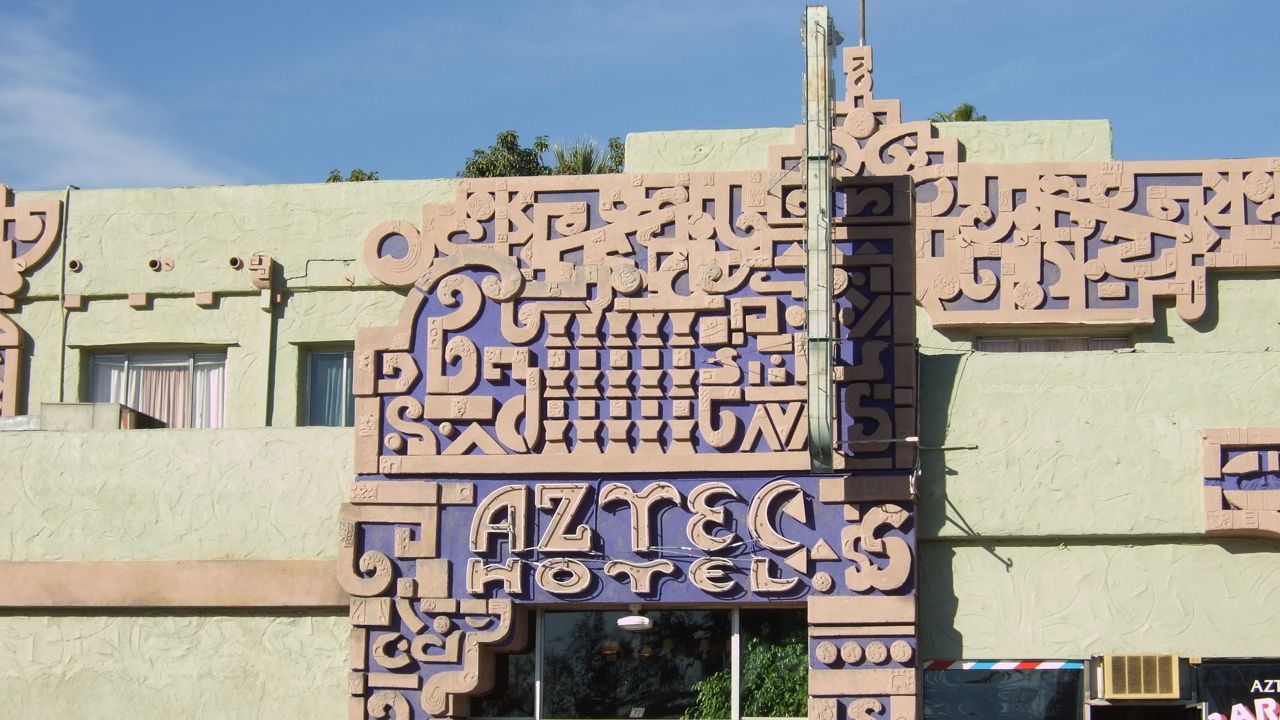
Located along Foothill Boulevard, part of an early California alignment of Route 66, the Aztec Hotel is a heritage landmark that captures the imagination even if it sits slightly off most modern 66 itineraries.
The Aztec Hotel is what happens when 1920s architects decide to build a fantasy and somehow create something timeless. This isn’t just a hotel: it’s a time machine disguised as a place to sleep, where Art Deco meets ancient Mesoamerican design in ways that shouldn’t work but absolutely do.
Designed by Robert Stacy-Judd and built 1925–26, the Aztec Hotel opened in September 1925 when Hollywood was convincing America that anything was possible, the Aztec features hand-carved details, original tile work, and a lobby that feels like the set of an adventure movie where the hero always gets the girl. The craftsmanship is the kind they literally don’t make anymore, every surface tells a story about when building something meant building it to last forever.
The rooms maintain their vintage character while offering modern comfort, and the whole place has an atmosphere that makes you feel like you’re part of some glamorous automotive adventure. Writers, actors, and travelers have been finding inspiration in these halls for nearly a century, and you can feel that creative energy in every carved detail.
The hotel’s restaurant and bar serve as gathering places for car enthusiasts, Route 66 travelers, and locals who appreciate authentic character over chain hotel blandness. It’s the kind of place where you’ll end up in conversations with strangers who become friends over shared appreciation for things that were built right the first time.
The parking situation accommodates classic cars beautifully, and the staff understands that some guests are making automotive pilgrimages. They’ve seen it all and appreciate the passion.
Bagdad Cafe – Newberry Springs
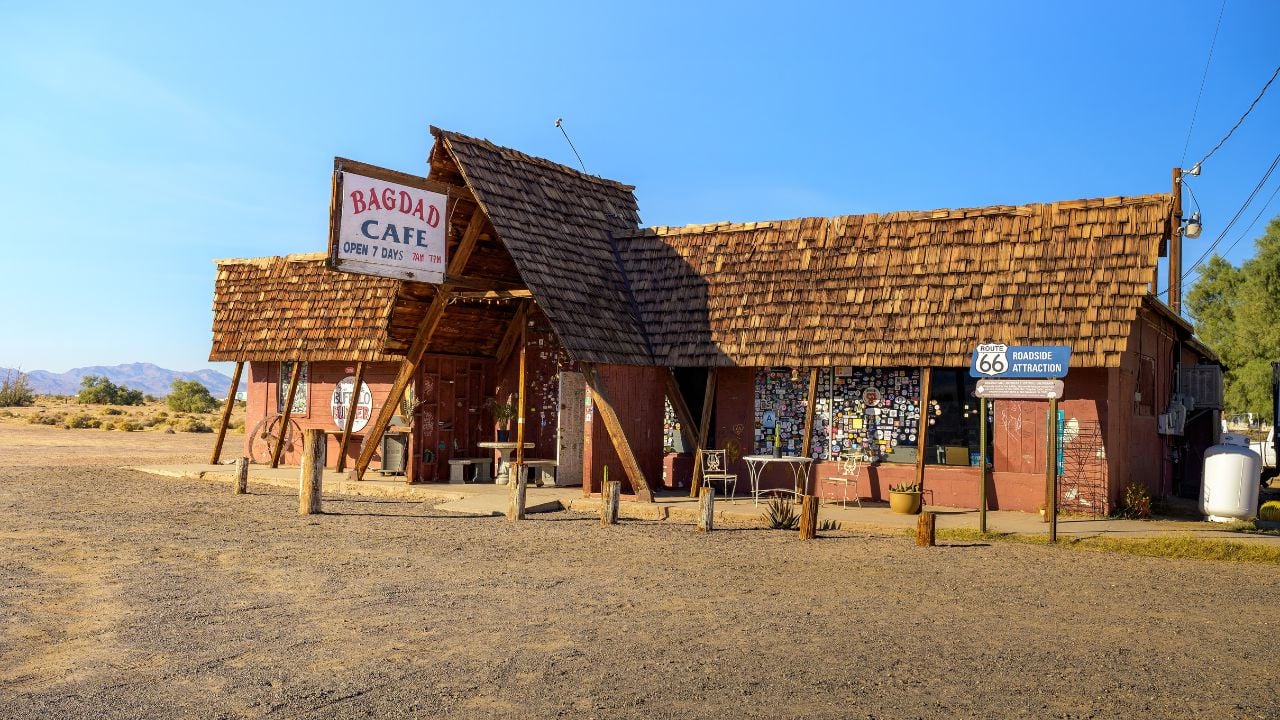
This pink concrete box in the middle of nowhere became world-famous thanks to a 1987 German film that somehow turned a roadside diner into a symbol of American possibility. The film was shot at what was then the Sidewinder Cafe in Newberry Springs; after the movie became a cult hit, later owners renamed the location Bagdad Cafe. The movie was quirky, the location is quirkier, and the whole thing works because sometimes the most unlikely places become the most meaningful.
The cafe serves honest diner food that tastes like comfort and tradition. The walls are covered in international currency, license plates, and messages from visitors who found something special in this unlikely spot. The staff treats every customer like they’re part of the family, because after decades of serving Route 66 travelers, they basically are.
The real magic is the surreal experience of eating classic American food in a pink building surrounded by endless desert, while international visitors and American road trippers share tables and stories. It’s peak Route 66: artificial and authentic at the same time, somehow perfectly American.
The coffee is surprisingly excellent, and the pie is worth the drive from anywhere.
Remember the Route
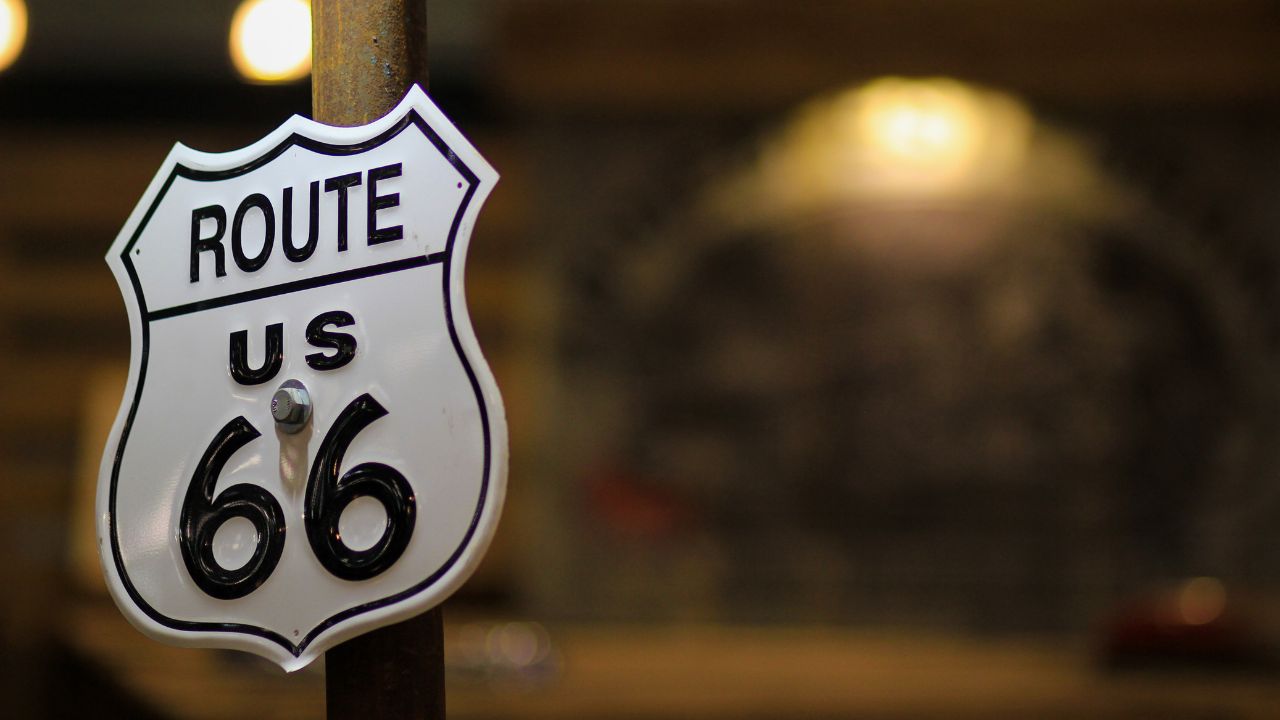
Route 66 through California is like that classic car restoration project you’ve been thinking about — it’s going to be more rewarding than you expected and more addictive than you planned. These stops aren’t just tourist attractions; they’re genuine pieces of American automotive and cultural history, preserved by people who understand their value.
Yes, some of it’s commercialized. Yes, you’ll spend money on souvenirs you don’t technically need. But you’ll also connect with something authentic, the American belief that the open road leads to possibility, that quirky is better than corporate, and that some journeys are worth taking just because they exist.
Route 66 isn’t just about the destinations; it’s about the people who’ve kept these places alive, the communities that refused to let them die, and the travelers who understand that some roads are worth driving for their own sake.
So load up something with character, point it west, and discover why Route 66 has been capturing imaginations for nearly a century. You’ll come back with more than photos; you’ll come back with stories, and in the age of GPS and interstate efficiency, that’s worth everything.
Now get out there and drive to something interesting while these places are still here to enjoy.