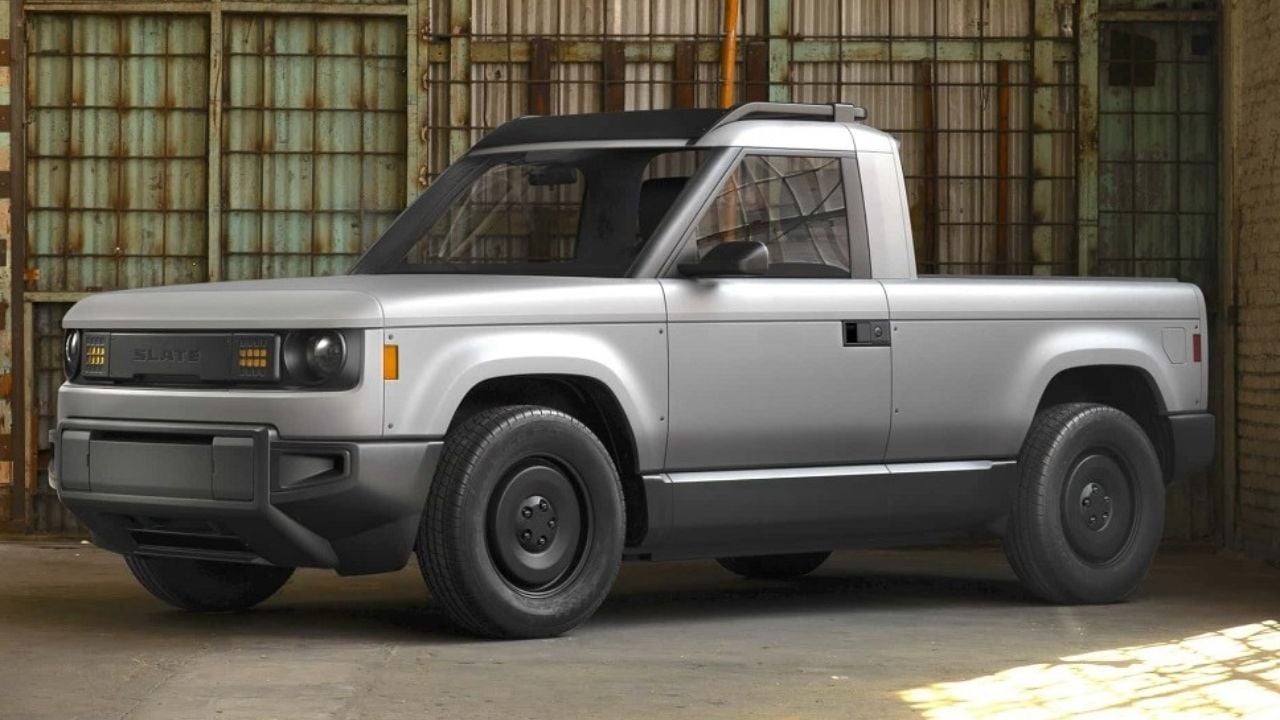
American startup Slate Auto is about to find out how much of its early electric-truck buzz can turn into real customer commitment.
The company says preorders for its first vehicle will open on June 24. That is a major step for a startup that has attracted attention with a very different EV pitch: a small, simple, customizable electric pickup aimed at buyers who feel priced out of the modern new-vehicle market.
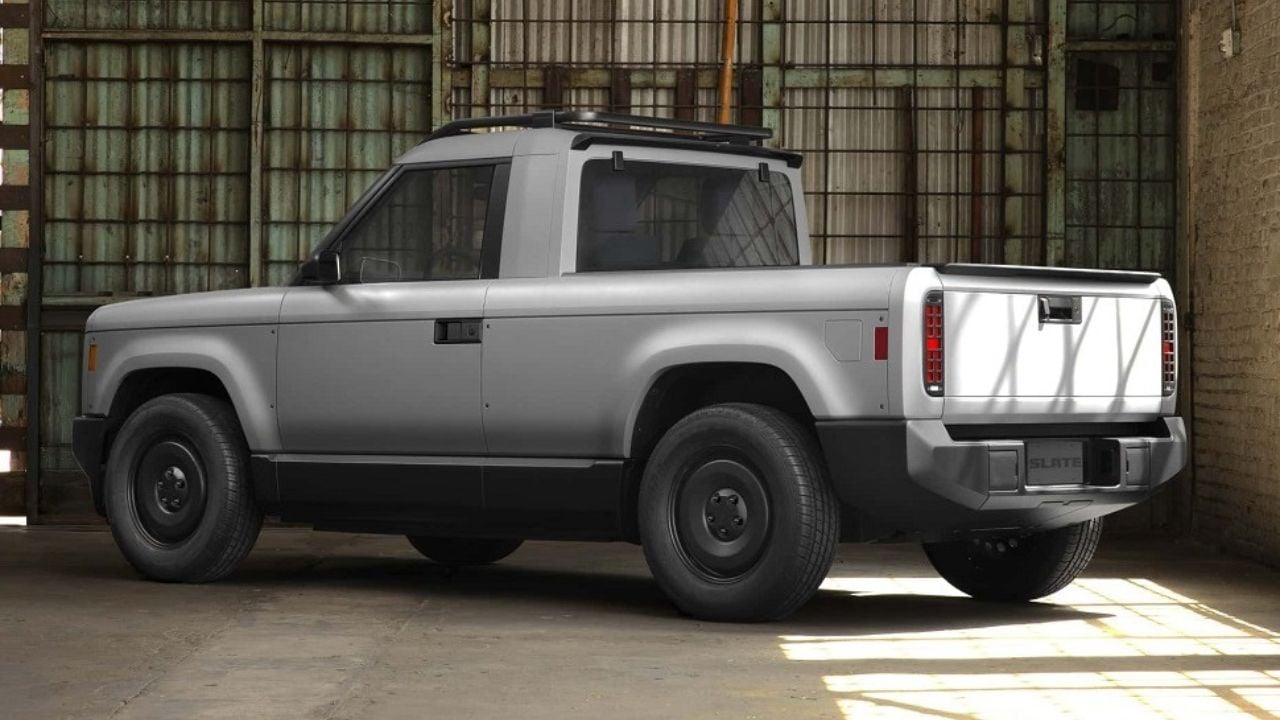
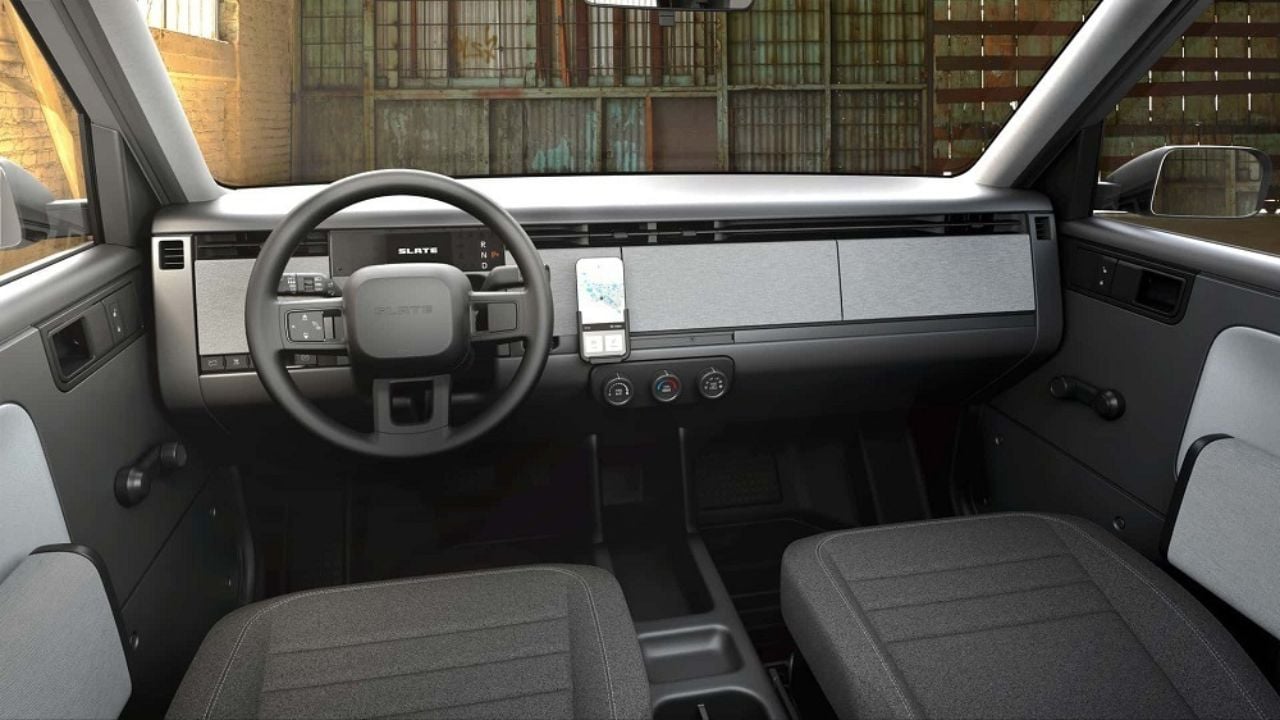
Slate is trying to move in the opposite direction from much of the EV industry. Instead of leading with giant screens, luxury trim, and expensive technology packages, the company is selling simplicity: basic transportation, a low starting price, manual window cranks, and options buyers can add later.
The idea is easy to understand. The test now is harder. Slate has to convince reservation holders to move from refundable curiosity to a non-refundable preorder before the full ownership picture is complete.
Buyers Must Commit Before The Full Picture Is Clear
Slate’s preorder process creates an unusual decision for potential buyers. The company says pricing will be announced when preorders open on June 24, but customers will still be committing before final configuration, accessories, financing, and purchase details are fully settled.
The deposit is also changing. Early reservation holders put down a refundable $50 fee to hold a spot. Slate now says a $300 non-refundable preorder deposit will lock in delivery timing. Existing reservation holders can apply their $50 reservation fee toward that amount, meaning they will owe another $250 to convert their reservation into a preorder.
That deposit will be applied toward the final purchase price, but it is not the same as casually joining an interest list. It asks buyers to put real money behind a truck that still has major details waiting to be finalized.
Slate has said its basic truck is expected to start in the mid-$20,000 range, with accessories and personalization available at extra cost. The exact pricing structure matters because Slate’s whole argument depends on staying meaningfully cheaper than the EVs and pickups buyers already know.
Slate Has Reservations, But Preorders Are The Real Test
Public interest has been strong. Slate has gathered more than 160,000 refundable reservations or bookings, giving the startup one of the more closely watched order books in the affordable-EV space.
That number is impressive, but reservations are not sales. EV startups have learned that a refundable deposit can show curiosity, while a non-refundable preorder shows a higher level of confidence. June 24 will help show how many people are ready to move from watching Slate to actually waiting for one.
The truck’s appeal is built around simplicity. Slate is promoting a small electric pickup with a minimalist cabin, no built-in infotainment screen, manual window cranks, and a focus on keeping production and ownership costs low.
That strategy gives Slate a clear identity. Many new EVs have become heavier, more expensive, and more complicated. Slate is betting that some buyers would rather have a cheaper electric truck they can personalize over time than a fully loaded vehicle they can barely afford.
Michigan Support, Indiana Production, And A Different Service Plan
Slate has also been building the business behind the truck. The company is headquartered in Troy, Michigan, and Michigan has approved up to $5 million in performance-based support for the company’s headquarters expansion.
Production, however, is planned for Warsaw, Indiana. Slate has raised major funding to support the launch, including a $650 million Series C round led by TWG Global. The company is also backed by high-profile investors, including Amazon founder Jeff Bezos.
The service model is different from a traditional automaker’s approach. Slate does not plan to build a large network of company-owned service centers in the style of some other EV brands. Instead, it has pointed to service through independent repair networks, including RepairPal-certified shops.
That approach could lower costs and make service more flexible if it works well. It also creates an important question for buyers: how consistent will repairs, parts availability, warranty support, and customer help feel once real trucks are on the road?
Many Details Are Still Missing
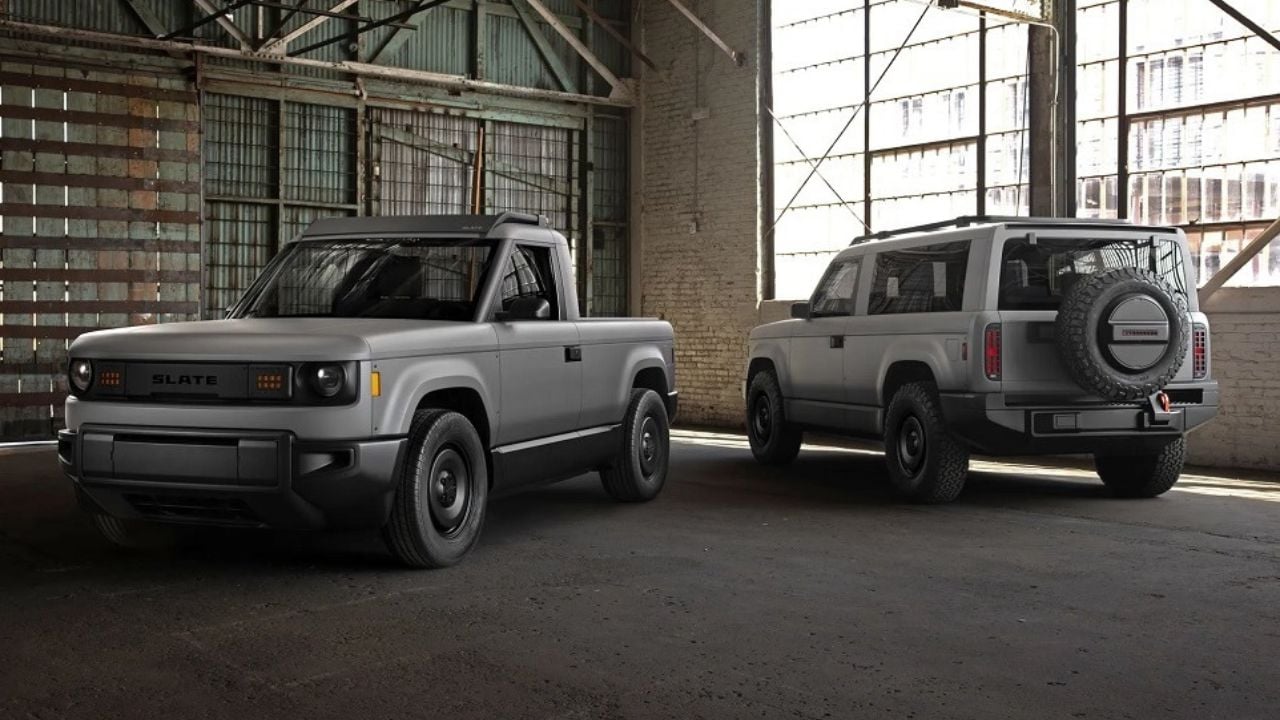
The truck’s basic idea is clear, but several buyer-level details still matter. Customers still need final pricing, accessory costs, personalization choices, financing terms, delivery windows, service details, and a clearer sense of how the final production vehicle will compare with the early pitch.
Slate says customers will later be able to personalize their trucks and complete the buying process. The company has also said it plans public vehicle showings before production begins, though timing and locations still need to be watched closely.
Delivery timing is another major question. Slate has targeted first deliveries around late 2026, but delivery windows can shift depending on production readiness, preorder timing, configuration, and how quickly the startup can scale manufacturing.
That makes the June 24 preorder push a calculated gamble for customers. Buyers who believe in the concept can secure an earlier delivery position. Buyers who want final pricing, financing, and real-world production certainty may prefer to wait, even if that means a later truck.
Slate Now Has To Prove The Idea Works
Slate continues to attract attention because the promise is simple: a battery-electric pickup without the high price and unnecessary complexity that now define much of the EV market.
The company has the ingredients for a strong story. It has a clear product idea, a large reservation count, serious investor backing, a planned Indiana production site, and a market full of buyers frustrated by expensive new vehicles.
The difficult part begins now. Slate must prove that a clever concept can survive final pricing, production costs, supplier pressure, service expectations, financing realities, and customer patience.
A low-cost electric pickup is exactly the kind of product many shoppers say they want. June 24 will show how many are ready to put non-refundable money behind it.
This article was originally published by Autorepublika.com and is republished with permission. It has been reviewed and edited by Guessing Headlights.