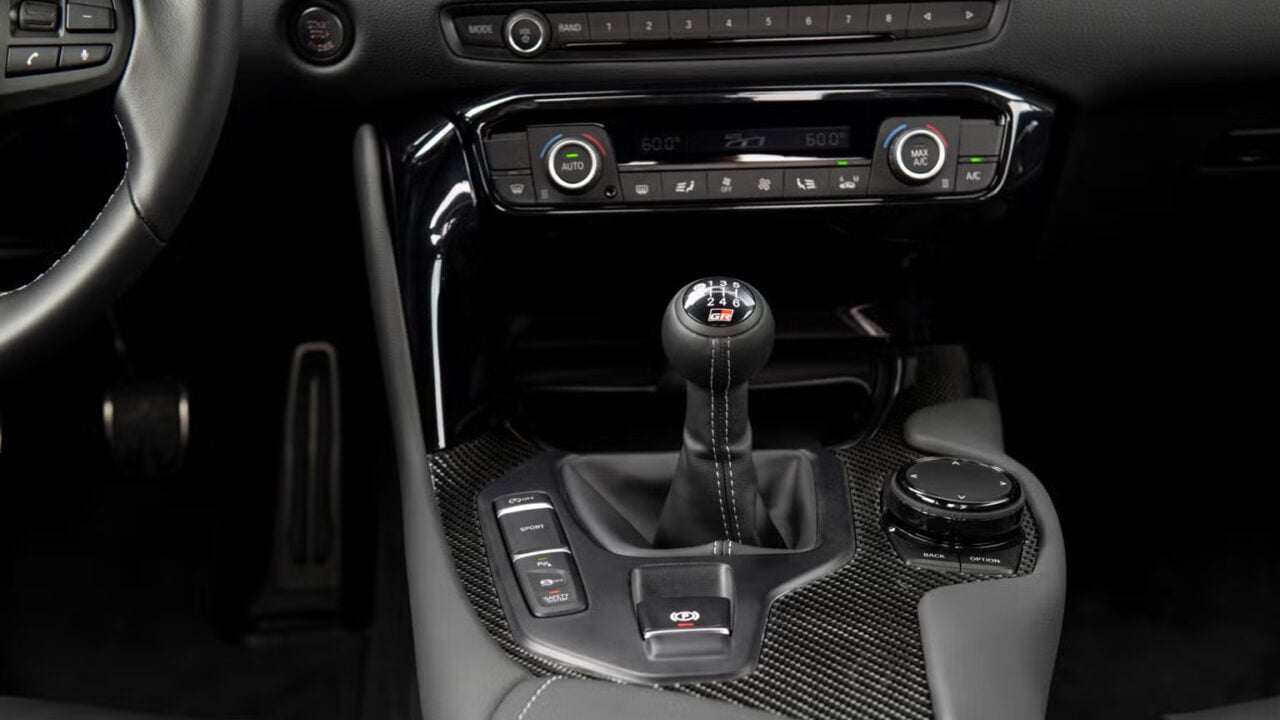
Toyota may have just created the funniest electric vehicle gimmick yet. According to a newly discovered patent filing, the automaker is developing a simulated manual transmission system for EVs that can recreate nearly every part of driving a traditional stick shift, including one thing most beginners desperately try to avoid: stalling the car.
The idea sounds almost ridiculous at first. Electric vehicles do not need gears, clutches, or transmissions in the traditional sense because electric motors deliver instant torque across a wide powerband. Yet Toyota appears determined to recreate the entire manual driving experience anyway, right down to awkward hill starts and jerky failed launches.
Oddly enough, that might actually make EVs more appealing to enthusiasts. One of the biggest complaints many drivers still have about electric cars is that they can feel too smooth, too quiet, and too detached compared to combustion-powered sports cars.
Toyota’s patent suggests the company wants to inject some personality, challenge, and even imperfection back into the driving experience.
Toyota Wants EVs To Feel Like Old-School Manuals
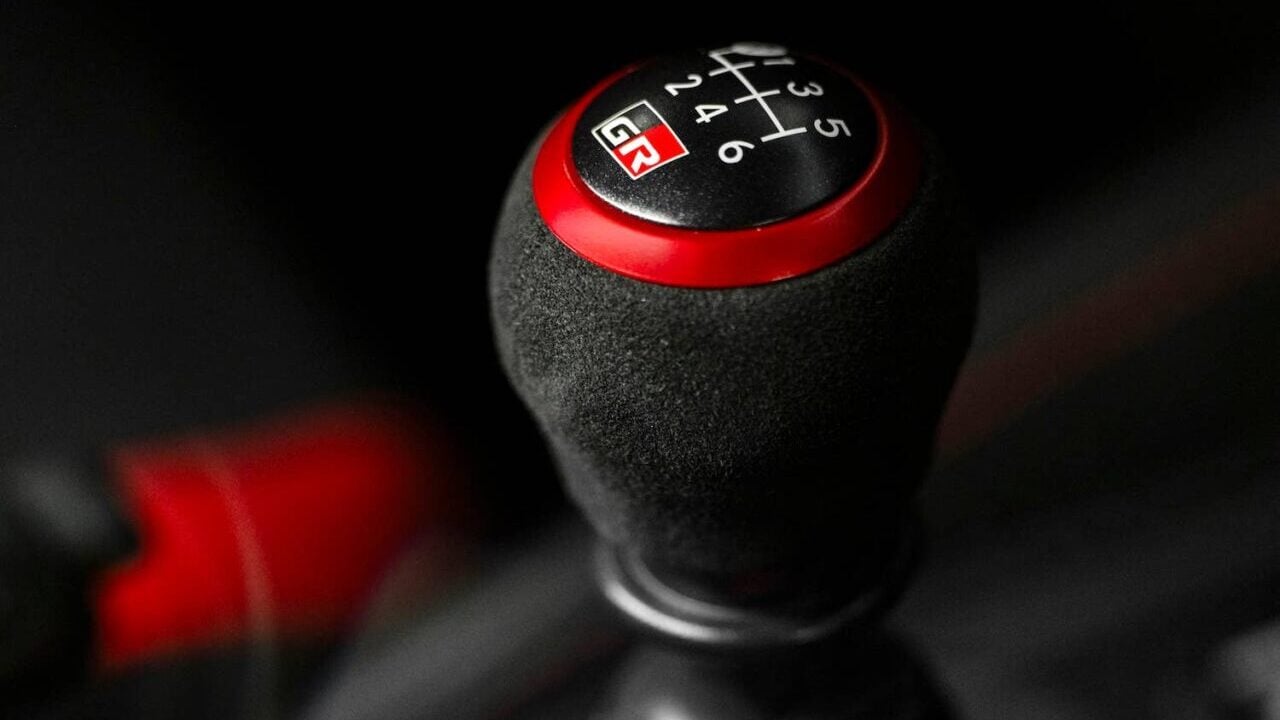
The system described in the patent goes far beyond simple fake paddle shifts or synthesized engine sounds. Toyota’s setup includes a physical shift lever and a clutch pedal designed to mimic the behavior of a real manual transmission.
Behind the scenes, software handles the illusion. The patent references something called a “virtual torque transmitting capacity changing device,” which essentially acts as a digital clutch system controlling how power is delivered from the electric motor.
The EV would also calculate simulated engine speeds and virtual gear ratios to imitate the behavior of a gasoline-powered car. In practice, drivers would need to coordinate throttle input and clutch operation just like they would in a traditional stick-shift vehicle. That means if you dump the clutch improperly or try starting in the wrong gear, the car can actually “stall.”
Yes, The EV Can Really “Stall”
Since there is no actual engine to shut off, Toyota’s version of stalling works differently than a real manual car. According to the patent, the system would abruptly cut torque from the electric motor and apply braking force to create the same sudden jerking sensation drivers experience when stalling a gasoline engine.
The patent even describes simulated rollback behavior on hills. If a driver struggles with clutch control, the car may begin rolling backward before hill-hold assist automatically intervenes.
Toyota’s software can apparently judge driver skill levels as well. If the system determines somebody is inexperienced with manual driving, it can proactively enable hill-start assistance or other electronic aids to make the fake manual easier to operate. Ironically, that means the EV could quietly decide you are bad at driving stick shift.
For experienced drivers, though, Toyota appears to be leaning fully into the fantasy. The patent reportedly allows for aggressive launches, quick clutch dumps, and even behavior resembling clutch kicks for spirited driving situations.
Why Automakers Are Chasing “Fake” Driving Engagement
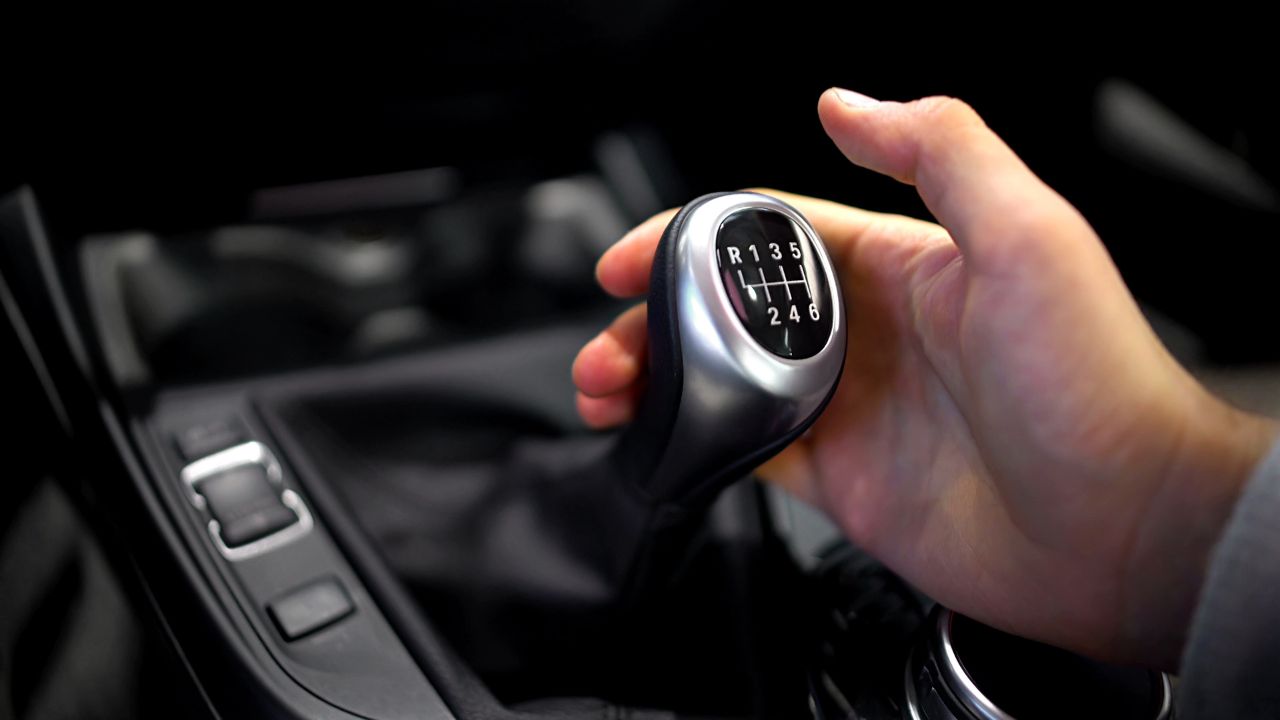
At first glance, all of this sounds completely unnecessary. EVs already accelerate faster than most gasoline performance cars without needing complicated shifting or clutch work.
Yet manufacturers increasingly realize that emotional engagement is just as important as outright speed. Hyundai already introduced simulated gear shifts, fake rev limits, and synthesized engine sounds in the Ioniq 5 N, and surprisingly, many enthusiasts ended up loving it.
Toyota’s approach takes that idea significantly further by recreating not only the exciting parts of driving a manual but also the frustrating parts. The company seems to understand that much of the enjoyment enthusiasts associate with stick shifts comes from mastering the skill itself.
Driving a manual transmission has always involved a learning curve. Smooth launches, perfect rev matching, and clean shifts feel rewarding precisely because they require coordination and practice.
Toyota appears to be asking a strange but fascinating question: if software can recreate all of those sensations convincingly enough, does it matter that the transmission itself is fake?
This Might Actually Work
As strange as the concept sounds, there is a good chance enthusiasts would embrace it if Toyota executes the system properly. Modern performance EVs are already outrageously fast, but many still struggle to deliver the mechanical involvement that drivers love about traditional sports cars.
A fake manual transmission may never fully replace the feel of a real gearbox connected to an internal combustion engine. Still, it could add enough interaction and personality to make electric sports cars feel less clinical. More importantly, the entire system is mostly software-driven. Unlike developing a completely new transmission, simulated shifting features can potentially be added without massive hardware costs.
That flexibility gives automakers room to experiment with increasingly creative ways to make EVs feel more emotional. Whether that means fake rev limiters, synthetic engine sounds, or now simulated stalling, manufacturers are clearly searching for ways to bridge the gap between old-school enthusiast culture and the electric future.
For now, Toyota’s fake manual remains just a patent filing, and patents do not guarantee production plans. Still, the fact that one of the world’s largest automakers is seriously exploring the idea says a lot about how important driver engagement remains, even in the EV era. Honestly, I have to admit that watching someone stall an electric car at a stoplight for the first time would probably be hilarious.