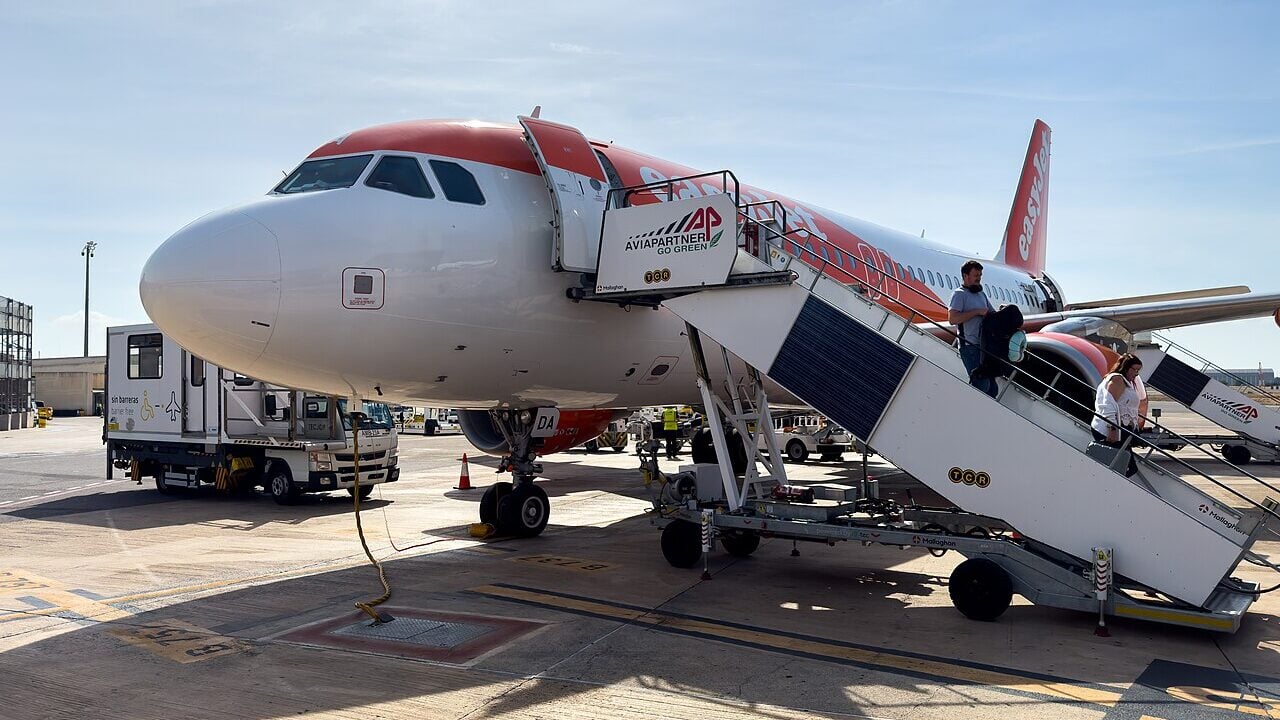

Passengers aboard an easyJet flight from Southend to Malaga were left stunned after an unusual pre-departure announcement forced a real-time decision between people, payload, and physics. The aircraft, an Airbus A319, could not legally and safely depart unless six passengers volunteered to disembark.
The situation unfolded on the morning of April 11 as the aircraft prepared for its scheduled 8:40 a.m. departure. According to passenger accounts, the captain stepped out of the cockpit to personally explain the issue.
The captain’s announcement? The aircraft was above its allowable takeoff weight under the prevailing conditions, and the only viable options were to offload passengers or leave baggage behind.
This Can’t Be Happening
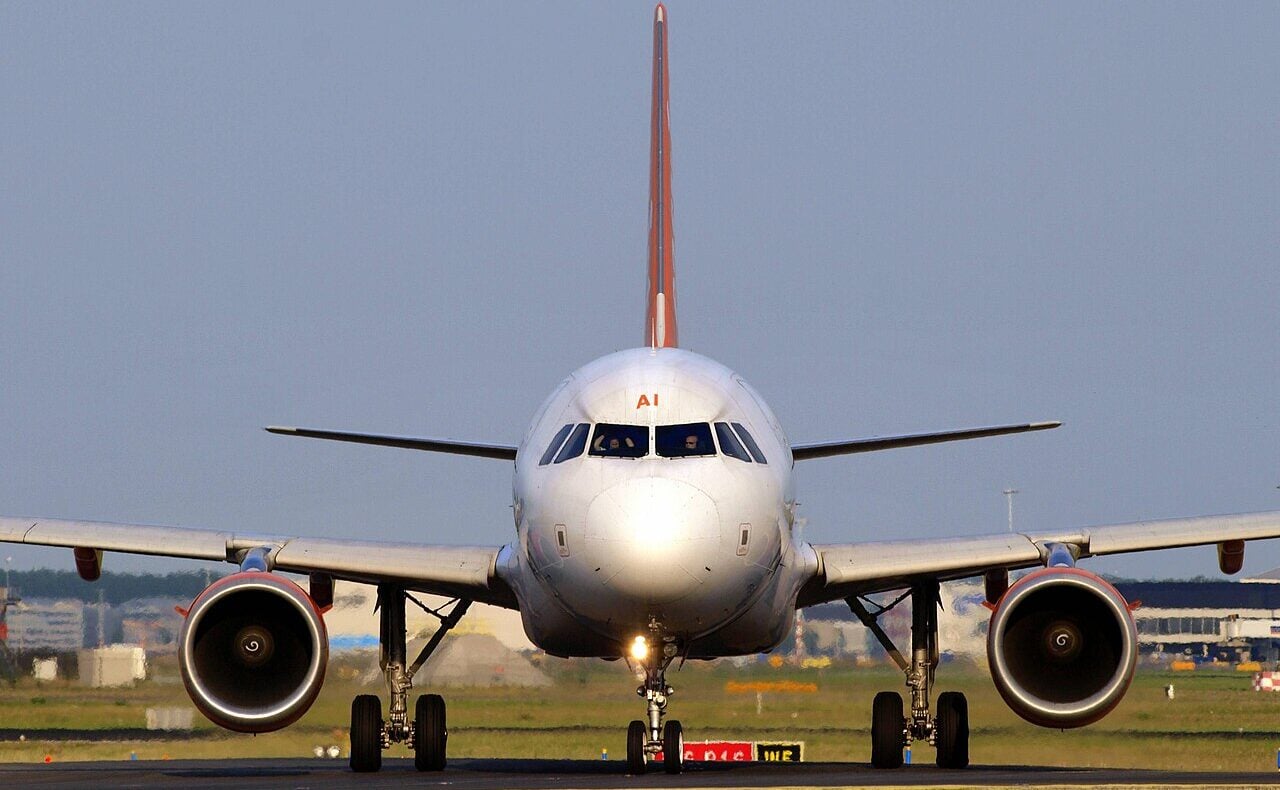
Airlines have long had strict weight‑and‑balance protocols to prevent exactly this kind of disruption. Flight planning systems calculate passenger loads, baggage, cargo, and fuel against the aircraft’s certified maximum takeoff weight.
Dispatchers and load controllers typically adjust fuel uplift, redistribute baggage, or cap ticket sales to keep flights within limits. In practice, carriers often build in buffers—selling slightly fewer seats or shifting cargo—to avoid last‑minute surprises.
So why did easyJet end up in this bind?
The Airbus A319 is a smaller jet, and on April 11, the prevailing conditions (runway length, weather, fuel requirements for Malaga) meant the margin was unusually tight.
If ticket sales and baggage were loaded to the maximum, even a small shift in fuel or payload could push the aircraft over its legal weight. In this case, the buffers weren’t enough, leaving the captain no choice but to ask for volunteers to disembark.
Where’s the Camera — This Must Be a Prank
For many onboard, the announcement sounded implausible.
One traveler described initial disbelief, assuming it was a prank. But aviation leaves little room for improvisation when it comes to weight limits.
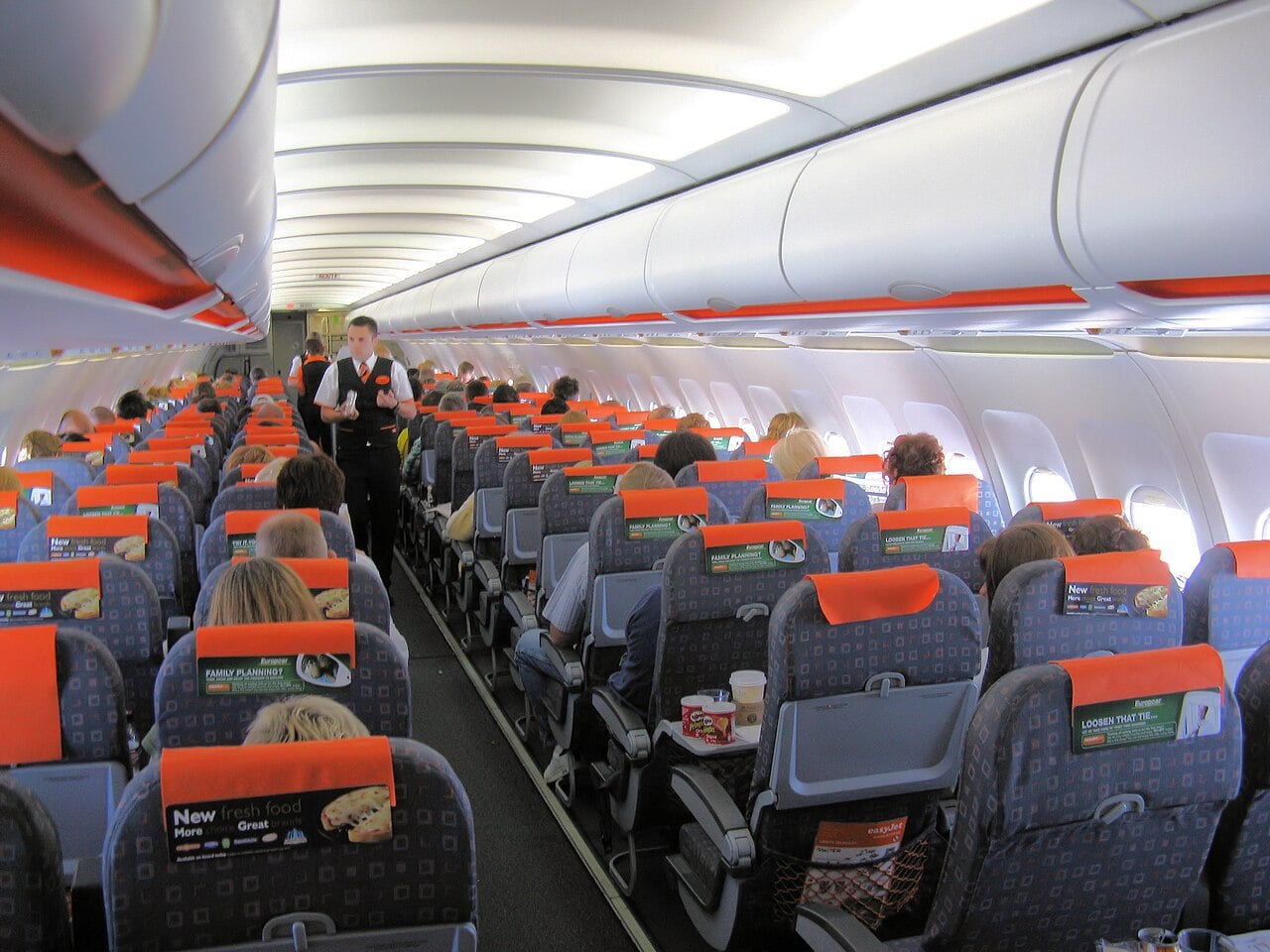
Five passengers eventually agreed to leave within minutes, reportedly to applause from those remaining onboard. The flight ultimately departed at 8:59 a.m., a short delay but a critical compliance with safety requirements.
The Airbus A319, a widely used short to medium haul jet, has a certified maximum takeoff weight of about 75.5 tonnes. This figure represents the upper structural and performance limit under ideal conditions. In reality, allowable takeoff weight often falls below this maximum due to environmental and operational variables.
The Technical Constraints Governing Aircraft Performance
One key factor is runway length.
Southend Airport has a shorter runway compared to major international hubs. A shorter runway reduces the distance available for acceleration, meaning the aircraft must achieve takeoff speed within tighter margins.
Heavier aircraft require longer distances to lift off, so weight must sometimes be reduced to match runway constraints.
Weather conditions also play a major role.
Higher temperatures decrease air density, which in turn reduces engine performance and wing lift. Wind conditions can either help or hinder takeoff performance depending on direction and intensity. If the aircraft faces less favorable atmospheric conditions, the maximum allowable takeoff weight drops further.
Another element is fuel load.
Flights to destinations like Malaga require a substantial amount of fuel, which itself adds significant weight. Airlines must balance fuel requirements for the journey, contingency reserves, and regulatory obligations. When all these factors combine unfavorably, airlines are left with limited options.
But Why the Humans?
Offloading baggage might seem like the simpler solution, but it introduces logistical complications.
Bags would need to be separated, tracked, and rerouted, potentially creating delays at both departure and arrival points. Removing passengers, while inconvenient, can be operationally more straightforward, especially when volunteers step forward.
EasyJet later confirmed that affected passengers were rebooked via London Gatwick and offered compensation. The airline emphasized that safety remains its top priority and that weight restrictions are a standard part of aviation operations.
While rare from a passenger perspective, such scenarios are not unheard of in aviation. Pilots and flight planners constantly calculate weight and balance to ensure safe performance. Every kilogram clounts for much, from passenger count to cargo distribution.
Who knows; this incident may have been a traveler’s first glimpse into the complex calculations behind every flight.
Sources: Daily Mail