

General Motors is doubling down on its global manufacturing footprint in a way that complicates the political story often told about “bringing production back home.”
The company has reportedly committed around $600 million to expand operations in South Korea, pushing facilities toward full capacity and reinforcing a supply chain that feeds one of its most important markets: the United States.
The first impression is a paradox.
The United States remains GM’s largest profit center, and policy signals in recent years have leaned toward reshoring and tariff pressure designed to discourage overseas production.
Yet the automaker’s latest moves suggest that global efficiency still outweighs domestic political messaging when it comes to where vehicles are actually built.
The Logic of South Korea
The South Korea investment is not a side project.

GM’s South Korea plant is the Bupyeong complex in Incheon, formerly the Daewoo Motors factory. From this site, GM Korea currently builds four models for export to the U.S.: the Chevrolet Trailblazer, Chevrolet Trax, Buick Envista, and Buick Encore GX.
It reflects a deeper reliance on GM’s Korean engineering and manufacturing base, which has long played a central role in producing small and mid-size vehicles, crossovers, and components that are later exported.
These vehicles often enter the US market under GM’s broader portfolio strategy, giving the company flexibility in pricing, design segmentation, and production costs.
What makes the timing notable is the broader trade environment.
Tariff policies associated with the Trump administration and their lingering influence in US industrial strategy have aimed to incentivize domestic production by making imports more expensive.
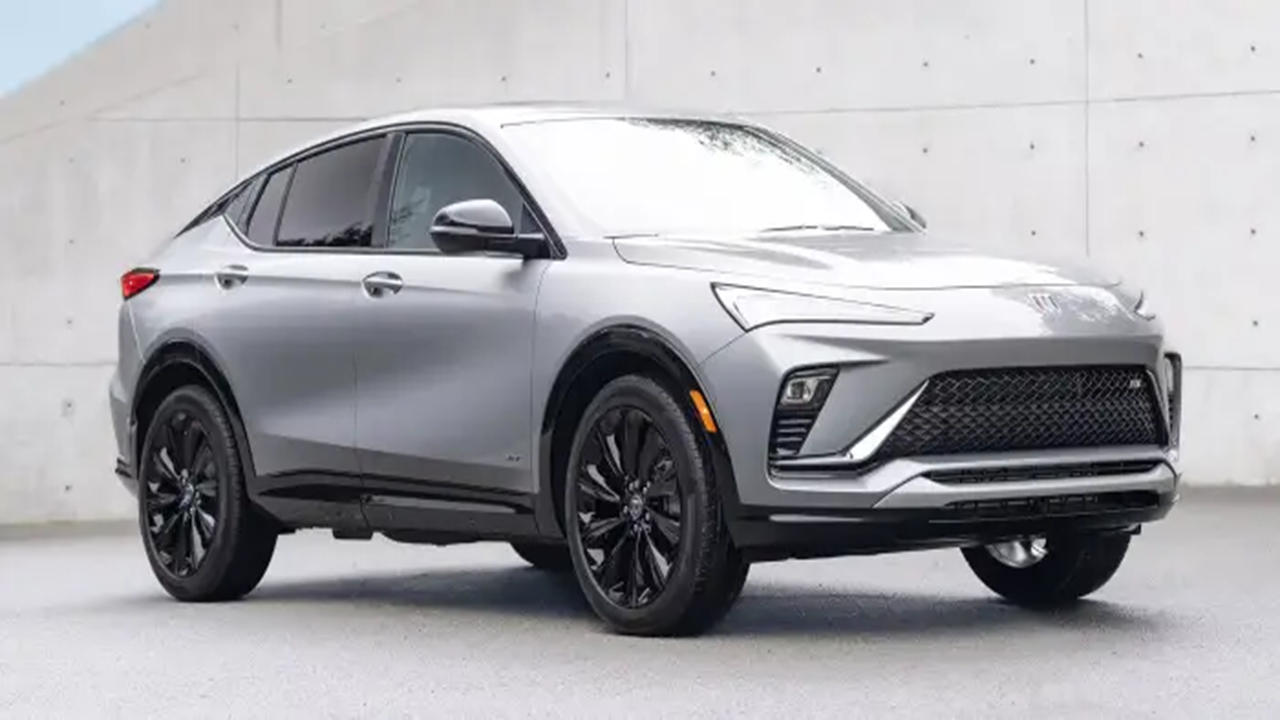
It appears, however, that global automakers have spent the same period fine-tuning production networks rather than abandoning them. GM’s move signals that the calculus has not shifted in favor of a full retreat from overseas manufacturing.
Instead, the company appears to be leaning into scale. By pushing its South Korean plants toward higher utilization, GM can reduce per-unit costs, stabilize supply consistency, and maintain bargaining power in a competitive compact and electric vehicle segment.
These advantages are harder to replicate in a single-country production model, especially when demand patterns shift across regions.
The Ideology and Structural Balance
There is also a technology angle to consider.
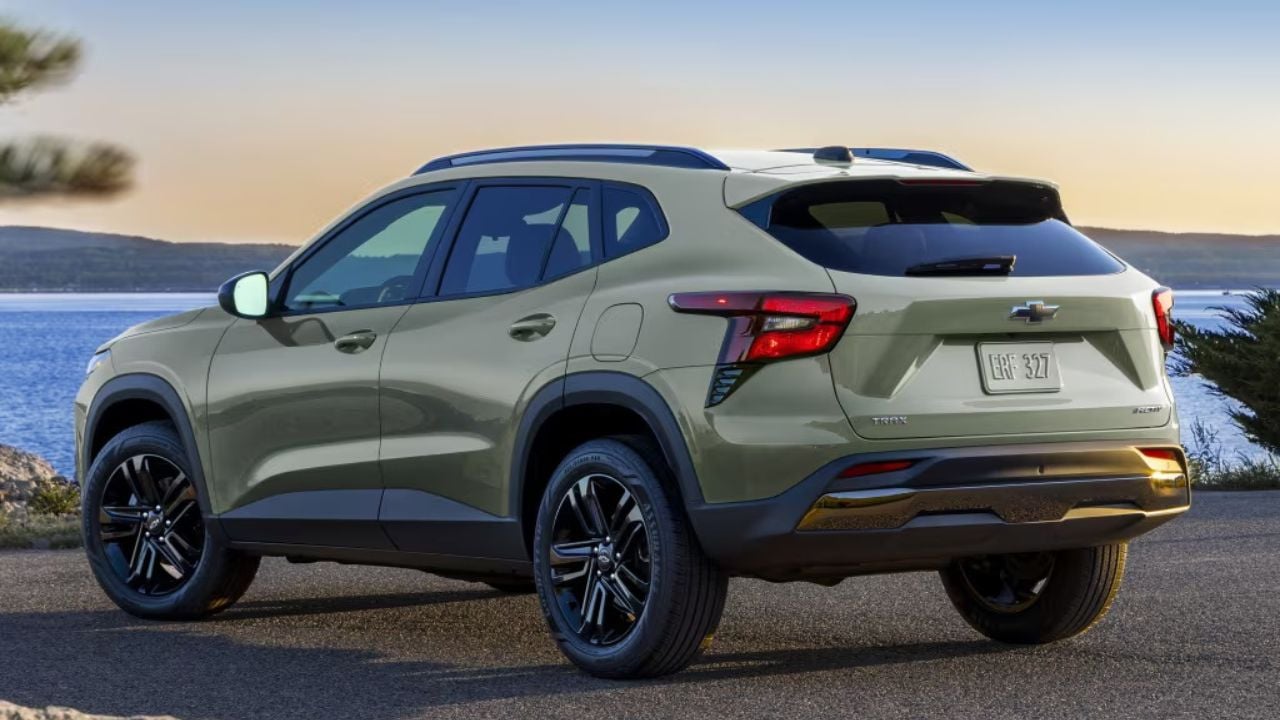
South Korea remains one of the world’s more advanced automotive manufacturing hubs, particularly in battery supply chains and high-efficiency vehicle platforms.
Even as GM expands EV production in North America, its Korean operations provide complementary capacity and engineering support that can be redirected depending on market demand and regulatory conditions.
Critics of offshore production often frame these decisions as politically misaligned with US industrial priorities. But for GM, the decision is less ideological than structural.
The company sells in over a hundred markets, and its production system is built to move components and finished vehicles across borders with minimal friction. Removing one node from that system can introduce costs that ripple far beyond a single country.
The South Korea expansion also comes at a time when automakers are navigating uneven global demand.
China remains a massive but highly competitive EV market. Europe is tightening emissions regulations while facing its own industrial pressures. The US market, meanwhile, is balancing strong SUV demand with rising interest in electrification.
In that environment, manufacturers might just find that flexibility matters more than geographic purity.
The Case for Global Integration
Still, the optics are difficult to ignore.
Increased investment abroad while domestic policy leans toward reshoring creates a tension between industrial strategy and political narrative.
GM’s stance suggests that global integration remains the dominant logic of the US auto industry, even when policy incentives attempt to pull production inward.
In practical terms, the expansion is likely to strengthen GM’s ability to supply US dealers with competitively priced vehicles, even if those vehicles are assembled thousands of miles away.
For car shoppers, the origin point may matter less than affordability and availability. For policymakers, however, it raises the familiar question of how to reconcile domestic manufacturing goals with multinational corporate structures that do not easily conform to national boundaries.
Sources: WSJ