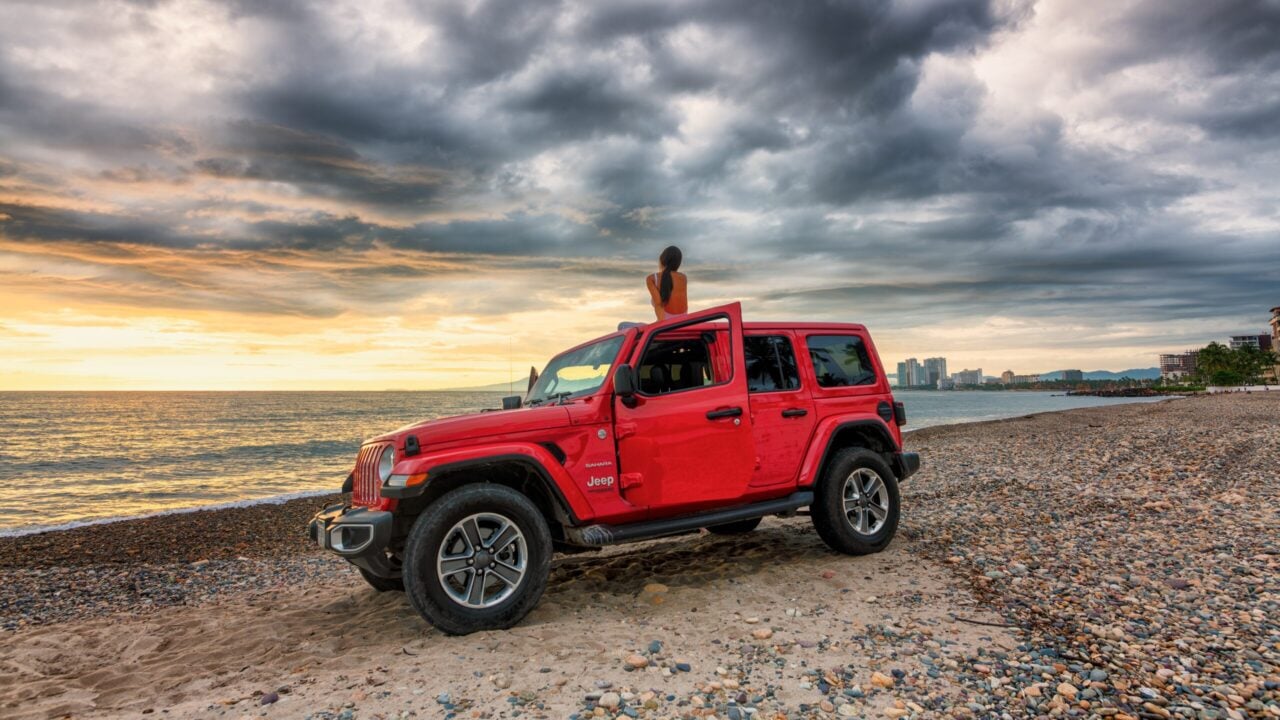
For years, the assumption was simple: if you wanted to save money, you bought a small sedan. Lower purchase price, better fuel economy, cheaper insurance. That was the formula most buyers followed, and for a long time, it held up.
It also became one of those “everyone knows” rules of car ownership. If you were trying to be practical, you skipped the SUV and went straight to something compact and efficient, assuming it would be cheaper across the board, including what you pay every month to insure it.
That logic just got flipped on its head. New data from CarInsurance.com shows that SUVs now dominate the list of the cheapest vehicles to insure in 2026, with 16 of the top 20 spots going to crossovers and SUVs. Even more surprising, sedans are now costing about 10 to 15 percent more to insure than comparable SUVs.
That is a pretty meaningful shift in how the real cost of ownership works, and one that many buyers probably have not yet caught up to.
The Cheapest Car To Insure May or May Not Surprise You
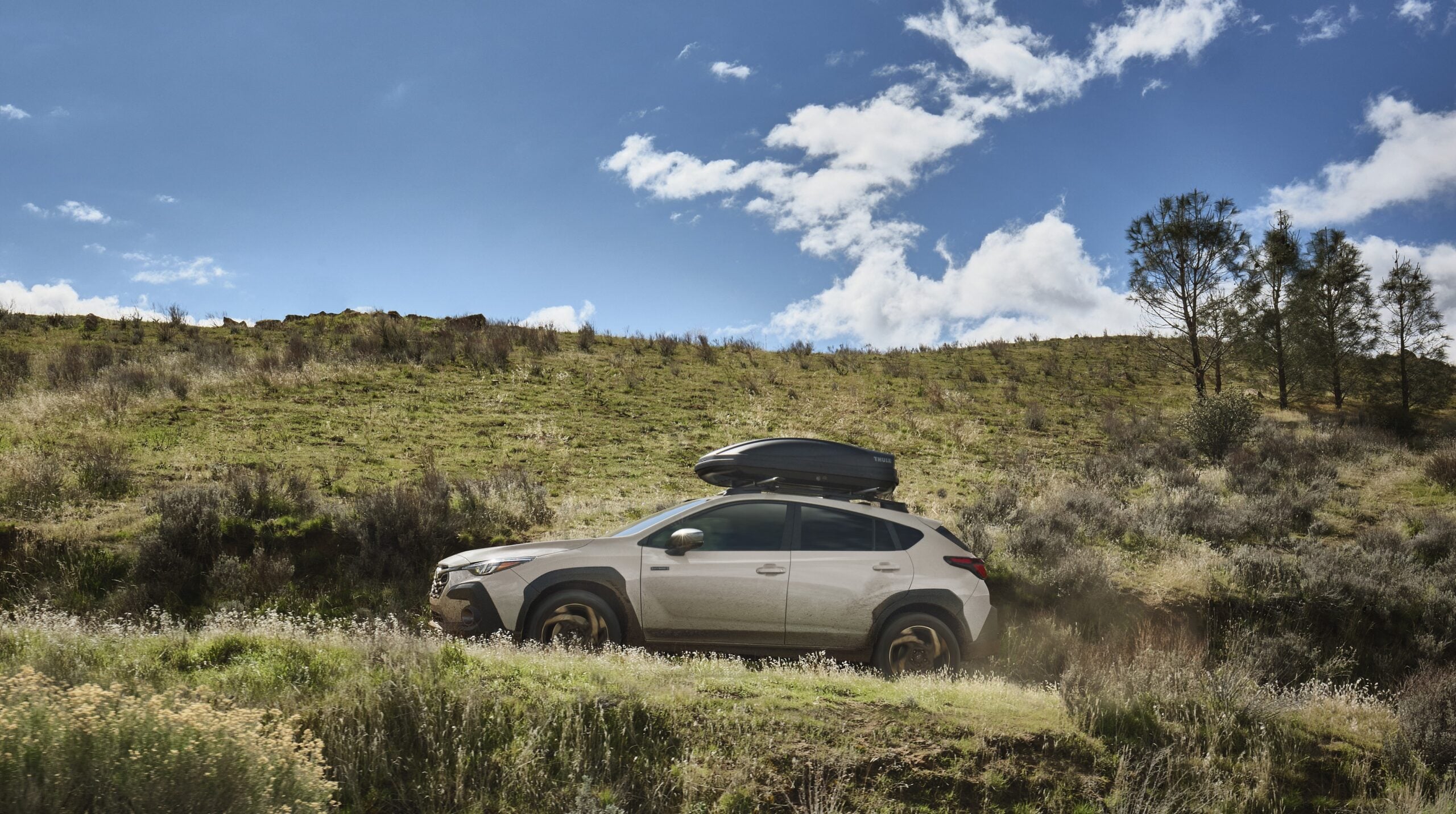
At the top of the list is the Subaru Crosstrek, averaging $192 per month. That tracks. Subaru has built a reputation for safety tech, strong crash ratings, and relatively low repair costs, all of which insurance companies reward. But what really caught our attention is what came next.
The Jeep Wrangler and Honda CR-V are tied for second at $193 per month, according to the same analysis.
Yes, the Wrangler. Silver medal.
Wait… the Wrangler Is Cheap To Insure?
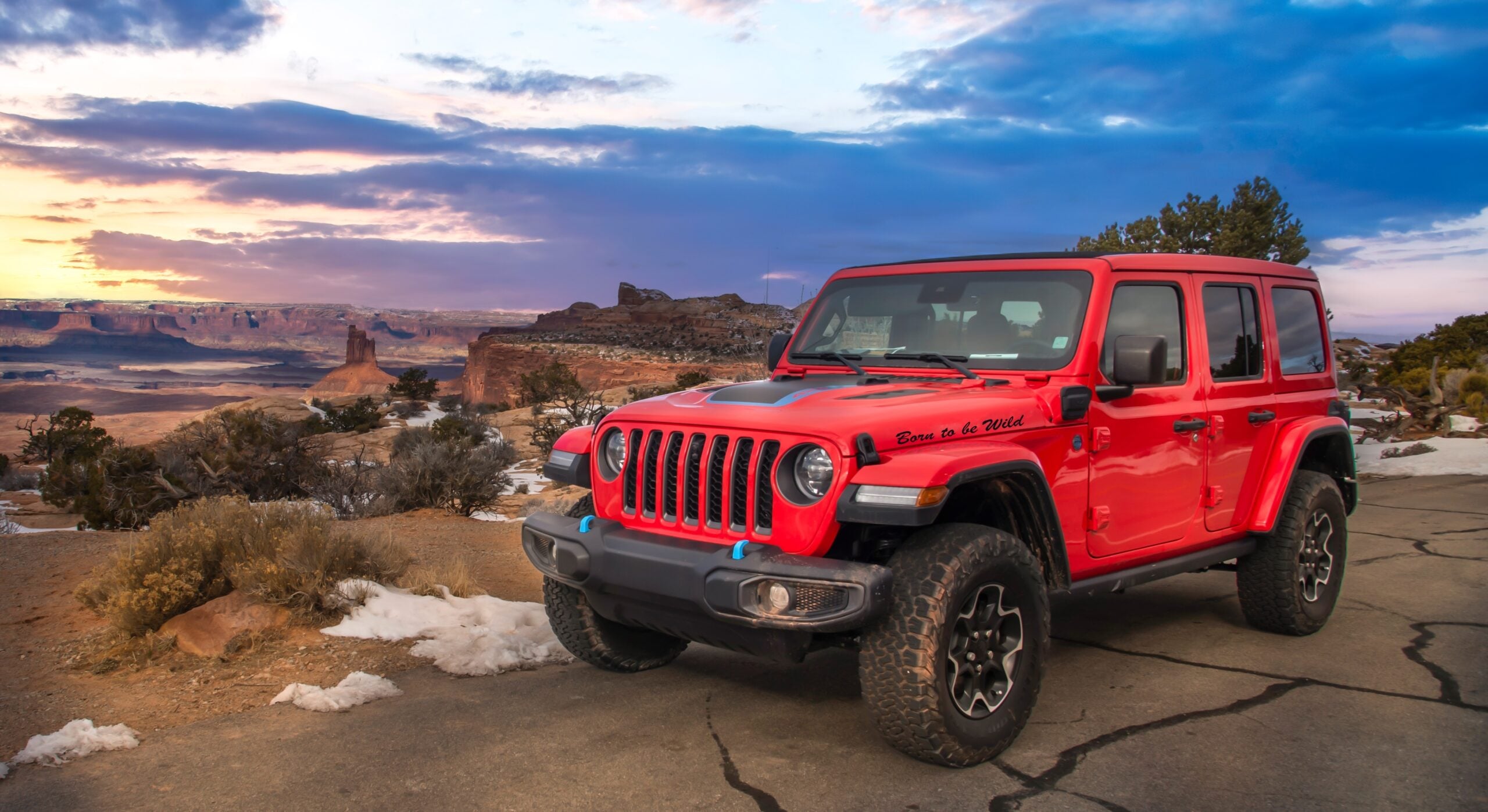
On paper, that might sound a little odd. The Wrangler has historically taken some hits in safety conversations, especially around rollover risk, something insurers have factored in for years. But newer models have improved, and as we recently reported, Stellantis has addressed those tipping concerns in the latest generation.
Add in rugged construction, widely available parts, and the reality that most Wrangler owners are not out street racing these things, and the insurance math starts to make more sense. At this point, you could almost argue the Wrangler is doing a decent impression of an economy car. Almost.
SUVs Are Winning the Insurance Game
There are a few reasons SUVs are now cheaper to insure than sedans. Higher ride height helps in multi-vehicle crashes. Strong safety ratings and standard driver-assist tech reduce claim frequency. And mainstream models tend to be easier and cheaper to repair.
That combination matters because insurers price risk based on real-world claims data, not assumptions, as outlined in the 2026 insurance cost breakdown. And right now, SUVs are winning.
Trucks Are Sneakily Affordable Too
Another interesting wrinkle here: trucks are holding their own. Models like the Ford Maverick, Jeep Gladiator, and Nissan Frontier are showing up as relatively affordable to insure, in some cases beating out traditional sedans, based on the same dataset. That is not something you would have expected even a few years ago.
And Yes, the Miata Made the List
We would be doing this wrong if we did not point this out. The Mazda MX-5 Miata is the only sports car to crack the top 20, landing at around $203 per month, per CarInsurance.com’s analysis.
Our staffer Olivia will be thrilled. Because honestly, is it even a list if the Miata is not on it?
It is small, light, relatively inexpensive to repair, and usually driven by people who actually care about driving, which tends to show up in the data.
Insurance Is Personal — Your Mileage Will Vary
Before you go out and buy a Crosstrek or Wrangler, thinking you just locked in a $192 premium, it is worth remembering your ride is just one part of the auto insurance equation. Your rate is also shaped by a long list of factors, including your driving record, credit profile, location, age, marital status, and even who else lives in your household. Teen drivers, prior claims, and past tickets can all quickly raise premiums, regardless of what you drive.
That means the “cheapest car to insure” is really just a starting point.
If you are trying to keep costs down, shop multiple insurers, compare not just price but coverage limits and benefits, and make sure you are not underinsured just to save a few dollars. Your own habits matter too. A clean driving record is still one of the biggest levers you have. Avoid aggressive driving, avoid tickets, and avoid accidents. It sounds obvious, but it shows up directly in what you pay.
If you have older violations dragging down your record, it may be worth looking into your options. In some cases, drivers can revisit or renegotiate certain offenses depending on local laws or take defensive driving courses that help offset the impact. Bottom line: the car helps, but the driver still matters more.