Cars are more than just transportation: they’re pieces of American history that are still in motion, still telling stories. From the assembly lines of Detroit to the highways that crisscross our nation, certain vehicles have become cultural touchstones that tell the tale of who we are and where we’ve been driving to.
These 12 classics didn’t just change how we got around; they influenced music, movies, fashion, and the very fabric of American life.
Ford Model T (1908-1927)

The Model T didn’t just put America on wheels — it created the modern world as we know it. Henry Ford’s revolutionary assembly line production made cars affordable for ordinary families, transforming the United States from a collection of isolated communities into a mobile society.
This simple, reliable car taught Americans that the horizon was just a drive away. If you could crank fast enough.
Chevrolet Corvette (1953-present)
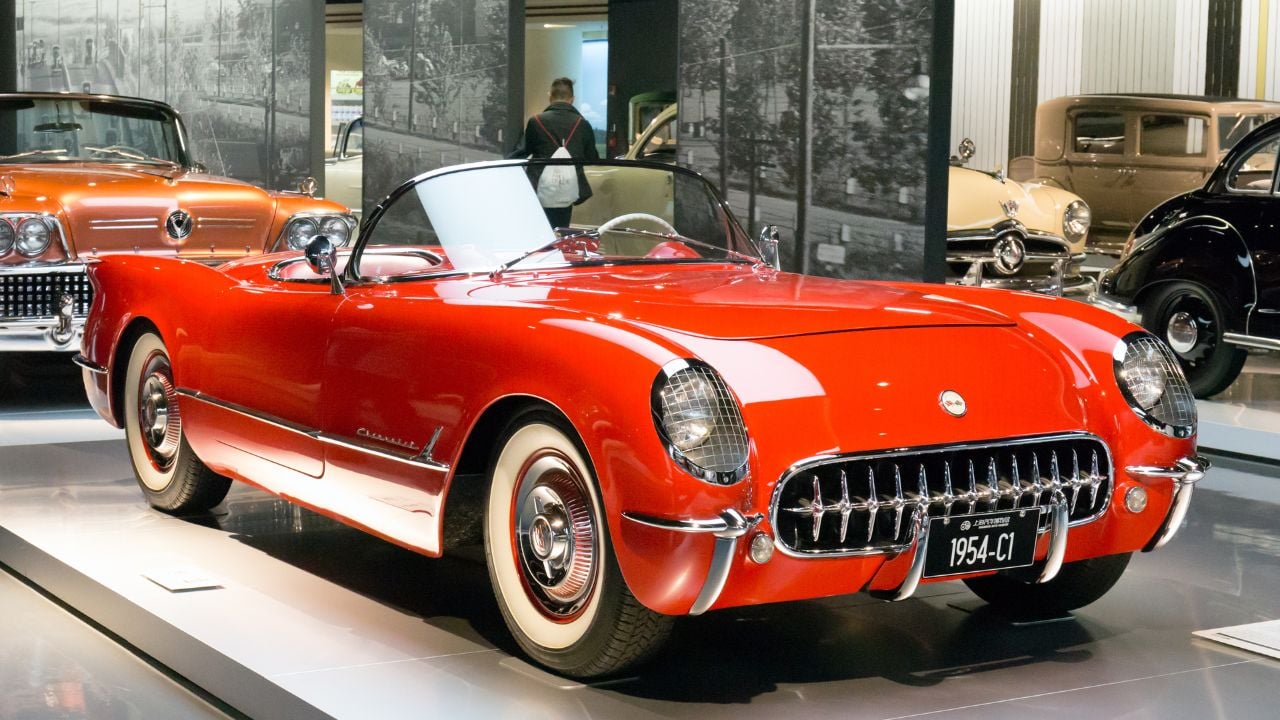
When the Corvette debuted at the GM Motorama in 1953, it announced America’s intention to build sports cars that could rival anything from Europe. With its fiberglass body and distinctive styling, the Corvette became the dream car for generations of Americans.
It proved that American engineering could create something both beautiful and fast, establishing a legacy that continues today.
Ford Mustang (1964-1973)

The Mustang created an entirely new category of car: the pony car. Ford’s brilliant marketing positioned it as affordable performance for the masses, and it worked beyond anyone’s wildest dreams.
The Mustang became a symbol of youth, freedom, and the changing social landscape of the 1960s, selling over a million units in its first two years.
Cadillac Eldorado (1953-2002)

Nothing said “I’ve made it” quite like a Cadillac Eldorado. With its massive fins, chrome details, and luxurious appointments, the Eldorado embodied the optimism and excess of post-war America.
It represented the American Dream made manifest — a rolling symbol of success that influenced everything from architecture to fashion.
Volkswagen Beetle (1938-2003)

While technically German, the Beetle became thoroughly American through adoption. This quirky little car became the anti-establishment choice for a generation rejecting the bigger-is-better mentality of Detroit.
The Beetle’s honest simplicity and reliability made it the perfect vehicle for the counterculture movement, proving that sometimes less really is more.
Dodge Charger (1966-1978)
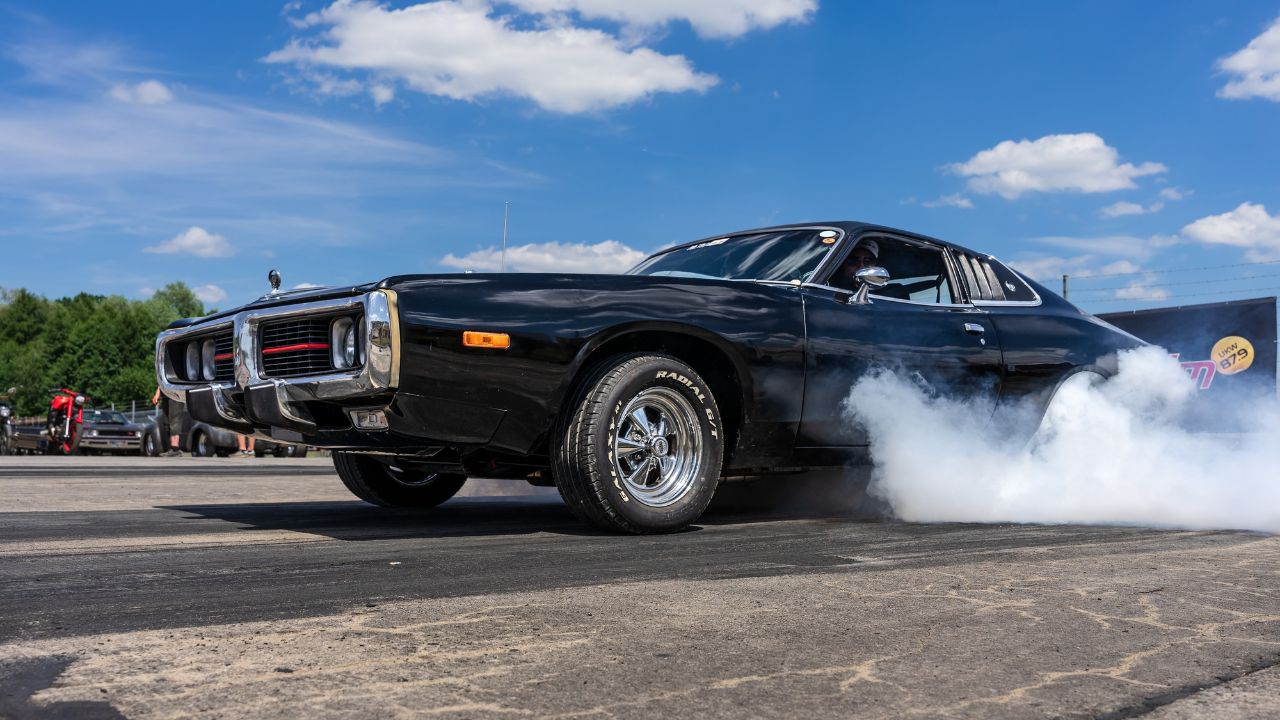
The Charger perfectly captured the muscle car era’s raw power and attitude. With its distinctive “flying buttress” rear window and available Hemi engine, it became a star both on the street and on screen.
The Charger represented American automotive muscle at its most aggressive, influencing car design and popular culture for decades.
Ford Thunderbird (1955-1957)

The two-seat Thunderbird was Ford’s answer to the Corvette, but it carved out its own unique identity as a “personal luxury car.”
Unlike the Corvette’s sports car focus, the T-Bird emphasized comfort and style over pure performance. It created a new market segment and showed that American cars could be both sophisticated and fun.
Chevrolet Camaro (1967-1969)
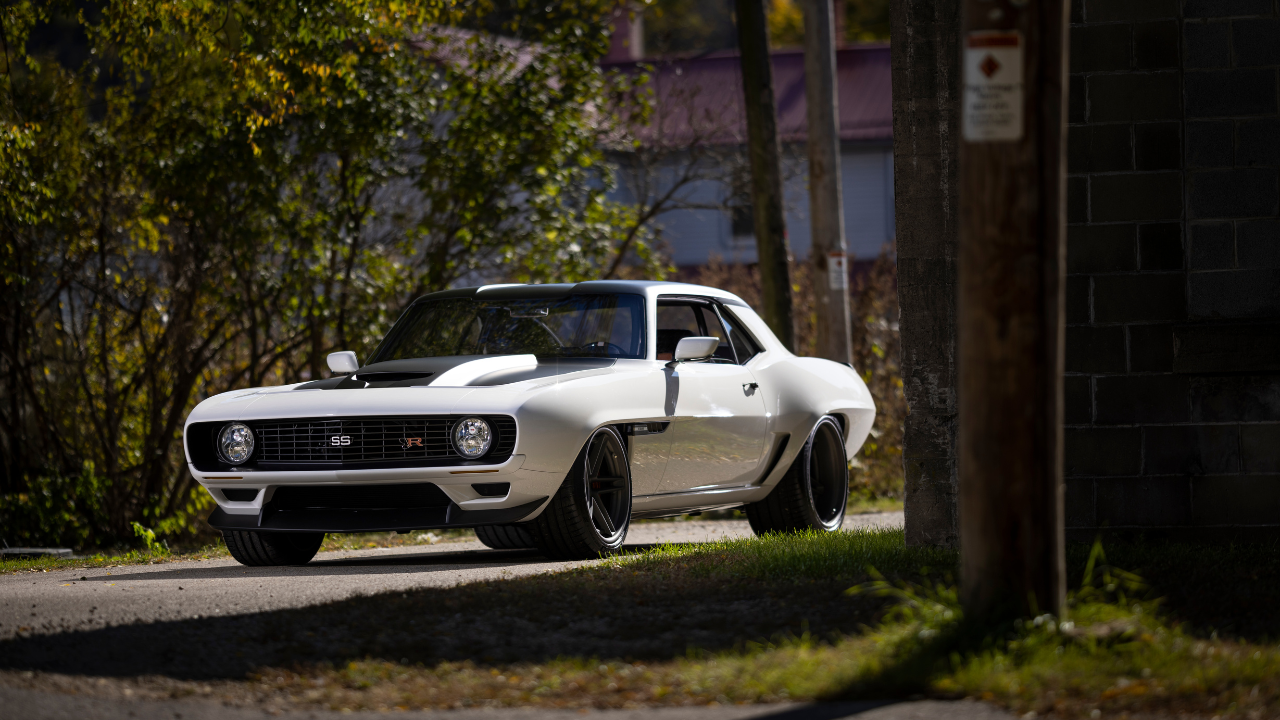
Born from GM’s need to compete with the Mustang, the first-generation Camaro became a cultural icon in its own right. Its aggressive stance and powerful engine options made it the choice for those who wanted their pony car with extra attitude.
The Camaro helped define what American performance looked like during the height of the muscle car era.
Pontiac GTO (1964-1974)
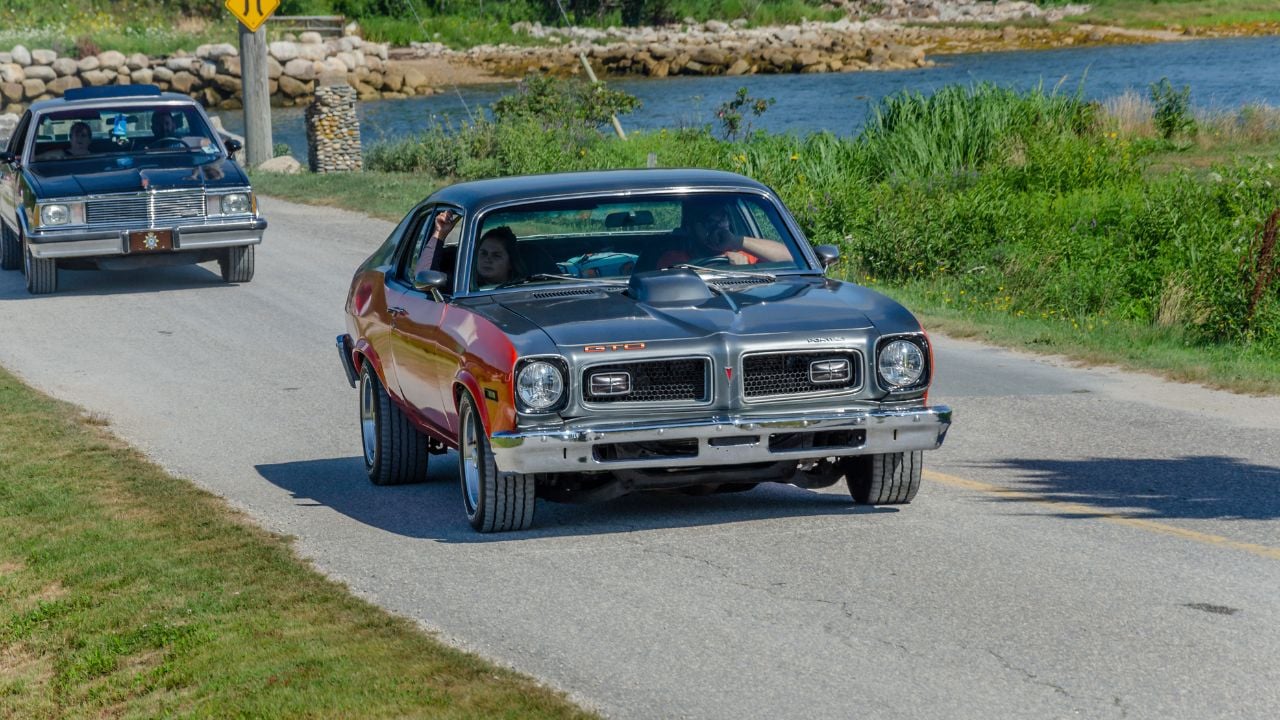
Often credited as the first true muscle car, the GTO was born when Pontiac engineers stuffed a big-block engine into their mid-size Tempest. This simple formula — big engine, smaller car — created a new category that would define American performance for a generation.
The GTO proved that sometimes the best ideas come from breaking the rules.
Ford F-Series Pickup (1948-Present)
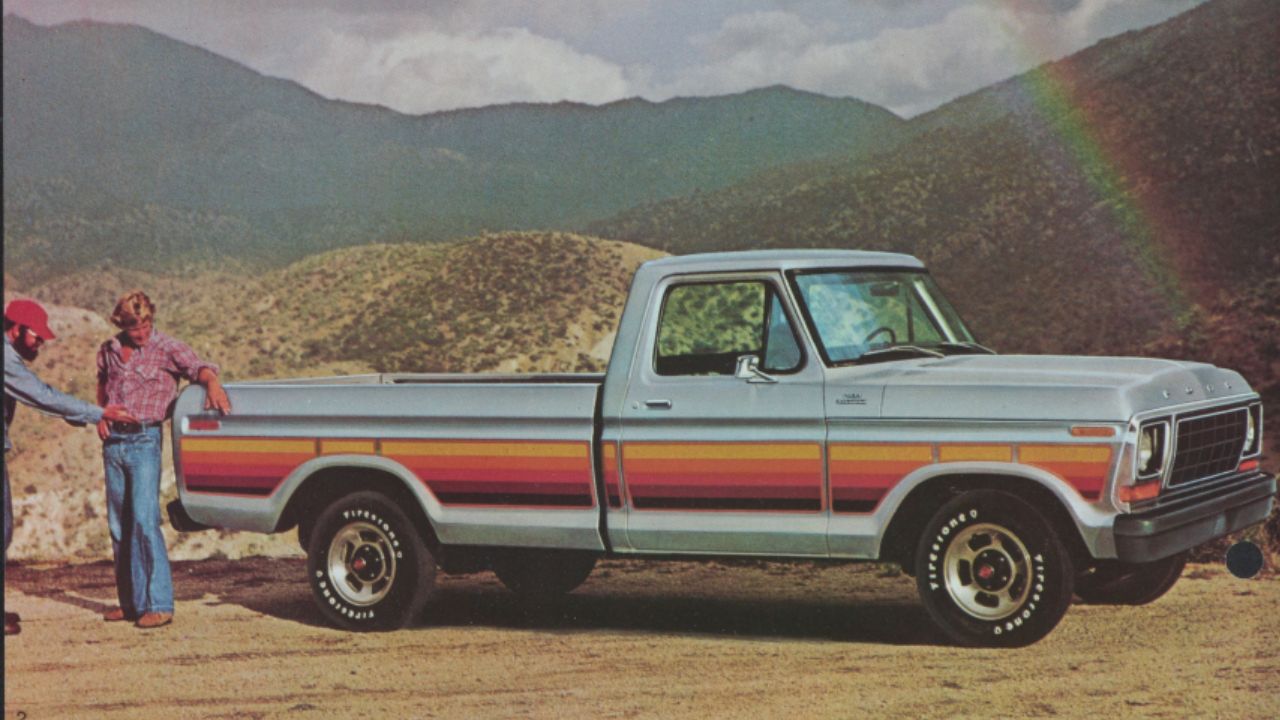
The F-Series pickup truck represents the working soul of America. From construction sites to family driveways, these trucks have been America’s workhorses for over seven decades.
The F-Series didn’t just transport goods; it transported the American work ethic, becoming a symbol of reliability and honest labor that resonates with millions.
Buick Riviera (1963-1973)

The Buick Riviera was GM’s attempt to create an American grand tourer that could compete with the best from Europe. Its clean, elegant lines and powerful V8 engine created a uniquely American interpretation of luxury performance.
The Riviera showed that American designers could create cars that were both sophisticated and distinctly American.
AMC Gremlin (1970-1978)

The Gremlin might seem like an odd choice for this list, but it perfectly captured America’s transition from the excess of the 1960s to the practicality demanded by the 1970s oil crisis.
With its truncated rear end and economy-car focus, the Gremlin represented American automakers’ first serious attempt at building a domestic subcompact for the mass market.
Conclusion
These 12 cars tell the story of America itself: our ambitions, our creativity, and our ability to adapt to changing times.
From the Model T’s democratization of transportation to the Gremlin’s acknowledgment of new realities, each vehicle reflects the spirit of its era while helping to shape what came next. They remind us that the best American cars have always been more than machines; they’ve been dreams made real, rolling down the highway toward tomorrow.