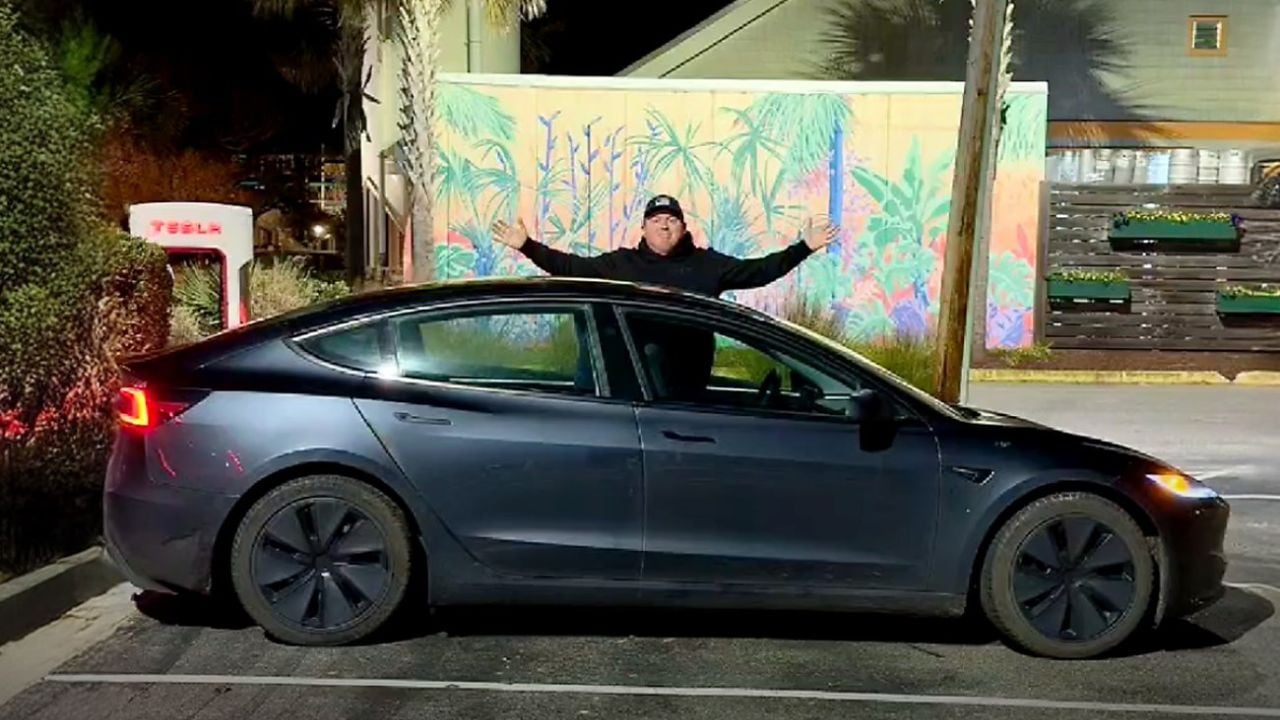

On January 2, while much of the world was still basking in the glow of New Year celebrations, one driver was quietly completing a journey that has electrified both car enthusiasts and EV skeptics. The feat, shared to socials, including Facebook and YouTube, involved a Tesla equipped with Full Self‑Driving (FSD) technology successfully navigating a 2,732‑mile trip across the United States. The post quickly drew hundreds of reactions, dozens of comments, and a spirited debate about the future of autonomous mobility.
The Journey That Captured Attention
The headline detail was simple yet staggering: a “perfect” coast‑to‑coast drive completed almost entirely under the control of Tesla’s FSD system. For many, the idea of a car piloting itself across thousands of miles without incident seemed closer to science fiction than reality. Yet here it was, documented and celebrated, with the driver reportedly allowing the system to handle the bulk of the journey from start to finish.
Comments poured in, ranging from admiration to skepticism. One user quipped about the pleasure of driving being lost to machines, while another joked that their autonomous car might drive itself to work while they were left to take the bus.
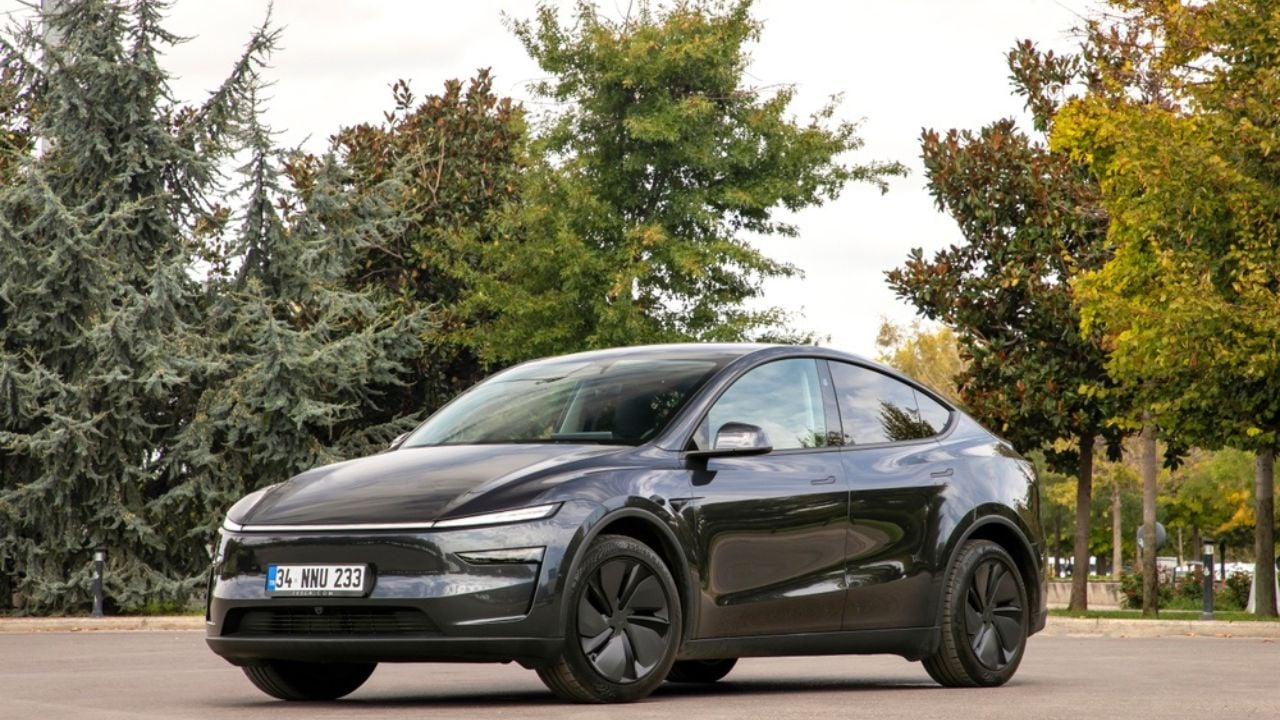
Others raised practical questions: How much of the trip was truly automated? What about charging logistics? Could the cost of electricity rival or surpass traditional fuel? The conversation reflected both excitement and unease about a technology poised to redefine transportation.
Tesla’s FSD system is built on a complex architecture of neural networks trained to interpret real‑world driving scenarios. Unlike traditional driver‑assist systems that rely heavily on pre‑mapped routes or lidar sensors, Tesla’s approach emphasizes vision‑based AI.
Eight cameras mounted around the vehicle feed continuous data into onboard processors, which then make split‑second decisions about steering, acceleration, and braking. This vision‑centric model mimics human perception, which lets the car respond dynamically to unexpected conditions such as lane changes, traffic signals, or pedestrians.
The journey’s success hinged on several technical pillars:
- Neural Network Training: Tesla’s AI has been trained on billions of miles of driving data, enabling it to recognize patterns and predict outcomes with remarkable accuracy.
- Dojo Supercomputer: Tesla’s proprietary training platform accelerates the learning process, refining FSD’s ability to handle edge cases like complex intersections or unusual road layouts.
- Energy Infrastructure: The availability of Tesla’s Supercharger network across the United States made the trip feasible. With strategically placed stations, the car could recharge quickly, minimizing downtime and ensuring continuity of the journey.
- Redundancy and Safety Protocols: The system integrates fallback mechanisms, requiring the driver to remain attentive and ready to intervene. While the post celebrated a “perfect” drive, Tesla’s guidelines emphasize that FSD is not yet fully autonomous and human oversight remains essential.
The Human Element
Despite the technical triumph, the comments revealed a persistent tension between innovation and tradition. Some users expressed admiration for the achievement, seeing it as a glimpse into a future where long‑distance travel becomes effortless. Others lamented the loss of the tactile joy of driving, arguing that road trips are as much about the experience behind the wheel as the destination.
One Facebook comment said, “Question, why would you want a self-driving car? Catch a taxi. The pleasure of a road trip is in the driving.”
Skeptics demanded independent verification, questioning whether the claim of a fully automated drive could be substantiated. One commenter insisted that “claiming isn’t proof” and called for evidence from third‑party reviewers. Another pointed out the improbability of a seamless coast‑to‑coast route without intersections or stops. That particular comment highlighted the need for transparency in how the journey was executed.
Still, a driverless coast-to-coast travel underscores both the promise and the challenges of autonomous driving. On one hand, it demonstrates the potential for AI‑driven systems to handle complex, real‑world conditions over extended distances.
On the other, it raises questions about regulation, safety, and public acceptance. Governments will need to establish frameworks for accountability, while manufacturers must continue refining technology to address edge cases and ensure reliability.
For Tesla, the publicity is invaluable. The company has long positioned itself at the forefront of autonomous innovation, and stories like this reinforce its narrative of pushing boundaries. Yet the debate sparked by the comments shows that widespread adoption will require more than technical capability. It will demand trust, cultural acceptance, and clear evidence that machines can consistently outperform human drivers in safety and efficiency.