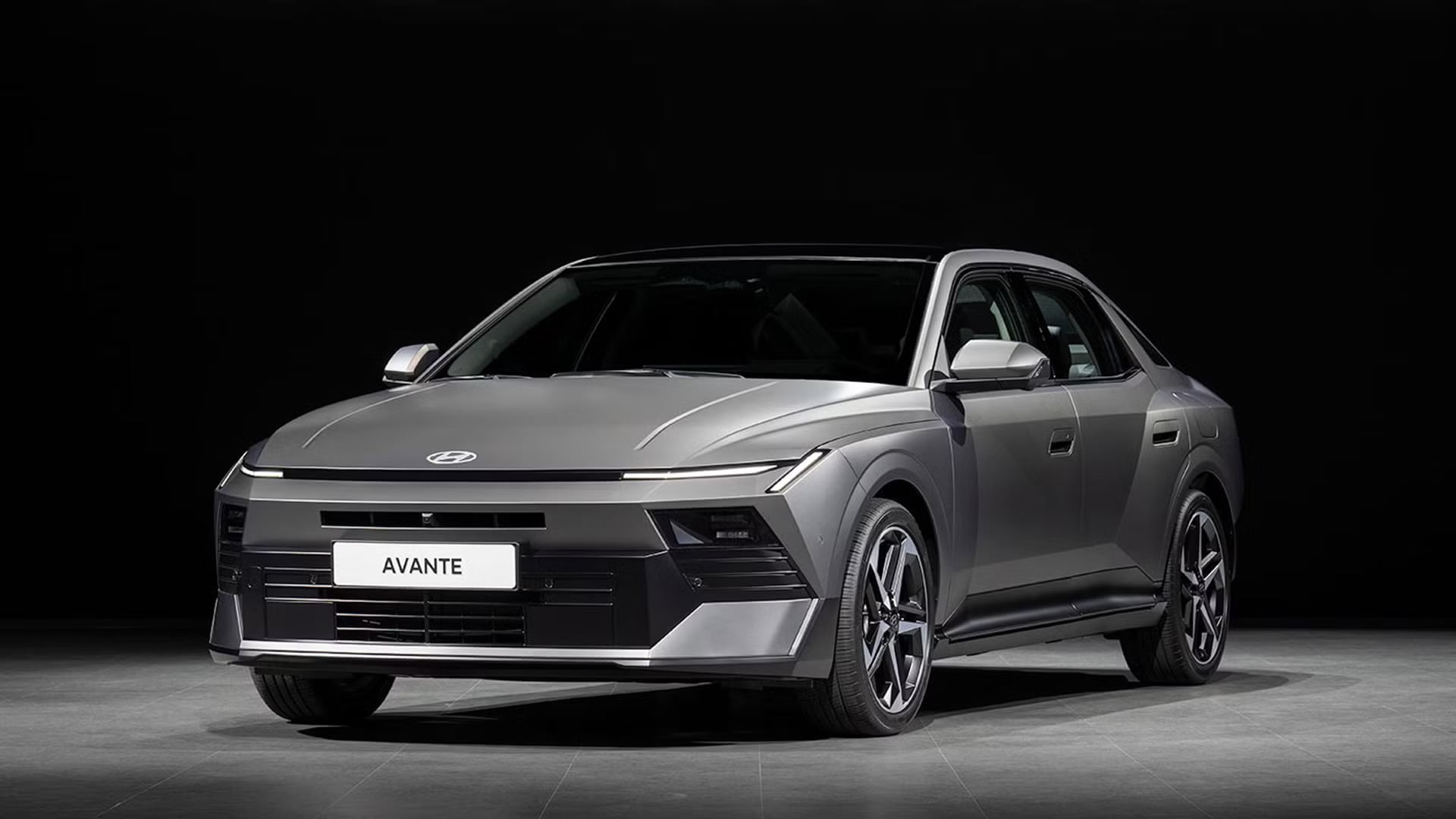
Hyundai has unveiled the eighth-generation Elantra, introducing a dramatic redesign that pushes the compact sedan further upmarket in both styling and technology. Revealed in South Korea as the new Avante at the 2026 Busan Mobility Show, the model previews what is expected to arrive in North America as the 2027 Hyundai Elantra.
The latest generation represents one of the most significant transformations in the model’s history. With larger dimensions, cleaner proportions, and a futuristic exterior, Hyundai is giving its best-selling sedan a more premium appearance while maintaining its position in the highly competitive compact segment.
The redesign comes at an important time for Hyundai. Although SUVs continue to dominate the market, compact sedans remain an important part of the brand’s lineup, offering an affordable alternative for buyers seeking efficiency, practicality, and value.
While Hyundai has not yet released U.S. specifications, the Korean-market model provides a clear look at the direction the next Elantra is taking. American pricing, equipment, and powertrain details are expected to be announced closer to the car’s local debut.
Sharper Styling and Larger Dimensions
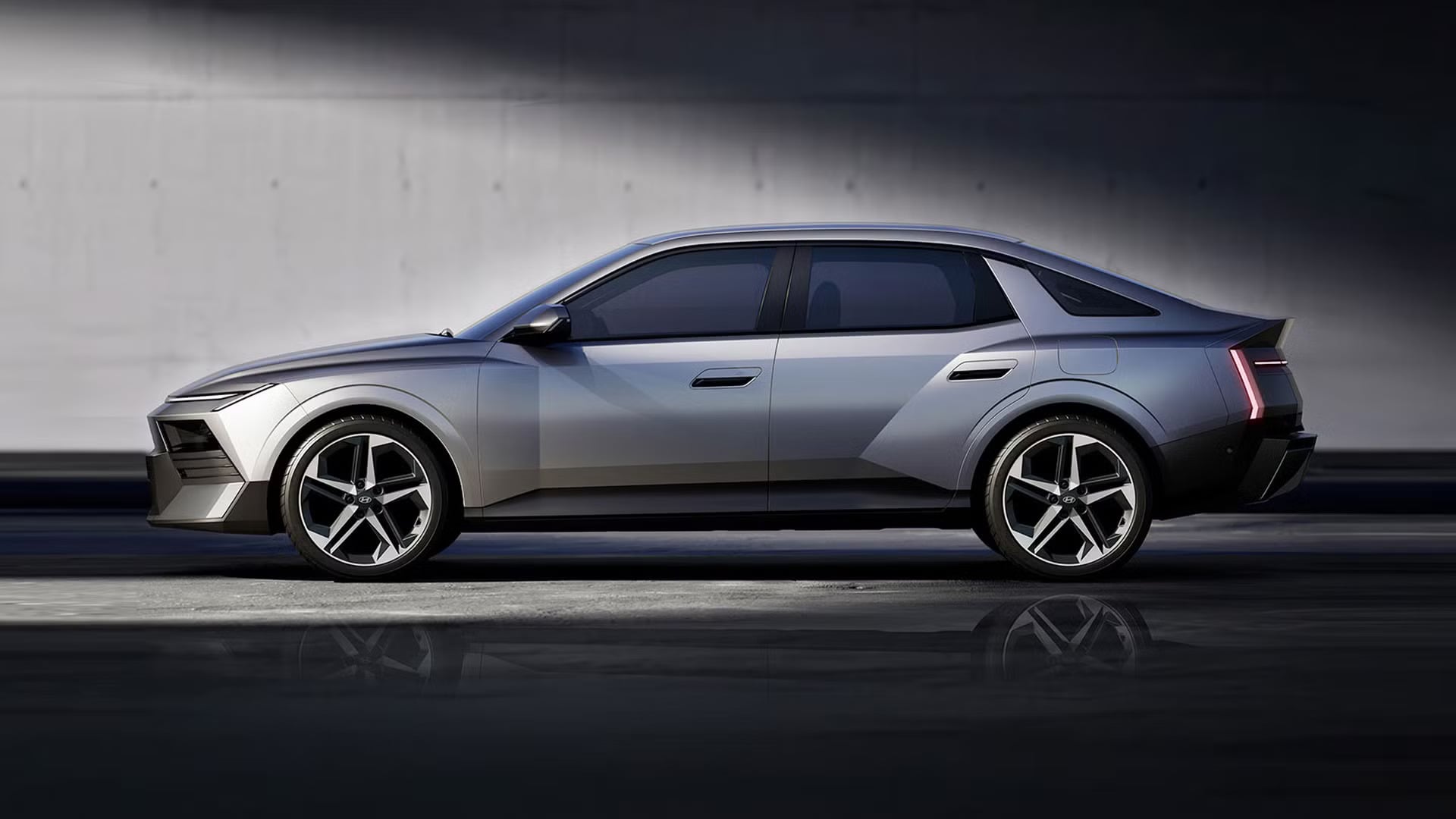
The new Elantra adopts Hyundai’s latest “Art of Steel” design philosophy, replacing the outgoing model’s angular bodywork with smoother surfaces and stronger proportions. Slim LED lighting, a wider stance, and a more sculpted front end give the sedan a noticeably more upscale presence.
Hyundai has also increased the vehicle’s size in nearly every direction. The wheelbase grows by 1.2 inches to 108.3 inches, while the overall length increases to 187.6 inches. Width has expanded to 73 inches, providing additional cabin space and helping the sedan adopt a more substantial road presence.
The larger footprint allows Hyundai to offer interior accommodations approaching those of some midsize sedans while retaining the efficiency and maneuverability expected from a compact car.
Technology Takes Center Stage
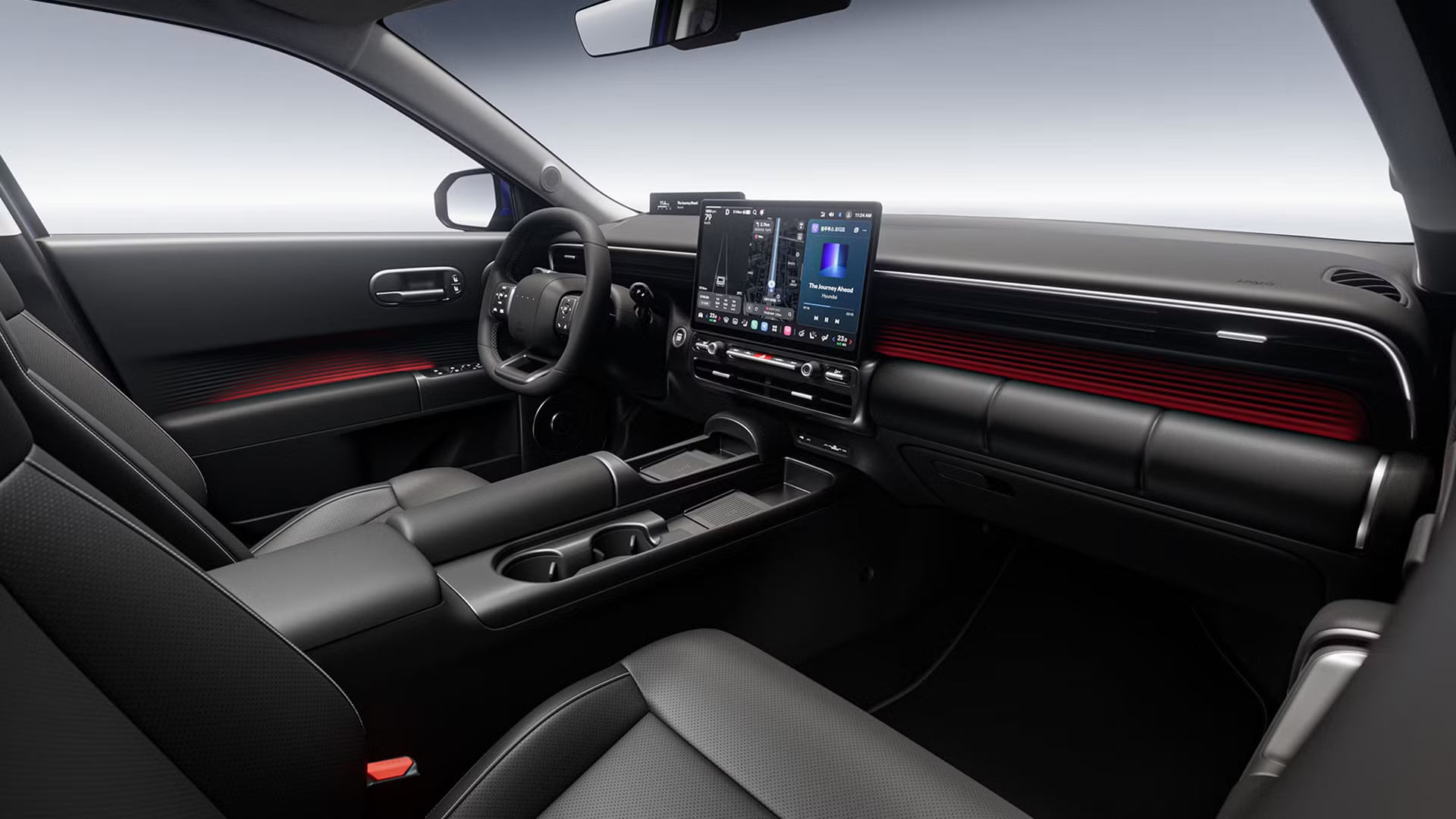
Inside, Hyundai has completely redesigned the cabin with a stronger focus on digital technology and driver convenience. A new dashboard layout places the driver at the center of the experience, combining a clean, symmetrical design with high-mounted digital displays. A 12.9-inch infotainment screen comes standard, while higher trims receive an even larger 14.6-inch display.
The system runs Hyundai’s new Pleos operating system, which is built on Android Automotive. It also introduces the company’s Gleo AI voice assistant, allowing occupants to interact with the vehicle using natural language for navigation, information searches, travel recommendations, and other connected services.
Familiar Engines With Room for Future Updates
The Korean-market lineup includes a naturally aspirated 2.0-liter four-cylinder engine producing 147 horsepower, along with a 1.6-liter hybrid generating a combined 155 horsepower.
The hybrid also gains Hyundai’s new “Stay Mode,” allowing the battery to power features such as climate control and the infotainment system while the vehicle remains stationary, reducing unnecessary engine operation.
Although Hyundai has not confirmed North American specifications, the U.S. model is widely expected to retain a familiar range of powertrains. That would likely include a naturally aspirated 2.0-liter engine, a hybrid option, and turbocharged variants for the sport-oriented N Line and high-performance Elantra N.
An Important Sedan for Hyundai’s Future
The Elantra continues to play a major role in Hyundai’s global lineup despite the industry’s ongoing shift toward SUVs and crossovers. Strong sales have demonstrated that demand for well-equipped compact sedans remains healthy, particularly among buyers seeking lower purchase prices and better fuel economy.
The challenge for Hyundai will be balancing the new model’s more premium styling and technology with the affordability that has long been one of the Elantra’s greatest strengths. Introducing advanced digital features and a more sophisticated design without significantly increasing the price will be key to maintaining the model’s competitiveness.
With its bold exterior, larger cabin, and significantly upgraded technology, the eighth-generation Elantra signals Hyundai’s intention to keep the compact sedan relevant in an increasingly SUV-focused market. If the production version arriving in North America closely mirrors the Korean-market model, buyers can expect one of the most modern and technologically advanced entries the Elantra nameplate has ever worn.