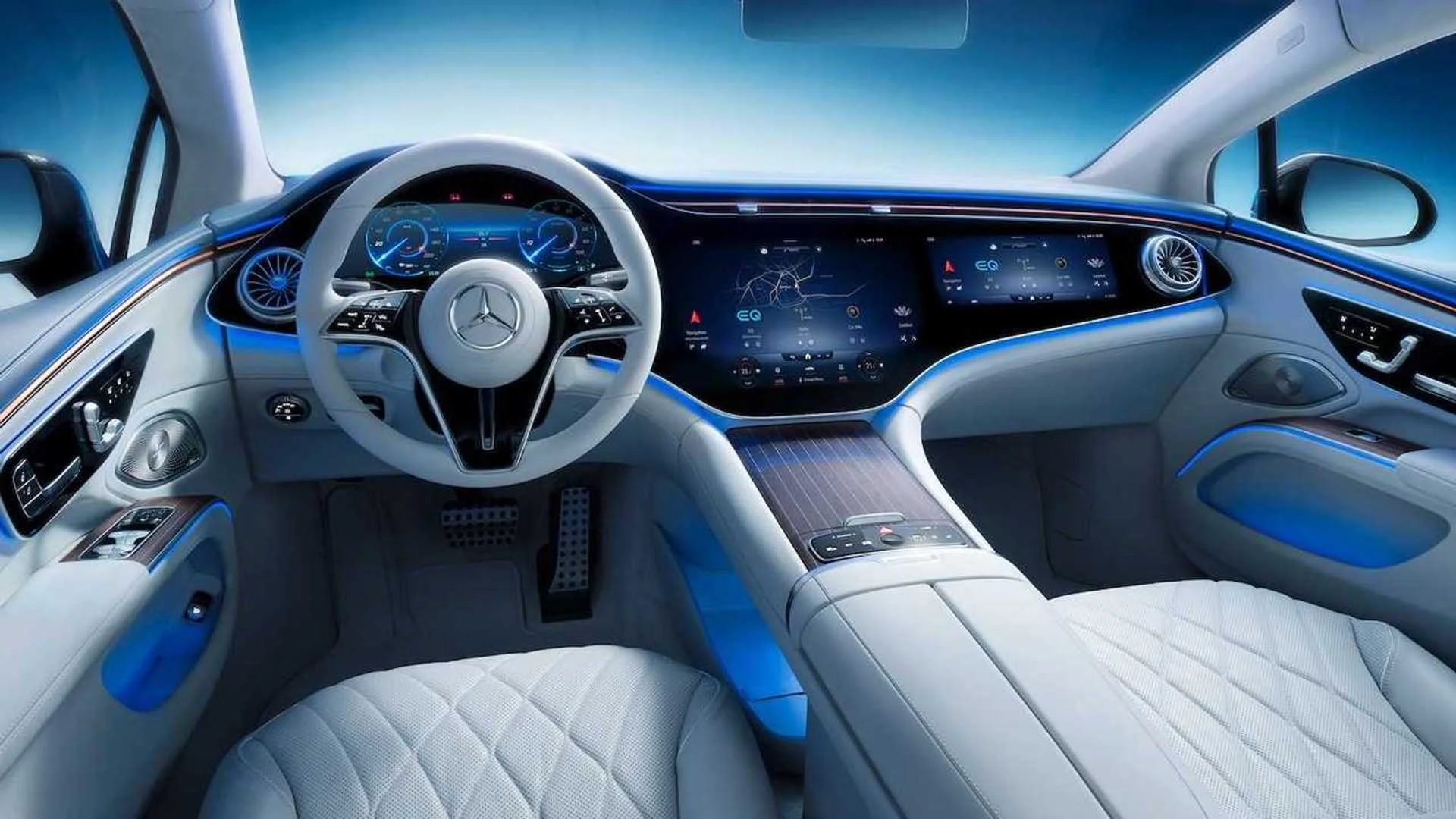
New vehicles have become smarter, safer, and more connected than ever before. According to a new analysis from Cox Automotive, many of the features consumers demanded over the past decade have become standard equipment—but those improvements have also contributed to higher prices at a time when household budgets are under increasing pressure.
The study suggests today’s affordability challenges extend beyond vehicle pricing alone. Higher interest rates, rising insurance premiums, elevated maintenance costs, and broader inflation are combining to make purchasing a new vehicle more difficult for many Americans, even as the market remains relatively resilient.
Rather than blaming a single factor, Cox Automotive argues that today’s pricing reflects years of customer demand for advanced technology, safety systems, and convenience features that were once reserved for luxury vehicles. Buyers wanted more capability, and automakers largely delivered.
The challenge now is that while new cars offer significantly greater value than their predecessors, many consumers are struggling to absorb the higher monthly payments required to put that technology in their driveway.
Technology Has Changed the Modern Car
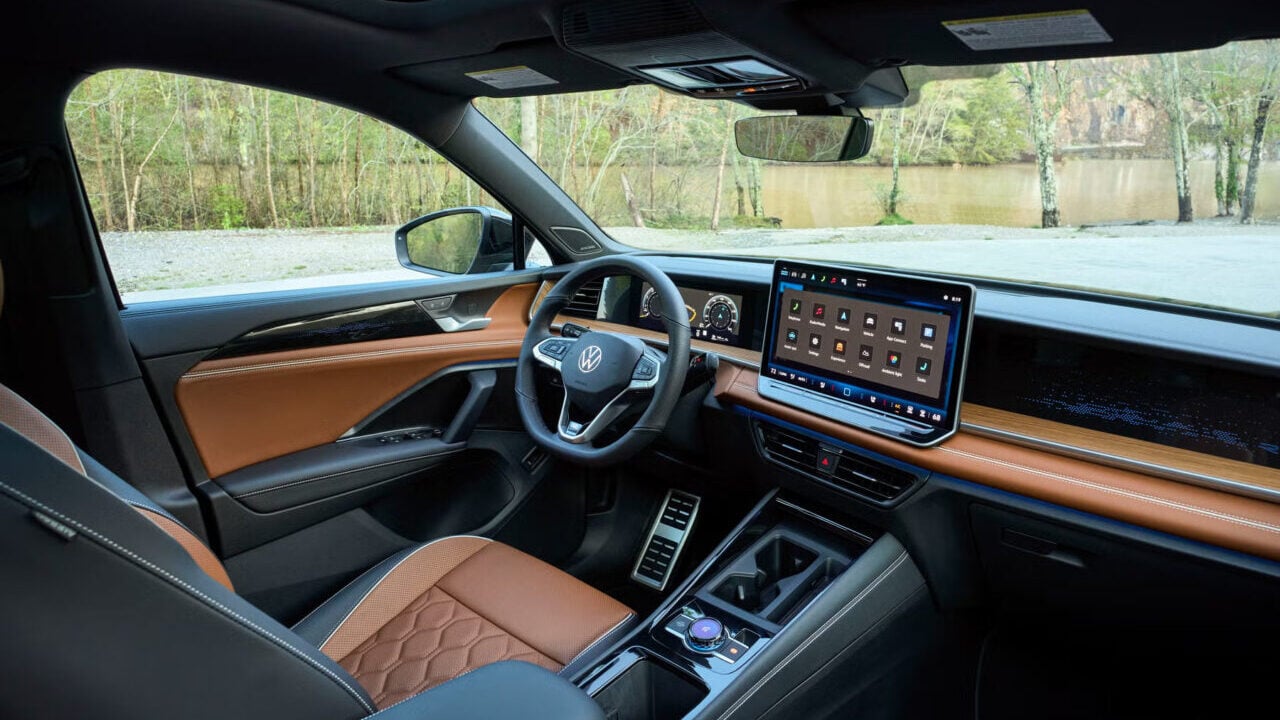
Over the past decade, features such as automatic emergency braking, adaptive cruise control, wireless smartphone integration, blind-spot monitoring, lane-keeping assistance, backup cameras, and over-the-air software updates have become increasingly common across the industry.
Many of these technologies were optional, or unavailable, on mainstream vehicles just a few years ago. Today, several are included as standard equipment, even on entry-level models.
Cox Automotive Executive Analyst Erin Keating argues that this evolution helps explain why transaction prices have risen. Modern vehicles simply offer far more equipment, capability, and safety than they did a decade earlier.
The Honda CR-V Shows How Much Has Changed
Cox Automotive used the Honda CR-V as an example of how vehicles have evolved. A 2016 CR-V LX carried an average transaction price of $27,761. The comparable 2026 model averages $38,778. After adjusting for inflation, however, the real-world difference amounts to only about $478.
During that same period, the CR-V gained a turbocharged engine, a significantly larger touchscreen, wireless Apple CarPlay, push-button start, and Honda Sensing driver-assistance technology as standard equipment.
The comparison illustrates that while sticker prices have increased substantially, buyers are also receiving considerably more technology than they were ten years ago.
Monthly Payments Remain the Biggest Challenge

Even if inflation-adjusted vehicle pricing has remained relatively stable, financing costs tell a different story. Longer loan terms have become increasingly common, with the average new-car loan now stretching to roughly 69 months. Seven-year financing agreements are also becoming more popular as buyers attempt to lower monthly payments.
At the same time, average auto loan interest rates have climbed from approximately 6.5% a decade ago to around 9.5%, pushing average monthly payments to roughly $753.
Those financing costs, combined with higher insurance premiums and everyday household expenses, are placing increasing pressure on consumer budgets.
Affordability Depends on More Than Vehicle Prices
Cox Automotive notes that new-vehicle affordability is now being shaped less by vehicle prices themselves and more by broader economic conditions.
Higher housing costs, elevated fuel prices, inflation across essential goods, and tighter household budgets have reduced purchasing power even as the new-vehicle market has remained relatively steady.
The firm also points out that consumers have become reluctant to pay monthly subscription fees for vehicle features. According to its research, fewer than half of buyers say they would pay separately for Apple CarPlay if it were no longer included at no additional cost.
Better Cars, Tougher Financial Decisions
The study concludes that today’s vehicles are objectively more capable than their predecessors, offering significant improvements in safety, performance, connectivity, and everyday convenience.
That progress, however, has arrived alongside an economic environment that makes financing those improvements increasingly difficult for many households. While manufacturers continue adding new technology to meet customer expectations, buyers are simultaneously confronting higher borrowing costs and rising living expenses.
As a result, today’s affordability challenge isn’t simply about the price displayed on a dealership window sticker. It’s the combination of financing, ownership costs, and broader economic pressures that is making new vehicles feel increasingly out of reach, even as the cars themselves continue getting better.